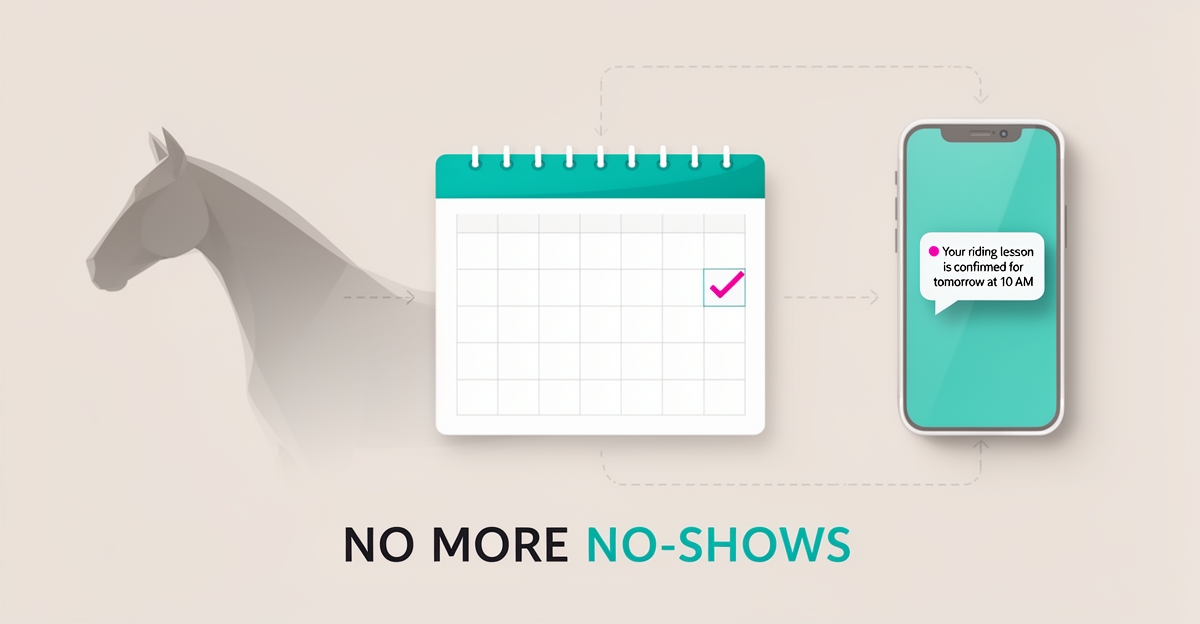
7 Ways AI Can Reduce No-Shows and Improve Booking Accuracy for Riding Stables
Key Facts
- Pre-booking qualification can reduce no-shows by 40-50% according to industry research
- Personalized confirmations typically reduce no-shows by 10-15% through goal-based messaging
- 24-hour reminders with preparation prompts can cut no-shows by 15-20%
- Morning-of reminders may prevent an additional 5-10% of no-shows
- Same-day re-engagement can recover 30-40% of missed appointments
- Paid appointments reportedly achieve 94% show rates—the most effective prevention tool
- SMS reminders have far higher open rates than email, making them the backbone of reminder sequences
Hire a team member that works 24/7 — for less than a part-time wage.
AI receptionists, SDRs, dispatchers and 99+ roles. Trained on your business, fully managed.
Not sure where to start? Ask our AI planner
The No-Show Problem Costing Stables Revenue and Capacity
Riding stables face a persistent operational challenge that directly impacts both revenue and capacity: client no-shows. Industry data suggests service businesses commonly experience no-show rates in the 15-25% range, and for personal services like fitness and riding instruction, these rates often climb higher due to the subjective nature of scheduling and last-minute changes in rider availability.
These missed appointments create a cascade of inefficiencies. Each no-show represents lost revenue from an unused time slot, wasted preparation time spent grooming horses and readying equipment, and scheduling gaps that disrupt the stable's daily flow. Unlike cancellations made in advance, no-shows leave staff scrambling to fill the void, often resulting in underutilized resources and frustrated clients waiting for openings that never materialize. The financial impact compounds quickly—cutting no-shows from industry averages down to just a few percent can recover tens of thousands of dollars in annual revenue for mid-sized operations.
AI-powered systems offer a targeted solution by transforming how stables manage bookings and client engagement. Through automated workflows that include pre-booking qualification, multi-touch reminder sequences, and behavioral risk detection, stables can proactively identify and address the root causes of no-shows. AIQ Labs specializes in building custom automation systems that integrate with existing stable management tools to streamline these processes—from intelligent check-in sequences to predictive follow-ups that adapt to individual rider patterns. By addressing the commitment gap behind most no-shows, rather than just the forgetfulness, stables can reclaim lost capacity and turn inconsistent attendance into reliable, revenue-generating appointments.
AI-Powered Prevention Strategies That Build Commitment
No-shows quietly erode stable revenue, leaving horses saddled and staff waiting. AI shifts prevention from reactive reminders to proactive commitment building.
Pre-booking qualification creates psychological investment before a slot is confirmed. An AI qualification conversation lasting 3-5 minutes surfaces goals, experience level, and rider preferences, which no-show prevention research suggests reduces no-shows by 40-50%. People who share personal context are more committed to showing up.
Multi-touch reminder sequences add value beyond time notifications. A confirmation within one hour, a 24-hour reminder with preparation prompts, and a brief morning-of message form a three-touch system that can drive show rates above 95%. SMS is the backbone of that system, with industry data reporting dramatically higher open rates for text than email and substantial no-show reduction from SMS sequences.
Behavioral risk detection flags bookings before they become problems. AI analyzes patterns such as same-day bookings, first-time clients, prior cancellations, and unusual timing to score risk in real time. High-risk bookings automatically receive additional confirmation touchpoints and one-click reschedule options.
Together these approaches move stables from typical industry no-show rates toward under 5%. Service industry analysis estimates meaningful annual revenue recovery when no-shows drop from double digits to the low single digits for mid-size practices. The impact is capacity recovered, prep time saved, and consistent rider experience.
AIQ Labs applies this logic through [AI Workflow Builds](/workflow-builds) that automate reminders, analyze rider behavior, and flag potential no-shows based on past patterns. The systems integrate with existing booking tools so stables maximize capacity without adding headcount.
Implementation focuses on three core levers:
- Pre-booking qualification that replaces bare scheduling links with brief AI conversations to build commitment
- Value-added reminder sequences via SMS with preparation questions and direct join links
- Behavioral risk detection that identifies same-day and first-time bookings for extra confirmation
The result is fewer empty slots and more predictable revenue. Automated check-in and follow-up sequences keep riders engaged after the lesson, reinforcing loyalty while the AI continues learning from each interaction.
From Booking to Check-In: 7 AI Workflows for Stables
The gap between booking confirmation and check-in represents the highest-risk window for no-shows, but industry research shows that strategic AI interventions can reduce no-show rates from typical industry levels down to under 5%. These seven workflows transform how stables manage the entire booking journey, turning passive scheduling into active engagement.
Instead of offering a bare scheduling link, deploy an AI chatbot or voice agent that conducts a 3-5 minute qualification conversation. According to no-show prevention research, this single tactic can reduce no-shows by 40-50% by creating psychological commitment before the appointment is even confirmed.
The AI asks about riding experience, goals, and any specific concerns. Riders who invest time sharing their objectives become emotionally committed to showing up. This workflow integrates directly with your booking system and triggers automatically when someone requests a lesson time.
Within one hour of booking, send a confirmation that references the rider's specific goals and includes a preparation question. Research shows personalized confirmations reduce no-shows by 10-15% compared to generic "Your appointment is confirmed" messages.
For a riding stable, this might look like: "Hi Sarah, looking forward to working on your canter transitions Thursday at 4pm. Quick question: have you ridden in an English saddle before, or should we plan extra time for tack familiarization?" The AI pulls details from the qualification conversation and generates contextually relevant confirmations automatically.
Deploy a two-touch reminder system that adds value beyond simple time notifications. The 24-hour reminder should include a preparation question and easy rescheduling link, while the morning-of message stays brief with just location details and any last-minute instructions.
Data shows the 24-hour reminder with preparation can reduce no-shows by 15-20%, and the morning-of reminder may prevent an additional 5-10%. SMS delivery matters here—studies indicate text messages see open rates near 98% versus roughly 20% for email.
Twenty-four hours before the lesson, share a portion of the instructor's preparation notes with the rider. This creates anticipation and demonstrates that the stable has invested time planning their session.
The AI generates personalized teasers based on the rider's stated goals: "Based on your interest in trail riding, we're planning to introduce you to our quarter horse gelding who's excellent with intermediate riders on varied terrain." This approach can reduce no-shows by 10-15% by making the upcoming lesson feel concrete and valuable.
Automatically add 15-minute buffers before each lesson and set calendar reminders at 30 minutes and 10 minutes before start time. Include the stable address, parking instructions, and what to bring directly in the calendar event description.
This simple workflow can prevent 5-10% of no-shows according to prevention data, primarily by eliminating logistical confusion. The AI handles all calendar updates automatically when bookings change or riders reschedule.
When a rider doesn't show up, the AI initiates contact within 15 minutes with a generous interpretation: "We missed you today! Hope everything's okay. Would tomorrow at 3pm or Saturday at 10am work better for your lesson?"
Research demonstrates this same-day re-engagement can recover 30-40% of no-shows. The AI references their original goals and offers specific alternative times from current availability, making rescheduling effortless.
For high-value lessons or packages, require payment or a deposit at booking. Industry data shows paid appointments achieving 94% show rates—the single most effective prevention tool available.
The tradeoff is a potential 10-15% reduction in booking conversion, so stables typically reserve this for premium services, first-time clients, or identified high-risk bookings. The AI can flag which bookings warrant payment requirements based on behavioral patterns.
These workflows connect directly to automated check-in systems that track arrivals, update capacity in real-time, and trigger follow-up sequences. AIQ Labs specializes in building custom workflow automation for service businesses, integrating these prevention tactics with existing stable management systems to create a seamless booking-to-check-in experience that maximizes both revenue and rider satisfaction.
Implementing AI No-Show Prevention with Owned Automation
No-shows quietly erode capacity for riding stables, turning booked lessons into wasted prep time and lost revenue. AI-powered workflow automation replaces reactive chasing with predictive prevention that fits how riders actually book and behave.
Implementation starts with integration, not replacement. Custom workflow automation connects to existing booking systems to create a unified operational view. The AI layer then analyzes rider patterns such as lead time, historical attendance, and cancellation frequency to flag high-risk bookings before they occur. Weather-aware scheduling considerations are layered in for outdoor lessons, allowing automated re-offers when conditions shift.
Pre-booking qualification remains the strongest commitment lever. According to industry research, pre-booking qualification can reduce no-shows 40-50% by creating psychological investment before the appointment is confirmed. An AI conversation can collect goals, horse preferences, and experience level in 3-5 minutes, then store that context for personalized follow-up.
Multi-touch reminders add value beyond time notifications. Industry data shows SMS reminders achieve open rates near 98% versus roughly 20% for email, with substantial no-show reduction from SMS sequences. A stable can automate confirmation within one hour, a 24-hour reminder with preparation prompts, and a brief morning-of check-in with join links, all tailored to the rider's history.
Behavioral risk detection enables targeted intervention. The system identifies patterns linked to elevated risk, including same-day bookings and first-time clients in specific appointment types. High-risk bookings automatically receive additional confirmation touchpoints and one-click rescheduling options, recovering 30-40% of potential no-shows through same-day re-engagement.
AIQ Labs designs these systems as owned automation rather than rented software. Stables can choose how they build and control the system:
- Start Monthly for a managed [AI Employee](/ai-employees) with setup plus a flat monthly plan, build and integrations included, and pause anytime
- Build in Milestones for a workflow or department system split into phases, with approval and payment per phase
- Own It Outright for a full [AI Operating System](/ai-operating-systems) with full ownership of code, agents, and data when complete
Owned systems eliminate vendor lock-in and allow weather rules, rider preferences, and seasonal demand to be refined over time. With a true ownership model, clients control customization and future development.
The impact compounds. Service businesses commonly see no-show rates of 15-25%, and AI prevention systems can deliver reductions approaching two-thirds. For a mid-size practice, dropping no-shows from double digits to the low single digits can recover tens of thousands of dollars in annual revenue. Automated check-in and follow-up sequences keep capacity full while reducing administrative overhead.
Still paying for 10+ subscriptions that don’t talk to each other?
We build custom AI systems you own outright. No vendor lock-in. Full control.
Not sure where to start? Ask our AI planner
Frequently Asked Questions
How much can AI reduce no-shows for riding stables?
What is the most effective AI strategy for reducing no-shows?
Why are SMS reminders more effective than email for reducing no-shows?
How does AI help recover revenue from clients who don't show up?
Is requiring payment at booking worth the potential drop in conversions?
Turn Empty Saddles Into Full Schedules
No-shows don't have to be the cost of doing business. With AI-powered pre-booking qualification, value-driven reminder sequences, and behavioral risk detection, riding stables can shift from typical industry no-show rates down to under 5%—recovering meaningful annual revenue for mid-size operations. These workflows don't just fill slots; they build rider commitment, streamline check-ins, and free your team to focus on instruction rather than administrative chasing. AIQ Labs has deployed 200+ multi-agent systems and runs four live SaaS products daily, building custom automation for stables that integrates with your existing booking tools through flexible payment models—whether you prefer to start monthly, build in milestones, or own the system outright. Ready to see how this fits your operation? Start with the two-minute Fit Check at https://aiqlabs.ai/apply, then book a free 30-minute strategy call at https://aiqlabs.ai/book to map your biggest automation opportunity. No pressure, just clarity on your next step.
Make AI your competitive advantage — not just another tool.
Strategy, implementation and ongoing optimization. One partner, end to end.
Not sure where to start? Ask our AI planner