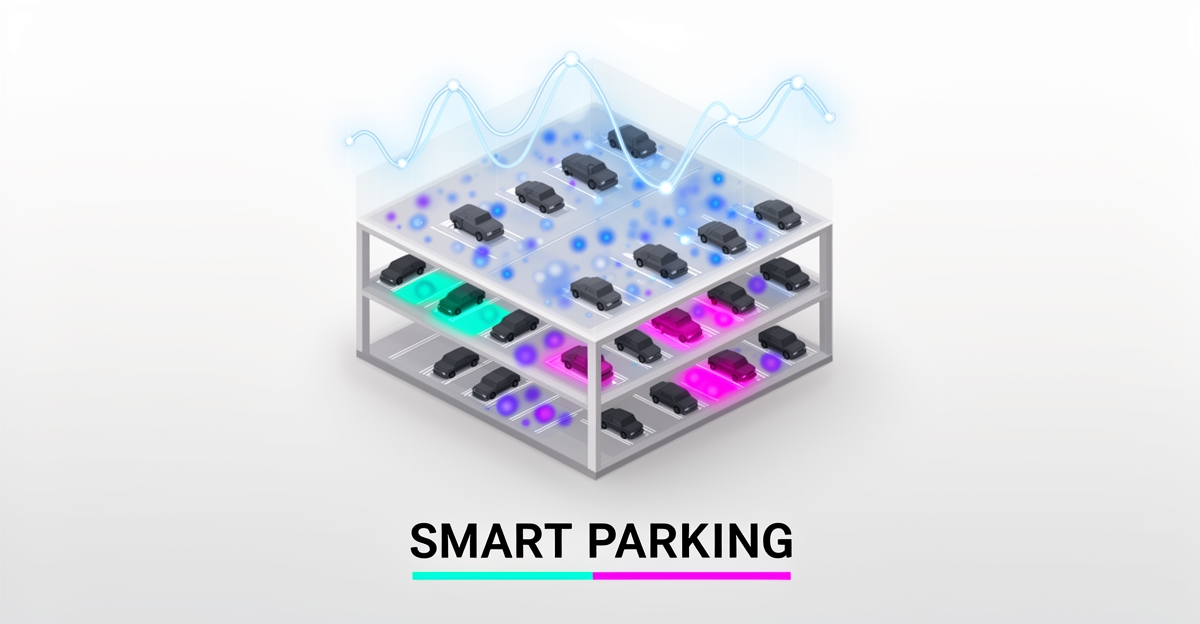
AI-Driven Analytics for Optimizing Parking Garage Scheduling and Capacity
Key Facts
- Cities implementing AI parking solutions achieved a 20% reduction in peak-hour traffic congestion.
- Melbourne’s smart parking pilot areas saw local congestion drop by up to 10%.
- AIQ Labs’ custom integrations reduce operational errors by 95%.
- Predictive inventory forecasting decreases stockouts by 70%.
- Advanced inventory models cut excess inventory levels by 40%.
- AIQ Labs’ marketing suite runs over 70 production agents daily.
- Daniel Battaglia stresses AI success hinges on data quality and quantity.
What if you could hire a team member that works 24/7 for $599/month?
AI Receptionists, SDRs, Dispatchers, and 99+ roles. Fully trained. Fully managed. Zero sick days.
The Parking Paradox: Reactive Management vs. Predictive Intelligence
Most parking operators still manage capacity reactively, relying on manual overrides and guesswork to handle fluctuating demand. This outdated approach creates a paradox where resources are either wasted or completely overwhelmed, leading to frustrated drivers and lost revenue.
Effective scheduling depends on accurate demand forecasting, which AI analyzes to predict foot traffic and optimize space allocation. By shifting from reactive fixes to predictive intelligence, operators can eliminate the inefficiencies that plague traditional garage management.
AI-driven analytics solve these issues through predictive demand forecasting. This technology transforms raw data into actionable insights, allowing operators to anticipate needs before congestion occurs.
The result is a smoother operation that avoids overcapacity or underutilization. Operators can finally move beyond manual scheduling and embrace a data-driven model that scales with demand.
Manual scheduling creates a bottleneck that impacts both the bottom line and the user experience. When operators cannot predict peak times, they either leave valuable space empty or turn away paying customers during surges.
This inefficiency manifests in three critical pain points:
- Driver Stress: Search time for parking spots increases frustration and reduces customer satisfaction.
- Congestion Spillover: Overflowing garages block surrounding streets, creating public safety and traffic issues.
- Revenue Leakage: Inability to adjust pricing or allocate space dynamically results in missed income opportunities.
Research from Parksy highlights that AI smart parking systems eliminate the stress of drivers searching for spaces, significantly improving the overall user experience.
Furthermore, cities implementing AI parking solutions have seen a 20% reduction in traffic congestion during peak hours. In pilot areas like Melbourne, smart parking initiatives reduced local congestion by up to 10%.
While the benefits of AI are clear, success is not guaranteed by technology alone. The effectiveness of any predictive model relies entirely on the integrity of the data feeding it.
Without robust data infrastructure, even sophisticated AI models may fail to deliver accurate forecasts. Operators must ensure they are collecting high-quality, comprehensive data from multiple sources.
Key data elements include:
- Historical Usage Logs: Past occupancy patterns and peak time trends.
- Real-Time Sensor Feeds: Live data from entry/exit points and space sensors.
- External Variables: Weather forecasts, local event calendars, and holiday schedules.
Daniel Battaglia of Parksy emphasizes that "The success of AI in parking management hinges on the quality and quantity of data it can access."
This dependency creates an opportunity for custom integration. Disconnected tools often prevent operators from seeing the full picture, leading to fragmented decision-making.
To overcome data fragmentation, operators need a unified system that connects disparate sources into a single source of truth. This requires more than just software; it requires a strategic approach to data architecture.
AIQ Labs provides analytics-driven AI tools that help operators run smoother operations. We build custom integration layers that bridge the gap between legacy systems and modern AI capabilities.
Our approach focuses on three core pillars:
- Custom Integration: Connecting sensors, logs, and external APIs into one unified dashboard.
- Predictive Modeling: Using historical data to forecast demand and optimize space allocation.
- Automated Execution: Deploying AI employees to handle dynamic pricing and scheduling adjustments.
By leveraging multi-agent orchestration, we can build predictive engines that not only forecast demand but also automate the corresponding scheduling and pricing adjustments.
This ensures that your garage operates at peak efficiency without requiring constant manual intervention. The system learns, adapts, and optimizes itself over time.
The shift from reactive management to predictive intelligence is no longer optional for competitive parking operators. Those who fail to adopt data-driven models risk losing revenue and customer trust to more agile competitors.
AI-driven analytics offer a clear path to optimizing capacity, reducing congestion, and enhancing the driver experience. By investing in robust data infrastructure and predictive tools, operators can future-proof their operations.
AIQ Labs is ready to help you build this predictive engine. Our custom solutions ensure you own your data and your destiny, free from vendor lock-in.
Contact AIQ Labs today to discover how we can architect your competitive advantage.
The Data Dependency: Why Infrastructure Dictates Success
Predictive AI is only as sharp as the data feeding it. Without a robust infrastructure, even the most sophisticated algorithms produce unreliable forecasts.
This creates a "black box" risk where operators make decisions based on flawed insights. Accurate demand forecasting depends entirely on data integrity.
According to Parksy industry research, the success of AI in parking management hinges directly on the quality and quantity of accessible data.
Daniel Battaglia of Parksy warns that without robust collection methods, sophisticated AI models can falter. This dependency makes infrastructure the true bottleneck for implementation.
Most parking facilities suffer from fragmented data silos. Sensors, historical logs, and external event calendars often exist in separate systems.
This fragmentation prevents AI from seeing the full picture of demand drivers. Operators miss critical correlations between weather, local events, and foot traffic.
Without integration, you cannot achieve the predictive power needed for dynamic scheduling. The result is either overcapacity or underutilized spaces.
Key challenges include:
- Siloed Sensor Data: Real-time occupancy feeds disconnected from historical trends.
- External Ignorance: Failure to incorporate weather or event calendar data.
- Manual Entry Errors: Reliance on human data input introduces inconsistency.
Cities implementing integrated AI solutions have seen a 20% reduction in traffic congestion during peak hours, according to Parksy.
Melbourne’s smart parking initiative further demonstrated this impact, reducing congestion by up to 10% in pilot areas. These gains are impossible without unified data.
AIQ Labs addresses this gap by transforming disconnected tools into a unified operational powerhouse. Our Custom AI Workflow & Integration service eliminates manual data entry and reduces operational errors by 95%.
We build seamless integrations between CRM, accounting, and critical parking systems. This creates a single source of truth for all departmental data.
Our approach mirrors our success in AI-Enhanced Inventory Forecasting, where we reduce stockouts by 70% through predictive intelligence.
For parking operators, this means:
- Automated Data Synchronization: Real-time syncing across all critical systems.
- Custom Workflow Automation: Eliminating repetitive manual processes.
- Scalable Infrastructure: Systems designed for enterprise-level demands.
This infrastructure supports our AI-Enhanced Inventory Forecasting capabilities, which reduce stockouts by 70% and decrease excess inventory by 40%.
The AI Workflow Fix targets a single, critical broken workflow with a robust, custom solution. We rebuild the data pipeline to ensure accuracy and speed.
This service is ideal for businesses with one specific pain point requiring immediate resolution. We integrate disparate sources into a unified system that drives action.
Clients receive full ownership of these custom-built systems, ensuring no vendor lock-in. This aligns with our True Ownership Model for complete control.
Effective scheduling depends on accurate demand forecasting. This article shows how AI analyzes historical data to predict foot traffic and optimize space allocation.
AIQ Labs provides analytics-driven AI tools that help operators run smoother operations and avoid overcapacity or underutilization.
By fixing the data foundation, you unlock the full potential of predictive AI for your parking facility.
Optimizing Capacity: Forecasting, Dynamic Pricing, and Automation
Effective scheduling depends on accurate demand forecasting, yet many operators struggle with fragmented data sources. AI transforms raw operational data into actionable scheduling adjustments by analyzing historical logs, weather patterns, and local events to predict vehicle volume. This predictive capability allows garage managers to move from reactive firefighting to proactive space allocation.
Cities implementing these AI-driven parking solutions have achieved a 20% reduction in traffic congestion during peak hours, proving the tangible impact of optimized flow. According to Parksy’s industry analysis, this efficiency stems from systems that don’t just track cars, but anticipate demand before it creates bottlenecks.
The success of these predictive engines hinges on data integrity. As Daniel Battaglia of Parksy notes, the efficacy of AI in parking management is directly tied to the quality and quantity of accessible data. Without robust infrastructure, even sophisticated models falter.
Dynamic pricing algorithms adjust rates in real-time based on current demand, creating a responsive ecosystem that balances supply and revenue. This approach prevents underutilization during lulls and manages overflow during spikes.
Key benefits of dynamic allocation include:
- Revenue Maximization: Higher rates during peak demand capture willing buyers.
- Space Optimization: Lower rates during off-peak hours fill empty spots.
- Driver Retention: Predictable pricing reduces frustration and abandonment.
Research from Parksy highlights that Melbourne’s smart parking initiatives reduced local traffic congestion by up to 10% through these precise adjustments. This demonstrates how micro-level pricing changes create macro-level urban improvements.
Manual pricing adjustments are slow and prone to error. Introducing managed AI Employees automates these decisions, ensuring immediate response to market conditions without human intervention. These agents function as dedicated operational staff, working 24/7/365 to optimize every square foot of your facility.
An AI Parking Dispatcher can execute the following workflows autonomously:
- Real-Time Rate Adjustment: Modifies prices based on live occupancy sensors.
- Predictive Staffing: Alerts human staff to prepare for predicted surges.
- Dynamic Zoning: Reassigns space usage based on vehicle type or duration.
This automation eliminates the stress of manual monitoring, allowing human teams to focus on customer service and facility maintenance rather than spreadsheet management.
AI systems are only as good as the data they ingest. For parking operators, this means connecting disparate tools—sensors, payment gateways, and event calendars—into a unified system. AIQ Labs specializes in building these custom integration layers that serve as the single source of truth for all operational data.
By leveraging multi-agent orchestration, AIQ Labs builds predictive engines that not only forecast demand but also trigger automated pricing and scheduling adjustments. This end-to-end approach ensures that data insights translate directly into operational efficiency.
Investing in this infrastructure positions your garage to compete in an increasingly smart-city-driven market, where efficiency is the primary currency.
Implementation Strategy: The AIQ Labs Approach
Parking operators often struggle with the gap between having data and using it effectively. Most legacy systems rely on manual scheduling or outdated rules that fail to adapt to real-time demand shifts. AIQ Labs solves this by building custom, owned systems that transform scattered data into predictive intelligence.
We move away from vendor lock-in to create infrastructure you truly own. This approach ensures your scheduling algorithms evolve with your business rather than being constrained by third-party software limits.
Effective scheduling depends on accurate demand forecasting. According to Parksy, the success of AI in parking hinges on the quality and quantity of data it can access. Without robust data collection, even sophisticated models falter.
We begin by unifying disparate sources into a single source of truth. Our AI Workflow Fix service targets critical broken workflows, such as disconnected sensor feeds and historical logs.
- Unified Data Layer: Connect sensors, weather APIs, and event calendars into one system.
- Historical Analysis: Ingest past traffic patterns to establish baseline demand metrics.
- Real-Time Ingestion: Enable live data flow for immediate responsiveness to current conditions.
This foundational step eliminates the "data silo" problem that plagues many traditional parking operations.
Once data is unified, we build predictive engines that anticipate needs before they arise. AI systems analyze historical trends, local events, and weather to predict foot traffic and vehicle demand.
We leverage our expertise in AI-Enhanced Inventory Forecasting to predict space utilization with high precision. This allows operators to move from reactive management to proactive space allocation.
- Traffic Pattern Recognition: Identify peak hours and seasonal fluctuations automatically.
- Event-Based Prediction: Adjust forecasts based on local concerts, sports, or conferences.
- Dynamic Resource Allocation: Shift capacity resources to where they are needed most.
This predictive capability is the engine that drives efficient scheduling and prevents overcapacity or underutilization.
With accurate forecasts in place, we deploy automated systems that adjust operations in real time. Cities implementing these AI solutions have seen a 20% reduction in traffic congestion during peak hours, according to industry research.
We implement AI Employees like an "AI Pricing Agent" to handle dynamic pricing and scheduling adjustments. This agent works alongside human teams to optimize revenue and space usage without manual intervention.
- Dynamic Rate Adjustment: Increase prices during high demand to manage flow and maximize revenue.
- Automated Booking Management: Handle reservations and space assignments automatically.
- 24/7 Operational Oversight: Ensure consistent performance without human fatigue or errors.
These automated systems eliminate the stress of drivers searching for spaces, significantly improving the overall user experience.
Many operators hesitate to adopt AI due to fears of proprietary black-box solutions. AIQ Labs offers a True Ownership Model where you own the code and the data. This ensures long-term control over your competitive advantage.
Unlike subscription-based vendors, our custom-built systems scale with your business needs. You retain full intellectual property rights and can modify the system as your operational requirements change.
- No Vendor Lock-In: Complete control over your technology stack and future development.
- Custom Scalability: Systems designed to grow with your specific business volume.
- Intellectual Property Transfer: You own the algorithms that drive your success.
This ownership model transforms AI from a cost center into a proprietary asset.
We don’t just consult on AI; we build and operate production systems daily. Our portfolio includes live SaaS products using multi-agent orchestration and advanced predictive models.
For example, our Large-Scale AI Marketing Suite runs 70+ production agents daily, demonstrating our ability to handle complex, multi-agent workflows. This same engineering rigor applies to your parking infrastructure.
- Production-Ready Code: Built for stability, not just prototypes.
- Multi-Agent Architecture: Specialized agents handle research, pricing, and communication.
- Seamless Integration: Deep two-way API connections with existing hardware and software.
Our technical foundation ensures your AI parking solution is robust, reliable, and ready for enterprise-level demands.
Implementing AI for parking scheduling requires more than just software; it requires a strategic partner. AIQ Labs provides end-to-end partnership from strategy through execution to ongoing optimization.
We eliminate operational inefficiencies and reduce software subscription dependencies. Our goal is to create sustainable competitive advantages through custom-built systems.
- End-to-End Partnership: From initial discovery to long-term optimization.
- SMB Focus: Enterprise-grade capabilities at SMB-appropriate investment levels.
- Lifecycle Support: Continuous improvement as your business and technology evolve.
Ready to transform your parking operations? Contact AIQ Labs today to discover how we can architect your competitive advantage through custom AI solutions.
Conclusion: From Pilot to Transformation
Manual parking operations rely on guesswork, leading to costly inefficiencies and frustrated drivers. AI-driven analytics replace this chaos with predictive precision, optimizing every square foot of your facility. By shifting from reactive management to proactive forecasting, operators can finally eliminate overcapacity and underutilization.
Predictive demand forecasting transforms raw data into actionable scheduling intelligence. This technology analyzes historical trends, weather patterns, and local events to predict foot traffic with high accuracy. Operators can then allocate resources dynamically rather than relying on static schedules.
Cities implementing these solutions have seen a 20% reduction in traffic congestion during peak hours according to Parksy. This dramatic improvement proves that data-driven scheduling directly enhances operational efficiency. When drivers spend less time searching for spots, the entire ecosystem operates smoother.
However, technology alone cannot solve scheduling problems without a strong data foundation. The success of any AI implementation hinges on the quality and quantity of data it can access. Without robust collection methods, even sophisticated models fail to deliver accurate forecasts or reliable insights.
"The success of AI in parking management hinges on the quality and quantity of data it can access. Without robust data collection methods, even the most sophisticated AI can falter" – Daniel Battaglia, Parksy according to Parksy
This dependency creates a critical opportunity for businesses to upgrade their infrastructure before deploying advanced algorithms. Disconnected sensors and legacy logs must be unified into a single source of truth. Only then can predictive engines accurately forecast demand and automate scheduling adjustments.
AIQ Labs serves as your complete AI transformation partner, guiding you from initial strategy to full-scale deployment. We build custom systems that you own, ensuring no vendor lock-in or subscription dependencies limit your growth. Our approach integrates seamlessly with your existing tools to create a unified operational powerhouse.
Our proven methodology addresses the specific challenges of parking management through three key capabilities:
- Unified Data Integration: Connect disparate sensors, historical logs, and external APIs into a single, actionable dataset.
- Predictive Demand Modeling: Utilize advanced multi-agent frameworks to forecast traffic and optimize space allocation dynamically.
- Automated Workflow Execution: Deploy managed AI employees that adjust pricing and scheduling in real-time based on forecasted demand.
Consider a mid-sized garage that struggled with peak-hour congestion and empty spaces during off-peak times. By implementing an AI Workflow Fix, they integrated their sensor data with local event calendars. The result was a 10% reduction in traffic congestion in pilot areas as reported by Parksy. This single improvement increased revenue per spot while enhancing the user experience for drivers.
This transformation moves beyond simple automation to create a sustainable competitive advantage. When your scheduling adapts to real-time demand, you maximize revenue while minimizing operational stress. The goal is not just to manage parking, but to optimize it as a dynamic asset.
AIQ Labs provides the engineering excellence and strategic oversight to make this transition seamless. We do not sell white-label chatbots or disconnected tools; we build production-ready systems tailored to your specific infrastructure. Our True Ownership Model ensures you retain full control over your data and algorithms.
Ready to stop guessing and start optimizing? Assess your current readiness for parking-specific AI implementation with a Free AI Audit. This strategy session will identify high-ROI automation opportunities and map out your path to transformation.
Stop leaving revenue on the table. Contact AIQ Labs today to architect your competitive advantage and transform your parking operations.
Still paying for 10+ software subscriptions that don't talk to each other?
We build custom AI systems you own. No vendor lock-in. Full control. Starting at $2,000.
Frequently Asked Questions
How much can AI-driven parking actually reduce traffic congestion?
Does AI parking really help drivers find spots faster?
What if my garage doesn't have good data yet?
How do I get started without locking myself into a vendor?
Can AI handle dynamic pricing automatically for my garage?
From Reactive Guesswork to Predictive Intelligence
The parking paradox—where resources are either wasted or overwhelmed—ends when operators shift from manual guesswork to predictive intelligence. By leveraging AI-driven analytics for demand forecasting, businesses can anticipate foot traffic, optimize space allocation, and eliminate the three critical pain points of driver stress, congestion spillover, and revenue leakage. This transition transforms raw data into actionable insights, ensuring smoother operations that avoid both overcapacity and underutilization. At AIQ Labs, we provide the analytics-driven AI tools and custom development services necessary to help operators run these efficient, data-driven models. Whether through our AI Development Services or strategic consulting, we empower businesses to build production-ready systems that deliver measurable ROI. Don’t let outdated scheduling methods hinder your growth. Contact AIQ Labs today to discover how we can architect a competitive advantage through predictive intelligence and seamless automation.
Ready to make AI your competitive advantage—not just another tool?
Strategic consulting + implementation + ongoing optimization. One partner. Complete AI transformation.