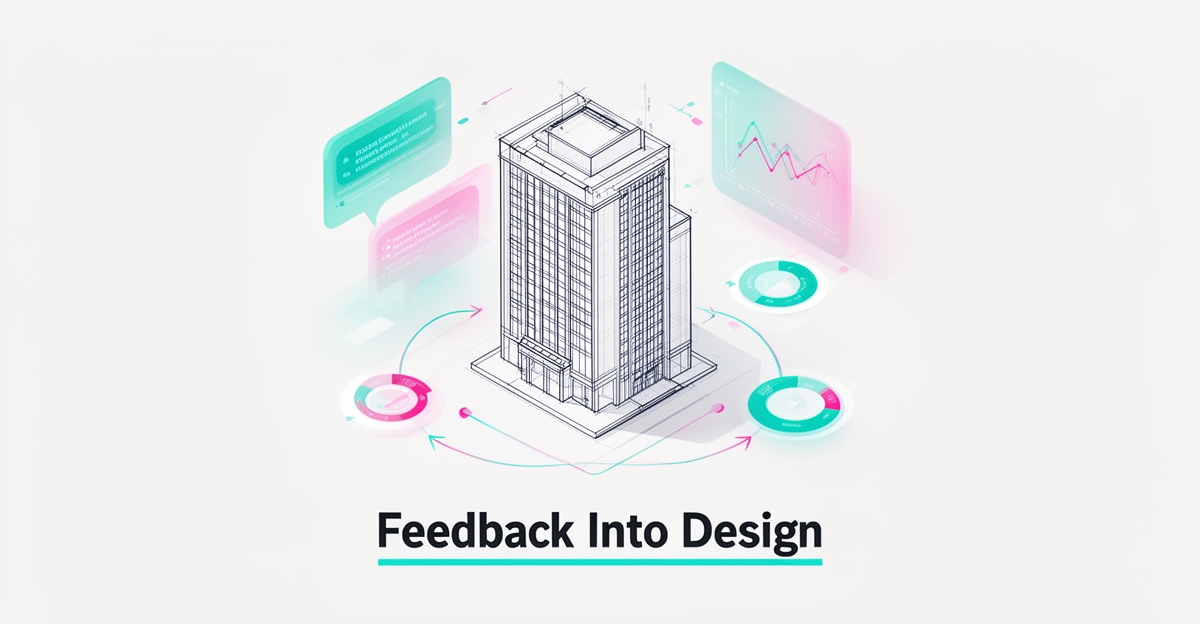
AI-Driven Client Feedback Analysis: How Architects Can Improve Design Decisions Post-Completion
Key Facts
- AI agents process feedback from multiple sources, eliminating information silos caused by manual triage.
- Natural Language Processing analyzes qualitative sentiment rather than relying solely on quantitative satisfaction scores.
- AI creates context-aware drafts using deep project history, increasing response rates compared to generic requests.
- A human-in-the-loop model ensures AI drafts are reviewed for accuracy and empathetic tone before sending.
- AI feedback systems function as living tools that utilize continuous learning algorithms to refine analysis over time.
- AI categorizes feedback by type, such as clarity, technical execution, or creative preference, for actionable insights.
- AIQ Labs offers a True Ownership Model where clients own the code, avoiding vendor lock-in entirely.
What if you could hire a team member that works 24/7 for $599/month?
AI Receptionists, SDRs, Dispatchers, and 99+ roles. Fully trained. Fully managed. Zero sick days.
The Hidden Cost of Post-Completion Silence
When an architectural project hands over, the conversation often stops. This silence creates information silos where valuable client insights disappear into spreadsheets or forgotten emails. Architects lose critical data on why certain design choices succeeded or failed because manual feedback triage is too slow and inefficient to capture.
Without a systematic approach to post-completion analysis, firms repeat the same mistakes. They miss opportunities to refine their material selections and communication styles based on actual user experience. This reactive posture turns every new project into a guess-work scenario rather than a data-driven evolution.
Most firms rely on generic surveys sent months after project completion. By then, client memories have faded, and response rates plummet. The few responses that do arrive require hours of manual reading and categorization by exhausted project managers. This process is not just time-consuming; it is fundamentally flawed for capturing nuance.
AI-driven analysis transforms this burden into a strategic asset. Instead of relying on simple satisfaction scores, firms can utilize Natural Language Processing (NLP) to understand the qualitative depth of client sentiment. This technology allows architects to analyze the clarity of advice and overall experience across hundreds of projects simultaneously.
Key inefficiencies in traditional methods include: * Delayed Feedback: Surveys sent too late miss immediate design reactions. * Data Fragmentation: Insights are scattered across emails, calls, and notes. * Human Error: Manual categorization misses subtle patterns in client language. * Scalability Issues: Feedback analysis slows down as firm size increases.
As noted in industry discussions on AI workflows, effective systems must connect to internal project management tools to access deep project history. This context allows for factually rich analysis that generic tools simply cannot provide.
AI agents can process information from multiple sources, including post-completion surveys, reviews, and call transcripts. These agents categorize feedback by type—such as clarity, technical execution, or creative preference—and suggest revisions based on established guidelines. This creates a "living tool" that refines its analysis over time.
For architecture firms, this means identifying recurring design preferences and pain points automatically. The system doesn't just collect data; it learns from historical outcomes to predict future trends in client satisfaction. This shifts the firm from reactive problem-solving to proactive design optimization.
Implementing this requires a human-in-the-loop approach. AI drafts context-aware feedback requests and categorizes incoming data, which is then reviewed by human professionals. This ensures accuracy and maintains the empathy crucial in architectural relationships.
Architects can use these AI-generated insights to refine their services and internal workflows. By understanding exactly which materials or communication styles resonated with clients, firms can standardize their best practices. This reduces risk on future projects and enhances client trust through demonstrated expertise.
AIQ Labs helps integrate these feedback systems into existing workflows. We build custom AI agents that connect to your CRM and project management systems, creating a seamless loop of continuous improvement. This ensures that every project, regardless of size, contributes to the firm’s collective intelligence.
By eliminating the friction of manual data entry, your team can focus on design excellence rather than administrative cleanup. The result is a firm that evolves with every project, building a sustainable competitive advantage through learned experience.
From Satisfaction Scores to Design Intelligence
Stop letting valuable insights rot in static PDF surveys. Most architectural firms collect post-completion feedback but fail to extract actionable intelligence, leaving design improvements to chance rather than strategy. By leveraging Natural Language Processing (NLP), firms can transform unstructured qualitative data into a strategic asset that directly informs future projects.
Instead of relying on vague satisfaction scores, AI analyzes the nuance in client reviews, call transcripts, and survey responses. This approach identifies recurring preferences and pain points that traditional metrics miss, turning reactive problem-solving into proactive design optimization.
- Analyze unstructured data from surveys, reviews, and calls to find hidden patterns
- Identify recurring design preferences that drive client satisfaction and loyalty
- Pinpoint specific pain points in materials, communication, or project management
- Create continuous improvement loops that refine services for every new bid
As noted in industry research, shifting from quantitative ratings to qualitative analysis allows firms to understand the "why" behind client reactions according to PowerPatent. This deeper understanding is critical for firms aiming to elevate their service delivery.
Manual feedback management creates information silos where valuable context is lost between departments. When feedback is emailed or stored in disparate systems, it becomes a time-consuming triage task rather than a source of innovation. AI agents eliminate this bottleneck by processing information from multiple sources simultaneously.
These intelligent systems categorize feedback by type—such as clarity of advice, technical execution, or creative alignment—and suggest revisions based on established agency guidelines. This automation transforms feedback from an administrative burden into a strategic resource that drives business growth.
- Eliminate information silos by centralizing feedback from all client touchpoints
- Automate categorization of feedback into actionable design and operational insights
- Reduce manual triage time allowing architects to focus on creative work
- Enable proactive collaboration by identifying issues before they escalate
Effective feedback systems must connect to internal tools like CRM and project management software to access deep project history. This allows AI to draft factually rich, context-aware messages that are more likely to receive a response than generic requests as reported by Revo.ai.
Successful AI feedback systems are not static deployments but "living tools" that utilize continuous learning algorithms. These systems refine their analysis over time, adapting to evolving client expectations and industry nuances. For architecture firms, this means the AI becomes smarter with every completed project, identifying subtle trends in material preferences or communication styles.
By integrating these insights into the design phase, firms can refine their services and materials proactively. This creates a continuous improvement loop where past performance directly influences future success, ensuring that every new project benefits from the collective wisdom of previous engagements.
- Utilize continuous learning to adapt AI models to evolving client expectations
- Refine service offerings based on data-driven insights from completed projects
- Optimize material selections by identifying which options receive the highest praise
- Enhance communication styles by analyzing which approaches yield the best outcomes
This iterative approach ensures that the firm remains agile and responsive to market demands. As highlighted in research on automated feedback collection, these systems allow agencies to shift from reactive chasing to proactive guidance according to LaunchLemonade.
AIQ Labs helps integrate these feedback systems into your existing workflow to create a seamless, data-driven design process. We build custom, production-ready AI agents that connect your internal project management systems with external communication channels. This ensures that every piece of client feedback is captured, analyzed, and acted upon without adding administrative overhead to your team.
Our True Ownership Model means you own the code and the data, avoiding vendor lock-in while gaining full control over your strategic intelligence. We don't just provide a chatbot; we architect a system that evolves with your firm, turning every client interaction into a stepping stone for superior design decisions.
- Custom AI agents trained specifically on architectural project data and client interactions
- Seamless integration with existing CRM and project management tools for holistic data
- Human-in-the-loop workflows ensuring AI drafts are reviewed for accuracy and empathy
- Continuous optimization to ensure the system improves with every completed project
By partnering with AIQ Labs, you transform post-completion feedback from a historical record into a forward-looking competitive advantage. This strategic shift enables your firm to deliver designs that are not only aesthetically pleasing but perfectly aligned with client desires and operational realities.
The Human-in-the-Loop Implementation Model
Relying solely on automated AI responses risks stripping the empathetic touch that defines high-end architectural service. While AI can process vast amounts of post-completion data, it lacks the nuanced understanding of client emotions and project history required for true relationship management. Therefore, the most effective strategy combines context-aware AI drafting with mandatory human review to ensure accuracy and personalization.
This hybrid approach transforms feedback collection from a generic administrative task into a strategic relationship-building exercise. By letting AI handle the heavy lifting of data synthesis, architects can focus on the final, critical step: adding the human voice that reassures clients their specific design concerns were heard.
Generic feedback requests often go unanswered because they feel impersonal and disconnected from the unique journey of the project. AI agents can solve this by ingesting internal project data, including specific material choices, design challenges, and meeting notes, to create highly relevant outreach.
Instead of sending a standard survey, the AI drafts a personalized message that references the client’s specific interactions. For example, it might ask, "How has the natural light in the south-facing atrium, which we discussed in March, impacted your daily workflow?" This level of detail significantly increases response rates and yields more actionable insights.
- Deep Integration: Connect AI to CRM and project management tools to access full project history.
- Specific Referencing: Draft questions that mention specific design elements or materials used.
- Tone Matching: Adjust the language to match the firm’s established brand voice and client relationship style.
- Smart Timing: Schedule drafts for delivery based on optimal engagement windows identified by data.
AI drafts provide the foundation, but human architects must provide the finish. This step ensures that the generated content is not just factually correct, but also emotionally intelligent and strategically aligned with current business goals.
Reviewing AI drafts allows architects to catch potential misunderstandings, add personal anecdotes, or adjust the tone if a client is known to be particularly sensitive about certain aspects of their build. This review process acts as a quality control layer, preventing the "robotic" feel that can damage client trust. Furthermore, it reinforces the value of the architect-client relationship by showing that real people are still behind the service.
- Fact-Checking: Verify that AI-generated references to project timelines or materials are accurate.
- Empathy Adjustment: Soften language if the client experienced significant stress during construction.
- Strategic Alignment: Ensure the feedback request aligns with current firm goals, such as promoting a new material line.
- Personal Touch: Add a brief handwritten note or specific memory to the digital draft.
When implemented correctly, this human-in-the-loop model creates a living feedback system that evolves with your firm. The AI doesn’t just collect data; it learns from the human edits and the resulting client responses to refine future drafts and analysis.
This iterative process allows firms to identify recurring design preferences and pain points with greater precision. Over time, the AI becomes better at predicting which types of feedback requests will yield the most valuable insights for specific project types, such as residential renovations versus commercial builds.
- Pattern Recognition: Identify recurring themes in client complaints or praises across multiple projects.
- Design Refinement: Use aggregated insights to adjust material selections or communication styles.
- Operational Efficiency: Reduce the time spent on manual data entry and initial survey drafting.
- Proactive Adjustments: Address common client frustrations before they impact new bids or proposals.
By integrating this model, AIQ Labs helps architecture firms move from reactive problem-solving to proactive design optimization, ensuring that every project builds stronger client relationships for the next.
Building the Continuous Improvement Loop
Most architectural firms treat post-completion analysis as a formality, letting valuable client insights disappear into email inboxes and archived project folders. This reactive approach prevents firms from learning which design choices truly resonate with their clients over time. By integrating AI agents with internal systems, firms transform this data into "living tools" that adapt and improve continuously.
Instead of static reports, these AI-driven systems create a dynamic feedback loop. They connect post-completion surveys, review platforms, and call transcripts directly to project management workflows. This integration allows firms to proactively adjust design strategies rather than merely documenting past mistakes.
Manual feedback management creates information silos that hinder growth. Architects spend hours triaging qualitative data instead of focusing on high-value design work. AI agents transform this burden by processing information from multiple sources and categorizing feedback by type, such as clarity, technical performance, or aesthetic preference.
This shift moves communication from reactive problem-solving to proactive collaboration. Firms can identify recurring design preferences and pain points before they become systemic issues. The result is a service model that refines materials, communication styles, and spatial planning based on real-world usage.
Key benefits of this automated loop include: * Eliminating Manual Triage: AI categorizes feedback by type automatically, saving hours of administrative work. * Identifying Recurring Patterns: Systems detect subtle trends in client satisfaction across multiple projects. * Refining Service Offerings: Data-driven insights allow firms to adjust material selections and design philosophies.
Successful AI feedback systems are not static deployments; they utilize continuous learning algorithms to refine their analysis over time. These systems adapt to evolving client expectations and industry nuances, ensuring the insights remain relevant as market tastes shift.
To achieve this, AI must connect to internal systems like CRM and project management tools to access deep project history. This allows for context-aware automation, where feedback requests and analyses reference specific materials or design choices used in a project. Such personalization significantly increases response rates and data quality.
For example, an AI agent might analyze a post-project survey and identify that clients consistently praise natural lighting but criticize acoustics in open-plan offices. This specific insight can then be fed back into the firm’s design guidelines for future residential projects.
While AI handles the heavy lifting of data processing, human expertise remains critical for empathy and strategic decision-making. Experts emphasize a "human-in-the-loop" approach where AI drafts context-aware feedback requests and categorizes incoming data, which is then reviewed by human professionals.
This synergy ensures that while AI identifies patterns, architects apply professional judgment to interpret nuances. AI agents can draft personalized feedback requests based on project details, which the architect reviews before sending. This prevents AI errors and ensures every interaction maintains the personal relationship crucial in architecture.
Essential elements of this hybrid workflow: * AI Drafting: Agents create factually rich, personalized messages based on project history. * Human Review: Architects verify accuracy and tone before client communication. * Strategic Application: Design teams use synthesized insights to refine future blueprints.
Architectural projects involve sensitive client data and proprietary designs, making security a top priority. AI systems must comply with high security standards to protect this intellectual property and personal information. Robust data governance ensures that feedback analysis does not compromise client trust.
Furthermore, ethical transparency fosters stronger client relationships. Providing clear explanations about how AI algorithms operate allows clients to feel confident in the process. When clients understand their feedback is used to improve service quality, they are more likely to engage honestly with post-completion surveys.
By building these robust, secure, and adaptive loops, firms turn every completed project into a stepping stone for future excellence. This continuous improvement cycle ensures that each new design is better informed, more responsive, and more aligned with client desires than the last.
Next Steps: Architecting Your AI Advantage
Turning raw client sentiment into strategic design intelligence requires more than just installing software; it demands a custom-built ecosystem that evolves with your firm. Most architecture firms rely on fragmented spreadsheets and manual surveys that fail to capture the nuance of the built environment.
By integrating AI-driven feedback loops directly into your project management workflows, you transform post-completion data into a continuous improvement loop for your design philosophy. This approach allows you to identify recurring material preferences and spatial pain points before they become costly errors in future bids.
Current manual processes create information silos where valuable client context is lost after the final walkthrough. AI agents can ingest this unstructured data from surveys, reviews, and call transcripts to reveal hidden patterns in client satisfaction.
- Identify Recurring Preferences: Detect consistent praise for specific lighting or material choices across multiple residential projects.
- Pinpoint Design Pain Points: Isolate common complaints regarding communal space layouts or acoustic performance in commercial builds.
- Refine Vendor Selection: Correlate client satisfaction scores with specific contractor or supplier performance metrics.
- Enhance Communication Styles: Analyze which update frequencies and formats keep clients most engaged during construction phases.
According to industry analysis on automated feedback collection, effective systems move beyond simple satisfaction scores to analyze the qualitative aspects of client interactions as detailed by PowerPatent. This depth of analysis allows firms to understand not just what clients liked, but why certain design decisions resonated emotionally or functionally.
Unlike vendors who resell white-label chatbots that lock you into monthly subscriptions, AIQ Labs architects systems that your firm owns outright. This True Ownership Model ensures your proprietary design insights and client data remain your exclusive competitive asset.
We build production-ready systems using advanced frameworks like LangGraph, ensuring your AI agents can handle complex reasoning and multi-step workflows. This is not a simple auto-responder; it is a dedicated AI Employee trained specifically on your firm’s design standards and historical project data.
- No Vendor Lock-In: You retain full intellectual property rights and code ownership.
- Custom Integration: Systems connect directly to your existing CRM and project management tools.
- Scalable Architecture: Solutions grow with your firm, from boutique studios to large-scale practices.
- Engineering Excellence: We deliver robust, tested code rather than fragile no-code prototypes.
As reported by LaunchLemonade, AI agents can effectively handle feedback loops by categorizing data and suggesting revisions based on predefined guidelines. AIQ Labs applies this rigor to architecture, ensuring that every insight is contextualized within the specific constraints and goals of each project type.
While AI processes vast amounts of data, the final design decisions remain firmly in human hands. Our approach utilizes a Human-in-the-Loop workflow where AI drafts context-aware feedback requests and synthesizes trends, which are then reviewed by your lead architects.
This synergy ensures that technical analysis augments, rather than replaces, your professional expertise. AI handles the heavy lifting of pattern recognition, freeing your team to focus on creative innovation and client relationships.
- Personalized Outreach: AI drafts feedback requests referencing specific project details, increasing response rates.
- Context-Aware Analysis: Systems understand the difference between a structural comment and an aesthetic preference.
- Ethical Transparency: Clear protocols ensure clients understand how their feedback contributes to future design excellence.
- Continuous Learning: The system refines its understanding of your firm’s unique voice over time.
Research from Revo.ai highlights that context-aware automation prevents the bottlenecks caused by generic, manual follow-ups. By automating the collection and initial categorization of feedback, your firm can respond to client concerns faster and more accurately.
The transition from reactive problem-solving to proactive design optimization begins with a single, critical workflow. Whether you start with a targeted AI Workflow Fix or a comprehensive transformation, the goal is the same: to build a sustainable competitive advantage through data-driven design.
AIQ Labs is ready to help you architect this future, turning every completed project into a blueprint for the next.
Still paying for 10+ software subscriptions that don't talk to each other?
We build custom AI systems you own. No vendor lock-in. Full control. Starting at $2,000.
Frequently Asked Questions
How can AI actually help my architecture firm improve future designs instead of just collecting surveys?
Will using AI for feedback make my client interactions feel robotic or impersonal?
Does the system just use simple satisfaction scores, or does it dig deeper into the client experience?
How do I ensure my proprietary design data and client information stay secure with this AI?
Can this AI system integrate with the project management tools we already use?
Is this a one-time setup, or does the AI get smarter over time?
From Silent Handovers to Strategic Evolution
The transition from project handover to completion should not mark the end of the conversation, but the beginning of a continuous improvement loop. By replacing manual, fragmented feedback methods with AI-driven analysis, architecture firms can transform post-completion silence into a strategic asset. Leveraging Natural Language Processing allows firms to uncover nuanced client sentiments, identify recurring design preferences, and pinpoint operational pain points across their entire portfolio. This data enables smarter decisions regarding materials, communication styles, and service refinement, turning every project into a stepping stone for future success. At AIQ Labs, we help architecture firms integrate these feedback systems directly into their workflows, creating a unified, owned digital asset that drives long-term competitive advantage. Don’t let valuable insights disappear into forgotten emails. Schedule a free AI Audit & Strategy Session with AIQ Labs today to discover how we can architect your competitive advantage through custom-built, production-ready AI solutions.
Ready to make AI your competitive advantage—not just another tool?
Strategic consulting + implementation + ongoing optimization. One partner. Complete AI transformation.