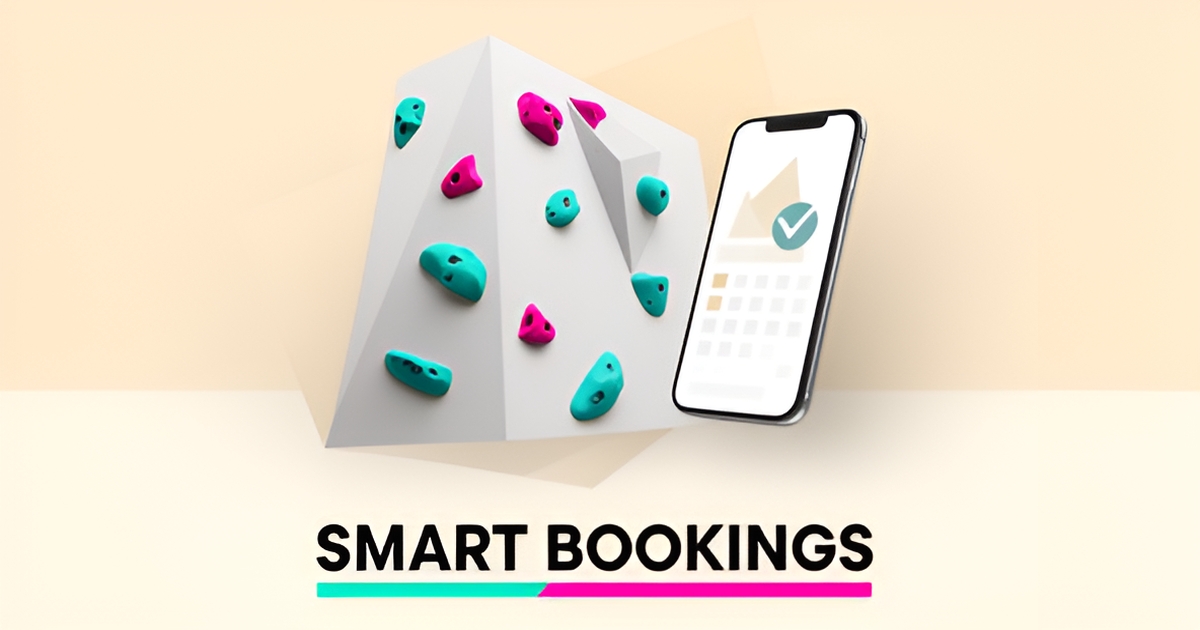
AI for Booking and Cancellation Management: A Smart Solution for Climbing Gyms
Key Facts
- Industry analyses of scheduling methods typically peg manual booking costs at $5 to $15 per reservation in staff time and errors.
- AI scheduling with adaptive reminders has been credited with cutting no-shows by up to 60% in scheduling-industry research.
- Multi-step online booking forms commonly see 40–60% of users abandon before completing a reservation.
- AI scheduling can drop the cost per booking to roughly $0.05–$0.25, compared with $5–$15 for manual handling.
- Hospitality venues using AI booking assistants have reported 30–50% fewer reservation errors.
- The online appointment scheduling market is projected to keep growing through the late 2020s as automation becomes standard.
Hire a team member that works 24/7 — for less than a part-time wage.
AI receptionists, SDRs, dispatchers and 99+ roles. Trained on your business, fully managed.
Not sure where to start? Ask our AI planner
The Hidden Cost of Manual Booking in Climbing Gyms
It's 7:00 a.m. on a Tuesday, and the front desk phone is already ringing. A member needs to cancel a spot in the 6:00 p.m. bouldering class, but staff won't be in for another hour. By the time someone updates the spreadsheet, three other members who wanted that spot have already made other plans. This isn't a rare bad morning; it's the daily reality of running a climbing gym on manual booking.
The most immediate cost is staff time. Every phone call, email, and walk-in request to book, cancel, or reschedule a class requires a human to stop what they're doing and manually update a calendar or spreadsheet. This constant context-switching pulls coaches and front-desk staff away from higher-value work like member engagement and safety checks. Industry analyses of scheduling methods typically put the cost per manual booking at $5 to $15 once you count staff time and error correction — a figure that adds up quickly across hundreds of weekly class reservations.
Manual systems are also breeding grounds for errors. A missed email, a misheard phone call, or a simple typo can lead to double-bookings for a popular class or a private coaching session. This not only creates a frustrating member experience but also puts staff in the awkward position of resolving conflicts on the spot. These aren't minor inconveniences; they are direct hits to your gym's professionalism and member retention.
The financial drain extends beyond administrative overhead. Manual processes struggle to combat two major revenue killers: no-shows and unfilled spots. Scheduling-industry research suggests automated, adaptive reminder systems can reduce no-shows by up to 60% — something a manual reminder chain rarely achieves. When a cancellation does happen, the delay in manually updating the roster means the spot often goes unfilled, representing lost revenue. The core operational pains include:
- High error rates: Human error leads to double-bookings, incorrect class rosters, and frustrated members.
- Wasted staff hours: Coaches and front-desk staff spend significant time on repetitive scheduling tasks instead of member-facing activities.
- Revenue leakage: Last-minute cancellations result in empty spots that can't be filled in time, and no-shows directly impact class profitability.
- Poor member experience: Members face friction, delays, and uncertainty when trying to manage their bookings outside of staffed hours.
Even gyms that have moved to basic online booking links haven't solved the problem. While better than a purely manual system, these tools are passive and often suffer from high abandonment rates. Reports on scheduling technology commonly find that multi-step online forms lose 40–60% of users before the booking completes. The system can't answer a question, offer an alternative time, or proactively manage a waitlist. It simply presents a static form, leaving the member to do all the work.
Ultimately, manual booking creates a constant state of operational friction. It forces your team to be reactive administrators instead of proactive community builders. The hidden costs aren't just measured in dollars per booking, but in missed opportunities, staff burnout, and a member experience that falls short of the dynamic, energetic environment you work so hard to create on the climbing walls.
How AI Booking Agents Transform Reservation Management
Manual calendars and phone calls can't keep up with peak-hour demand at a climbing gym. AI booking agents close that gap by turning reservation management into a 24/7 conversational workflow that updates availability and notifies members instantly.
The shift moves gyms from reactive scheduling to proactive control. Manual scheduling offers a personal touch but is limited by staff availability and prone to double-bookings. Basic online booking links add 24/7 self-service but suffer from form fatigue and high abandonment. AI-powered scheduling combines the personal touch with efficiency and adds intelligence on top, actively managing calendars across web, phone, text, and social media.
A gym-focused AI booking agent connects directly to class management software to verify capacity, route availability, and check instructor schedules in real time. Instead of rigid forms, it uses natural language to clarify requests, offer alternatives when a class is full, and personalize interactions using member history. This is the core idea behind modern AI scheduling: the personal touch of a good front-desk conversation, available at 2 a.m. on a Sunday.
Core capabilities that transform day-to-day operations include:
- Real-time availability checks and dynamic updates for classes, walls, and private coaching
- Intelligent conversation flows that handle clarifications, alternatives, and waitlist placement
- Automated confirmations, reminders, and proactive cancellation management with instant waitlist backfill
- Payment and deposit collection to reduce last-minute cancellations
Automation delivers measurable operational gains. Hospitality venues using AI-driven booking assistants have reported reductions in reservation errors of 30–50%. Scheduling research credits AI-driven reminder systems with cutting no-shows by up to 60%. Cost per booking also falls sharply — from $5–15 for manual handling to roughly $0.05–$0.25 with AI scheduling.
For climbing gyms, that means staff spend less time on the front desk and more on coaching and member experience. When a member cancels, the agent updates the roster, triggers a waitlist notification, and confirms the new booking without human intervention. This is exactly the kind of always-on operational role AIQ Labs handles through its AI Employees — managed AI staff that cover booking, reception, and dispatch roles around the clock, typically at a fraction of the cost of an additional hire.
The result is a frictionless member experience and better revenue capture. Members book, modify, or cancel via their preferred channel without waiting on hold. The system fills gaps by promoting off-peak times and prioritizing high-value bookings like private sessions. Data captured on peak times, popular classes, and cancellation patterns informs staffing and programming decisions.
The framing that matters: traditional scheduling manages time, while AI booking manages outcomes. For gyms navigating fluctuating demand, that adaptive intelligence is the difference between empty mats and a fully utilized schedule.
Implementing AI Booking: A Practical Roadmap for Gyms
Implementing an AI booking system transforms how climbing gyms manage reservations by replacing manual processes with intelligent automation that works around the clock. The first step is defining clear booking logic — outlining class schedules, capacity limits, instructor availability, and cancellation policies — so the AI agent understands the gym's operational rules from day one. This foundational work ensures the system can handle everything from routine bookings to last-minute changes without human intervention. With cost per booking dropping from $5–15 for manual methods to roughly $0.05–$0.25 with AI, the math favours automation for any gym booking classes at volume.
Next, gyms should connect the AI agent to their existing tools — scheduling software, CRM platforms, and payment gateways like Stripe or Square — enabling real-time updates to class rosters and automated payment processing for deposits or fees. Designing intuitive conversation flows is critical: mapping dialogues for booking, canceling, and rescheduling, with clear escalation paths to staff when needed, ensures members receive consistent, helpful service across web chat, text, or voice channels. Adaptive reminders and waitlist notifications are what protect revenue for limited-capacity sessions like private coaching and popular group climbs.
Before full launch, running a pilot with a small group of members lets gyms refine the AI's responses, fix integration issues, and validate the experience in a low-risk setting. Staff training follows, focused on monitoring the dashboard, handling escalations, and acting on insights like peak booking times or cancellation trends. AIQ Labs approaches this the same way it approaches any workflow build: rebuild the one workflow that costs you the most, in fixed-price phases, so you see results early and own the system outright. If booking and cancellation management is that workflow for your gym, start with the two-minute Fit Check to see whether an AI booking agent is the right first build.
Still paying for 10+ subscriptions that don’t talk to each other?
We build custom AI systems you own outright. No vendor lock-in. Full control.
Not sure where to start? Ask our AI planner
Frequently Asked Questions
How much can an AI booking system reduce no-shows for climbing gym classes?
Will switching to an AI booking system require my staff to learn complicated new software?
How does an AI booking agent handle last-minute cancellations to avoid lost revenue?
Is it true that online booking links have high abandonment rates, and how does AI improve on that?
What cost savings can a climbing gym expect per booking with AI compared to manual methods?
Can an AI booking system integrate with our existing gym management software and payment tools?
Key Takeaways
From Empty Mats to Full Rosters: The AI Advantage. Manual booking isn't just an administrative headache — it's a revenue leak that costs climbing gyms in wasted staff hours, no-shows, and unfilled classes. The evolution from spreadsheets to static online forms to conversational AI means gyms no longer have to choose between personal service and 24/7 availability. An AI booking agent verifies capacity in real time, backfills cancellations from the waitlist instantly, and collects deposits that discourage no-shows — while your coaches stay on the floor where they belong. If booking and cancellation management is the workflow costing your gym the most, AIQ Labs can rebuild it in fixed-price phases: start with the two-minute Fit Check at aiqlabs.ai/apply, or book a free 30-minute strategy call to map it out.
Make AI your competitive advantage — not just another tool.
Strategy, implementation and ongoing optimization. One partner, end to end.
Not sure where to start? Ask our AI planner