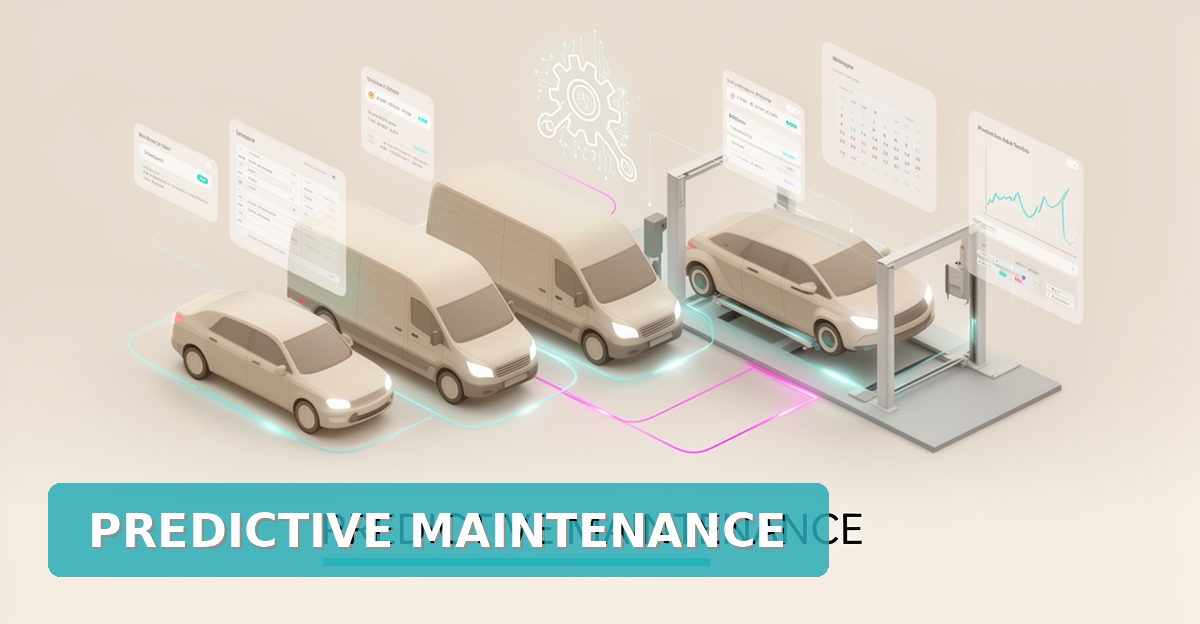
AI for Fleet Maintenance & Service Booking: How Dealerships Can Automate Work Orders
Key Facts
- Industry analyses consistently find that a large majority of fleets still rely on manual tracking, missing critical maintenance intervals in the process
- Unplanned vehicle downtime is widely estimated to cost thousands of dollars per day, and emergency repairs typically run several times higher than planned preventive maintenance
- Predictive maintenance, when trained on actual fleet operations, is typically credited with meaningful reductions in unplanned downtime
- Organizations using automated work order systems tend to achieve far higher preventive maintenance compliance than fleets operating reactively
- AI-driven automation typically pays back within the first one to two years as predictive models mature with fleet-specific data
- Preventive maintenance remains a top operational priority for most fleet operators heading into late 2026
Hire a team member that works 24/7 — for less than a part-time wage.
AI receptionists, SDRs, dispatchers and 99+ roles. Trained on your business, fully managed.
Not sure where to start? Ask our AI planner
The Downtime Cost Crisis Dealerships Can’t Track Manually
Manual maintenance tracking creates a silent crisis that most dealerships can't see until it's too late. Industry research consistently finds that the majority of fleets still rely on manual methods like spreadsheets or paper logs, causing them to miss critical maintenance intervals. This isn't just an inconvenience—it's a financial drain where unplanned vehicle downtime can cost thousands of dollars per day, and emergency repairs typically run several times more expensive than planned preventive maintenance.
The true cost of reactive maintenance compounds quickly when technicians scramble to fix breakdowns instead of following scheduled service plans. Fleet operators know preventive maintenance is essential—most rank it as their top operational priority—yet manual systems make consistent execution nearly impossible. Without real-time visibility into service histories or automated reminders, dealerships operate in a cycle of missed intervals, unexpected failures, and rushed repairs that inflate costs and disrupt operations.
This gap between intention and execution is exactly why AI-driven fleet tools have become one of the fastest-growing categories in dealership operations. AIQ Labs helps dealerships bridge this divide by building custom AI systems that automate work order creation, track maintenance history with precision, and send intelligent service reminders—turning preventive maintenance from an aspiration into a reliable, automated workflow. For dealerships that want to start small, a single managed AI Employee can handle service coordination before expanding into full workflow automation.
- Most fleets still use manual tracking, missing maintenance intervals regularly
- Unplanned downtime can cost thousands of dollars per vehicle per day
- Emergency repairs typically cost several times more than planned PM
- Preventive maintenance remains the #1 operational priority for most fleet operators
How AI Moves Fleet Service From Reactive to Predictive
The transition from reactive to predictive fleet maintenance isn't just an operational upgrade—it's a fundamental shift in how dealerships manage vehicle readiness. By leveraging AI to analyze telematics, sensor data, and maintenance history, dealerships can anticipate failures before they occur, transforming service from emergency responses to scheduled interventions. This proactive approach directly addresses the costly cycle of unplanned breakdowns that disrupt operations and inflate expenses.
AI-powered predictive maintenance delivers measurable impact across key performance areas. Dealerships implementing these systems typically see a significant reduction in unplanned downtime, as AI identifies wear patterns and impending failures through continuous data analysis. Optimized maintenance scheduling and fewer emergency repairs also drive a meaningful decrease in total maintenance costs, shifting spending from reactive fixes to planned, efficient service. These improvements compound through faster diagnostics, which cut technician troubleshooting time by rapidly pinpointing root causes from fault codes and sensor trends.
Beyond direct maintenance savings, AI streamlines the entire service workflow ecosystem. Automated work order creation triggered by predictive alerts eliminates manual scheduling delays, while optimized parts inventory—guided by failure forecasts—reduces carrying costs through just-in-time ordering. This integration cuts administrative overhead substantially, freeing staff from paperwork to focus on higher-value tasks like customer communication and complex repairs. The cumulative effect is a return on investment that typically materializes within 12-24 months, as predictive models mature with fleet-specific data and prevent costly emergency interventions.
- Predictive maintenance models analyze engine hours, fault codes, and vibration data to forecast component wear
- Automated diagnostics correlate sensor patterns with historical repair logs for faster fault isolation
- Dynamic parts inventory adjusts reorder points based on predicted failure timelines and lead times
- Telematics-triggered work orders populate service details automatically, reducing manual entry errors
- Continuous learning refines prediction accuracy as more failure and repair data accumulates
For dealerships, this shift means service bays operate with predictable throughput instead of chaotic emergency influxes. Technicians spend less time diagnosing intermittent issues and more time performing value-added maintenance, while parts managers avoid both stockouts and overstock situations. The result is a self-reinforcing cycle: higher vehicle uptime improves customer satisfaction, which increases service retention and provides richer data for even more accurate AI predictions—ultimately turning fleet maintenance from a cost center into a strategic advantage.
Automating Service Booking and Work Orders With Custom AI Systems
Most fleets still track maintenance manually, missing critical service intervals along the way. For dealerships managing customer vehicles, loaner fleets, or service loaners, this gap between intention and execution creates a cascade of missed appointments, emergency repairs, and frustrated customers who expected their vehicles ready on time.
The solution lies in custom AI systems that integrate directly with existing fleet management software to automate the entire service workflow. Unplanned vehicle downtime can cost thousands of dollars per day, and emergency repairs typically run several times higher than planned preventive maintenance. AI-driven automation eliminates these reactive scenarios by monitoring vehicle health data, predicting service needs, and booking appointments before breakdowns occur.
Modern AI systems handle three critical functions that transform dealership service operations:
- Automated scheduling that syncs with technician availability, parts inventory, and customer preferences to book optimal service slots without human intervention
- Maintenance history tracking that aggregates data across telematics, previous work orders, and manufacturer specifications to create complete vehicle health profiles
- Intelligent reminders that notify customers based on actual vehicle condition rather than arbitrary mileage intervals, improving show rates and customer satisfaction
Organizations that implement automated work order systems tend to achieve dramatically higher preventive maintenance compliance than fleets operating reactively, where unplanned repairs carry a substantial cost premium. The technology typically pays for itself within the first one to two years as predictive models mature with fleet-specific data.
AIQ Labs builds these custom systems through three entry points that match different operational needs. AI Employees provide managed AI staff—such as a service coordinator that handles booking and reminders—at roughly 80% less cost than a human hire. Workflow Builds let dealerships rebuild the one workflow that costs the most, at a fixed price and phased so you approve each step. AI Operating Systems deliver one connected operating layer built in phases and owned outright, eliminating vendor lock-in and recurring subscription dependencies.
The transformation extends beyond simple automation. When AI handles routine scheduling and tracking, service advisors focus on customer relationships and complex problem-solving. Technicians receive vehicles with complete diagnostic histories and pre-ordered parts. Customers experience proactive communication instead of surprise breakdowns. This is how dealerships move from reactive repair shops to predictive service centers that maximize vehicle readiness and minimize lifetime ownership costs.
A Pilot-First Implementation Playbook for Dealerships
Dealerships that try to scale AI fleet maintenance overnight usually stall in the pilot phase. A focused rollout turns the promise of predictive uptime into measurable readiness without disrupting service bays.
Start by choosing one core KPI that the business already cares about — downtime, repair cost, or mean time to repair. Teams that define the metric first avoid tool sprawl and can prove value quickly. High preventive maintenance compliance is achievable with the right system, but only when the target is explicit from day one.
Run the pilot on high-value vehicles only. A subset of the fleet generates enough data to validate predictions while limiting risk. Because most fleets still use manual tracking and miss critical intervals, a clean pilot cohort makes the contrast visible fast.
Measure against a hard baseline and keep the window short. The first automated preventive maintenance work order typically arrives within days of go-live, which gives leadership an early signal before the full learning period begins.
Plan integrations before scaling. Parts catalogs, work order systems, and ERP need two-way connections so predictions become actions. AIQ Labs builds custom AI systems that integrate with existing fleet management software, enabling full automation of service workflows without replacing core tools.
Scale models with real fleet data and treat the first 3-6 months as a learning period. Predictive accuracy improves as the system ingests telematics, sensor readings, and repair history. Meaningful reductions in unplanned downtime typically follow once models are trained on actual operations.
Ensure clean data and mobile adoption from the start. Technicians live on mobile devices, and adoption rates climb quickly when the app is fast and offline-capable.
A practical pilot playbook looks like this:
- Define core KPI and pick 15-25 high-value vehicles for the pilot
- Capture baseline downtime and repair cost for 30 days
- Connect telematics and service history, then enable automated work order creation
- Validate the first automated PM work order and track compliance weekly
- Align parts purchasing and technician workflows before fleet-wide rollout
Keep the scope tight, prove the KPI, then expand. Pilot first, prove fast, scale with data is the pattern that moves dealerships from reactive repairs to predictable readiness.
Still paying for 10+ subscriptions that don’t talk to each other?
We build custom AI systems you own outright. No vendor lock-in. Full control.
Not sure where to start? Ask our AI planner
Frequently Asked Questions
How much can predictive maintenance reduce unplanned downtime for fleet operations?
What percentage of fleets still use manual tracking methods, and what are the consequences?
How much more expensive are emergency repairs compared to planned preventive maintenance?
What ROI can dealerships expect from implementing AI-driven fleet maintenance systems?
How long does it typically take to see the first automated preventive maintenance work order after implementing an AI system?
What technician adoption rate can dealerships expect when introducing AI-powered mobile tools for fleet maintenance?
From Reactive Repairs to Predictable Readiness
The math is hard to ignore: with most fleets still tracking maintenance manually and emergency repairs costing several times more than planned service, dealerships can no longer afford the spreadsheet status quo. As we've seen, the path forward isn't a risky overhaul—it's a focused pilot on 15-25 high-value vehicles, one clear KPI, and a custom AI system that automates work orders, tracks maintenance history, and sends intelligent reminders. Dealerships that follow this playbook typically see their first automated PM work order within days and substantially higher preventive maintenance compliance, with ROI following within 12-24 months. That's exactly why AIQ Labs builds systems you own outright—integrating with your existing fleet software rather than replacing it—with flexible payment models: Start Monthly, Build in Milestones, or Own It Outright. Your next step is simple: take the two-minute Fit Check at aiqlabs.ai/apply and book a free 30-minute strategy call. If there's a clear win, we'll map it. If there isn't, we'll tell you that too.
Make AI your competitive advantage — not just another tool.
Strategy, implementation and ongoing optimization. One partner, end to end.
Not sure where to start? Ask our AI planner