AI for Fleet Telematics: How to Turn Data into Actionable Insights
Key Facts
- Industry analyses report that AI-assisted telematics predicts component failures with substantially higher accuracy than traditional rule-based systems.
- Predictive models can typically flag failures weeks in advance, giving maintenance teams time to schedule repairs before a vehicle goes down.
- Fleets using predictive maintenance report significantly fewer unexpected breakdowns than those relying on fixed service schedules.
- Dynamic routing and idling alerts are commonly reported to deliver double-digit fuel-efficiency gains.
- Automated compliance monitoring reduces the manual review burden for Hours of Service and safety events.
- Most fleets evaluate payback over a 12–24 month horizon as fuel, maintenance, and insurance savings accumulate.
Hire a team member that works 24/7 — for less than a part-time wage.
AI receptionists, SDRs, dispatchers and 99+ roles. Trained on your business, fully managed.
Not sure where to start? Ask our AI planner
The Problem with Traditional Fleet Telematics: Reactive Data, Missed Opportunities
The promise of fleet telematics begins with data—engine hours, speed, location—but too often that data stays trapped in reactive reports that tell you only what already went wrong. Traditional systems excel at logging past events, yet they fail to turn raw information into foresight, leaving managers to respond to breakdowns, inefficiencies, and safety risks after the damage is done. This gap between data collection and actionable insight is where preventable costs accumulate.
Traditional telematics tells you what happened, but it doesn't explain why or predict what will happen next. As a result, fleets operate in a cycle of surprise failures and missed optimization opportunities. Rule-based systems catch only the patterns someone thought to write a rule for, which means emerging issues—early mechanical wear, creeping fuel waste, changing driver behavior—go undetected until they cause downtime. Without predictive capability, maintenance stays schedule-based rather than condition-based, leading to either unnecessary servicing or catastrophic delays—both of which inflate costs and disrupt operations.
The sheer volume of data generated by modern fleets makes this worse. A single vehicle can produce enormous amounts of information annually from sensors, GPS, and video feeds, yet traditional platforms lack the intelligence to process it in real time. This creates a paradox: fleets are drowning in data but starving for insight. Manual analysis is not only slow—it's unsustainable at scale. As fleet size grows, the inability to distinguish signal from noise means critical patterns in driver behavior, route efficiency, or mechanical wear go unnoticed until they manifest as accidents, wasted fuel, or avoidable repairs.
These limitations directly hit the bottom line. Reactive maintenance means more unexpected breakdowns and more operational downtime than condition-based approaches allow. Fuel efficiency suffers without dynamic routing or idling alerts, and compliance risk grows when Hours of Service violations or unsafe driving habits aren't caught in real time. For businesses relying on timely deliveries and asset longevity, the cost of waiting for data to become actionable isn't just inefficiency—it's a competitive disadvantage.
AIQ Labs helps bridge this gap through AI Workflow Builds that rebuild the specific telematics-driven workflow costing you the most—turning data streams into real-time, predictive insight so fleets shift from fixing problems to preventing them. Without this evolution, the full value of telematics remains unrealized, and the opportunity to operate with precision, safety, and profit slips further out of reach.
How AI Transforms Telematics: From Data Collection to Predictive Action
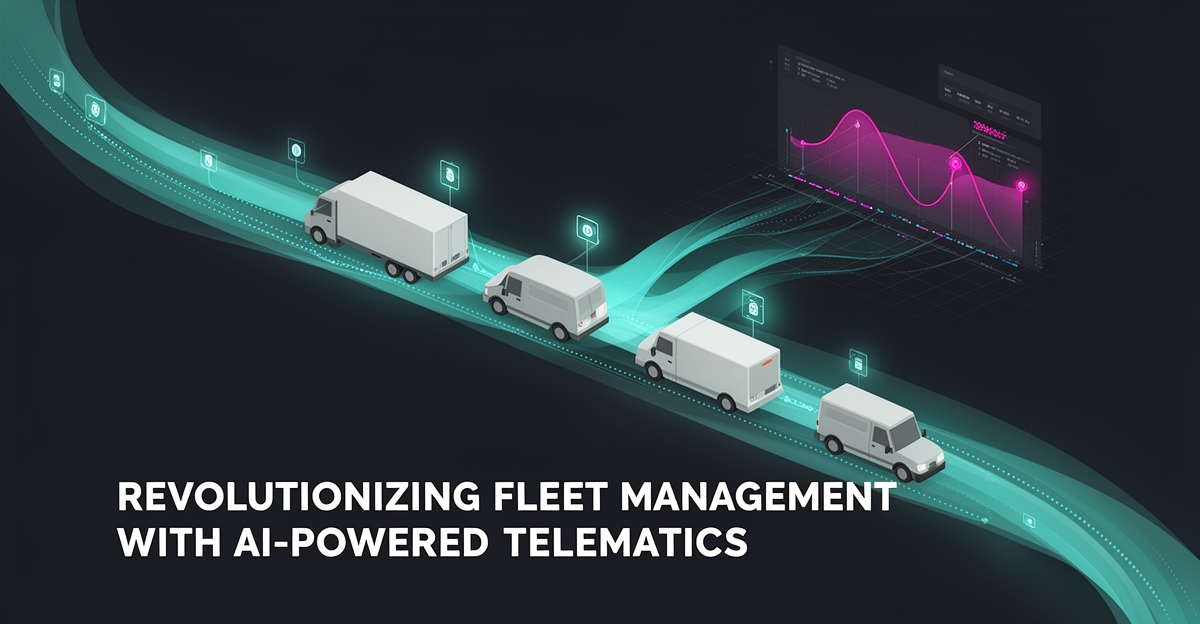
Telematics systems have long excelled at collecting data—engine hours, GPS coordinates, speed events—but raw data alone rarely changes how a fleet operates. The shift to AI-powered telematics changes the equation by turning that continuous stream into a three-step loop: collect, analyze, act. Sensors, ELDs, and cameras feed real-time information into machine-learning models that spot patterns humans miss, then surface the exact insight a dispatcher or driver needs right now. Industry guides describe this as moving from reactive reporting to proactive, predictive decision-making across the entire operation.
- Data collection: GPS units, engine diagnostics, and in-cab cameras capture driving behavior, vehicle health, and location in real time
- AI analysis: Machine-learning and computer-vision algorithms identify anomalies—fatigue cues, inefficient routes, early component wear—within seconds
- Real-time insights and automation: The system pushes coaching alerts, dynamic route changes, or maintenance work orders before a small issue becomes a costly breakdown
The payoff shows up in hard operational terms. Predictive-maintenance models can flag failures weeks in advance, letting you schedule repairs on your terms instead of the road's. Fuel optimization driven by dynamic routing and behavior scoring is commonly reported to deliver double-digit efficiency gains, while automated compliance monitoring cuts the manual oversight burden dramatically. Fleets that move from fixed service schedules to condition-based maintenance consistently report fewer unexpected breakdowns and less unplanned downtime.
At AIQ Labs we see the same pattern across industries: organizations sit on mountains of operational data but lack the analytics layer to make it actionable. Our AI Operating Systems work plugs telematics feeds into one connected operating layer—turning engine hours and location pings into live KPIs like maintenance risk scores, fuel-waste alerts, and driver-safety trends—so managers decide on evidence, not intuition. The result is a fleet that runs leaner, safer, and more predictably every single day.
Implementing AI Telematics: Practical Steps to Gain Real-Time Operational Control
Moving from raw telematics to real-time operational control starts with turning engine hours, speed, and location data into decisions before problems cost you money. AI-powered telematics shifts fleet management from reactive reporting to proactive prevention.
Start by auditing your current data flow and choosing a system built for real-time analysis, not just historical reporting. Modern AI telematics platforms collect data from sensors, GPS, ELDs, and cameras, then use machine learning and computer vision to find patterns and risks. The right setup should integrate natively with dispatch, CRM, and maintenance tools to avoid creating another silo.
Integration is where value compounds. Connect telematics to existing dispatch software, CRM, and work-order systems so alerts trigger actions automatically. That connected data layer is what enables predictive maintenance—flagging component wear weeks before failure—and reliable automated insights instead of manual review of raw reports.
Use automated insights for three core operational levers:
- Driver coaching: Real-time scoring and personalized tips reduce risky behavior without waiting for manager review.
- Dynamic routing: Routes adjust mid-shift for traffic, weather, and new deliveries to protect fuel and on-time performance.
- Compliance monitoring: Hours of Service, seatbelt use, and safety events are flagged automatically with timestamped evidence.
Fleet managers who operationalize these insights see measurable impact: fewer unexpected breakdowns, less unplanned downtime, and meaningful fuel savings through optimized operations. Monitoring and oversight costs also fall as automation replaces manual review.
Implementation works best as a phased build. Map critical workflows first, stand up a real-time analytics layer, then add automation for coaching, routing, and compliance. AIQ Labs builds these systems in phases with fixed-price milestones, and you own what's built outright—no subscriptions to systems you don't control. If you'd rather start with people than platforms, an AI dispatcher or receptionist can handle the day-to-day coordination while the analytics layer matures.
Payback typically arrives as savings accumulate in fuel, maintenance, and insurance over the first year or two of operation. The goal is not more data—it's actionable control you can act on today.
Still paying for 10+ subscriptions that don’t talk to each other?
We build custom AI systems you own outright. No vendor lock-in. Full control.
Not sure where to start? Ask our AI planner
Frequently Asked Questions
What's the difference between traditional telematics and AI-powered telematics?
How much money can AI telematics actually save my fleet?
Can AI really predict vehicle breakdowns before they happen?
Is AI telematics worth it for a small fleet, or only for large operations?
How does AI help with driver safety and compliance?
How do I get started turning my telematics data into actionable insights?
From Data Overload to Operational Clarity
The journey from reactive telematics to AI-driven insight isn't just about better technology—it's about reclaiming control over your fleet's performance. By shifting from hindsight to foresight, fleets can prevent breakdowns instead of absorbing them, capture fuel savings through dynamic routing, and gain real-time visibility into driver behavior, maintenance needs, and route performance. The fleets that move first turn terabytes of raw sensor data into clear, operational decisions while competitors keep reading last week's reports. For fleet managers ready to move beyond guesswork and into predictive control, the next step is simple: take the two-minute Fit Check, then book a free 30-minute strategy call to map your biggest bottlenecks and see where AI can unlock immediate value. No obligation—just clarity on your path forward.
Make AI your competitive advantage — not just another tool.
Strategy, implementation and ongoing optimization. One partner, end to end.
Not sure where to start? Ask our AI planner