AI for Garden Maintenance: How It Can Predict Plant Health Before Problems Arise
Key Facts
- Machine learning-enabled implantable plant biomarker sensors have shown roughly 90% accuracy in detecting plant stress in early research
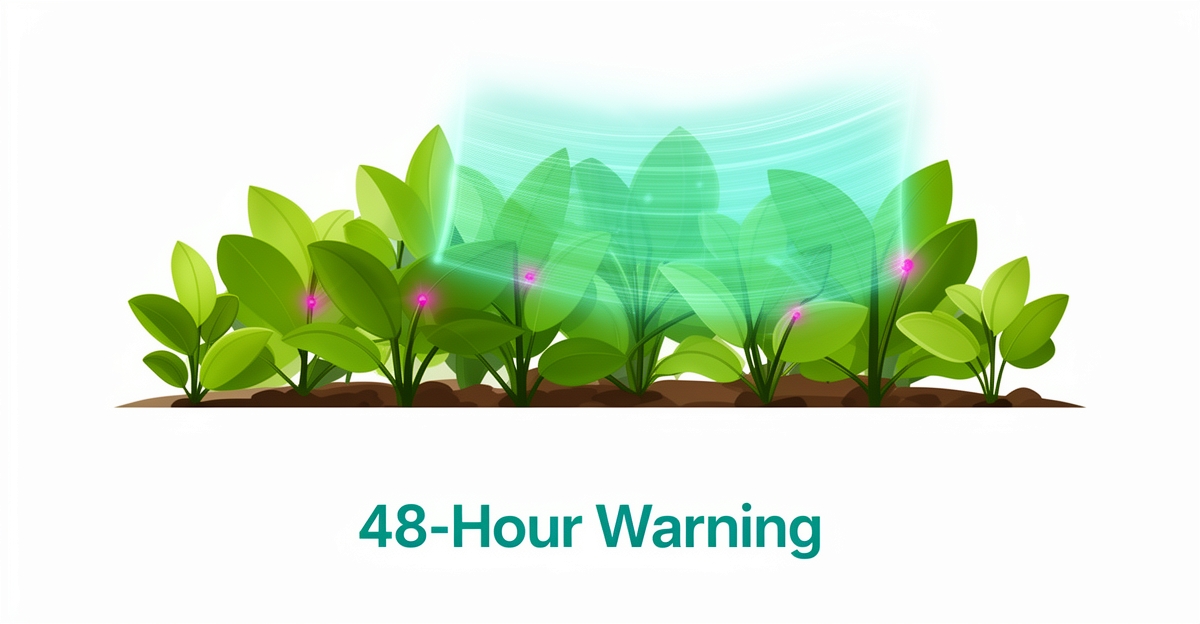
- Such sensors may provide a warning window of about 48 hours before visible plant damage appears, according to initial research findings
- AI systems analyzing historical records, weather patterns, and maintenance logs can flag emerging risks before visible symptoms manifest
- Proactive AI-driven garden management reduces water waste and prevents plant loss by enabling precise, timely interventions
- AIQ Labs builds custom AI systems that transform garden maintenance from reactive troubleshooting to proactive plant health management—start with the 2-minute Fit Check
Hire a team member that works 24/7 — for less than a part-time wage.
AI receptionists, SDRs, dispatchers and 99+ roles. Trained on your business, fully managed.
Not sure where to start? Ask our AI planner
The Hidden Cost of Reactive Garden Care
Traditional garden care often waits for visible signs of trouble before taking action, leading to preventable losses that could have been avoided with earlier intervention. This reactive approach means problems like nutrient deficiencies, pest infestations, or water stress are frequently addressed only after significant damage has already occurred, reducing plant resilience and increasing recovery costs. By the time symptoms appear, the underlying stress may have persisted for days or weeks, silently compromising growth and yield potential.
Early research on detection systems suggests plant stress can be identified up to 48 hours before visible damage emerges, offering a critical window for preventive care. Machine learning-enabled implantable plant biomarker sensors, for instance, have shown roughly 90% accuracy in detecting subtle biochemical changes tied to acid stress, salt stress, or combined stressors—long before leaves wilt or discolor. These insights allow gardeners to adjust irrigation, nutrient levels, or environmental controls proactively, minimizing the risk of irreversible harm. Without such foresight, gardens suffer avoidable setbacks that accumulate over time, undermining both aesthetic value and productivity.
The financial impact of delayed intervention in horticulture extends beyond immediate plant loss, encompassing wasted resources, labor for remediation, and lost growing opportunities. Reactive care often results in overuse of water, fertilizers, or pesticides as gardeners attempt to correct issues after they've escalated, increasing operational costs and environmental strain. In contrast, predictive analytics—powered by AI analyzing historical records, weather patterns, and maintenance logs—can flag emerging risks before they manifest visibly, enabling precise, timely adjustments. This shift from reaction to prevention not only preserves plant health but also optimizes resource use, reducing unnecessary expenditures while supporting sustainable garden management.
For businesses managing green spaces or horticultural operations, the hidden costs of reactive care—such as repeated plant replacement, extended downtime, and diminished client satisfaction—can erode profitability and reputation. AIQ Labs supports this transition through services like AI Workflow Builds, which rebuild the one workflow that costs you the most—fixed price, delivered in phases. By transforming maintenance from a corrective chore into a strategic, anticipatory practice, these tools help safeguard investments and ensure gardens thrive through changing conditions.
To explore how AI-driven insights can transform your approach to garden maintenance, start with the 2-minute Fit Check, then book a free 30-minute strategy call to assess your current practices and identify high-impact opportunities for proactive care. AIQ Labs offers tailored solutions that turn data into actionable foresight, helping you prevent problems before they begin.
How AI Detects Plant Stress Before Symptoms Appear
Plants rarely fail without warning—they fail without anyone noticing the warning. By the time leaves yellow or wilt, the underlying stress has often been building for days, quietly compromising root systems and cellular function.
Modern AI systems can, according to early research, detect plant stress with roughly 90% accuracy before visible symptoms appear, shifting garden management from reactive triage to predictive preservation.
The science hinges on machine learning-enabled implantable plant biomarker sensors (MLIPBS). These tiny devices sit inside plant tissue and read chemical signals tied to plant stress, transmitting data via Bluetooth to analysis systems.
Unlike visual inspection, these sensors identify acid stress, salt stress, and combined acid-and-salt scenarios at the molecular level. Researchers report this can provide a warning window of about 48 hours before visible damage appears—critical time for intervention.
While biomarker sensors provide the physiological baseline, true predictive power emerges when AI correlates this data with environmental context. AI-powered systems monitor soil conditions and analyze weather patterns alongside maintenance logs to build comprehensive plant health profiles.
This multi-modal analysis explains how AI achieves high accuracy rates. The algorithms don't just detect stress; they contextualize it within your garden's specific microclimate and care history.
The data sources that enable this prediction include:
- Real-time biomarker readings from implantable sensors
- Historical weather patterns and microclimate data
- Soil composition and moisture metrics
- Maintenance and irrigation logs
- Seasonal growth cycle benchmarks
Detection without action remains academic. Early-warning accuracy matters because it triggers timely interventions—adjusting irrigation before salt stress damages roots, or modifying soil pH before acid stress stunts growth.
For commercial growers and serious horticulturists, this requires integrating disparate data streams into a unified monitoring system. AIQ Labs specializes in building these intelligent data processing systems—including full AI Operating Systems—that analyze historical records, weather feeds, and maintenance logs to flag risks before they escalate.
By automating the analysis of complex agricultural documentation and sensor data, such systems transform raw information into specific care recommendations. The result is proactive garden management that preserves plant health rather than attempting rescue after decline becomes visible.
Building Proactive Garden AI Systems with AIQ Labs
AIQ Labs builds custom AI systems that transform garden maintenance from reactive troubleshooting to proactive plant health management. By integrating historical maintenance logs, weather patterns, and soil condition data, these systems identify subtle stress indicators before visible symptoms emerge. This approach enables gardeners to address potential issues like nutrient deficiencies or pest invasions during their earliest, most treatable stages.
Research suggests that machine learning-enabled implantable plant biomarker sensors can detect plant stress with roughly 90% accuracy by monitoring chemical signals tied to acid stress, salt stress, and combined scenarios—potentially providing a 48-hour warning before visible damage appears. AIQ Labs applies similar predictive principles in garden AI systems, analyzing multi-source data streams to flag risks and recommend precise interventions—turning raw data into actionable care workflows that prevent losses and optimize resource use.
These intelligent systems continuously learn from garden-specific patterns, improving prediction accuracy over time. By correlating historical maintenance actions with subsequent plant health outcomes, the AI refines its recommendations for irrigation schedules, fertilization timing, and pest control measures. This creates a feedback loop where each season's data enhances the system's ability to anticipate challenges unique to that garden's microclimate and soil composition.
- Analyzes historical maintenance logs to identify effective past interventions
- Integrates real-time weather data to predict evaporation rates and irrigation needs
- Processes soil sensor readings to detect early nutrient imbalances
- Flags deviations from normal growth patterns using visual and environmental data
- Generates customized care schedules based on plant species and local conditions
AIQ Labs develops these systems as owned assets—you own it outright, with no vendor lock-in. The technology integrates with existing irrigation controllers, soil sensors, and maintenance tracking tools through deep API connections, creating a unified operational view. This approach transforms fragmented gardening data into a cohesive intelligence system that drives consistent, proactive care decisions—reducing water waste, preventing plant loss, and maximizing garden productivity through evidence-based automation.
Still paying for 10+ subscriptions that don’t talk to each other?
We build custom AI systems you own outright. No vendor lock-in. Full control.
Not sure where to start? Ask our AI planner
Frequently Asked Questions
How does AI detect plant stress before visible symptoms appear?
What data sources does AI use to predict plant health issues in gardens?
Can AI really help reduce water waste and prevent plant loss in home gardens?
Is it true that AI gardening tools collect personal data that could be misused?
What's the financial impact of waiting until plants show visible signs of stress?
How does AIQ Labs help businesses implement AI for garden maintenance?
From Reactive Gardening to Proactive Growth: Your Next Step
This article has shown how AI transforms garden maintenance from a reactive struggle against visible damage to a proactive strategy that can detect plant stress days early using biomarker sensors and multi-source data analysis. By integrating historical logs, weather patterns, and soil metrics, intelligent systems enable precise interventions that prevent losses, optimize resource use, and sustainably protect your green space investments. For businesses managing horticultural operations, this shift reduces waste, avoids costly replacements, and enhances client satisfaction through healthier, more resilient landscapes. To explore how these predictive capabilities can be tailored to your specific garden or green space, start with the 2-minute Fit Check, then book a free 30-minute strategy call to assess your current practices and identify high-impact opportunities for proactive care.
Make AI your competitive advantage — not just another tool.
Strategy, implementation and ongoing optimization. One partner, end to end.
Not sure where to start? Ask our AI planner