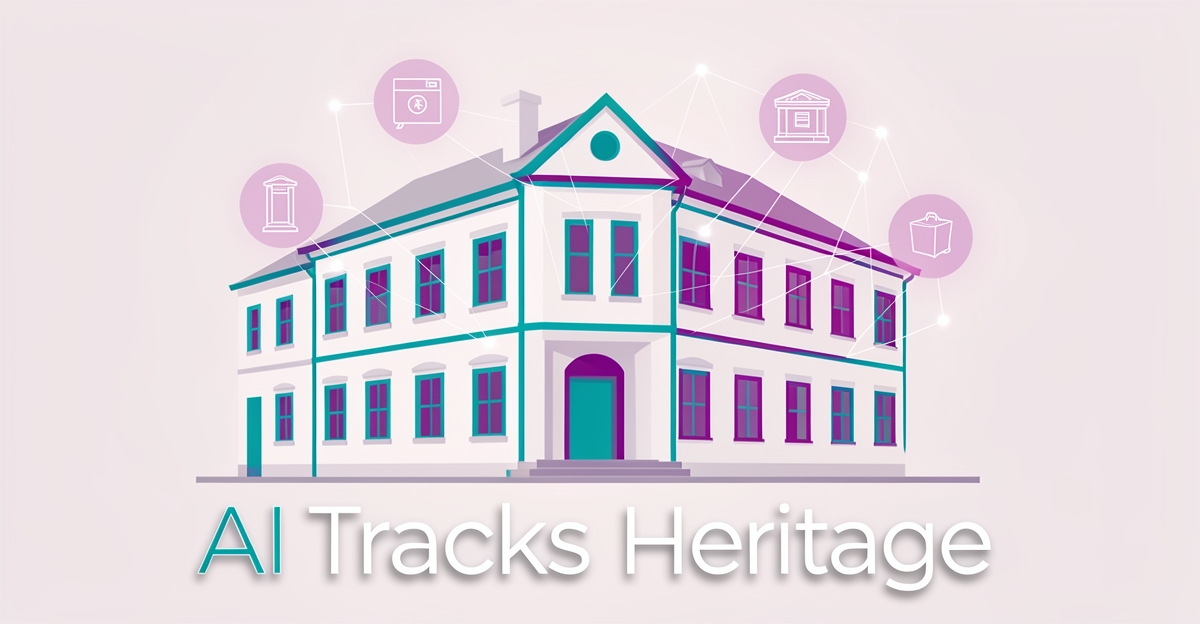
AI for Historic Property Inventories: Automating Asset Tracking Without Compromising Heritage Value
Key Facts
- AI document processing can compress analysis work that once took weeks into hours, per widely reported industry experience with AI in property sectors
- Automated document processing typically reduces manual data-entry work substantially while improving consistency and accuracy
- Custom-trained object detection can recognize era-specific millwork and masonry for heritage tracking
- AIQ Labs has deployed 200+ multi-agent systems and runs 4 live SaaS products daily—experience that carries directly into heritage-grade inventory builds
- Human-in-the-loop controls let conservators approve any ambiguous or high-stakes classification before it touches the record
Hire a team member that works 24/7 — for less than a part-time wage.
AI receptionists, SDRs, dispatchers and 99+ roles. Trained on your business, fully managed.
Not sure where to start? Ask our AI planner
The Challenge of Managing Historic Property Inventories in a Data-Driven Era
Heritage organizations today face real pressure to modernize asset tracking systems while safeguarding cultural integrity. AI has moved from a niche technology to a mainstream capability across property and facilities management—artificial intelligence now powers everything from document analysis to predictive maintenance. Yet for historic properties, the stakes extend beyond efficiency to preservation.
Manual inventory systems remain the default for many heritage organizations, but they carry significant risks. Paper-based records and spreadsheets are prone to human error, physical deterioration, and catastrophic data loss. When tracking irreplaceable artifacts, restoration materials, and architectural elements, a single misclassification or lost record can compromise decades of preservation work.
The complexity of historic properties intensifies these challenges. Unlike modern commercial buildings, historic structures contain unique materials, period-specific fixtures, and culturally significant artifacts that demand specialized documentation. Generic inventory systems lack the nuance to categorize these items properly, leading to misclassification that can result in improper handling, storage, or restoration techniques.
The risks of adopting generic AI tools are just as substantial. Standard commercial AI platforms may lack the contextual understanding to distinguish between a replaceable modern fixture and a historically significant original element. This creates compliance vulnerabilities, as heritage organizations must adhere to strict documentation standards and preservation regulations that generic tools often fail to accommodate.
- Data loss from deteriorating physical records or system failures
- Misclassification of culturally significant materials and artifacts
- Compliance failures when generic systems cannot meet heritage documentation standards
- Inability to track restoration materials with the specificity preservation requires
AIQ Labs addresses these challenges through custom AI development that prioritizes transparency and accuracy. Unlike off-the-shelf solutions, our systems are built with compliance-first architecture and human-in-the-loop controls, ensuring that preservation teams maintain oversight while gaining automation benefits.
The path forward requires balancing technological capability with cultural responsibility. Heritage organizations need AI systems that understand the difference between efficiency and expedience, between standardization and oversimplification. The opportunity exists to transform historic property management without compromising the integrity that makes these properties worth preserving.
How AI Enables Precision Tracking of Historic Assets Without Compromising Heritage Value
Cataloging a historic property means documenting thousands of materials, fixtures, and restoration items—each with its own provenance, condition, and conservation requirements. Manual inventory methods struggle to keep pace, and generic software often flattens the nuance that heritage assets demand. Purpose-built AI systems change that equation.
The foundation is intelligent document and image processing. Modern AI pipelines can extract data from diverse document types—deeds, condition reports, restoration invoices, architectural drawings—and standardize it into searchable, structured records. In property applications, AI now reads large document sets, pulls key terms, and standardizes data across portfolios, compressing work that once took analysts weeks into hours. For a preservation team, that means lease histories, conservation assessments, and material specifications become a single source of truth rather than a filing cabinet.
Visual identification adds another layer of precision. Custom-trained object detection models can be trained on a property's own imagery to recognize era-specific millwork, masonry types, or hardware, flagging items for restoration tracking with consistent classifications that human catalogers may apply inconsistently.
What separates a heritage-grade system from an off-the-shelf tool is architecture. Multi-agent frameworks assign specialized agents to distinct roles: one extracts data, one validates classifications against conservation standards, one logs every action. This matters because heritage data is sensitive and audit requirements are strict. Well-designed systems incorporate:
- Complete audit trails logging every classification and data change for compliance review
- Validation layers that check each AI action before it touches the inventory record
- Human-in-the-loop controls so conservators approve any ambiguous or high-stakes classification
- Secure credential management and access controls protecting sensitive property data
For historic properties, context is everything: a material record that ignores heritage significance is worse than none at all. AI is moving beyond surface-level features to act as a genuine decision layer—delivering context-aware analysis rather than generic outputs.
This is where custom development matters. AIQ Labs builds systems on multi-agent frameworks where specialized agents handle extraction, verification, and reporting separately, with configurable guardrails and full ownership transferred to the client—no vendor lock-in, no data leaving your control. Whether that starts with a single AI Workflow Build targeting your most costly cataloging process or grows into a full AI Operating System connecting every layer of your property data, preservation teams gain inventory precision without surrendering the security, transparency, and heritage alignment their assets require.
Implementing AI-Powered Inventory Systems for Historic Properties: A Step-by-Step Approach
Preservation teams managing historic property inventories face unique challenges in tracking materials, artifacts, and restoration items while maintaining data integrity and compliance. A structured, ownership-focused approach keeps implementation aligned with heritage preservation goals.
The process begins with discovery and architecture, where teams conduct a thorough assessment of current workflows, data sources, and technology infrastructure. This phase identifies high-value automation targets—such as manual cataloging of restoration materials or fragmented condition reporting—and maps them to AI-driven solutions. A readiness evaluation and roadmap design prioritize initiatives based on impact and feasibility, ensuring alignment with preservation standards and budget constraints. Automated document processing typically reduces manual work substantially while improving data accuracy and accessibility—critical for historic inventories where precision supports both conservation and regulatory compliance.
Next, development and integration focus on building custom AI agents and connecting them to existing tools like CRM or accounting platforms. AIQ Labs develops production-ready systems that automate data capture from images, documents, and sensor inputs, enabling real-time tracking of material provenance, condition changes, and usage history. These systems integrate with platforms like QuickBooks or property management software through API connections, creating a single source of truth without requiring disruptive rip-and-replace efforts. During this phase, security implementation and compliance verification ensure that sensitive heritage data remains protected, with audit trails and human-in-the-loop controls built into workflows.
Deployment and training follow, featuring role-specific user sessions and documentation delivery to drive adoption. Teams learn to work with AI Employees—managed agents that handle repetitive tasks like invoice processing for restoration supplies or inventory reconciliation at a fraction of the cost of additional hires—freeing staff for higher-value preservation work. Finally, ongoing optimization includes performance monitoring, feature enhancements, and scaling support as the inventory system evolves with the property's needs. AIQ Labs' flexible payment models—Start Monthly, Build in Milestones, or Own It Outright—ensure teams retain full ownership of their AI assets while scaling capabilities over time. See the pricing page for how each model works.
Still paying for 10+ subscriptions that don’t talk to each other?
We build custom AI systems you own outright. No vendor lock-in. Full control.
Not sure where to start? Ask our AI planner
Frequently Asked Questions
How does AI improve the accuracy of historic property inventories compared to manual systems?
Can AI systems be trusted to handle sensitive heritage data without risking data loss or compliance failures?
What makes AI systems for historic properties different from generic real estate AI tools?
How does AI help track restoration materials and artifacts with the specificity required for preservation work?
Is it possible to integrate AI inventory systems with existing tools like QuickBooks or property management software without disrupting current workflows?
What safeguards are in place to prevent AI from making incorrect classifications that could compromise historic assets?
Where Heritage Meets Intelligence: Building AI That Honors the Past
This article has shown that managing historic property inventories demands more than generic automation—it requires AI systems engineered for cultural sensitivity, compliance, and precision. From intelligent document processing that turns fragmented records into a single source of truth to custom-trained vision models that distinguish historically significant elements from modern replacements, purpose-built AI transforms preservation workflows without compromising integrity. The real value lies not just in efficiency gains, but in empowering heritage teams to focus on what matters most: safeguarding irreplaceable assets with confidence. AIQ Labs' approach—rooted in transparent development, human-in-the-loop controls, and full client ownership—ensures that technology serves preservation, not the other way around. For organizations ready to modernize their inventory practices while honoring legacy, the path forward begins with a conversation. Start the Fit Check—our free two-minute assessment—to explore how custom AI can strengthen your preservation mission, then book a free 30-minute strategy call to map your highest-impact opportunities.
Make AI your competitive advantage — not just another tool.
Strategy, implementation and ongoing optimization. One partner, end to end.
Not sure where to start? Ask our AI planner