## The Nighttime Blind Spot Costing Stables Downtime
Most horse owners assume their animals are safe during quiet night hours, but the reality is far more precarious. Without overnight staff, subtle signs of distress or illness often go unnoticed until they escalate into emergencies. This reactive approach leaves horses vulnerable and stables exposed to preventable crises.
Industry research consistently points to the same gap: a large share of stables operate without night staff, and a significant portion of dangerous situations occur after dark. These gaps in coverage mean critical changes in behavior, temperature, or feeding patterns can persist for hours before detection. Delayed intervention frequently leads to costly treatments, extended recovery times, and lost training or competition opportunities.
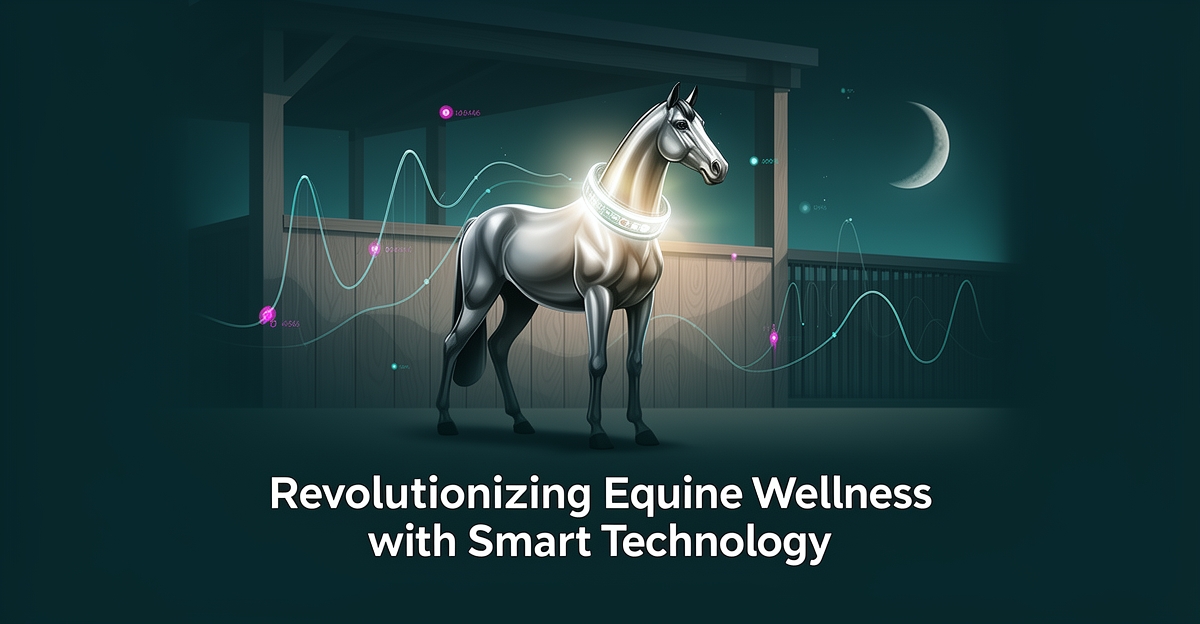
Continuous monitoring of key health indicators—such as activity levels, feeding habits, and body temperature—can reveal early warnings of fatigue or illness long before symptoms become visible. When these data streams feed into AI systems, patterns emerge that signal declining wellness, enabling preemptive care. This shift from reactive to proactive management reduces downtime and supports sustained performance.
- Unattended night hours increase the risk of undetected colic or respiratory distress
- Delayed detection often results in more invasive treatments and longer stall rest
- Fatigue-related performance drops can go unnoticed without objective data trends
- Inconsistent feeding patterns at night may indicate digestive issues or stress
- Temperature fluctuations overnight can precede infections or inflammatory conditions
AIQ Labs helps stables implement custom monitoring systems that transform passive observation into intelligent, 24/7 wellness tracking—turning vulnerability into vigilance. For operations that want to start with a single high-cost workflow, an AI Workflow Build is often the fastest entry point.
## How Wearable AI Detects Illness and Fatigue Before It's Visible
Wearable sensors are now enabling AI systems to detect illness and fatigue in horses before symptoms become visible to the human eye. By continuously monitoring activity levels, feeding patterns, and body temperature, these devices generate real-time data streams that AI algorithms analyze for subtle deviations from baseline norms. This proactive approach allows stables to intervene early, reducing the risk of severe health complications and minimizing downtime for training or competition.
Modern gait-analysis platforms can identify stride irregularities long before they are visually apparent, and wearable sensor networks are typically designed to flag health anomalies around the clock—particularly valuable overnight, when stables often lack staff. These capabilities transform reactive care into predictive wellness management.
AI-powered analysis of wearable data goes beyond simple alerts, offering actionable insights into nutrition, recovery, and performance readiness. By correlating changes in movement, appetite, and thermal regulation, the system can flag early signs of metabolic stress, infection, or overexertion—conditions that, if left unchecked, may lead to colic, laminitis, or chronic fatigue. For example, a drop in feeding frequency combined with elevated temperature might indicate the onset of infection, while altered stride symmetry could signal developing lameness. AI-assisted nutrition planning uses this same data to adjust rations dynamically, ensuring horses receive optimal nutrients based on workload and physiological state. This integration of monitoring and recommendation creates a closed-loop system where data informs care in real time.
For stables seeking to implement such systems, the technical foundation lies in seamless data fusion and adaptive modeling. Wearable sensors collect metrics like heart rate variability, step count, and lying duration, which are transmitted to cloud-based AI platforms for processing. Machine learning models trained on equine health profiles learn to distinguish normal variation from pathological trends, improving accuracy over time. AIQ Labs supports this process by building custom AI systems that ingest wearable data, apply domain-specific algorithms, and deliver intuitive dashboards for veterinarians and stable managers. These systems can be designed to trigger alerts, suggest feeding adjustments, or recommend rest periods—all grounded in objective, continuous monitoring. The result is not just earlier detection, but a more resilient, data-informed approach to equine health that aligns with modern standards of preventive care.
## From Data Streams to Predictive Well
AI Employees
Hire a team member that works 24/7 — for less than a part-time wage.
AI receptionists, SDRs, dispatchers and 99+ roles. Trained on your business, fully managed.
See If You’re a Fit — AI Employees from $700/mo
Not sure where to start? Ask our AI planner
ness Dashboards
Real-time monitoring transforms raw sensor data into actionable wellness insights through predictive analytics that identify subtle trends before they become visible issues. By continuously analyzing activity patterns, feeding behavior, and temperature fluctuations, AI systems establish baseline wellness metrics for each horse and detect deviations that signal emerging health concerns. This proactive approach enables stable managers to intervene early, often preventing minor issues from developing into serious conditions requiring extensive treatment.
AI stable management software can typically automate a large share of administrative tasks—scheduling, logging, record-keeping—freeing staff to focus on direct animal care rather than paperwork. These systems generate automated alerts when vital signs fall outside established parameters, ensuring timely responses even during overnight hours when stables often lack coverage. The predictive capabilities extend beyond immediate health concerns to forecast wellness trends over days and weeks, allowing for preventative adjustments to feeding, exercise, and stall rest.
- Continuous vital sign tracking establishes individual health baselines
- Behavioral pattern analysis detects stress and fatigue indicators
- Feeding monitoring identifies appetite changes linked to illness
- Temperature trend analysis flags early infection signs
- Activity level assessment prevents overexertion injuries
Integration with stable management platforms creates a unified operational view where health data informs scheduling, feed ordering, and veterinary coordination. Precise medication tracking reduces pharmaceutical waste and prevents unnecessary treatments by confirming wellness before administering drugs. The dashboard interface presents complex data as clear, actionable insights—highlighting horses needing attention, predicting recovery timelines, and recommending specific care adjustments based on individual response patterns.
For stables implementing these systems, the benefits extend beyond health outcomes to operational efficiency. Automated data collection eliminates manual logging errors while providing veterinarians with comprehensive historical trends during consultations. This data-driven approach supports evidence-based decision making that improves welfare through early identification of discomfort signs that might otherwise go unnoticed in busy stable environments. As AI algorithms learn from each horse's unique patterns, their predictive accuracy increases, creating progressively more valuable wellness insights over time.
## Integrating Wearable Data Into a Custom AI Health System
Stables looking to harness wearable data for smarter horse health monitoring face a clear path forward: start by identifying which metrics matter most—activity levels, feeding behavior, temperature shifts, or movement patterns—then select sensors that reliably capture that data. Because many stables lack overnight coverage, continuous monitoring becomes essential for catching issues early. Wearable devices paired with AI can analyze this stream of data to detect subtle changes that precede illness or injury, enabling intervention before problems escalate.
Once data is flowing, the next step is integrating it into a custom AI system designed for the stable's specific workflow. This involves connecting sensor outputs to a centralized platform where AI models can correlate vital signs with behavioral trends, feeding schedules, and environmental factors. AIQ Labs builds such systems using multi-agent architectures, enabling specialized agents to process different data streams—one monitoring temperature anomalies, another tracking feeding irregularities, and a third assessing movement for early lameness signs. These systems are engineered for production use, not prototypes, ensuring they scale with the stable's needs. For stables that want a full connected operating layer rather than a single build, an AI Operating System ties monitoring, scheduling, and communication together in phases you own outright.
Integration extends beyond data collection to actionable insights. The AI platform can trigger alerts when patterns deviate from baseline norms—such as a sustained drop in activity combined with elevated temperature—or generate predictive wellness scores that forecast fatigue or illness risk days in advance. AIQ Labs' custom systems are built to own: clients receive full intellectual property rights, avoiding vendor lock-in while retaining control over future updates and customization.
Stables can approach this build through flexible payment models that match their cap
AI Development
Still paying for 10+ subscriptions that don’t talk to each other?
We build custom AI systems you own outright. No vendor lock-in. Full control.
See If You’re a Fit — AI Employees from $700/mo
Not sure where to start? Ask our AI planner
acity. **Start Monthly** includes setup, training, tool integrations, and ongoing improvements for a flat fee, with the ability to pause or adjust anytime. **Build in Milestones** breaks the project into phases—such as sensor integration, baseline modeling, and alert configuration—so payment aligns with delivered value. For long-term ownership, **Own It Outright** transfers complete control of the code, agents, and data upon completion. This approach transforms raw wearable data into a proactive health management system, reducing reliance on reactive care and supporting better outcomes for horses. For those ready to explore how this fits their operation, the first step is the 2-minute Fit Check, followed by a free 30-minute strategy call to map opportunities and assess feasibility.
## Frequently Asked Questions
**How does AI actually detect illness in horses before symptoms are visible?**
Wearable sensors continuously track activity levels, feeding patterns, and body temperature, while AI algorithms analyze these data streams for subtle deviations from baseline norms. Gait-analysis systems can identify stride irregularities long before they are visually apparent, and wearable sensor networks are designed to flag health anomalies around the clock—including overnight, when stables typically lack staff.
**Why is overnight monitoring so critical for stables?**
Without overnight staff, subtle signs of distress often go unnoticed until they escalate into emergencies. Industry research consistently shows that a large share of stables operate without night coverage and that a significant portion of dangerous situations occur after dark—leaving horses vulnerable to undetected colic, respiratory distress, or temperature fluctuations that precede infections.
**What specific health metrics should I track with wearable AI sensors?**
Focus on activity levels, feeding behavior, body temperature, heart rate variability, and movement patterns like stride symmetry. These metrics reveal early warnings of fatigue, infection, or lameness—such as a drop in feeding frequency combined with elevated temperature signaling infection, or altered stride symmetry indicating developing lameness.
**Can AI really improve my stable's operational efficiency beyond just health monitoring?**
Yes—AI stable management software can typically automate a large share of administrative tasks, freeing staff to focus on direct animal care. Integrated systems also reduce pharmaceutical waste through precise medication tracking and prevent unnecessary treatments by confirming wellness before administering drugs.
**How accurate are AI predictions for lameness and other health issues?**
AI-powered lameness detection has become highly reliable as of late 2026, with modern gait-analysis platforms identifying stride irregularities well before visual symptoms appear. These systems use machine learning models trained on equine health profiles to distinguish normal variation from pathological trends, and their accuracy typically improves over time as they learn each horse's patterns.
**What's involved in integrating wearable data into a custom AI health monitoring system?**
Start by identifying which metrics matter most for your operation, then select sensors that reliably capture that data and connect them to a centralized AI platform. AIQ Labs builds custom systems using multi-agent architectures that process different data streams—monitoring temperature anomalies, tracking feeding irregularities, and assessing movement for early lameness signs—with flexible payment models including Start Monthly, Build in Milestones, or Own It Outright.
## From Data to Decisive Care: The Future of Proactive Equine Health
The evidence is clear: without continuous monitoring, stables operate with a dangerous blind spot—especially at night when many health crises emerge. By transforming wearable data into predictive wellness insights, AI systems enable early detection of illness, fatigue, and distress long before they become visible, reducing costly downtime and improving horse welfare. This shift from reactive to proactive care isn't just about technology—it's about building resilience into daily operations. For stables ready to move beyond guesswork and into data-driven wellness management, the path forward starts with understanding your specific needs. Take the first step with a free strategy call to explore how a custom AI health system can protect your horses and strengthen your operation.
AI Transformation Partner
Make AI your competitive advantage — not just another tool.
Strategy, implementation and ongoing optimization. One partner, end to end.
See If You’re a Fit — AI Employees from $700/mo
Not sure where to start? Ask our AI planner