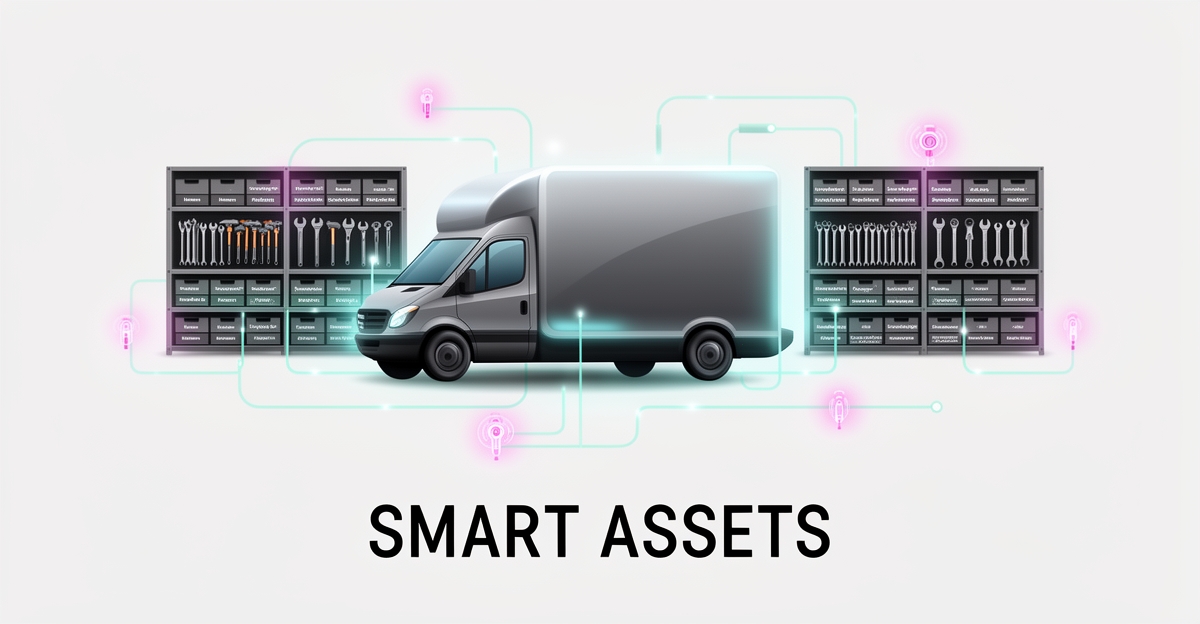
AI for Inventory & Equipment Management: Keeping Moving Trucks & Tools Organized
Key Facts
- Construction equipment theft typically costs the industry well over $1 billion a year in the US, according to widely cited industry estimates.
- Only a minority of stolen tools are ever recovered, which makes prevention far cheaper than replacement.
- Businesses with full asset visibility typically report meaningful gains in maintenance productivity and lower repair costs.
- Most companies adopting field service software report real productivity gains and business growth.
- AIQ Labs has deployed 200+ multi-agent systems and runs 4 live SaaS products daily.
Hire a team member that works 24/7 — for less than a part-time wage.
AI receptionists, SDRs, dispatchers and 99+ roles. Trained on your business, fully managed.
Not sure where to start? Ask our AI planner
The Hidden Cost of Disorganized Equipment in Service Businesses
Disorganization on job sites is expensive long before a truck is late or a tool goes missing. Service businesses live and die by asset availability, and traditional clipboards and spreadsheets hide the losses until they hit the P&L.
Construction equipment theft costs the industry well over $1 billion a year in the US according to widely cited industry estimates, and only a minority of stolen tools are ever recovered. That loss is compounded by downtime when crews arrive without the right gear, leading to rework, missed windows, and overbooking.
Poor asset tracking also drives maintenance inefficiency. Businesses with full visibility into their assets typically report meaningful gains in maintenance productivity and lower repair costs. Without real-time status, teams rely on memory and manual checks, which creates duplicate work and delays.
Traditional methods fail because they are reactive. Manual logs miss moves between jobs, equipment sits idle while another crew waits, and maintenance is scheduled by guesswork instead of usage. The result is hidden cost of disorganized equipment that shows up as lost revenue, higher insurance, and frustrated technicians.
AI inventory and equipment management changes the equation by syncing truck availability, tool usage, and maintenance schedules with logistics software. AIQ Labs designs custom inventory AI that connects to existing operations tools so asset data flows automatically across locations—often starting with one workflow rebuild that targets the most expensive process first.
Real-time visibility surfaces problems before they escalate:
- QR codes or GPS tags on trucks and major tools provide instant location awareness and flag unused or potentially missing equipment
- Usage data triggers predictive maintenance, reducing breakdowns and extending asset life
- Automated availability feeds prevent overbooking and ensure the right crew gets the right truck
- Centralized dashboards give dispatchers a single source of truth for allocation decisions
The impact is measurable. Most companies using field service software report real productivity gains, and a strong majority say the software helped their business grow. When asset status is known, turnaround times improve and crews spend time on billable work instead of searching for tools.
Moving from manual tracking to AI-powered asset control is about protecting margin and reputation. Organizations that start with clear digital transformation goals and quality data collection see faster adoption and sustained gains.
How AI-Powered Tracking Prevents Downtime and Loss
When a moving truck sits idle because nobody knows it needs maintenance, or when a critical tool vanishes from a job site, the costs cascade quickly. AI-powered tracking eliminates these blind spots by giving businesses continuous visibility into where assets are, how they're being used, and when they need attention.
The financial stakes are significant. Industry estimates put construction equipment theft at more than $1 billion annually in the US, with only a minority of stolen tools ever recovered. For service businesses operating fleets of trucks and specialized equipment, even a single missing asset can derail schedules and erode margins.
AI addresses this through layered technologies working in concert. GPS tags and QR codes attached to trucks and tools feed real-time location data into centralized systems. Computer vision automates stock counting and identifies damage during routine warehouse scans. Predictive maintenance algorithms analyze usage patterns to flag equipment before it fails, preventing costly mid-job breakdowns.
The productivity impact is real. Businesses with full visibility into their assets typically report higher maintenance productivity and lower repair costs. These gains compound when tracking systems integrate with dispatch and scheduling software, ensuring the right equipment reaches the right job at the right time.
Key capabilities that prevent downtime and loss include:
- Real-time location tracking for every truck and major tool, eliminating time wasted searching for equipment
- Automated alerts when assets sit unused for extended periods or leave designated zones unexpectedly
- Predictive maintenance scheduling based on actual usage data rather than arbitrary calendar intervals
- Instant flagging of missing items before small losses become major replacement expenses
The operational difference between reactive and proactive asset management is stark. Traditional methods rely on manual check-ins, clipboard logs, and memory—all prone to gaps and delays. AI systems monitor continuously, flag anomalies immediately, and trigger workflows automatically. When integrated with logistics platforms, they sync inventory data across multiple locations and job sites, creating a single source of truth for equipment availability.
This integration matters because downtime rarely stems from a single failure. A truck overdue for service, a missing piece of equipment, and an overbooked schedule often collide. AI tracking prevents these collisions by maintaining accurate, up-to-the-minute records of asset status and location. Dispatchers see which trucks are available, which are en route, and which are due for maintenance—without phone calls or guesswork.
AIQ Labs designs custom inventory AI systems that connect directly with existing logistics and field service software, ensuring data flows seamlessly between asset tracking, scheduling, and dispatch functions. The result is fewer equipment-related delays and faster turnaround times across the board.
For businesses managing mobile assets, the question isn't whether to adopt AI tracking—it's how quickly they can implement it before the next preventable loss occurs.
Implementing AI Inventory Systems That Sync with Your Logistics Workflow
Integrating AI inventory tracking into an existing logistics stack works best when you treat it as a workflow upgrade, not a standalone tool. The goal is real-time visibility across trucks, tools, and job sites so overbooking and downtime stop happening silently.
Start by mapping how assets currently move through CRM, scheduling, and dispatch. AI inventory systems sync with these platforms to create a single source of truth for truck availability, tool usage, and maintenance schedules. This alignment prevents double-booking and flags unused equipment before it becomes a loss. Businesses with full visibility into their assets typically report higher maintenance productivity and lower repair costs.
Data quality determines success. AI models need clean, consistent feeds from field service software, telematics, and manual check-ins. Investing in quality data collection and management ensures demand prediction and automated reordering trigger on accurate signals, not noise. Poor inputs undermine even the most advanced forecasting.
A phased rollout reduces risk and builds adoption. Start small and scale based on ROI by piloting on one fleet or depot, then expanding as value is proven. Phased implementation also gives crews time to adapt and lets integrations be validated before company-wide deployment.
Practical implementation steps include:
- Audit current systems and define clear integration points with CRM and scheduling software
- Tag trucks and major tools with QR codes or GPS tags for real-time location awareness
- Establish data validation rules and automated sync jobs between inventory and logistics platforms
- Train staff on new workflows and provide ongoing support to reduce resistance
- Measure ROI on pilot metrics like turnaround time, tool loss, and maintenance cost
Integration with ERP, CRM, and sales platforms creates seamless information flow and faster response to demand shifts. AIQ Labs designs custom inventory AI that syncs with logistics software, reducing equipment loss and improving turnaround times through owned systems that fit existing processes. For teams that need ongoing operational support rather than a one-time build, managed AI Employees can handle dispatch coordination, maintenance follow-ups, and asset reporting at a fraction of a human hire's cost.
The financial case is clear. Industry data consistently shows construction equipment theft costs the industry more than $1 billion a year in the US, with only a minority of stolen tools ever recovered. Real-time tracking and automated alerts make loss prevention proactive rather than reactive.
Adoption accelerates when teams see immediate gains. Most companies using field service software report real productivity gains, and a strong majority say the software helped their business grow. Those gains compound when AI adds predictive maintenance and intelligent reordering to the same connected stack—the kind of connected layer AIQ Labs builds through AI Operating Systems, delivered in phases and owned outright.
Scaling follows proven value. Once the pilot demonstrates reduced downtime and better asset utilization, expand the model across locations, add predictive analytics for supplier management, and layer in automated reordering. This ROI-based scaling keeps investment aligned with operational impact. You can start monthly, build in milestones, or own the system outright—see pricing for how each model works.
Still paying for 10+ subscriptions that don’t talk to each other?
We build custom AI systems you own outright. No vendor lock-in. Full control.
Not sure where to start? Ask our AI planner
Frequently Asked Questions
How much does equipment theft actually cost service businesses each year?
Can AI really reduce maintenance costs and improve productivity for my fleet?
What happens if my team resists switching from spreadsheets to AI tracking?
Do I need to replace my existing logistics software to use AI inventory tracking?
Is AI tracking only useful for large fleets, or can small service businesses benefit too?
How quickly can I see results after implementing AI inventory management?
Turn Asset Chaos into Competitive Advantage
Disorganized equipment isn't just an inconvenience—it's a silent drain on revenue, productivity, and technician morale. As we've seen, AI-powered inventory and equipment management transforms reactive chaos into proactive control by syncing real-time asset visibility with logistics workflows. The result? Fewer equipment-related delays, reduced maintenance costs, and crews spending more time on billable work instead of searching for tools. Businesses that start small, validate ROI, and scale based on proven value see faster adoption and sustained gains. If you're ready to protect your margin and reputation by eliminating preventable losses, the next step is a clear, no-obligation conversation. Start the Fit Check—a two-minute assessment—then book a free 30-minute strategy call to identify your highest-impact automation opportunities and map a strategic path forward.
Make AI your competitive advantage — not just another tool.
Strategy, implementation and ongoing optimization. One partner, end to end.
Not sure where to start? Ask our AI planner