AI for Inventory & Material Management: How Screen Printers Can Cut Waste
Key Facts
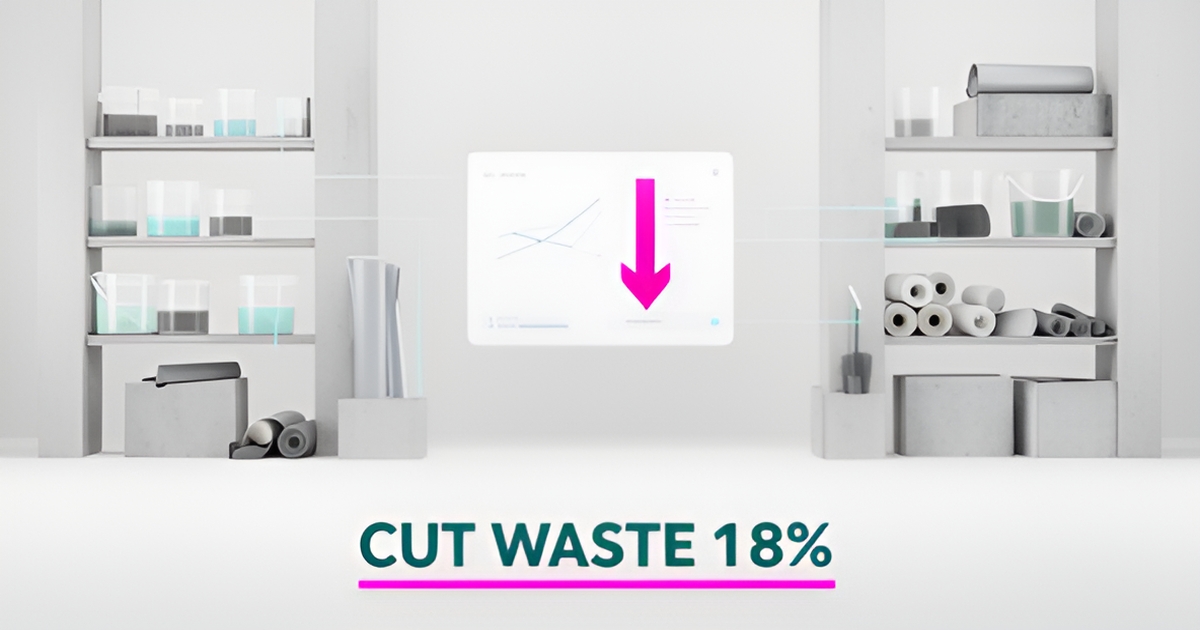
- Smart production planning through AI-driven inventory management typically reduces material waste meaningfully in manufacturing-style operations
- AI-driven inventory forecasting commonly reduces excess inventory and stockouts substantially for manufacturers that deploy it well
- Ink viscosity changes and skinning can increase waste by double digits in uncontrolled screen printing environments
- Expired photo emulsions drive up screen reclamation costs and force reprints
- Overstocking consumables ties up capital and raises carrying costs year over year
- Unexpected material shortages trigger rush shipping fees well above standard costs
- Poor inventory visibility leads to more material reorders than necessary in screen printing workflows
Hire a team member that works 24/7 — for less than a part-time wage.
AI receptionists, SDRs, dispatchers and 99+ roles. Trained on your business, fully managed.
Not sure where to start? Ask our AI planner
The Hidden Cost of Material Waste in Screen Printing
Screen printing operations face significant material waste challenges that directly erode profitability and disrupt workflow efficiency. Ink drying in open containers, film expiration due to improper storage, overstocking of consumables based on guesswork, and unexpected shortages during peak production runs create a costly cycle of inefficiency. These issues are particularly acute in screen printing where material shelf life is sensitive and production schedules fluctuate frequently. Industry research on manufacturing performance consistently shows that smart production planning driven by AI inventory management can materially reduce waste, improving margins and operational reliability.
The hidden costs extend beyond discarded materials to include labor wasted on emergency supply runs, rushed production to compensate for shortages, and quality issues from using degraded inks or expired emulsions. Printers often maintain excessive safety stock to avoid shortages, tying up capital in inventory that may degrade before use. Conversely, understocking leads to production halts that delay orders and damage customer relationships. AI systems can monitor real-time usage patterns of ink, film, and screens, forecasting needs based on actual job requirements rather than historical averages. This predictive capability allows printers to maintain optimal stock levels—reducing waste while preventing costly disruptions.
- Ink viscosity changes and skinning can add double-digit waste in uncontrolled environments
- Expired photo emulsions drive up screen reclamation costs and rework
- Overstocking consumables raises carrying costs annually for typical screen printing shops
- Unexpected material shortages trigger rush shipping fees well above standard costs
- Poor inventory visibility leads to more material reorders than necessary
AIQ Labs addresses these challenges through managed AI staff and custom builds that integrate with existing production workflows to provide real-time material tracking and intelligent replenishment recommendations. By analyzing historical usage data alongside current job queues, these systems predict material needs with precision, eliminating the guesswork that drives both overstocking and shortages. The technology enables printers to shift from reactive material management to proactive optimization—turning inventory from a cost center into a streamlined, predictable component of profitable production. This approach aligns with research showing AI-driven inventory optimization improves order fulfillment rates while reducing waste, creating measurable impact on both operational efficiency and bottom-line performance.
How AI Agents Monitor and Forecast Material Usage in Real Time
AI-powered inventory agents are changing how screen printers manage materials by continuously tracking ink, film, and equipment usage in real time. These systems analyze consumption patterns to forecast demand, preventing both overstocking and stockouts. By automating reorder triggers based on actual usage data, businesses can maintain optimal inventory levels without manual guesswork.
Industry research indicates AI-driven inventory forecasting can substantially reduce excess inventory and stockouts, directly cutting waste and improving cash flow. For screen printers, this means less money tied up in unused ink or expired film, and fewer production delays due to missing supplies. The technology works by ingesting data from production logs, sensor inputs, and historical usage to build dynamic demand models that adapt to seasonal trends and job variability.
- Real-time tracking of ink viscosity and film consumption per print job
- Predictive alerts for low stock based on usage velocity, not just thresholds
- Automated purchase order generation when forecasted demand exceeds safety stock
- Usage analytics that identify inefficient processes or equipment calibration issues
- Integration with supplier systems for just-in-time delivery scheduling
AIQ Labs builds AI inventory agents that monitor these material flows and recommend optimal restocking schedules, turning reactive inventory management into a proactive, data-driven process. This approach not only reduces material waste but also frees up staff time previously spent on manual counts and emergency ordering. As decision architecture evolves to treat AI agents as accountable operational partners—with clear permission scopes and audit trails—screen printers gain reliable, 24/7 oversight of their most critical consumables. For shops that want a single workflow rebuilt first, a phased AI Workflow Build is often the fastest entry point.
Implementing AI Inventory Agents: From Data Readiness to Governance
AI inventory agents fail when printers try to automate bad data. Success starts with readiness in data, process, and governance before any model is trained.
Data readiness creates the foundation for real-time material control. Material management research shows technologies like RFID can provide full visibility to material stock, automate consumption tracking, and deliver real-time inventory accuracy. For screen printers, that means ink, film, and mesh usage are captured at the press, not entered by hand at day's end. Accurate consumption data lets agents forecast needs and prevent overstocking or shortages.
Decision architecture must be redesigned before agents are deployed. Analysis of agentic AI adoption notes that retailers—and by extension, production businesses—must redesign internal decision architecture before adopting AI agents, including mapping decision ownership, internal data flows, and operational accountability. Without clear ownership for restock approvals and exception handling, agents generate recommendations no one acts on.
Process readiness turns data into repeatable workflows. Work management guidance highlights that AI task management can help optimize workflows, but requires a solid understanding of underlying data and processes. Printers should map the current material request to reorder cycle, define quality inspection checkpoints, and standardize naming for inks and films so agents can automate planning without confusion.
Governance readiness protects operations as agents act like staff. Retail AI commentary advises treating agents like employees on a payroll, with clear permission scopes, audit trails, and human accountability. This is critical when agents recommend purchases or release stock.
A practical implementation sequence for screen printers:
- Implement RFID or barcode tracking at press and storage to automate consumption tracking and provide real-time inventory accuracy
- Redesign decision architecture to map decision ownership, internal data flows, and operational accountability for restocking
- Optimize workflows using AI task management to streamline production planning, automate quality inspection, and optimize inventory management
- Establish clear governance structures with permission scopes, audit trails, and human-in-the-loop controls for agent actions
The stakes are high. As of late 2026, industry forecasting projects broad adoption of agentic AI across brands by 2028, yet only a small fraction of organizations have deployed agents successfully, and analysts warn a meaningful share of agentic AI projects will be canceled for lack of clear business value or essential risk controls. Readiness—not technology—is the differentiator.
When readiness is in place, the payoff is measurable. Manufacturing performance research cites meaningful reductions in material waste through smart production planning. AIQ Labs builds AI inventory agents that track real-time usage and recommend optimal restocking for ink, film, and equipment—deployed as managed AI Employees or as part of a connected AI Operating System built in phases and owned outright.
From Guesswork to Precision: The Inventory Shift That Pays for Itself
Screen printing's material waste problem isn't just about spoiled ink or expired film — it's about the capital, labor, and customer trust lost to reactive inventory decisions. AI-driven agents change the equation by turning real-time usage data into precise restocking forecasts, cutting excess inventory and stockouts while reducing material waste through smart production planning. But the technology only delivers when the foundation is solid: press-level tracking, redesigned decision ownership, standardized workflows, and governance that treats AI agents like accountable team members. AIQ Labs has deployed 200+ multi-agent systems and runs four live SaaS products daily, building AI inventory agents that integrate directly with press-level data and supplier systems to move shops from firefighting to flow. The next step isn't more spreadsheets — it's a clear view of where your materials actually go. Start the two-minute Fit Check at https://aiqlabs.ai/apply to map your biggest bottleneck, or book a free 30-minute strategy call at https://aiqlabs.ai/book to see what measurable waste reduction looks like on your floor. Questions first? Reach us at [email protected].
Make AI your competitive advantage — not just another tool.
Strategy, implementation and ongoing optimization. One partner, end to end.
Not sure where to start? Ask our AI planner