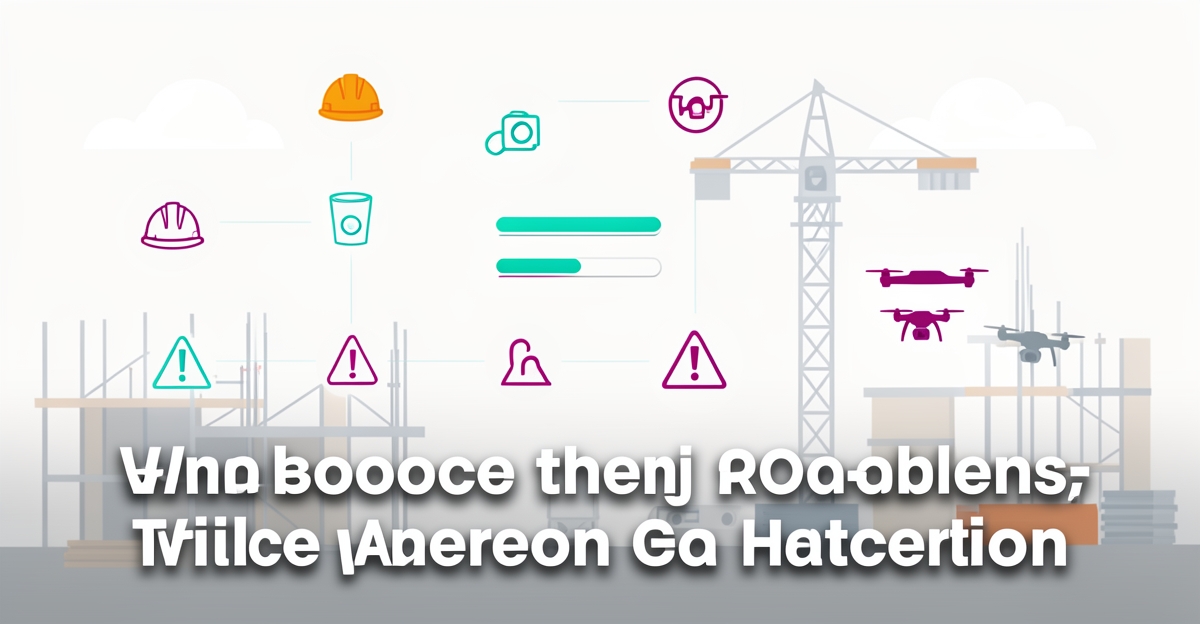
AI for Site Monitoring: How Real-Time Data Can Improve Safety and Progress Tracking
Key Facts
- Computer vision can detect missing PPE and unsafe machinery use in real time from existing camera feeds, triggering alerts the moment hazards appear.
- Drone imagery combined with AI can automatically count materials and map work completion against planned schedules—typically without added site personnel.
- Sensor data (temperature, vibration, gas levels) can surface early signs of equipment failure or unstable conditions before routine inspections would catch them.
- Predictive analytics can forecast material shortages and schedule slippage by combining historical performance data with live site conditions.
- Phased implementations—pilot zone first, then rollout—keep workflow continuity while layering intelligence on existing project management tools.
Hire a team member that works 24/7 — for less than a part-time wage.
AI receptionists, SDRs, dispatchers and 99+ roles. Trained on your business, fully managed.
Not sure where to start? Ask our AI planner
The Hidden Costs of Reactive Site Monitoring
Manual inspections create a dangerous gap between what happens on site and what leadership knows. By the time a walk-through is completed, hazards have already been exposed and progress has already drifted.
Traditional site monitoring relies on scheduled inspections and human reporting. That process is time-consuming and prone to inaccuracies, with decisions made on outdated snapshots rather than live conditions. The lag turns small risks into expensive problems.
Delayed hazard detection is the most visible cost. AI systems can analyze large volumes of live data continuously, identifying patterns and anomalies that periodic human checks miss. Manual inspections cannot match that speed, so unsafe behaviors such as missing safety gear or improper machinery use persist until the next round.
Inaccurate progress tracking compounds the issue. Traditional progress tracking often relies on manual inspections and subjective reporting, which can be slow and unreliable. Computer vision can track construction activities, count materials, and identify completed tasks automatically, while manual methods deliver estimates that drift from reality.
Preventable cost overruns follow directly from those gaps. Reactive problem-solving replaces proactive risk mitigation, and limited data insights reduce the ability to reallocate resources before delays cascade.
AI-powered monitoring changes the equation by turning live data into immediate action:
- Real-time alerts from cameras and wearable sensors trigger immediate supervisor intervention
- Drone imagery and computer vision automatically count materials and flag deviations from the planned schedule
- Sensor data analysis identifies environmental hazards like leaks or unstable ground before exposure
- Predictive analytics forecast material shortages, schedule slippage, and equipment failures
Leaders who are leveraging AI to understand the real-time status of their projects are going to have a significant competitive advantage. Real-time visibility is now a competitive differentiator, not a nice-to-have.
AIQ Labs has deployed 200+ multi-agent systems and runs four live SaaS products daily. In the context of real-time business monitoring, that means live site data from sensors, cameras, and drones can be analyzed to detect safety risks, track progress, and flag deviations within your existing project management platforms—whether delivered as managed [AI Employees](/ai-employees) or a custom [workflow build](/workflow-builds).
The shift from reactive to proactive is not just about safety. It is about protecting margins, schedules, and reputation by acting on what is happening now, not what was reported yesterday.
How AI Transforms Site Data Into Proactive Safety Intelligence
AI transforms raw site data into actionable safety intelligence by continuously analyzing live feeds from cameras, sensors, and drones to detect risks before they escalate. Computer vision models can identify unsafe behaviors in real time, such as workers not wearing required personal protective equipment or operating machinery in hazardous zones, triggering immediate alerts for supervisor intervention. This shift from reactive to proactive monitoring allows teams to address hazards at the moment they emerge, significantly reducing the likelihood of preventable incidents on active job sites. AIQ Labs integrates these capabilities into custom monitoring systems that work alongside existing project management platforms to deliver continuous, intelligent oversight.
Beyond behavioral detection, AI analyzes environmental and equipment data streams to uncover hidden risks that might go unnoticed during routine inspections. Sensor inputs measuring temperature, gas levels, vibration, or structural shifts are processed by machine learning models trained to recognize early signs of equipment failure, material degradation, or unstable conditions—enabling predictive maintenance and timely evacuations when needed. For example, AI-driven analysis of drone-captured imagery can track material stockpiles, monitor excavation stability, and flag deviations from safety perimeters without requiring personnel to enter high-risk areas. These capabilities are especially valuable in large-scale or remote operations where manual monitoring is impractical or delayed.
By consolidating data from multiple sources into a unified intelligence layer, AI provides a comprehensive, real-time view of site safety that supports faster, more informed decision-making. Supervisors receive prioritized alerts based on risk severity, while project managers gain visibility into trends—such as recurring PPE non-compliance in specific zones or equipment showing early wear patterns—allowing for targeted training, resource reallocation, or procedural adjustments. This continuous feedback loop turns site monitoring from a periodic checkpoint into an evolving safety system that learns and adapts over time. Leaders leveraging AI for real-time project status understanding typically gain a measurable advantage in risk mitigation and operational resilience.
From Guesswork to Certainty: AI-Driven Progress Tracking & Predictive Analytics
Construction site progress tracking has long relied on manual inspections and subjective reporting, creating gaps between planned schedules and actual field conditions. AI transforms this uncertainty into measurable certainty by automating progress measurement through drone imagery and sensor fusion. Computer vision algorithms analyze aerial and ground-level imagery to track task completion, count materials like bricks or steel beams, and identify deviations from design plans with minimal human intervention. This shift from guesswork to data-driven verification enables project managers to monitor advancement in real time, ensuring that reported progress aligns with physical reality on site.
Drone-and-AI progress platforms—of the kind now widely used across large construction projects—automatically quantify materials, map work completion against schedules, and flag areas falling behind. These systems integrate data from multiple sources, including IoT sensors on equipment and wearable devices, to create a unified view of site activity. By fusing visual data with environmental and operational sensor inputs, AI detects subtle changes that manual checks might miss, such as early signs of structural settling or inconsistent material placement. This comprehensive analysis supports accurate forecasting, allowing teams to adjust schedules proactively based on predicted delays rather than reacting after setbacks occur.
Predictive analytics further enhances this capability by modeling potential disruptions before they impact timelines. AI models analyze historical performance data, weather patterns, supply chain variables, and current site conditions to forecast risks like material shortages or equipment downtime. For example, if sensor data indicates prolonged equipment idleness or delayed deliveries, the system can recommend resource reallocation or sequence adjustments to maintain critical path integrity. This forward-looking approach turns progress tracking from a retrospective audit into a dynamic planning tool, reducing the likelihood of costly overruns.
AIQ Labs supports this evolution by building AI-powered monitoring systems that integrate with existing engineering project management platforms, enabling seamless data flow between field operations and central control systems. These systems automate the collection and analysis of live site data from drones, cameras, and sensors, transforming raw inputs into actionable insights for safety and progress tracking. Grounded in enterprise-grade multi-agent frameworks, the predictive models and progress metrics remain accurate and adaptable to changing site conditions.
The result is a monitoring ecosystem where progress is no longer estimated but measured, where delays are anticipated rather than discovered, and where decisions are rooted in continuously updated, multimodal site intelligence. This level of certainty empowers teams to move beyond reactive management toward truly proactive project execution.
Implementing AI Monitoring That Integrates With Your Existing Workflow
Implementing AI monitoring doesn't require ripping out existing systems—it demands a phased approach that respects current workflows while layering intelligence on top. The process begins with data source identification, mapping every camera, sensor, drone feed, and project management platform already generating site data. AI systems analyze live data in real time and surface patterns and anomalies humans might miss, but only when fed clean, integrated inputs. Next comes platform selection, where the focus shifts to solutions that connect natively with tools like Procore and Primavera rather than creating another dashboard to monitor.
- Audit existing data streams—cameras, wearables, drone imagery, equipment telematics
- Select an AI platform with pre-built connectors for your PM stack
- Configure models for site-specific safety rules and progress milestones
- Establish human-in-the-loop validation checkpoints before automated alerts trigger actions
- Deploy in phases: pilot zone, then multi-site rollout with continuous model retraining
AIQ Labs structures engagements around this exact progression. Start with a fixed-price [workflow build](/workflow-builds) to rebuild the one monitoring workflow that costs you the most, phased and owned outright—or, for broader operational coverage, a phased [AI operating system](/ai-operating-systems) that connects site data, alerts, and reporting into one layer. Either way, discovery and architecture come first, then development and integration, followed by deployment with role-specific training. Predictive analytics forecast potential risks and delays by analyzing historical data alongside real-time information, allowing project managers to reallocate resources before schedules slip. The key differentiator? Human-in-the-loop controls for critical decisions, ensuring AI augments rather than replaces site supervision. When computer vision flags a missing hard hat or a drone detects a schedule deviation, a qualified person validates before work stops or resources shift. This balance—automation for detection, human judgment for action—keeps adoption high and false alarms low.
Still paying for 10+ subscriptions that don’t talk to each other?
We build custom AI systems you own outright. No vendor lock-in. Full control.
Not sure where to start? Ask our AI planner
Frequently Asked Questions
How does AI monitoring actually improve safety on construction sites compared to traditional inspections?
Can AI progress tracking really replace manual site inspections and reporting?
Will implementing AI monitoring disrupt our existing project management workflows?
What specific data sources does AI need to monitor our site effectively?
Is AI site monitoring worth the investment for mid-sized construction firms?
Does AI monitoring replace human supervisors and safety managers?
From Reactive to Proactive: Building Your AI-Powered Site Advantage
AI transforms site monitoring from a reactive chore into a proactive advantage by turning live data into immediate safety insights and accurate progress tracking. By detecting hazards in real time, automating material counts, and forecasting delays before they cascade, teams stop guessing and start acting with confidence. This shift isn't just about avoiding accidents—it's about protecting schedules, budgets, and reputation through continuous, intelligent oversight. The technology works best when it integrates with your existing workflows, augmenting human judgment rather than replacing it. Ready to see how AI can turn your site data into a competitive edge? Start with the free two-minute Fit Check at https://aiqlabs.ai/apply, then book a free 30-minute strategy call to explore where real-time monitoring delivers the highest ROI for your operations—no obligation, just clarity. Questions first? Reach the team at [email protected].
Make AI your competitive advantage — not just another tool.
Strategy, implementation and ongoing optimization. One partner, end to end.
Not sure where to start? Ask our AI planner