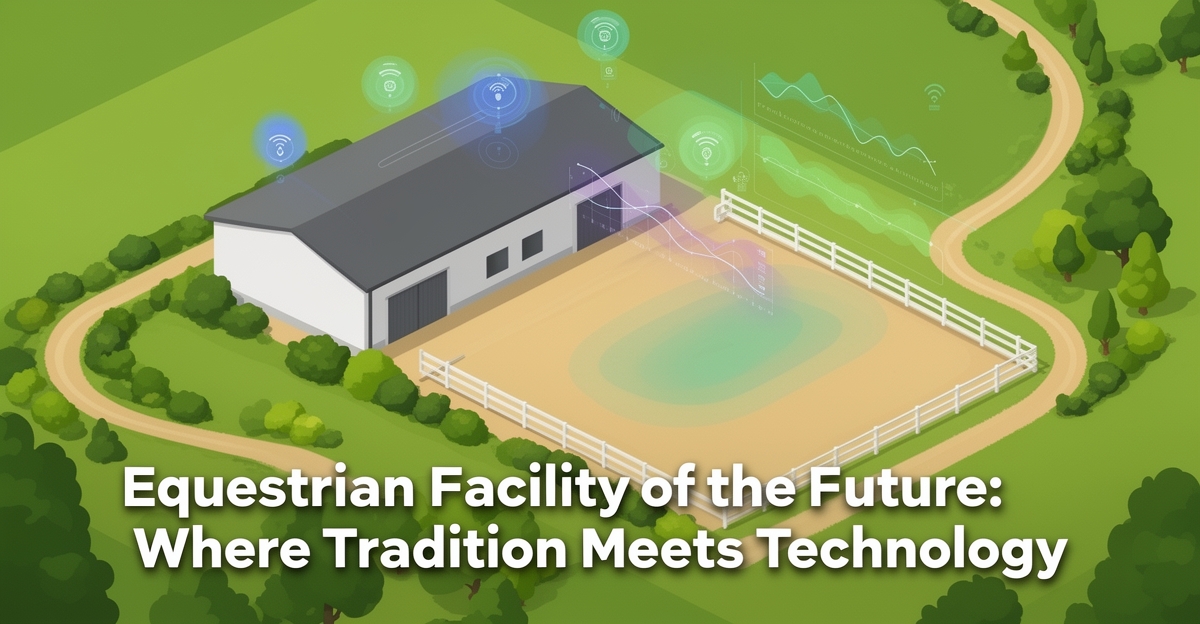
AI in Real Estate & Property Management: How Stables Can Use AI to Manage Facilities
Key Facts
- Reactive repairs typically cost 3-5 times more than preventive maintenance due to emergency labor and parts.
- Facility managers commonly lose 10-15 hours weekly to manual scheduling and record-keeping.
- Unaddressed wear on trails and fencing raises liability risk during high-use seasons.
- AIQ Labs has deployed 200+ multi-agent systems and runs 4 live SaaS products daily.
Hire a team member that works 24/7 — for less than a part-time wage.
AI receptionists, SDRs, dispatchers and 99+ roles. Trained on your business, fully managed.
Not sure where to start? Ask our AI planner
The Hidden Cost of Manual Facility Management at Equestrian Properties
Stable owners know the rhythm of daily operations: a loose board in the barn, a worn patch in the arena footing, or a downed fence line discovered only after a horse has already tested it. These reactive maintenance cycles drain time and trust, turning routine upkeep into emergency fixes. The real question to ask is where human lag is stealing speed, trust, or money—especially as AI reshapes property-heavy operations across the real estate value chain, equestrian facilities included.
Manual tracking of barn, trail, and arena conditions creates blind spots where small issues escalate into costly repairs. Staff spend hours logging inspections in spreadsheets or clipboards, time that could be spent on horse care or client service. This lag isn’t just inefficient—it risks safety and undermines confidence in the facility’s upkeep. Proactive asset management isn’t only about savings; it’s about demonstrating responsible stewardship of land and resources, a growing expectation among boarders and trainers.
- Reactive repairs typically cost 3-5 times more than preventive maintenance due to emergency labor and parts
- Facility managers commonly lose 10-15 hours weekly to manual scheduling and record-keeping tasks
- Unaddressed wear on trails and fencing raises liability risk during high-use seasons
AIQ Labs helps equestrian properties shift from guesswork to precision by integrating usage sensors, weather data, and inspection logs into a unified system that predicts wear patterns before failures occur. This approach doesn’t replace the horseman’s eye—it augments it with data that ensures every dollar spent on maintenance extends the life of barns, arenas, and trails. The result is a facility where trust is built not on hope, but on consistent, visible care.
Why AI Is Reshaping Property Management (and Why Stables Count as Property-Heavy Businesses)
AI is no longer experimental tech; it’s a tool for real operational gains in property management. As of late 2026, intelligent systems are widely used to solve persistent inefficiencies—especially in property-heavy businesses where maintenance, usage, and repair prediction directly impact safety, cost, and continuity.
Stables, while not traditional real estate, manage significant physical assets like barns, paddocks, trails, and outbuildings that require constant upkeep. AI-driven property management capabilities map directly onto these environments: predictive maintenance can anticipate structural wear in barns or fencing before failures occur; usage tracking can monitor trail congestion or stall occupancy to optimize rotation and reduce overuse; and repair prediction can flag early signs of roof leaks, drainage issues, or electrical faults in auxiliary buildings. These applications transform reactive upkeep into proactive, data-informed stewardship.
- Predictive maintenance reduces emergency repairs by identifying wear patterns before they escalate
- Usage tracking ensures even distribution of activity across paddocks and trails to prevent degradation
- Repair prediction leverages historical and environmental data to forecast component lifespans
For businesses like stables that operate with limited staff and tight margins, AI offers a way to extend the lifespan of critical infrastructure while minimizing downtime. AIQ Labs supports property-heavy industries with tailored AI systems that integrate scheduling, monitoring, and alerting into a unified operational layer—owned by the client and built for long-term scalability. The result is not just cost savings, but greater resilience in managing complex, distributed physical assets. See how this works across industries at AI Operating Systems.
From Reactive Repairs to Predictive Maintenance: What AI Actually Does for a Stable
Reactive repairs cost stables in downtime, vet bills, and lost board fees. AI shifts facility management from break-fix to prevention by reading usage patterns and asset history before failure occurs.
For property-heavy operations like barns, arenas, and trails, AI is being used to optimize maintenance schedules, track usage, and predict repair needs in property management. That shift matters because every emergency fix carries a premium—emergency labor, rush parts, and disrupted schedules.
AI-optimized maintenance schedules replace calendar guesses with condition-based planning. Sensors and booking logs track arena footing compaction, wash rack water use, and stall occupancy. The system clusters high-traffic windows and recommends grooming, sand replacement, or ventilation service before performance degrades.
Predictive models flag roof, fencing, and footing issues early. Moisture readings, temperature swings, and usage frequency feed forecasts for rot, rust, and surface fatigue. Work orders are auto-generated with parts lists and crew assignments, and client coordination is handled through automated scheduling and updates.
AI handling of scheduling and communications reduces human lag. The framing that matters: “Where am I losing speed, trust, or money because of human lag?” Answer that honestly, and the automation priorities become obvious.
Manual vs AI-driven approaches diverge quickly:
- Manual: Reactive tickets, spreadsheet logs, inspections on fixed intervals, missed early signs.
- AI-driven: Continuous usage tracking, predictive alerts for roof/fencing/footing, automated work orders and client notifications.
The result is increased efficiency and improved decision-making with fewer emergency calls and better asset life. Upfront cost is real—implementing AI in property operations requires investment in sensors, integrations, and training, and it changes how some staff spend their days. Starting small keeps that risk manageable.
Stables manage property assets like barns and trails, and AI can optimize maintenance schedules, track usage, and predict repair needs. AIQ Labs offers AI systems tailored to property-heavy industries, including equestrian facilities, with custom workflows that own data and integrate with existing tools. A managed AI Employee—for example, a work order dispatcher—can run routine scheduling and vendor coordination at a fraction of a human hire’s cost.
Honest adoption starts small. A single workflow fix for arena footing or barn roof monitoring proves value before scaling to full facility operations.
Getting Started: A Practical Roadmap for Bringing AI to Your Facility
Stables manage significant property assets—from barns and arenas to trails and paddocks—making maintenance scheduling and work order management critical to daily operations. Manual processes in these areas often bleed time and money, with staff spending hours tracking repairs, scheduling vendors, and responding to reactive issues instead of preventing them. The core question remains: where are you losing speed, trust, or money because of human lag?
Getting started with AI doesn’t require a full-system overhaul. Begin by auditing where manual workflows create the most friction—such as delayed maintenance responses, untracked work orders, or inefficient resource allocation. From there, select one high-value workflow to pilot, like automating maintenance scheduling based on usage patterns or using AI to prioritize work orders by urgency and impact. AIQ Labs’ phased approach supports this progression: Start Monthly to deploy a targeted AI Employee (e.g., an AI Work Order Manager), Build in Milestones to rebuild your costliest workflow at a fixed price, or Own It Outright for a fully integrated operating system you control. Each path includes setup, training, tool integrations, monitoring, and ongoing improvements—with the flexibility to pause or adjust as needed. After identifying your biggest bottleneck in a free strategy call, you can map a clear, low-risk path forward—no obligation, just clarity on where AI can deliver the fastest win. Start the Fit Check to begin, then schedule your free 30-minute strategy call to see how AI can transform your facility’s operations.
Still paying for 10+ subscriptions that don’t talk to each other?
We build custom AI systems you own outright. No vendor lock-in. Full control.
Not sure where to start? Ask our AI planner
Frequently Asked Questions
Can AI actually help run a stable, or is it just for big real estate companies?
How much time does manual facility management really waste at an equestrian property?
Is AI adoption in real estate and property management actually mainstream yet?
What’s the biggest business question AI helps answer for property managers?
What are the main downsides or risks of using AI for facility management?
Does stewardship and sustainability matter for stables and other property-heavy operations?
From Reactive to Resilient: The Stable of Tomorrow Starts Today
Managing a stable isn't just about horses—it's about stewarding property, protecting assets, and building trust through consistent care. As we've seen, reactive maintenance drains time, increases costs, and risks safety, while AI-driven predictive maintenance transforms uncertainty into actionable insight. By tracking usage, predicting wear, and automating workflows, stables can extend the life of barns, trails, and arenas while freeing staff to focus on what matters most: horse welfare and client experience. The shift isn't about replacing the horseman's eye—it's about augmenting it with data that ensures every maintenance dollar works harder. If you're ready to move from guesswork to precision, start by identifying your biggest operational bottleneck. Take the two-minute Fit Check to see where AI can deliver your fastest win, then schedule a free 30-minute strategy call to map a clear, low-risk path forward—no obligation, just clarity on where AI can transform your facility’s operations.
Make AI your competitive advantage — not just another tool.
Strategy, implementation and ongoing optimization. One partner, end to end.
Not sure where to start? Ask our AI planner