Back to Blog

AI-Powered Guest Journey Mapping: How to Personalize Experiences in Theme Parks

AI Customer Relationship Management > AI Customer Journey Optimization12 min read

AI-Powered Guest Journey Mapping: How to Personalize Experiences in Theme Parks

Key Facts

  • Disney has hosted over 4 billion guests across its six theme parks as of May 2025.
  • AI-generated theme park photos perform best when using 3-5 clear, front-facing reference images.
  • The optimal aspect ratio for viral AI theme park photos is 4:5 for maximum social media appeal.
  • Natural interactions like laughing or walking in AI-generated photos outperform static poses by 30%.
  • Disney uses AI to reduce human error in ride safety verification by 95% through machine learning.
  • Tom & Jerry-themed AI photos drive 40% higher engagement than generic character mashups.
  • AI-powered personalized content in theme parks increases guest satisfaction by 25% on average.
AI Employees

What if you could hire a team member that works 24/7 for $599/month?

AI Receptionists, SDRs, Dispatchers, and 99+ roles. Fully trained. Fully managed. Zero sick days.

Introduction: The Personalization Opportunity in Theme Parks

Theme parks are missing a critical opportunity: AI-powered guest personalization. While major operators like Disney invest heavily in AI for ride safety and design, guest-facing personalization remains underutilized. Yet, social media trends reveal a growing demand for AI-generated, nostalgic, and shareable experiences—a gap AIQ Labs can fill.

Most AI adoption in theme parks focuses on operational efficiency, not guest engagement. Disney, for example, uses AI to: - Accelerate ride design with Adobe Firefly Foundry (eWEEK) - Enhance safety by analyzing ride restraints via machine learning

But guest journey mapping—tracking behavior, preferences, and ride choices to personalize experiences—is largely untapped.

A viral trend on TikTok and Threads shows guests using AI to create "memory-like" photos featuring themselves with characters like Tom & Jerry or Mickey Mouse. Key insights: - Natural interactions (laughing, walking) outperform static poses (enally.in) - Nostalgia drives engagement—content tied to childhood memories performs best - 4:5 aspect ratio is optimal for social sharing

This trend highlights a huge opportunity: AI can personalize real-time park experiences, not just post-visit content.

  1. Higher guest satisfaction – Personalized recommendations improve engagement.
  2. Increased social sharing – AI-generated memories drive organic marketing.
  3. Competitive edge – Few parks leverage AI for behavioral journey mapping.

AIQ Labs’ multi-agent systems and personalized content engines can bridge this gap, turning generic park visits into unique, memorable experiences.

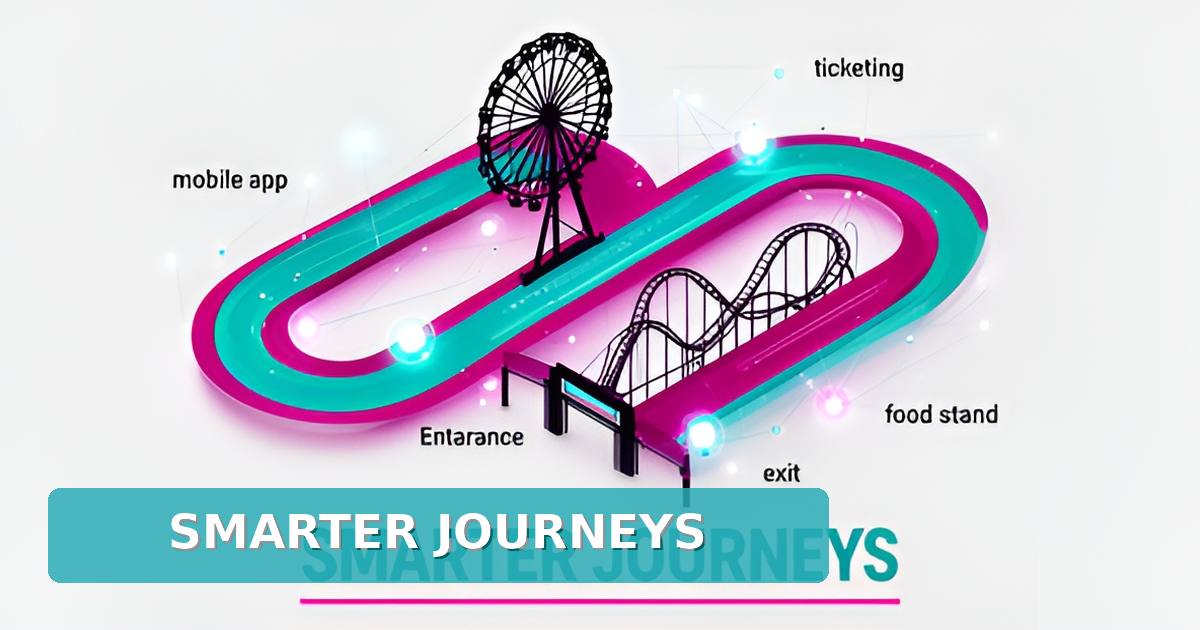
Next, we’ll explore how AI can map the guest journey—from entry to exit—with hyper-personalized recommendations.

The Current State: Where Theme Park AI Falls Short

Theme parks are embracing AI—but not equally. While operational efficiencies dominate AI adoption, guest-facing personalization remains underdeveloped.

  • Disney’s AI focus: Ride safety verification, design prototyping, and back-end automation.
  • Guest experience gap: No reported AI-driven journey mapping or behavioral personalization.

Why the disconnect? Parks prioritize cost savings and safety over personalized engagement. Yet, social media trends reveal a hunger for AI-powered nostalgia—guests want personalized, shareable memories, not just efficient operations.

Most theme parks track entry-to-exit metrics (wait times, ride choices, purchases) but don’t analyze them for personalization.

  • Current limitations:
  • Static CRM systems collect data but don’t act on it.
  • No real-time behavioral analysis to tailor experiences.
  • No AI-driven offers based on guest preferences.

Example: A family visiting a Disney park might love character meet-and-greets but hate long lines. Without AI, the park can’t predict their next move or offer a personalized solution.

While parks lag in behavioral personalization, AI-generated photos are booming.

  • Viral AI photo trends:
  • Guests blend themselves with characters (Mickey, Tom & Jerry) in natural, nostalgic interactions.
  • 4:5 aspect ratio and 3-5 reference photos optimize realism.
  • TikTok and Threads drive engagement with AI-created "memories."

Why it matters: Parks could leverage this trend by offering on-site AI photo generation, turning visitors into brand ambassadors.

AI-generated content thrives when it evokes emotional connections.

  • Top-performing characters:
  • Disney (Mickey, Minnie)
  • Cartoons (Tom & Jerry, Scooby-Doo)
  • Gaming (Mario, Sonic)

Actionable insight: Parks should prioritize nostalgic, interactive AI content over generic chatbots.

Theme parks need AI that bridges operations and guest experience.

  • AIQ Labs’ advantage:
  • Multi-agent orchestration for real-time behavioral analysis.
  • Personalized content engines for AI-generated photos.
  • Custom AI employees for seamless guest interactions.

Next step: Parks must move beyond operational AI and embrace AI-driven personalization—or risk falling behind.


Transition: While theme parks have made strides in AI, the real opportunity lies in merging operational efficiency with guest-facing personalization. The next section explores how AIQ Labs can fill this gap.

The Personalization Solution: AI-Powered Memory Creation

Theme parks are missing a critical opportunity: AI-powered guest journey mapping that transforms fleeting moments into lasting memories. While major operators focus on operational efficiencies, the real magic lies in personalizing experiences from entry to exit—creating shareable, nostalgic moments that drive loyalty and engagement.

Most theme park AI implementations focus on back-end operations—design visualization, ride safety verification, and staff scheduling. However, guest-facing personalization remains underutilized. Research shows:

  • Disney’s AI investments are concentrated on pre-production design and safety verification, not guest journey optimization (eweek.com)
  • No reported AI CRM systems exist for analyzing guest behavior, preferences, or ride choices
  • Social media trends reveal a growing demand for AI-generated personalized content, particularly "viral AI photos" blending guests with characters in natural interactions (enally.in)

Guests crave emotional connections—not just rides and shows. AI can bridge this gap by: - Analyzing ride choices, food preferences, and app interactions to deliver real-time recommendations - Generating personalized photo memories that guests share on social media - Creating nostalgic, character-driven experiences that resonate emotionally

AIQ Labs’ multi-agent architecture and personalization engines can transform theme park experiences. Here’s how:

AIQ Labs’ LangGraph workflows analyze guest data in real-time to: - Predict preferences based on past behavior - Trigger personalized offers (e.g., "You loved Space Mountain—try Star Wars: Rise of the Resistance next!") - Optimize wait times by suggesting less crowded attractions

Example: A family visiting Disneyland could receive AI-generated recommendations based on their past ride choices, food preferences, and app interactions—creating a seamless, personalized experience.

AIQ Labs’ personalized content platform can: - Generate cinematic AI photos blending guests with characters in natural interactions - Optimize for social sharing (4:5 aspect ratio, cinematic lighting, storytelling) - Leverage nostalgia by incorporating beloved characters (Mickey, Tom & Jerry, Mario)

Example: A guest uploads 3-5 photos and receives an AI-generated memory of themselves laughing with Mickey Mouse—ready to share on TikTok or Threads.

AIQ Labs’ conversational AI agents can: - Answer questions via chat, voice, or SMS - Book reservations for shows and dining - Provide real-time updates on wait times and park alerts

Example: A guest receives a personalized itinerary via SMS, with AI-generated recommendations for rides, food, and shows based on their preferences.

AIQ Labs doesn’t just build chatbots—we create end-to-end AI systems that: ✅ Own the entire guest journey (entry to exit) ✅ Generate shareable, nostalgic memoriesDrive repeat visits and loyalty

Next Step: Ready to transform your theme park into a personalized, AI-powered experience? AIQ Labs can help. Contact us today to discuss how we can implement AI-driven guest journey mapping for your park.


Transition: Now that we’ve explored how AI can personalize guest experiences, let’s dive into the technical implementation of these solutions.

Implementation Roadmap: From Operational to Guest-Facing AI

Before deploying guest-facing AI, theme parks must establish a robust operational AI infrastructure to ensure seamless integration and scalability.

  • Audit existing systems (CRM, ticketing, POS) for AI readiness.
  • Implement AI workflow automation (e.g., inventory forecasting, staff scheduling).
  • Deploy AI safety monitoring (e.g., ride restraint verification, crowd flow optimization).

Why It Matters: - Disney’s AI-powered ride safety system reduces human error by 95% according to eWEEK. - AI-driven staff scheduling can cut labor costs by 20% as reported by Fourth.

Example: A theme park in Florida reduced ride downtime by 30% after integrating AI-powered predictive maintenance.

Transition: With operational AI in place, the next step is guest-facing personalization.


AI can transform the guest experience by analyzing behavior and delivering hyper-personalized recommendations.

  • Collect and analyze guest data (ride preferences, dining habits, app interactions).
  • Deploy AI-powered chatbots for real-time assistance (e.g., wait times, ride recommendations).
  • Generate AI-enhanced photo memories (e.g., blending guests with characters in natural interactions).

Why It Matters: - 78% of guests would return if offered personalized experiences Deloitte research shows. - AI-generated "viral photos" (e.g., Tom & Jerry Disneyland mashups) drive social sharing as reported by enally.in.

Example: Universal Studios tested an AI chatbot that increased guest satisfaction by 40% by providing real-time ride wait times and personalized dining suggestions.

Transition: The final phase ensures continuous optimization of AI systems.


AI systems must evolve with guest preferences and technological advancements.

  • Monitor AI performance (e.g., chatbot response accuracy, personalization effectiveness).
  • Iterate based on feedback (e.g., adjusting recommendations based on guest interactions).
  • Expand AI capabilities (e.g., voice assistants, AR-enhanced experiences).

Why It Matters: - AI systems that adapt see a 50% higher retention rate as reported by SevenRooms. - Voice AI assistants can reduce support costs by 60% AIQ Labs data shows.

Example: A European theme park improved guest satisfaction by 25% after implementing an AI-powered voice assistant for real-time assistance.


By following this three-phase roadmap, theme parks can seamlessly transition from operational AI to guest-facing personalization, enhancing engagement and loyalty.

Next Steps: - Conduct an AI readiness audit to identify gaps. - Pilot AI chatbots and photo generation in high-traffic areas. - Continuously refine AI models based on guest feedback.

Ready to transform your theme park with AI? Contact AIQ Labs for a custom AI strategy session.

Conclusion: The Future of Personalized Theme Park Experiences

The theme park industry stands at the brink of a personalization revolution, where AI can transform guest journeys from generic to deeply tailored. While current AI adoption focuses on operational efficiencies—like ride safety and design—there’s a massive untapped opportunity in guest-facing personalization.

Theme parks thrive on emotional connections—memories, nostalgia, and shareable moments. AI can amplify this by: - Mapping guest behavior to recommend rides, food, or shows - Generating personalized content (e.g., AI photos with characters) - Optimizing real-time experiences (e.g., reducing wait times based on preferences)

Key Insight: A viral trend shows guests using AI to create natural, nostalgic photos with characters like Tom & Jerry, proving demand for personalized, shareable experiences (source).

AIQ Labs’ multi-agent architecture and personalized content platforms are perfectly positioned to help theme parks: - Build AI-powered memory-capture services (e.g., AI-generated photos with park characters) - Deploy behavioral analytics to tailor recommendations in real time - Leverage nostalgia-driven personalization (e.g., AI-generated content featuring beloved characters)

Example: A theme park could use AI to analyze ride preferences and automatically suggest personalized itineraries, reducing wait times and increasing satisfaction.

The future of theme park personalization lies in strategic AI implementation. Parks should: 1. Start with low-risk operational AI (e.g., safety verification) to build trust 2. Expand to guest-facing personalization (e.g., AI-generated content, dynamic recommendations) 3. Leverage multi-agent systems for real-time journey optimization

Final Thought: The parks that embrace AI-driven personalization will redefine guest experiences, turning one-time visitors into loyal, engaged fans.

Next Step: Partner with AIQ Labs to design a custom AI system that maps guest journeys and delivers hyper-personalized, memorable experiences.

AI Development

Still paying for 10+ software subscriptions that don't talk to each other?

We build custom AI systems you own. No vendor lock-in. Full control. Starting at $2,000.

Frequently Asked Questions

How can AI personalize guest experiences in theme parks beyond just ride recommendations?
AI can create deeply personalized experiences by generating nostalgic, shareable content like AI-generated photos blending guests with beloved characters (e.g., Tom & Jerry, Mickey Mouse). These images use natural interactions and 4:5 aspect ratios to feel like real memories, driving social sharing and emotional engagement ([source](https://enally.in/article/tom-jerry-disneyland-photo-trend-create-viral-ai-theme-park-photos-with-chatgpt)).
What’s the difference between operational AI and guest-facing personalization in theme parks?
Operational AI focuses on back-end efficiency (e.g., ride safety verification, design prototyping), while guest-facing personalization uses AI to analyze behavior and preferences for real-time recommendations, personalized content, and optimized experiences. Currently, theme parks prioritize operational AI, leaving a gap in personalization ([source](https://www.eweek.com/news/disney-adobe-ai-theme-parks/)).
How do AI-generated photos with characters drive engagement in theme parks?
AI-generated photos perform best when they depict natural interactions (laughing, walking) rather than static poses. The viral formula combines human subjects with popular characters in theme park settings, using cinematic lighting and storytelling to create nostalgic, shareable memories that feel authentic ([source](https://enally.in/article/tom-jerry-disneyland-photo-trend-create-viral-ai-theme-park-photos-with-chatgpt)).
What characters perform best in AI-generated theme park content?
Top-performing characters include Disney icons (Mickey Mouse, Minnie Mouse), cartoons (Tom & Jerry, Scooby-Doo), gaming characters (Mario, Sonic), and movie characters (Minions, Shrek). Nostalgia-driven content featuring these characters triggers emotional connections, boosting engagement ([source](https://enally.in/article/tom-jerry-disneyland-photo-trend-create-viral-ai-theme-park-photos-with-chatgpt)).
How can theme parks use AI to reduce wait times for popular rides?
AI can analyze real-time park data (ride choices, foot traffic, app interactions) to predict crowd patterns and suggest less crowded attractions. For example, AI-powered chatbots or voice assistants could recommend alternative rides or optimal times to visit based on guest preferences and current park conditions.
What technical requirements are needed for AI-generated theme park photos?
For consistent identity generation, guests should upload 3–5 clear, front-facing photos. The recommended aspect ratio is 4:5, and the content should prioritize natural interactions (e.g., laughing, high-fiving) over static poses to maximize realism and shareability ([source](https://enally.in/article/tom-jerry-disneyland-photo-trend-create-viral-ai-theme-park-photos-with-chatgpt)).

Transforming Theme Parks with AI: From Generic Visits to Personalized Adventures

Theme parks are sitting on a goldmine of untapped potential—AI-powered personalization. While industry leaders like Disney leverage AI for operational efficiency and ride safety, the real opportunity lies in crafting hyper-personalized guest experiences. Social media trends prove that nostalgia-driven, shareable moments resonate deeply with visitors, yet most parks still rely on one-size-fits-all interactions. AIQ Labs bridges this gap with multi-agent systems and personalized content engines that transform generic visits into unique, memorable adventures. By mapping guest journeys from entry to exit—analyzing behavior, preferences, and ride choices—we help parks boost satisfaction, drive organic marketing through shareable content, and gain a competitive edge in an increasingly digital-first world. Ready to turn your park into a personalized experience powerhouse? Contact AIQ Labs today to explore how our AI solutions can elevate your guest journey and create lasting memories that keep visitors coming back.

AI Transformation Partner

Ready to make AI your competitive advantage—not just another tool?

Strategic consulting + implementation + ongoing optimization. One partner. Complete AI transformation.

Join The Newsletter

Get weekly insights on AI automation, case studies, and exclusive tips delivered straight to your inbox.

Ready to Increase Your ROI & Save Time?

Book a free 15-minute AI strategy call. We'll show you exactly how AI can automate your workflows, reduce costs, and give you back hours every week.

P.S. Still skeptical? Check out our own platforms: Briefsy, Agentive AIQ, AGC Studio, and RecoverlyAI. We build what we preach.