AI-Powered Inspection Logs: How to Automate Compliance Reporting
Key Facts
- Human inspectors typically catch only around 80% of defects on average, creating audit exposure every shift according to industry research
- AI-powered inspection tools have reported detection rates as high as 99.5% in vendor-documented deployments per industry benchmarks
- Manufacturers using AI inspection have reported customer complaints dropping by as much as 90% after implementation in vendor-documented deployments
- AI inspection systems can inspect hundreds of parts per minute, typically increasing throughput 5-10x over manual methods per technical documentation
- Defect detection models can reportedly be trained in under 1 hour using as few as five example images according to industry analysis
- ROI from AI inspection systems is typically achieved within six to nine months of deployment per vendor-documented deployments
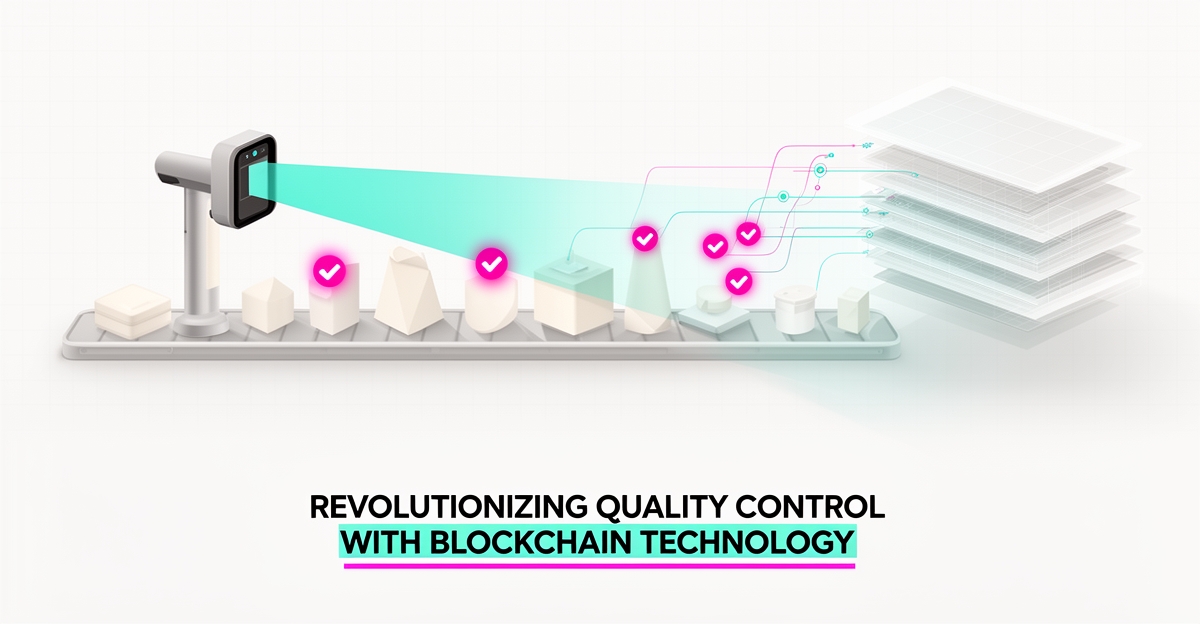
- AI-powered inspection generates immutable, timestamped logs that create audit-ready compliance evidence, as described in compliance-first architecture
Hire a team member that works 24/7 — for less than a part-time wage.
AI receptionists, SDRs, dispatchers and 99+ roles. Trained on your business, fully managed.
Not sure where to start? Ask our AI planner
Why Manual Inspection Logs Fail Compliance Audits
Manual inspection logs were built for a world where speed and consistency were optional. In regulated industries, that trade-off now creates audit exposure every shift.
Human inspectors typically catch only around 80% of defects on average, according to industry research. That gap is not a training issue; it is a biological limit. Fatigue, distraction, and subjective interpretation drive inconsistency across operators and shifts, which directly weakens the evidence trail auditors expect.
Paper-based and spreadsheet logs compound the problem. Entries are delayed, incomplete, or transcribed incorrectly, and the original observation is lost. When an auditor requests timestamped proof of inspection, teams spend hours reconstructing records instead of demonstrating control. The risk is not just inefficiency; it is non-compliance.
AI-powered inspection changes the evidence standard. Current AI visual inspection tools can catch defects with 99%+ accuracy in reported deployments, and manufacturers using Overview.ai have reported detection rates improving from roughly 80% to 99.5%. Systems inspect hundreds of parts per minute without variation, producing a consistent, time-stamped log for every unit.
This consistency matters for compliance reporting in AI Data Analytics & Business Intelligence. Audit-ready logs require traceability, not just a final pass/fail. AI systems generate immutable records of what was inspected, when, by which model version, and what anomaly was flagged, which aligns with how AIQ Labs approaches AI Performance Metrics & Monitoring for regulated workflows.
Manual processes fail audits for predictable reasons:
- Detection variability: Human performance drops with fatigue, leading to missed defects and inconsistent logs.
- Delayed reporting: Paper logs are entered after the fact, creating gaps between inspection and record.
- Limited traceability: No digital chain of custody for images, decisions, or operator actions.
- Scale constraints: Manual checks cannot keep pace with production speed without adding headcount.
Regulated sectors such as automotive manufacturing, electronics assembly, food & beverage, and medical devices face heightened scrutiny because product quality and safety depend on verifiable inspection. When logs are incomplete or late, corrective actions are delayed and customer complaints rise.
AIQ Labs builds custom systems that track every inspection, flag anomalies, and produce reports for internal and regulatory review in real time — whether through an AI Employee handling QA logging around the clock or a dedicated workflow build for your inspection process. By automating the capture and logging layer, businesses replace human-led variability with consistent, audit-ready documentation that regulators can trust and teams can act on immediately.
How AI Turns Inspection Data Into Audit-Ready Reports in Real Time
Traditional inspection logs create a dangerous gap between what happened on the floor and what auditors see weeks later. AI-powered systems close that gap by turning every inspection event into a structured, timestamped record the moment it occurs.
Deep learning models trained on as few as five example images can reportedly reach 99%+ detection accuracy in under an hour, according to industry benchmarks. These models run continuously at production speed — inspecting hundreds of parts per minute — while human inspectors typically catch only around 80% of defects on average per the same research. The result is a continuous stream of verified inspection data rather than periodic spot checks.
- Real-time anomaly flagging that routes exceptions to the right team instantly
- Tamper-evident audit trails with cryptographic timestamps for regulatory review
- Automatic report generation formatted for internal QA and external compliance bodies
- Root-cause correlation across shifts, lines, and suppliers without manual data stitching
Manufacturers using this approach have reported detection rates improving from roughly 80% to 99.5% and customer complaints dropping by as much as 90% in vendor-documented deployments. AIQ Labs builds custom systems that embed this capability directly into existing workflows — connecting cameras, PLCs, and ERP systems so every inspection event feeds a living compliance record. The same multi-agent architecture behind our 200+ deployed systems handles the orchestration: one agent captures and validates sensor data, another classifies defects, a third enriches records with contextual metadata, and a fourth assembles audit-ready reports on demand or on schedule.
From Pilot to Production: Building an Owned AI Inspection System
Moving from a promising AI inspection pilot to a fully owned, production-grade system is where most SMBs hesitate. Yet this leap is precisely where the competitive advantage lies, transforming quality control from a cost center into a strategic asset.
Begin by identifying high-value inspection points where the stakes are highest. Focus on stations with the greatest labor costs, the most severe quality impact, or the highest customer visibility. According to industry analysis, manufacturers who target these critical points first see detection rates improve dramatically — from the human average of roughly 80% to well over 99% in reported deployments.
Once you have mapped your priority zones, gather representative sample data. You do not need thousands of images to start. Modern deep learning systems can reportedly train accurate defect detection models in under an hour using as few as five example images per defect type, according to technical documentation. This low barrier to entry means SMBs can validate feasibility without massive upfront data collection efforts.
Next, pilot on a single production line. This controlled validation phase allows you to measure throughput increases — often 5 to 10 times faster than manual methods — and verify ROI before scaling. A successful pilot typically demonstrates payback within six to nine months, creating the business case for broader deployment.
Scaling requires moving beyond vendor-locked pilot software to systems you truly own. This is where AIQ Labs structures engagements differently. Through the Build in Milestones approach, manufacturers develop one production line as a custom AI Workflow Build at a fixed price, own the code and models completely, then expand phase by phase. Alternatively, an AI Employee in a Quality Assurance role can manage inspection logging and anomaly flagging across shifts, providing 24/7 consistency at roughly 80% less cost than a human hire. For manufacturers ready to connect inspection data with the rest of the operation, an AI Operating System ties quality records into one owned layer.
A structured scaling path typically includes:
- Integrating edge inspection data with existing ERP and quality management systems
- Establishing automated audit trails that generate compliance reports without manual intervention
- Training internal teams on model retraining protocols for new product variants
- Expanding from visual inspection to predictive quality analytics
The goal is true ownership of the inspection intelligence. Rather than renting black-box algorithms, you control the training data, the model architecture, and the integration points. This ownership model ensures that as your product lines evolve, your AI inspection capabilities evolve with them — without renegotiating vendor contracts or losing institutional knowledge.
Whether you start with a single workflow fix or commission a complete quality intelligence system, the path from pilot to production demands a partner who builds for ownership, not lock-in. The technology is proven; the advantage goes to those who deploy it as a permanent, owned capability.
Compliance-First Architecture for Regulated Industries
For regulated industries, compliance isn't just a box to tick — it's the foundation of operational trust. AI-powered inspection logs must meet rigorous audit standards, requiring more than just defect detection; they demand governance layers that ensure every finding is traceable, verifiable, and defensible under scrutiny. This means building systems where AI outputs are not accepted at face value but are instead validated through structured checkpoints before becoming part of the official record.
A compliance-first architecture begins with multi-layered validation: raw AI insights are cross-checked against historical norms, contextual rules, and, where necessary, human expertise. For example, in medical device manufacturing, an AI might flag a subtle surface anomaly, but a validation layer confirms whether it aligns with known material variances or requires escalation. This reduces false positives while maintaining the speed advantage — AI inspection can process hundreds of parts per minute, far outpacing manual review — without sacrificing rigor. Human-in-the-loop controls act as a safety net for high-risk decisions, allowing experts to review ambiguous cases in real time, ensuring accountability without slowing throughput.
Equally critical is the creation of a complete, immutable audit trail. Every inspection, every AI decision, every human override, and every system update must be logged with timestamps, user IDs, and contextual metadata. This level of traceability isn't just helpful for internal reviews — it's essential for regulatory submissions, where auditors demand proof of consistent, auditable processes. Systems built on this principle don't just generate reports; they generate evidence. AIQ Labs incorporates this mindset into every build, ensuring that inspection logs aren't just automated but are inherently audit-ready by design, integrating seamlessly with ERP, CRM, and quality management systems to maintain a single source of truth across the compliance lifecycle.
- Validation layers reduce false positives by cross-referencing AI findings with historical data and contextual rules
- Human-in-the-loop controls ensure expert oversight for high-risk or ambiguous inspection outcomes
- Immutable audit trails capture every inspection, decision, and system action for full regulatory traceability
When AI inspection is governed this way, it transforms from a productivity tool into a compliance asset — delivering not just faster inspections, but defensible quality assurance that stands up to internal and external scrutiny. With detection rates reported above 99% in regulated settings, the payoff isn't just operational — it's strategic, turning quality data into a reliable foundation for continuous improvement and regulatory confidence.
Still paying for 10+ subscriptions that don’t talk to each other?
We build custom AI systems you own outright. No vendor lock-in. Full control.
Not sure where to start? Ask our AI planner
Frequently Asked Questions
How much more accurate are AI inspection systems compared to human inspectors?
Can AI inspection systems really improve defect detection rates from 80% to over 99%?
How fast can AI inspection systems process parts compared to manual methods?
How long does it take to train an accurate AI defect detection model?
What kind of ROI timeline can businesses expect from implementing AI-powered inspection systems?
Do AI inspection systems reduce customer complaints, and by how much?
Own Your Audit Trail, Not Just Your Production Line
Manual inspection logs were built for a world where speed and consistency were optional. In regulated manufacturing, that gap now shows up as missed defects, delayed reporting, and audit exposure every shift. AI-powered inspection closes the loop by turning every inspection event into a timestamped, tamper-evident record the moment it occurs, with detection rates reported as high as 99.5% in documented deployments per industry research. That consistency gives QA teams real-time anomaly flagging, automated compliance reports, and a defensible chain of custody auditors expect.
The advantage compounds when the system is owned, not rented. Starting with a high-value inspection point, piloting on one line, and scaling with a Build in Milestones or Start Monthly approach lets SMBs validate ROI in six to nine months and keep full control of models, data, and integrations. AIQ Labs builds custom AI inspection systems that embed this capability into existing cameras, PLCs and ERPs so compliance becomes a living record, not a reconstruction project.
Start the Fit Check at https://aiqlabs.ai/apply for a free 30-minute strategy call to map your biggest bottleneck and see if a clear, owned AI inspection win exists for your line.
Make AI your competitive advantage — not just another tool.
Strategy, implementation and ongoing optimization. One partner, end to end.
Not sure where to start? Ask our AI planner