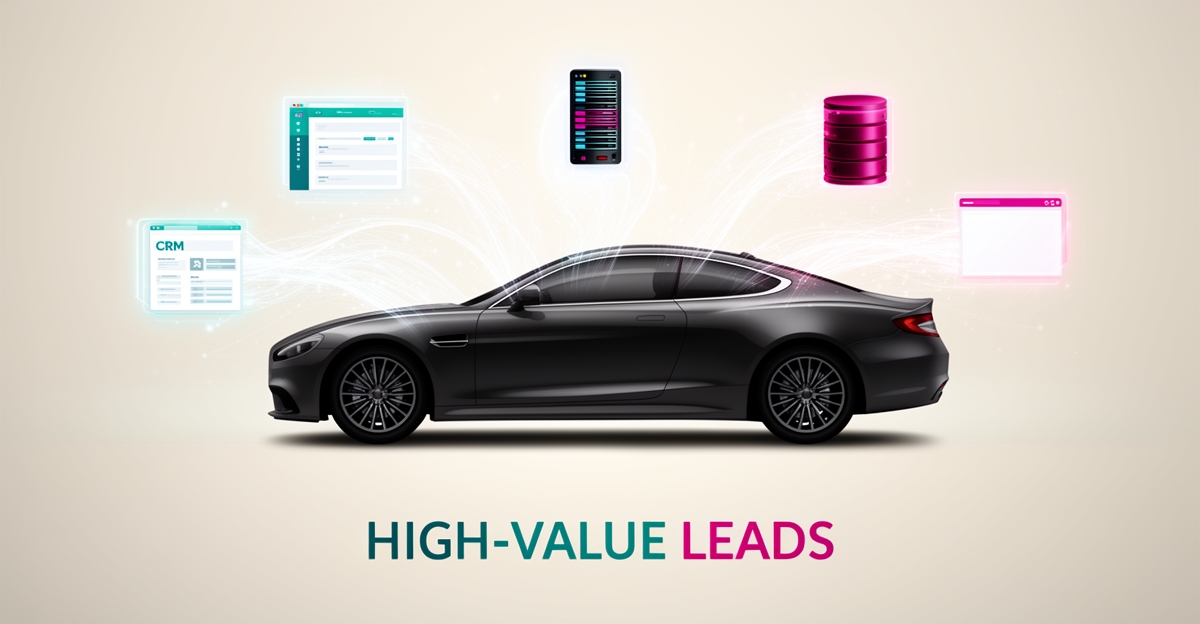
AI-Powered Lead Scoring for Import Auto Sales: How to Identify High-Value Clients
Key Facts
- Sellers who use AI daily are more likely to exceed their sales targets, according to LinkedIn Sales Leader Compass research
- AI-powered personalized outreach is associated with higher response rates for sales teams, per LinkedIn Sales Leader Compass research
- Sellers typically save meaningful time on lead research each week when using AI daily, based on LinkedIn Sales Leader Compass research
- Manual CRM updates can consume several hours per week per seller — time AI automation is designed to eliminate, per LinkedIn Sales Leader Compass research
- Most sellers report that buyers arrive to calls better prepared than ever before, per AI in sales transformation research
- AI-powered lead scoring enables product-qualified lead identification by analyzing behaviors like viewing a specific import model repeatedly, checking financing, and visiting trade-in pages within a short window, as highlighted in Fullpath's analysis of dealership data
Hire a team member that works 24/7 — for less than a part-time wage.
AI receptionists, SDRs, dispatchers and 99+ roles. Trained on your business, fully managed.
Not sure where to start? Ask our AI planner
Why Traditional Lead Scoring Fails in Import Auto Sales
Import auto sales rewards specificity, and rule-based scoring punishes it. Static point systems treat a test-drive request for a current-year Land Cruiser the same as a casual browse of a sedan, so sales teams chase noise while high-intent buyers cool off.
Traditional models assign fixed points to firmographics and simple actions like email opens or website visits. Research on lead scoring shows these rule-based systems were built for broad B2B cycles, not for vehicle-specific intent where timing and model matter. The result is a score that looks active but misses the nuance of import buyers.
Import shoppers signal intent through repeated, model-specific behavior. A lead who views the same imported SUV three times, checks financing, and visits the trade-in page within 48 hours is sending a clear purchase signal. Static rules rarely capture that combination, so the lead stays mid-tier while sales effort drifts to low-intent contacts.
Data fragmentation makes the problem worse. Dealerships live with technology chaos across CRM, DMS, website and ad platforms. Fullpath's analysis of dealership data highlights how siloed data prevents a single shopper profile and accurate scoring. Without identity resolution and data hygiene, teams score incomplete records and duplicate outreach.
Manual upkeep compounds the waste. Sellers commonly spend several hours per week on manual CRM updates, time that could be used on qualified conversations. LinkedIn Sales Leader Compass research also finds sellers using AI daily save meaningful time on lead research each week — a gap rule-based systems cannot close.
The cost shows up in conversion and speed. LinkedIn Sales Leader Compass research reports sellers who use AI daily are more likely to exceed targets than those who fall short. Meanwhile, buyers arrive more informed, with most sellers reporting prospects show up to calls better prepared than ever.
Rule-based scoring fails import auto sales because it:
- Treats all vehicle views equally instead of weighting repeated interest in a specific import model
- Cannot adapt to real-time signals like inventory spikes, financing engagement, or trade-in checks
- Relies on manual rule updates that lag behind changing buyer behavior and market conditions
- Scores fragmented data, so the same shopper gets multiple scores across CRM, DMS and web
In this environment, static models create false positives and missed opportunities. AIQ Labs builds custom AI lead qualification engines — as part of an AI Workflow Build or a full AI Operating System — that integrate with your CRM to replace rigid rules with predictive behavior models. The shift is from chasing points to prioritizing product-qualified leads, letting sales focus on buyers who are ready now.
How AI Unifies Data and Predicts High-Intent Buyers
The shift to AI-powered lead scoring transforms how import auto dealerships identify high-intent buyers by moving beyond static rules to predictive models that learn from actual purchase patterns. Instead of relying solely on job title or company size, these systems analyze dynamic behavioral signals—like repeatedly viewing a specific import model or engaging with trade-in pages—to uncover nuanced intent that traditional scoring misses. This evolution allows dealers to prioritize leads based on statistically proven predictors of conversion rather than assumptions.
Central to this approach is data unification, where AI integrates information from CRM, DMS, and website interactions into a single source of truth for every shopper. Without this foundation, predictive models lack the completeness needed to detect meaningful patterns across touchpoints. As noted in industry research, creating a unified customer profile through identity resolution is essential for accurate scoring and effective personalization at scale. Fullpath's approach emphasizes that merging CRM, DMS, and web data enables dealers to finally understand exactly who their customers are and how to reach them meaningfully.
Machine learning then identifies which combinations of behaviors correlate strongly with purchase intent in historical data. For example, a lead who views a particular imported vehicle three times, checks financing options, and visits the trade-in page within 48 hours may be flagged as high-intent—a pattern the system learns from past closed deals. This predictive capability enables early identification of product-qualified leads, allowing sales teams to focus efforts where they matter most. Predictive lead scoring outperforms rule-based models by adapting automatically to new data, ensuring scores remain accurate as buyer behavior evolves.
- AI reduces manual CRM work by automating routine data entry that would otherwise consume hours per seller each week
- Teams using AI for personalized outreach see higher response rates, per LinkedIn's sales research
- Sellers who exceed their targets are more likely to use AI daily than those who fall short, per LinkedIn's sales research
By unifying data and applying predictive analytics, dealerships create a streamlined path from initial engagement to human handoff. AI handles qualification and enrichment—such as pulling real-time firmographics or vehicle history—so that when a sales representative connects, the lead is already educated, warmed up, and matched to the right inventory. This shift lets AI qualify while humans close, maximizing efficiency and ensuring sales efforts target prospects with the highest likelihood of conversion. For import auto sales, where specificity and timing are critical, this approach turns fragmented data into a competitive advantage.
Implementing AI Lead Scoring: From Automation to Human Handoff
Deploying AI-powered lead scoring in import auto sales starts with unifying data from CRM, DMS, website interactions, and ad platforms into a single Customer Data Platform, creating a clean, real-time shopper profile that serves as the foundation for accurate predictive modeling. Once unified, dealerships can define their Ideal Customer Profile by identifying attributes of past high-value buyers—such as specific import models viewed multiple times or engagement with financing tools—and then deploy AI agents to engage leads proactively. These agents, including conversational bots for website interactions and voice systems for after-hours calls, initiate intent-driven interactions, qualify leads through structured questioning, and enrich profiles with live behavioral and firmographic signals from public sources. This enrichment enables dynamic scoring, where machine learning models analyze historical deal data to assign probabilities of conversion, automatically segmenting leads into high-intent, nurture, and low-value categories. High-scoring leads then trigger personalized outreach sequences—SMS or email messages tailored to the specific import model and financing behavior the lead has shown—while AI handles initial qualification and routes only the most promising opportunities to human agents. This "Let AI Qualify, Let Humans Close" model ensures sales teams focus exclusively on vetted prospects, and automated follow-ups and scheduling typically shorten the sales cycle. By continuously monitoring outcomes through smart feedback loops, dealerships refine scoring models and outreach strategies over time, maintaining alignment with evolving buyer behavior and maximizing the return on their AI investment. To begin this transformation, AIQ Labs offers a free strategy call to map your biggest bottleneck and identify high-ROI automation opportunities—start with the two-minute Fit Check at https://aiqlabs.ai/apply, then schedule your free 30-minute session at https://aiqlabs.ai/book.
Still paying for 10+ subscriptions that don’t talk to each other?
We build custom AI systems you own outright. No vendor lock-in. Full control.
Not sure where to start? Ask our AI planner
Frequently Asked Questions
How does AI lead scoring actually improve response rates for import auto dealerships?
Can AI really save time on manual CRM work, or is that just hype?
What specific behaviors does AI look for to identify high-intent buyers in import auto sales?
Is AI lead scoring only for big dealerships, or can smaller import auto shops benefit too?
How does AI handle data from different systems like CRM, DMS, and website without creating duplicate lead profiles?
What's the real impact of AI on sales cycle length and quota achievement?
From Static Scores to Sales That Close
Import auto sales rewards specificity, and AI-powered lead scoring finally delivers it. By unifying CRM, DMS and web data into a single shopper profile, dealerships can move beyond rigid point systems to predictive models that learn from real purchase patterns — flagging the repeated model views, financing checks and trade-in visits that signal true buying intent. That shift means less time spent on manual CRM updates and low-intent follow-ups, and more time for sales teams to engage product-qualified buyers when they are ready. Sellers who use AI daily are more likely to exceed targets than those who fall short, because qualification happens automatically and humans focus on closing. If you want to see where your current scoring is leaking high-value opportunities, start with a quick Fit Check and book a free 30-minute strategy call. AIQ Labs will map your biggest bottleneck and show how a custom AI lead qualification engine can prioritize the buyers who matter most.
Make AI your competitive advantage — not just another tool.
Strategy, implementation and ongoing optimization. One partner, end to end.
Not sure where to start? Ask our AI planner