AI-Powered Maintenance Alerts: How Rental Companies Can Prevent Equipment Downtime
Key Facts
- AI-driven equipment monitoring is widely credited with cutting downtime significantly—figures around 40% are commonly cited in industry research
- The workflow automation market was valued at roughly $26.5 billion in 2024 per workflow automation statistics
- That market is projected to exceed $78 billion by 2030 according to market analysis
- Around two-thirds of companies are implementing automation in at least one business process shows recent data
- More than 80% of organizations plan to maintain or increase automation investment per workflow automation statistics
- Reported average annual savings per organization from workflow automation is roughly $46,000 reports workflow automation data
- Reported productivity gains in the first year of full automation deployment are typically 30–40% cites workflow automation statistics
Hire a team member that works 24/7 — for less than a part-time wage.
AI receptionists, SDRs, dispatchers and 99+ roles. Trained on your business, fully managed.
Not sure where to start? Ask our AI planner
The True Cost of Reactive Maintenance in Equipment Rental
A missed rental return because a machine failed on site costs more than a repair invoice. It costs the booking, the reputation, and the next referral. Rental companies that still rely on time-based schedules and reactive fixes are paying that price every week.
Traditional maintenance means manual data collection, calendar-driven service, and repairs after failure. That approach leaves equipment running to failure, creates surprise downtime, and forces crews to chase problems instead of preventing them. Unexpected breakdowns erode customer trust faster than any price increase.
The financial exposure is real. AI-driven equipment monitoring is widely credited with reducing downtime—figures around 40% are commonly cited in industry research. Predictive maintenance enables proactive repairs, minimizing unexpected equipment failures. The shift from reactive to condition-based monitoring changes the cost profile of the fleet.
Reactive maintenance creates a compounding loss loop for rental operations:
- Lost rental revenue during unplanned downtime and emergency swaps
- Rush repair costs, overtime labor, and expedited parts
- Customer churn from late deliveries and unreliable availability
- Shortened asset lifespan from undetected stress and overuse
Manual workflows also hide risk. Without continuous usage data, teams cannot see which assets are high-risk, which are underutilized, or which need service before the next rental. That blindness drives over-servicing of healthy units and under-servicing of stressed ones.
The market is already moving. Recent workflow automation data shows roughly two-thirds of companies implementing automation in at least one business process. The workflow automation market was valued at about $26.5 billion in 2024 and is projected to exceed $78 billion by 2030. More than 80% of organizations plan to maintain or increase automation investment.
This is why AI workflow and task automation is gaining traction in rental operations. AI can schedule maintenance checks, monitor usage patterns, and trigger alerts for underperforming or high-risk equipment. The integration turns sensor and telematics data into actionable work orders before a failure occurs.
AIQ Labs builds these workflows into daily operations through AI Workflow Builds—rebuilding the one workflow that costs you the most, at a fixed price and in phases. Teams receive timely, condition-based prompts instead of calendar reminders.
The result is fewer surprises, more rentable hours, and a fleet that earns trust on every delivery.
How AI Maintenance Alerts Actually Work: From Sensors to Action
Rental companies are shifting from reactive fixes to proactive equipment care, and AI-powered maintenance alerts are at the heart of this shift. By combining real-time sensor data with intelligent analysis, these systems detect early signs of wear or malfunction before they lead to costly breakdowns.
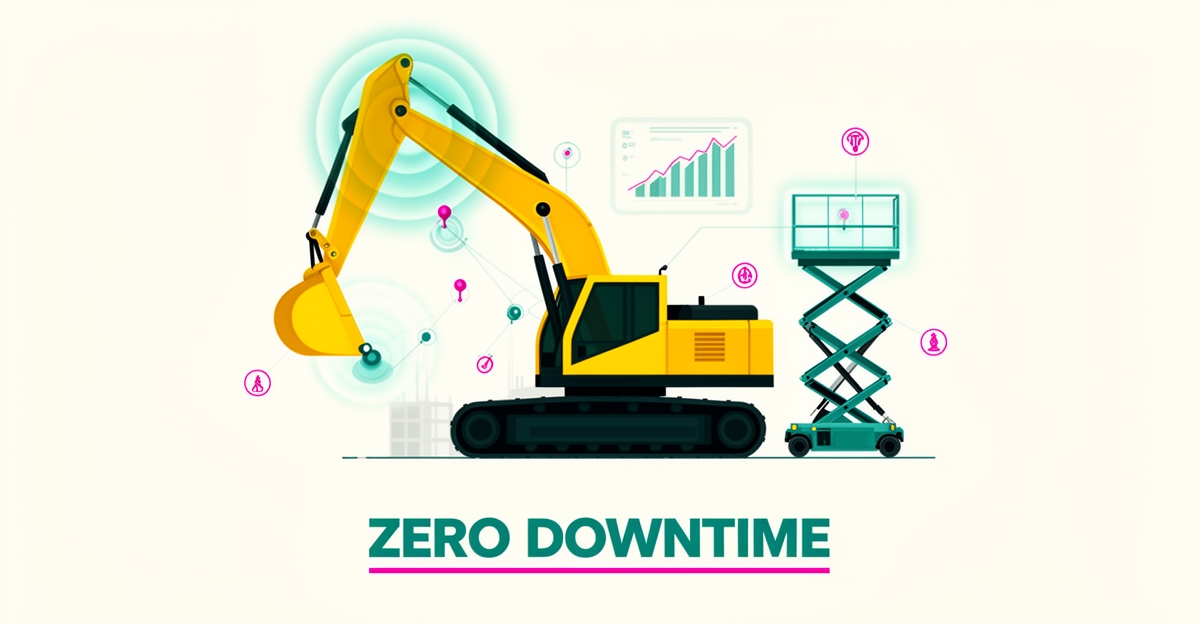
The process begins with IoT sensors installed directly on equipment, continuously collecting data on vibration, temperature, pressure, and usage patterns. This stream of operational data feeds into machine learning models that establish baseline performance and identify subtle deviations that human inspections might miss. Industry research commonly credits AI-driven equipment monitoring with downtime reductions of up to 40%, making it a powerful tool for rental businesses aiming to maximize asset availability.
These insights are then processed through AI agents that recognize failure patterns and trigger automated workflows—such as generating work orders, notifying maintenance teams, or scheduling inspections—without manual intervention. The system operates in a continuous loop: sensors gather data, AI analyzes it for anomalies, alerts are routed to the right personnel, and actions are taken before performance degrades. This pipeline—sensor integration, AI agents, pattern recognition, real-time monitoring, and human-machine interaction—ensures maintenance is timely, targeted, and traceable.
AIQ Labs embeds predictive alerts into daily workflows so teams act on data, not guesswork. By automating the detection-to-action chain, companies reduce unplanned outages, extend equipment life, and build stronger customer trust through reliable service delivery. As workflow automation adoption grows—projected to exceed $78 billion by 2030—AI-powered maintenance is becoming a core competency for rental operations. Industry research suggests that predictive maintenance not only prevents failures but also optimizes resource use, turning maintenance from a cost center into a strategic advantage. Market analysis reports first-year productivity gains of 30–40% for organizations implementing workflow automation, reinforcing the operational value of these integrated systems.
The Business Case: Downtime Reduction, Cost Savings, and Customer Trust
Rental downtime is revenue lost. When equipment fails in the field, rental companies absorb repair costs, replacement logistics, and the customer trust hit that follows.
AI-powered maintenance alerts flip the model from reactive repairs to predictive prevention. By analyzing real-time usage and sensor data, systems schedule maintenance checks, monitor usage patterns, and trigger alerts for underperforming or high-risk equipment before failure occurs.
The financial case is measurable. Industry research commonly credits AI-driven equipment monitoring with downtime reductions around 40%. That reduction translates directly into more billable hours, fewer emergency dispatches, and higher asset utilization across the fleet.
Workflow automation underpins the payoff. Workflow automation data reports average annual savings per organization of roughly $46,000, with payback periods typically under 12 months. Rental operators recover their investment quickly while building a more reliable service model.
Productivity gains compound the benefit. The same workflow automation statistics cite first-year productivity gains of 30–40% for full automation deployments. For rental teams, that means maintenance staff spend less time chasing issues and more time executing planned work.
For rental-specific operations, the impact shows up in three connected areas:
- Extended asset lifespan from early detection of potential issues and timely interventions
- Optimized maintenance schedules that replace time-based checks with condition-based actions
- Improved equipment availability that builds customer trust and repeat bookings
Reliable availability is the core promise rental customers buy. When alerts prevent breakdowns, teams deliver on time, protect margins, and strengthen retention.
AIQ Labs integrates these workflows into daily operations through AI Workflow Builds, reducing breakdowns and improving customer trust. The approach aligns with how rental companies already think about fleet health, just with predictive intelligence instead of reactive firefighting.
The business case is clear: fewer failures, lower costs, and a fleet customers can depend on.
Implementation Roadmap: Bringing AI Maintenance Alerts Into Daily Operations
Rental companies looking to implement AI-powered maintenance alerts can start by auditing their current maintenance workflows to identify gaps and opportunities for automation. This foundational step ensures that AI integration aligns with existing operational rhythms rather than disrupting them. By mapping out how maintenance tasks are currently scheduled, tracked, and executed—often relying on manual logs or time-based intervals—companies can pinpoint where real-time sensor data and intelligent alerts will deliver the most immediate value. AIQ Labs supports this discovery through a free Fit Check and strategy call, helping businesses assess readiness and design a tailored roadmap for implementation.
Prioritizing high-risk, high-value equipment is the next critical step, focusing resources where downtime carries the greatest financial and reputational cost. Assets such as generators, HVAC units, or construction machinery that are frequently rented and expensive to repair or replace benefit most from predictive monitoring. AI-driven systems can analyze usage patterns, vibration, temperature, and other sensor inputs to forecast failures before they occur—downtime reductions of up to 40% are commonly cited in industrial applications. This targeted approach allows rental companies to achieve quick wins while building confidence in the technology's reliability.
Integrating sensor data with existing maintenance and asset management systems requires careful planning but is made more accessible through modern workflow automation platforms. These tools streamline data flow from IoT sensors to alert generation and work order creation, minimizing manual intervention. With the workflow automation market projected to exceed $78 billion by 2030, rental companies can leverage scalable, interoperable solutions that lower the barrier to entry for AI adoption. AIQ Labs builds the custom connectors that link sensor inputs with CRM, scheduling, and inventory systems to trigger automated maintenance workflows—delivered as a fixed-price AI Workflow Build or, for companies ready to go further, a full AI Operating System owned outright.
Deploying automated alert and scheduling workflows transforms insights into action, ensuring that maintenance teams receive timely notifications and can respond before equipment fails. AI agents can prioritize alerts based on risk level, suggest optimal service windows, and even initiate parts ordering or technician dispatch—reducing response times and improving first-time fix rates. This end-to-end automation not only cuts operational costs but also enhances customer trust by ensuring equipment arrives in reliable, ready-to-use condition. Over time, these systems continuously learn from performance data, refining predictions and further optimizing maintenance cycles.
Getting Started: From First Alert to Fully Automated Maintenance
Rental companies often wait for equipment to fail before acting, leading to costly downtime and frustrated customers. AI-powered maintenance alerts flip this script by using sensor data and machine learning to predict failures before they happen, turning maintenance from a reactive chore into a strategic advantage.
By continuously monitoring usage patterns, vibration, temperature, and other operational signals, AI systems can detect subtle anomalies that precede breakdowns. This enables rental teams to schedule interventions during planned downtime, avoiding emergency repairs and keeping assets in service longer. Industry research commonly credits AI-driven equipment monitoring with downtime reductions around 40%, directly translating to more available inventory and higher utilization rates.
Workflow automation serves as the backbone that turns AI insights into action. When sensors flag a potential issue, automated workflows can instantly generate work orders, notify technicians, and update maintenance logs—eliminating manual handoffs and delays. This integration ensures that predictive alerts don't just sit in a dashboard but trigger real-world actions that prevent failures. Businesses implementing workflow automation report average annual savings of roughly $46,000 and first-year productivity gains of 30–40%, with payback periods typically under 12 months.
The benefits extend beyond cost savings. Proactive maintenance extends asset lifespan by addressing wear before it escalates, reducing capital replacement needs. More importantly, reliable equipment builds customer trust—renters experience fewer disruptions, leading to higher satisfaction and repeat business. As more than 80% of organizations plan to maintain or increase automation investment, rental companies that adopt AI-powered maintenance now position themselves ahead of competitors still relying on fixed schedules or break-fix models.
To get started, focus on one high-impact area—such as monitoring generators, HVAC units, or construction equipment—where downtime carries the highest cost. Prove the ROI with measurable reductions in emergency repairs and increased uptime, then expand across your fleet. AIQ Labs helps rental companies build AI maintenance alert systems they own outright, with flexible payment models: Start Monthly, Build in Milestones, or Own It Outright. Begin with a free Fit Check and a 30-minute strategy call to map your highest-ROI automation opportunity.
Still paying for 10+ subscriptions that don’t talk to each other?
We build custom AI systems you own outright. No vendor lock-in. Full control.
Not sure where to start? Ask our AI planner
Frequently Asked Questions
How much downtime can AI-powered maintenance alerts actually prevent?
How do AI maintenance alerts work in practice?
Is the investment in AI maintenance automation worth it for a rental company?
What's the difference between AI-powered maintenance and my current scheduled servicing?
Which equipment should I start monitoring first?
How do I get started with AI maintenance alerts for my fleet?
Turn Downtime Into Uptime With Predictive Intelligence
AI-powered maintenance alerts transform rental operations from reactive firefighting to proactive fleet management. By combining IoT sensors, machine learning, and automated workflows, rental companies can detect equipment issues before they cause failures—downtime reductions of up to 40% are commonly cited—while extending asset lifespan and strengthening customer trust. The business case is compelling: fewer emergency repairs, more billable hours, and the kind of reliable service that turns first-time renters into repeat customers. For rental companies ready to move beyond calendar-based maintenance and manual tracking, the path forward starts with identifying your highest-risk, highest-value assets. AIQ Labs helps rental businesses build AI maintenance systems that integrate into daily operations—whether as a single fixed-price workflow build or a full operating layer you own outright—turning sensor data into actionable alerts and automated work orders. Start with a free Fit Check and strategy call to map your highest-ROI automation opportunity and discover how predictive maintenance can protect your fleet, your revenue, and your reputation.
Make AI your competitive advantage — not just another tool.
Strategy, implementation and ongoing optimization. One partner, end to end.
Not sure where to start? Ask our AI planner