AI-Powered Move Tracking: How Customers Love Real-Time Updates
Key Facts
- 79% of customers expect real-time tracking for deliveries according to industry research
- AI fleet management analysis reports $54,000–$120,000 in annual savings versus manual dispatch per fleet management analysis
- AI-powered route planning takes under 5 minutes vs. 60–120 minutes manually per fleet management analysis
- AI enables a single dispatcher to manage 35–50 vehicles vs. 10–12 manually per fleet management analysis
- AI handles up to 95% of routine customer service interactions per customer service research
- Dynamic rerouting with AI takes 30–90 seconds vs. 15–45 minutes manually per fleet management analysis
Hire a team member that works 24/7 — for less than a part-time wage.
AI receptionists, SDRs, dispatchers and 99+ roles. Trained on your business, fully managed.
Not sure where to start? Ask our AI planner
The Trust Gap in Modern Moving: Why Customers Demand Real-Time Visibility
The moving industry has long operated behind a curtain of uncertainty, leaving customers refreshing their phones for a call that never comes. That opacity is no longer tolerable; modern consumers have carried the "track my pizza" expectation into high-stakes logistics, and the data confirms the shift. According to industry research, 79% of customers now expect real-time tracking for their deliveries, turning visibility from a perk into a baseline requirement.
When a household's possessions disappear into a truck for days without a digital trace, anxiety compounds rapidly. Traditional dispatch methods rely on manual check-ins and static ETAs that crumble the moment traffic, weather, or loading delays appear. Fleet management analysis suggests manual dispatching carries meaningfully higher total operating costs than AI-optimized alternatives, largely because human coordinators can only manage 10–12 vehicles effectively while reacting to problems instead of preventing them. That operational blindness forces customers to become detectives, flooding support lines with "where is my stuff?" inquiries that erode trust and burn margin.
The trust gap manifests in three costly ways:
- Support teams drown in repetitive status requests that AI could resolve instantly
- Vague delivery windows drive negative reviews before the job is even finished
- Lack of proactive communication turns minor delays into perceived incompetence
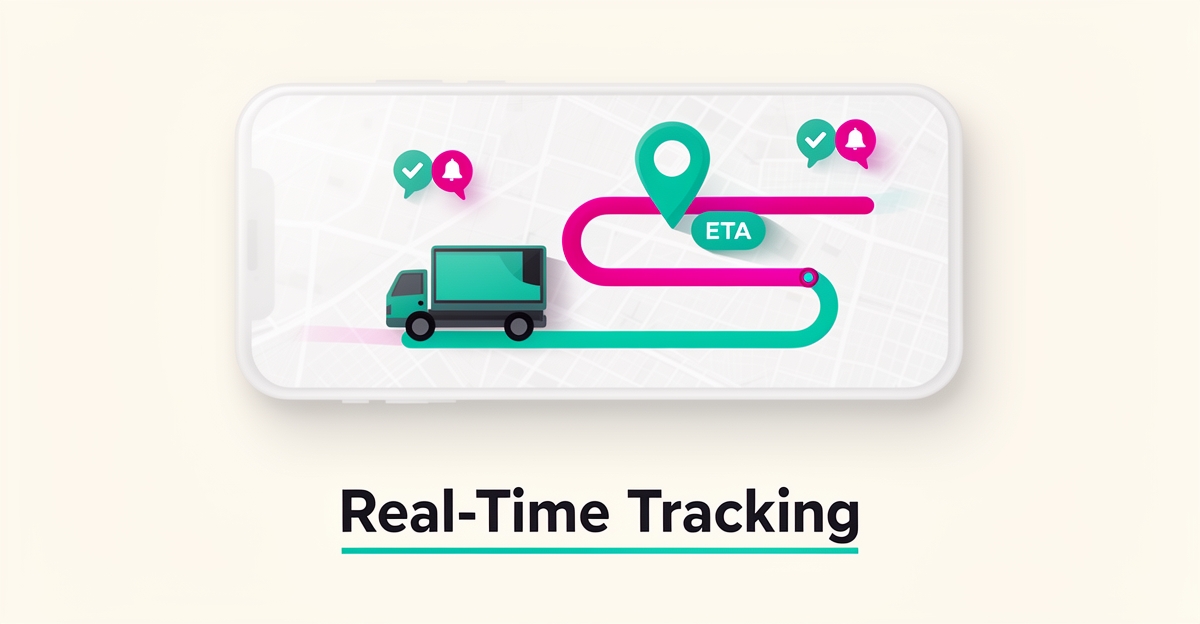
Customer service research indicates that AI-driven systems can handle up to 95% of routine interactions, resolving inquiries instantly and preserving human bandwidth for complex exceptions. For moving companies, this means replacing the "black box" experience with a live dashboard that shows truck location, crew status, and a dynamic ETA — automatically updated without a dispatcher lifting a finger.
AIQ Labs builds these tracking experiences as part of its AI Workflow Builds offering — rebuilding the one workflow that costs you the most (dispatch communication, status updates, customer notifications) at a fixed price, in phases. The companies that close this trust gap don't just reduce support tickets; they convert transparency into referrals, repeat business, and a reputation that arrives before the truck does.
How AI-Powered Tracking Transforms Customer Experience and Operational Efficiency
Real-time visibility changes how moving customers feel about the process. AI-powered move tracking replaces phone tag and vague estimates with live location, accurate ETAs, and proactive alerts that build trust from pickup to delivery.
Customers now expect transparency. Industry research shows 79% of customers expect real-time tracking for deliveries, and AI-driven dashboards deliver that expectation with automated notifications and precise ETAs. This visibility reduces status inquiry calls and turns uncertainty into confidence.
Operationally, the shift is just as dramatic. Fleet management analysis reports AI systems save businesses $54,000 to $120,000 annually versus manual dispatch. Route planning drops from 60–120 minutes manually to under 5 minutes with AI, while dynamic rerouting takes 30–90 seconds instead of 15–45 minutes.
Dispatcher capacity scales without proportional hiring. With AI assistance a single dispatcher can manage 35–50 vehicles, compared with 10–12 vehicles manually. That scalability lets moving companies grow fleet size while holding overhead flat.
Customer service also transforms from reactive to proactive. AI customer service guidance notes AI tools can handle up to 95% of routine interactions, resolving inquiries instantly and freeing human agents for complex exceptions. The result is 24/7 support, faster first-call resolution, and consistent omnichannel context.
AIQ Labs helps moving companies deploy dynamic, mobile-friendly tracking systems that keep customers engaged and informed from pickup to delivery — including AI receptionists and dispatchers from its AI Employees lineup that answer status questions around the clock at a fraction of the cost of a human hire.
The dual impact shows up in daily operations:
- Accurate ETAs and proactive delay alerts reduce anxiety and inbound calls
- Automated notifications keep customers informed without dispatcher intervention
- Live dashboards provide real-time transparency that builds trust
- AI handles routine inquiries, agents focus on exceptions
Together, improved satisfaction and efficiency create a compounding advantage. Customers stay informed, dispatchers manage more vehicles, and compliance reporting automates away hours of manual work each week.
From Dashboard to Delivery: Implementing AI Tracking That Customers Love
Moving companies today face rising customer expectations for transparency and real-time updates throughout the relocation process. Implementing AI-powered tracking systems meets this demand while delivering measurable operational benefits. Industry analysis reports that AI fleet management saves businesses $54,000 to $120,000 annually compared to manual dispatch methods. These systems also enable a single dispatcher to manage 35–50 vehicles—up from a manual limit of 10–12—improving scalability without proportional headcount increases.
The implementation process begins with a thorough assessment of current operations, including fleet size, dispatch workflows, and customer communication gaps. Moving companies should then select an AI platform offering real-time GPS tracking, dynamic route optimization, and seamless integration with existing CRM and payroll systems—prioritizing ease of use and data security. Hardware installation, such as GPS trackers, typically requires 30–60 minutes per vehicle, followed by software configuration to set up geofencing, alert parameters, and automated notifications. Staff training for drivers and dispatchers focuses on how AI simplifies their tasks, with an adaptation period of 1–2 weeks. Once deployed, continuous monitoring of KPIs like fuel consumption, route adherence, and customer satisfaction scores allows for ongoing optimization using AI-generated insights.
AIQ Labs supports this transition with flexible payment models: Start Monthly for ongoing AI staff and system improvements, Build in Milestones for a fixed-price workflow rebuild delivered in phases, and Own It Outright for companies that want full ownership of the finished system. This approach eliminates upfront risk while letting moving companies deploy AI tracking that keeps customers informed and engaged from pickup to delivery—directly addressing the 79% of consumers who expect real-time tracking for their deliveries. By combining operational efficiency with proactive customer engagement, AI-powered tracking transforms a traditional pain point into a competitive advantage in customer trust and satisfaction.
Still paying for 10+ subscriptions that don’t talk to each other?
We build custom AI systems you own outright. No vendor lock-in. Full control.
Not sure where to start? Ask our AI planner
Frequently Asked Questions
What percentage of customers now expect real-time tracking for their deliveries?
How much can moving companies save annually by switching from manual dispatch to AI-powered fleet management?
How many vehicles can a single dispatcher manage with AI assistance compared to manual methods?
What percentage of customer interactions can AI handle in customer service for moving companies?
How long does it take for AI to plan daily routes compared to manual dispatch?
How does AIQ Labs implement AI tracking for a moving company?
Turn Transparency Into Your Competitive Edge
Real-time move tracking is no longer a nice-to-have; it’s the baseline customers expect. With 79% of customers now expecting real-time tracking for deliveries, the black-box moving experience is a direct threat to trust, reviews, and referrals. AI-powered visibility closes that gap by replacing phone tag with live location, dynamic ETAs, and proactive alerts, while cutting operational drag. Companies see route planning drop from hours to minutes, dispatchers scale from 10–12 to 35–50 vehicles, and AI handles up to 95% of routine status inquiries so teams can focus on exceptions. The result is compounding: less anxiety for customers, fewer support calls, and measurable savings that fund growth. If you’re ready to make transparency a growth lever, start by mapping your current dispatch and communication gaps against a mobile-friendly tracking experience. AIQ Labs has deployed 200+ multi-agent systems and runs four live systems of its own daily, so the tracking workflows it builds are proven in production. Start the Fit Check at https://aiqlabs.ai/apply, then book a free strategy call at https://aiqlabs.ai/book to map your biggest bottleneck and high-ROI automation opportunities. Questions first? Reach the team at [email protected].
Make AI your competitive advantage — not just another tool.
Strategy, implementation and ongoing optimization. One partner, end to end.
Not sure where to start? Ask our AI planner