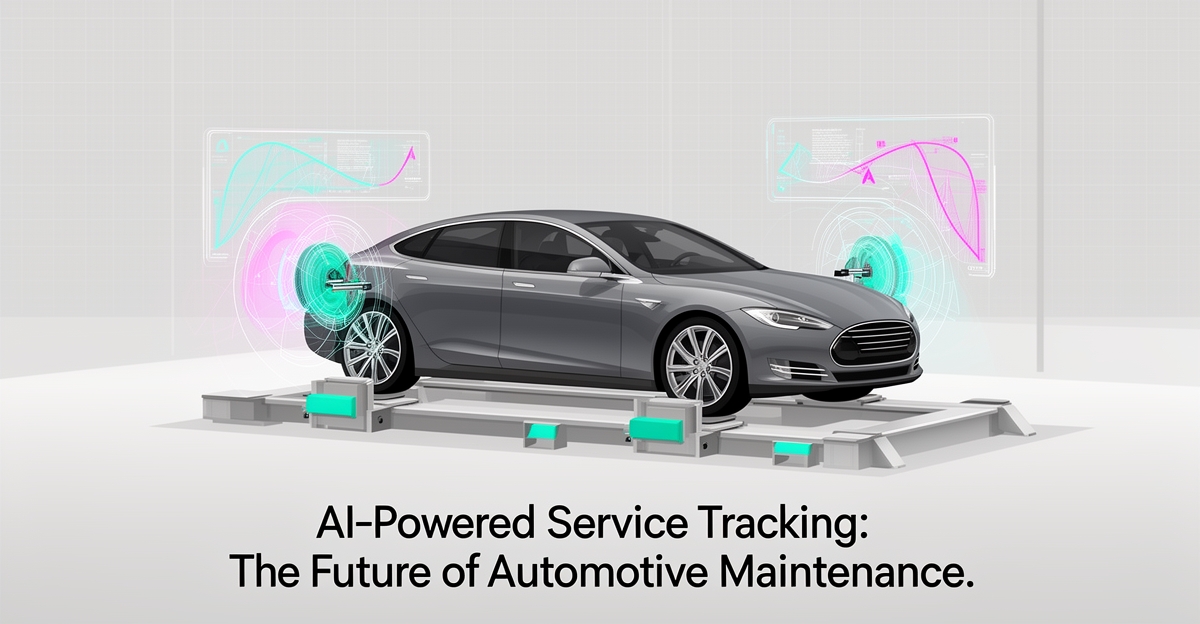
AI-Powered Service Tracking: How Alignment Shops Can Reduce Repeat Visits
Key Facts
- Computerized wheel alignment delivers ±0.1° precision regardless of operator skill according to John Bean research
- AI scheduling tools cut average customer wait times by 20-30 minutes per AI Scale Labs
- Shops using AI scheduling see 28% improvement in bay utilization per AI Scale Labs
- AI predictive maintenance can reduce downtime by 85% according to Master of Code
- Predictive maintenance improves asset visibility by 88% per Master of Code research
- Predictive software forecasts failure with 95% accuracy up to 30 days ahead per iFactory
Hire a team member that works 24/7 — for less than a part-time wage.
AI receptionists, SDRs, dispatchers and 99+ roles. Trained on your business, fully managed.
Not sure where to start? Ask our AI planner
Why Repeat Alignment Visits Are Costing Shops Revenue
Repeat alignment visits are silently eroding shop profitability through reactive maintenance cycles, inconsistent operator performance, and scheduling inefficiencies. When shops wait for customers to return with noticeable tire wear or handling issues, they miss opportunities to address alignment problems before they escalate—turning preventative care into costly repeat interventions. This reactive approach not only increases labor and parts costs but also frustrates customers who expect lasting solutions from a single visit.
Traditional alignment methods compound these issues by introducing variability that computerized systems eliminate. According to industry research, manual techniques depend heavily on operator skill and experience, leading to inconsistent results that often require follow-up adjustments. In contrast, computerized wheel alignment delivers precision within ±0.1°, ensuring consistent accuracy regardless of who performs the service and reducing the likelihood of premature tire wear that brings customers back sooner than expected.
Scheduling shortcomings further amplify the problem, creating friction that drives customers to competitors. AI scheduling tools demonstrate that optimized appointment management can reduce average customer wait times by 20-30 minutes and improve bay utilization by 28%, directly addressing two major pain points: perceived inefficiency and scheduling conflicts. When shops fail to leverage such tools, they risk overbooking, underutilizing bays, and frustrating customers with delays—all of which increase the likelihood of no-shows and erode trust in the shop’s reliability.
- Reactive maintenance increases repeat visits by addressing symptoms rather than root causes
- Operator-dependent alignment accuracy leads to inconsistent results requiring follow-up
- Poor scheduling increases wait times and no-shows, damaging customer retention
- Computerized systems provide ±0.1° precision, eliminating experience-based variability
- AI-powered scheduling reduces wait times by 20-30 minutes and improves bay utilization by 28%
By integrating AI-powered service tracking—such as the proactive maintenance prediction capabilities offered through AIQ Labs’ AI Employees—alignment shops can shift from reactive fixes to anticipatory care. This approach uses service history, wear patterns, and customer data to forecast realignment needs before issues arise, minimizing repeat visits while building long-term retention through demonstrated expertise and reliability.
How AI Predicts Realignment Needs Before Failure
AI-powered service tracking transforms alignment shop operations by predicting realignment needs before failure occurs. By analyzing service history, vehicle wear patterns, and customer preferences, AI systems can forecast when a vehicle will require maintenance with remarkable precision. This predictive approach shifts shops from reactive fixes to proactive care, directly addressing the root causes of repeat visits.
According to industry research, AI-powered predictive maintenance can reduce downtime by 85% and improve asset visibility by 88%. These gains come from continuous monitoring of alignment-related metrics—such as tire wear angles, suspension stress, and driving behavior patterns—that signal developing issues long before they become noticeable to drivers. Shops using these systems gain a clearer picture of each vehicle’s health trajectory.
The accuracy of these forecasts is equally impressive. Predictive maintenance software can forecast failure probability and remaining useful life with 95% accuracy, up to 30 days in advance. This level of precision allows alignment shops to schedule services at the optimal moment—neither too early, wasting customer time, nor too late, risking further damage or safety concerns. Customers benefit from fewer unexpected issues and greater trust in the shop’s expertise.
- Tracks historical alignment adjustments and correlates them with driving patterns
- Monitors tire wear indicators that precede measurable misalignment
- Integrates customer feedback on handling or pulling sensations
- Flags vehicles with recurring adjustment needs for deeper inspection
- Adjusts prediction models based on road conditions and seasonal factors
By leveraging these insights, AIQ Labs helps alignment shops implement systems that anticipate service needs before customers even notice a problem. This capability not only reduces repeat visits but strengthens retention by demonstrating consistent, forward-thinking care—turning maintenance into a relationship-building opportunity rather than a corrective chore.
AI Scheduling That Increases Bay Utilization and Retention
AI-powered scheduling transforms how alignment shops manage their workflow, directly addressing the inefficiencies that lead to customer frustration and repeat visits. By analyzing real-time bay availability, technician expertise, and historical service data, AI systems dynamically optimize appointment slots to minimize idle time and maximize throughput. This precision reduces average customer wait times by 20-30 minutes, creating a smoother experience that aligns with modern expectations for speed and reliability. AI scheduling tools deliver measurable operational gains, with shops seeing a 28% improvement in bay utilization and a 35% reduction in scheduling conflicts—critical factors in maintaining consistent service quality without overburdening staff or resources.
Beyond immediate efficiency, AI scheduling enables proactive maintenance strategies that prevent issues before they necessitate a return visit. By continuously monitoring vehicle wear patterns, service history, and even driving habits inferred from past alignments, the system predicts when a realignment will be needed—often before the customer notices symptoms like pulling or uneven tire wear. Shops can then trigger automated, personalized reminders via email or SMS, inviting customers to schedule preventive service at their convenience. This shift from reactive to predictive care not only cuts down on emergency realignments but also builds trust, as customers appreciate the foresight and transparency. When combined with AI-driven bay optimization, these reminders ensure that proactive appointments fill otherwise underutilized slots, turning retention into a tangible operational advantage.
The result is a self-reinforcing cycle: better scheduling increases capacity for preventive care, which reduces repeat visits, which in turn frees up more bays for new and returning customers. Shops using AI-powered scheduling report not only fewer no-shows and conflicts but also higher customer satisfaction scores, as clients experience fewer disruptions and greater confidence in their vehicle’s long-term performance. For alignment businesses aiming to grow retention without increasing overhead, AI scheduling isn’t just an upgrade—it’s a foundational shift toward smarter, more sustainable service delivery. AIQ Labs helps shops implement these systems as part of a broader AI transformation, ensuring that scheduling intelligence integrates seamlessly with customer history tracking and predictive maintenance workflows to drive lasting retention gains.
From Data to Proactive Service: Implementation for Alignment Shops
Shops ready to shift from reactive fixes to proactive care can start by unifying their service data into a single AI-accessible system. This means connecting existing tools like scheduling software, CRM platforms, and vehicle service logs so AI can analyze patterns in alignment history, tire wear, and customer behavior. As noted in industry research, 60% of manufacturers are actively moving away from reactive or time-based maintenance strategies, making this foundational step critical for shops aiming to predict service needs before issues arise. According to Master of Code, this shift enables predictive maintenance that can reduce downtime by 85% and improve asset visibility by 88%.
Next, staff need practical training to work alongside AI insights rather than seeing them as a replacement. Upskilling focuses on interpreting AI-generated service recommendations, understanding vehicle wear predictions, and using scheduling tools that optimize bay utilization. Shops implementing AI scheduling tools report a 28% improvement in bay utilization and 35% fewer scheduling conflicts, directly translating to smoother operations and better customer flow. AI Scale Labs confirms these tools can also reduce average customer wait times by 20-30 minutes, enhancing satisfaction while freeing up capacity for preventive alignment checks.
Finally, choosing the right implementation approach ensures sustainability without overextending resources. AIQ Labs offers flexible paths like Start Monthly for managed AI Employees handling proactive scheduling and retention outreach, or Build in Milestones for shops wanting to phase in custom tracking systems—such as one that flags vehicles due for realignment based on mileage, road conditions, and past service gaps. This modular approach lets shops validate results early, keep what’s built, and scale only when ROI is clear, aligning with the practical innovation that drives real transformation.
Still paying for 10+ subscriptions that don’t talk to each other?
We build custom AI systems you own outright. No vendor lock-in. Full control.
Not sure where to start? Ask our AI planner
Frequently Asked Questions
How can AI predict when my customer's car will need a realignment?
Why do customers keep coming back for repeat alignment visits?
Does AI scheduling actually improve shop efficiency?
What do I need to implement AI service tracking in my shop?
Is AI-powered maintenance actually proven, or just hype?
Will AI replace my technicians?
From Reactive Fixes to Proactive Retention: Your Next Step
AI-powered service tracking transforms alignment shops by eliminating guesswork—replacing reactive maintenance with predictive insights that reduce repeat visits through precise scheduling, bay optimization, and proactive customer outreach. By unifying service history, wear patterns, and AI-driven forecasting, shops not only cut costs from unnecessary follow-ups but build lasting trust through consistent, forward-thinking care. The result is a self-reinforcing cycle: fewer return visits free up capacity, improve satisfaction, and strengthen retention without adding overhead. Ready to see how this works for your shop? Start with a free, no-obligation Fit Check to identify your highest-ROI automation opportunity—then schedule a 30-minute strategy call to map your path forward. [Start the Fit Check](/apply)
Make AI your competitive advantage — not just another tool.
Strategy, implementation and ongoing optimization. One partner, end to end.
Not sure where to start? Ask our AI planner