AI-Powered Service Tracking: How to Monitor Maid Service Performance in Real Time
Key Facts
- AIQ Labs' AI Employees typically cost around 80% less than a human hire while working around the clock with zero missed calls
- AIQ Labs has deployed 200+ multi-agent systems and runs 4 live SaaS products daily
- Modern monitoring platforms can track dozens of KPIs across operations, giving managers a live view of service health
- AI-powered service tracking enables predictive insights instead of reactive firefighting for maid services
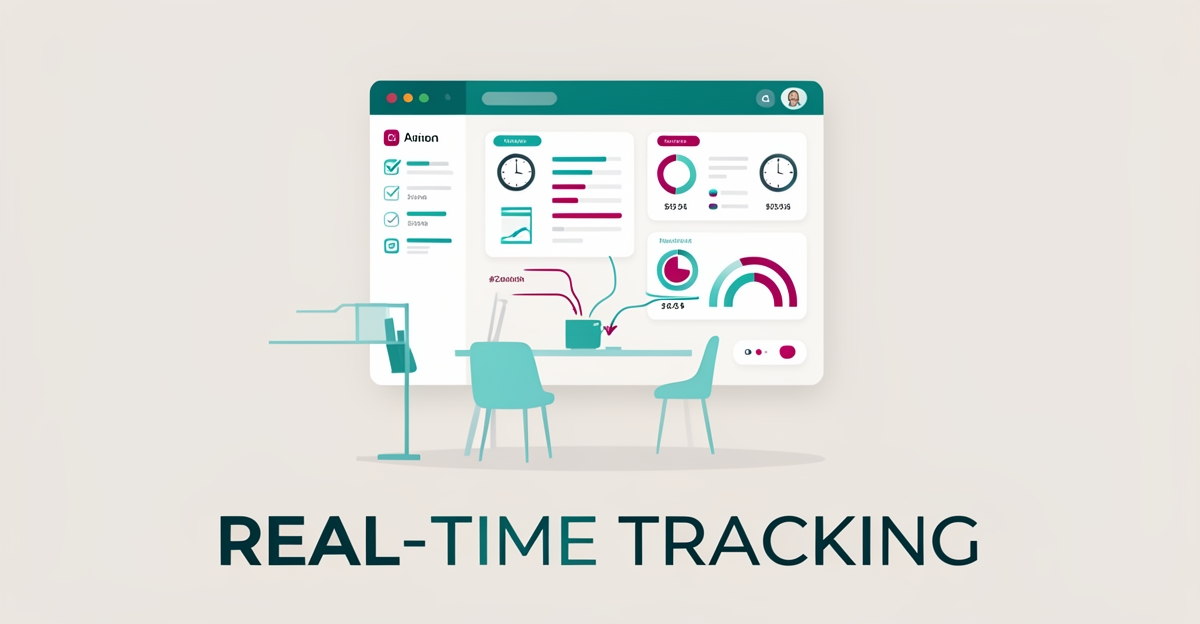
- Real-time dashboards provide visibility into service completion, client sentiment, and follow-up actions across the client journey
- AIQ Labs builds systems you own outright, no vendor lock-in, no rented software you can never take with you
Hire a team member that works 24/7 — for less than a part-time wage.
AI receptionists, SDRs, dispatchers and 99+ roles. Trained on your business, fully managed.
Not sure where to start? Ask our AI planner
The Hidden Cost of Blind Service Delivery: Why Traditional Tracking Fails
Missed cleanings, late follow-ups and inconsistent quality don't announce themselves. They accumulate quietly until a loyal client churns and the reason is never fully clear.
Traditional maid service tracking relies on paper logs, end-of-day texts and memory. That manual approach creates blind spots across the entire client journey. Service completion, client feedback and follow-up actions stay siloed, so problems surface only after trust is eroded.
AI-powered service tracking changes the visibility equation by analyzing data from check-ins, task photos, call transcripts, messages and system logs to identify patterns and anomalies. This goes beyond traditional monitoring by providing actionable insights that drive better decisions and better customer experiences.
The cost of reactive firefighting shows up in three predictable ways:
- Missed follow-ups after a service visit, leaving satisfaction issues unresolved
- Delayed feedback loops that prevent real-time quality correction
- Inconsistent quality across cleaners because performance is not measured objectively
Without real-time dashboards, managers cannot see service quality and recurring-client trends as they happen. Modern monitoring platforms for business operations use AI and machine learning to provide real-time insight into performance, tracking key performance indicators, identifying bottlenecks and sending proactive alerts. Enterprise monitoring tools typically observe a wide range of KPIs tied to system and operational health, so the same pattern applies to service businesses.
Real-time monitoring for proactive issue detection is what makes this reliable. It means tracking behavior, detecting anomalies and identifying potential issues before they escalate, the difference between fixing a problem on the day it happens and discovering it in a churned client's exit email.
One caution: when visibility expands, so does responsibility. Employee monitoring, especially anything involving video, audio or device tracking, raises real privacy and ethical questions. Transparent policies and clear consent are essential before you point a camera at your team.
The result of blind delivery is reactive firefighting instead of proactive service optimization. Teams chase complaints rather than preventing them, and client churn becomes the default metric for failure.
AI Customer Journey Optimization makes the entire service loop visible. Real-time dashboards show service quality and recurring-client trends, while AI tracks service completion, client feedback and follow-up actions across the entire client journey. AIQ Labs builds systems that automatically log service outcomes and flag underperforming areas, turning invisible gaps into measurable actions. If you want that visibility built around your one most expensive workflow, AI Workflow Builds is the fastest entry point.
How AI Transforms Service Tracking: From Reactive Logs to Predictive Insights
AI-powered service tracking moves maid service operations from guessing to knowing. Real-time dashboards and multi-agent systems surface service completion, client sentiment, and follow-up actions across the entire client journey before issues escalate.
Traditional logs capture what happened after the fact. AI transforms those logs into live visibility by analyzing check-in data, call and message transcripts, and system logs to identify patterns and anomalies. Modern video and audio AI services can extract object detection, speech transcription and topic extraction from recordings, giving a comprehensive view of service delivery where that fits your policies.
Real-time monitoring makes proactive issue detection practical: tracking behavior, detecting anomalies and flagging potential issues before they escalate. That is the core shift from reactive to predictive.
Comprehensive monitoring platforms bring operational rigor to service businesses. They track key performance indicators, identify bottlenecks and deliver proactive alerts, the same discipline enterprise IT teams apply to system health, applied to cleaning crews and client relationships.
AI agents add control and automation to the tracking loop. Voice, gesture and remote-control features streamline interactions, and AI agents increasingly handle the routine parts of monitoring hands-free, logging, alerting and follow-up without a manager babysitting a dashboard.
For maid services, this translates into concrete visibility across the client journey:
- Service completion verification via automated logging of check-ins, task photos and time-stamped confirmations
- Client sentiment detection from post-visit surveys, call transcripts and messaging tone
- Follow-up action surfacing such as repeat bookings, re-clean requests or supply replenishment
- Anomaly flagging for missed steps, late arrivals or recurring complaints at specific properties
The infrastructure behind these capabilities is enterprise-grade. Major cloud AI platforms invest heavily in security and compliance, with thousands of dedicated security personnel and dozens of regional compliance certifications, so the monitoring layer itself doesn't become your weakest link.
AIQ Labs builds custom AI systems that automatically log service outcomes and flag underperforming areas for improvement. By weaving multi-agent orchestration, real-time dashboards and automated feedback loops into your CRM and client journey, businesses gain predictive insights rather than post-mortem reports. With 200+ multi-agent systems deployed and 4 live SaaS products AIQ Labs runs daily, this is proven infrastructure, not a science project. For businesses that want the whole operation connected, not just one workflow, AI Operating Systems builds that layer in phases, owned outright.
Implementing AI Service Tracking: A Step-by-Step Guide for Maid Service Businesses
Implementing AI service tracking starts with selecting the right entry point for your operational needs, whether that's a fixed-price AI Workflow Build for service completion flags, an AI Employee to handle feedback triggers and follow-ups, or a full AI Operating System to connect everything. AIQ Labs builds these systems to integrate deeply with your existing CRM and scheduling tools while remaining fully owned by your business. That eliminates vendor lock-in and scales with your growth, turning reactive oversight into proactive service intelligence.
Once deployed, configure monitoring parameters around key service journey touchpoints: job completion timestamps, client satisfaction triggers, and missed follow-up actions. For example, set the system to flag when a cleaning exceeds scheduled time by 20% or when post-service feedback isn't captured within 24 hours. These parameters feed into real-time dashboards that surface underperforming areas, like teams consistently missing upsell opportunities or clients reporting inconsistent quality, allowing managers to intervene before issues escalate. Alerts can be routed via SMS, email, or in-app notifications based on severity, ensuring the right person sees the right insight at the right time.
Finally, integrate the AI tracking layer with your current infrastructure so service completion data automatically updates client records, invoices trigger based on verified job logs, and feedback loops initiate retention campaigns without manual handoffs. With AIQ Labs' Build in Milestones model, you can implement this integration phase by phase, validating each connection before moving forward, while retaining full ownership of every component built. The result is a self-optimizing service engine that improves with every job completed. Start with the 2-minute Fit Check to see which entry point fits, then book a free 30-minute strategy call to map it out.
Still paying for 10+ subscriptions that don’t talk to each other?
We build custom AI systems you own outright. No vendor lock-in. Full control.
Not sure where to start? Ask our AI planner
Frequently Asked Questions
How is AI service tracking different from the paper logs and end-of-day texts I use now?
Isn't monitoring cleaners with video and audio a privacy problem?
What kind of performance metrics can I actually see live?
Can AI really tell if a client is unhappy or if a step was missed?
How secure and enterprise-grade is this technology?
Can I implement AI tracking without getting locked into a vendor?
From Reactive Cleaning to Proactive Service Intelligence
AI-powered service tracking transforms maid service operations by turning invisible gaps into measurable actions, verifying completion, detecting sentiment, flagging anomalies, and automating follow-ups across the entire client journey. This shift from reactive firefighting to predictive insights directly protects revenue by preventing churn before it happens and optimizing team performance in real time. For businesses ready to move beyond guesswork, the path forward starts with a clear assessment of where AI can deliver the highest impact. Take the 2-minute Fit Check, then book a free 30-minute strategy call to map your biggest bottleneck and uncover high-ROI automation opportunities, and decide if building your own owned AI system makes sense for your growth. Questions in the meantime? Reach the team at [email protected].
Make AI your competitive advantage — not just another tool.
Strategy, implementation and ongoing optimization. One partner, end to end.
Not sure where to start? Ask our AI planner