Back to Blog

AI-Powered Site Comparison: How to Identify Changes Over Time in Construction Projects

AI Data Analytics & Business Intelligence > AI Data Enrichment & Augmentation16 min read

AI-Powered Site Comparison: How to Identify Changes Over Time in Construction Projects

Key Facts

  • Weekly drone flights automatically generate progress comparisons to track construction changes over time.
  • Architects often wade through terabytes of drone data that languish in digital silos.
  • Outdated drone data can lead to miscalculating building dimensions or missing structural changes.
  • AI processes photogrammetry point clouds to calculate stockpile volumes, cut, and fill quantities.
  • Siloed data or multiple versions make it difficult for AI to trust its insights.
  • AI enables roof and facade inspections without scaffolding, enhancing safety and accessibility.
AI Employees

What if you could hire a team member that works 24/7 for $599/month?

AI Receptionists, SDRs, Dispatchers, and 99+ roles. Fully trained. Fully managed. Zero sick days.

The Shift from Documentation to Management

Traditional drone flights generate massive amounts of data, yet most construction firms struggle to extract actionable insights from these assets. Architects often find themselves wading through terabytes of information that languish in digital silos, failing to provide immediate value. This passive storage model turns valuable site data into a liability rather than an asset, hiding critical progress indicators and potential delays.

We need to stop viewing drones merely as cameras and start treating them as management tools. AI transforms this passive documentation into active management by automating the analysis of high-resolution imagery and photogrammetry point clouds. This shift allows stakeholders to move beyond simple photo archives to dynamic, data-driven decision-making.

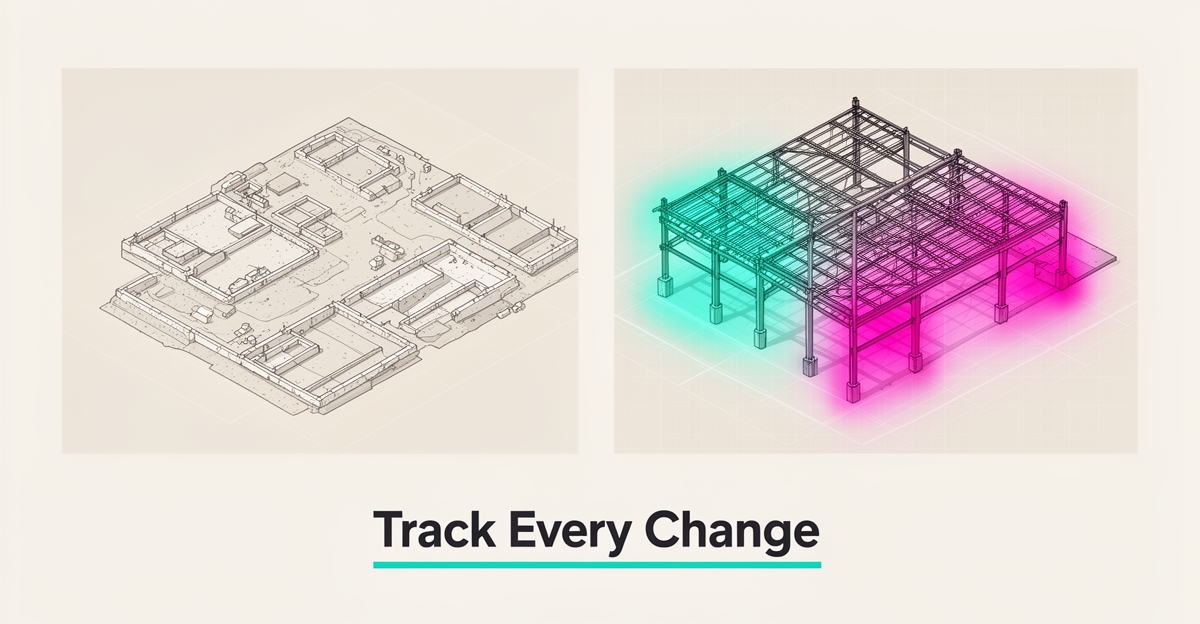
  • Automated Progress Comparisons: AI generates visual timelines from weekly flights to track changes over time.
  • Objective Volumetric Data: Calculates cut/fill quantities and stockpile volumes without manual surveying.
  • Real-Time Insight Generation: Analyzes data streams as they are generated to prevent outdated decision-making.

According to industry experts, outdated or siloed data leads to significant operational errors. As Jimmy Tam, CEO of Peer Software, notes, if AI solutions access out-of-date information, the resulting insights will be inaccurate at best. At worst, firms may fall foul of regulations or face legal challenges due to miscalculating building dimensions.

The solution lies in integrating AI into your inspection workflows to provide clients with visual timelines and trend analysis. By automating the comparison of drone images from different project phases, you can instantly highlight progress, delays, or deviations from the plan. This capability ensures that every stakeholder is viewing the same, verified data set.

  • Eliminate Manual Review: Remove the hours spent manually comparing weekly site photos.
  • Standardize Tracking: Ensure consistent data points through regular, scheduled drone flights.
  • Reduce Disputes: Use objective measurements to settle contractor-owner disagreements.

AIQ Labs integrates this capability into inspection workflows to provide clients with visual timelines and trend analysis. We don’t just deliver data; we deliver clarity. By connecting drone imagery to intelligent analytics, we turn raw footage into a strategic asset that drives project efficiency.

When data is stored in silos, AI has to work much harder, making it difficult to trust its insights. Designing Buildings emphasizes that maintaining multiple versions of data makes it difficult for AI to trust its insights. To avoid this, you need a unified system where data flows seamlessly from the field to the office.

Consider a mid-sized construction firm that previously relied on weekly manual photo reviews. By implementing AI-powered site comparison, they reduced the time spent on progress reporting by 80% and eliminated disputes over earthwork volumes. The AI automatically flagged a deviation in foundation grading two weeks before it would have caused a rework, saving thousands in potential delays.

This transition requires more than just software; it requires a strategic approach to data infrastructure. Real-time access to data allows AI algorithms to analyze streams as they are generated, providing immediate insights on emerging trends. Designing Buildings reports that this real-time capability ensures plans are based on what is happening right now, not an old snapshot.

Ultimately, the goal is to shift from reactive documentation to proactive management. By leveraging AI to compare images from different project phases, you identify changes over time with precision and speed. This approach not only improves efficiency but also builds trust with clients through transparent, data-backed reporting.

Ready to transform your construction site monitoring? Nomic.ai confirms that AI converts drone flights from a "mere documentation exercise" into a "management tool" that produces actionable outputs. Let’s build that management tool for your business.

Automating Progress and Volumetric Analysis

Moving beyond simple documentation, AI transforms drone imagery into a powerful management tool. By processing high-resolution photos and photogrammetry point clouds, these systems automatically generate weekly progress comparisons that highlight exactly what has changed since the last flight.

This shift from passive viewing to active analysis allows project managers to track deviations in real-time. Instead of manually piecing together site updates, stakeholders receive automated visual timelines that make delays or accelerations immediately obvious.

One of the most valuable applications of this technology is providing irrefutable evidence for contract management. AI-driven site comparison generates objective measurements for cut/fill calculations, stockpile volumes, and as-graded surfaces.

These precise metrics remove subjectivity from progress payments and change orders. When disputes arise over delivered quantities, contractors and owners can rely on defensible data rather than conflicting estimates.

Common volumetric calculations include:

  • Stockpile volume estimation for material tracking
  • Cut and fill quantity analysis for earthworks
  • Topographic surface updates for grading verification
  • As-built dimension comparisons against blueprints

However, these insights are only as good as the data feeding the algorithm. Outdated or siloed information leads to dangerous inaccuracies, such as miscalculating building dimensions or missing recent structural changes.

Jimmy Tam, CEO of Peer Software, notes that accessing out-of-date information can leave firms open to legal challenges or regulatory non-compliance. Real-time access to data streams ensures AI analyzes current conditions, not historical snapshots.

Key infrastructure requirements include:

  • Real-time data accessibility to avoid latency
  • Automated version control to prevent siloed files
  • Global access to avoid edge storage bottlenecks
  • Single source of truth for all site imagery

AIQ Labs integrates these advanced site comparison capabilities directly into client inspection workflows. We provide visual timelines and trend analysis that turn raw drone data into actionable business intelligence.

This approach eliminates the need for manual data entry or disparate software tools. By centralizing this data, we help businesses reduce operational errors and scale their project oversight without adding headcount.

Ready to transform your construction oversight? Contact AIQ Labs to architect a custom AI solution that delivers measurable ROI and true ownership of your data assets.

The Critical Role of Data Infrastructure

AI models are only as intelligent as the data they consume. Without a robust infrastructure, even the most advanced site comparison algorithms fail to deliver actionable insights.

Data accessibility is the foundation of AI accuracy. If your systems cannot ingest, process, and retrieve data in real-time, your AI tools will operate on stale information. This leads to dangerous miscalculations, such as incorrect building dimensions or missed structural deviations.

When drone imagery is stored in silos or local edge locations, AI struggles to trust its outputs. Stale data leads to costly operational errors. A Designing Buildings analysis warns that outdated information causes firms to miscalculate building dimensions or overlook recent structural changes.

Jimmy Tam, CEO of Peer Software, emphasizes that data latency creates legal and regulatory risks. He notes that if AI accesses out-of-date information, the resulting insights can be inaccurate, potentially leaving firms open to legal challenges or regulatory fines.

  • Edge Storage Limitations: Data trapped at the edge prevents centralized AI analysis.
  • Version Control Chaos: Multiple file versions confuse AI models, reducing trust in insights.
  • Delayed Decision Making: Waiting for data to sync misses critical windows for intervention.

AI algorithms require real-time access to data streams to provide immediate value. When AI can analyze data as it is generated, it identifies emerging trends and responds to unusual patterns instantly. This capability transforms drone flights from passive documentation into active management tools.

By ensuring AI has access to the most recent drone data, your project plans are based on current conditions rather than old snapshots. This approach enables:

  • Automated Progress Comparisons: Weekly flights generate instant visual timelines.
  • Objective Dispute Resolution: Accurate volumetric calculations settle contractor disputes.
  • Proactive Risk Mitigation: Immediate detection of safety hazards or deviations.

To leverage AI for site comparison, you must eliminate data silos. Centralized, version-controlled data ensures AI reliability. When files are stored globally with automated updates, AI models can confidently analyze trends over time.

Integrated systems allow AI to process photogrammetry point clouds for stockpile volumes and cut-and-fill quantities without manual intervention. This automation reduces the burden on architects who might otherwise wade through terabytes of unstructured information.

Ultimately, infrastructure dictates insight quality. Investing in seamless data pipelines ensures your AI delivers the accuracy needed to drive construction success.

Implementing AI-Driven Site Comparison

Transitioning from passive documentation to active management requires more than just better cameras; it demands a strategic integration of data infrastructure. By leveraging AI to compare drone imagery across project phases, construction firms can transform visual timelines into actionable intelligence for progress tracking and risk mitigation.

This shift turns routine site visits into powerful management tools that highlight deviations before they become costly delays. The goal is to move beyond simple photo archives toward automated progress comparisons that provide objective, measurable insights.

Reliable trend analysis begins with disciplined data collection. Irregular drone flights create gaps that hinder AI’s ability to detect subtle changes or emerging delays. To ensure your AI models receive consistent inputs, you must establish a rigid schedule for site captures.

Research indicates that weekly drone flights are the industry standard for automatically generating meaningful progress comparisons. This frequency provides enough data density to track structural growth without overwhelming storage with redundant images.

  • Establish a Weekly Schedule: Commit to regular flights to ensure comparable data points for every project phase.
  • Standardize Camera Angles: Use GPS waypoints to replicate exact flight paths, ensuring pixel-perfect alignment between weeks.
  • Monitor Weather Constraints: Plan flights around clear conditions to maintain image quality for accurate AI processing.

Consistent frequency allows the AI to distinguish between normal construction variability and actual project deviations. Without this rhythm, your visual timelines become fragmented narratives rather than coherent progress reports.

The accuracy of any AI-driven comparison is entirely dependent on the freshness of the data it analyzes. Storing files in silos or relying on outdated snapshots leads to critical errors, such as miscalculating building dimensions or overlooking recent structural changes.

Jimmy Tam, CEO of Peer Software, emphasizes that if AI solutions access out-of-date information, the resulting insights will be inaccurate at best. At worst, this data latency can leave firms open to legal challenges or regulatory non-compliance.

To prevent these risks, you must implement real-time data pipelines that feed live imagery directly into your analysis engines. This ensures that every decision is based on what is happening on-site right now, rather than an old snapshot from months ago.

  • Automate Data Ingestion: Configure drones to upload imagery immediately after flight, bypassing manual transfers.
  • Eliminate Data Silos: Store all site data in a centralized, globally accessible cloud environment for AI access.
  • Implement Version Control: Ensure the AI always analyzes the most recent version of site maps and photos.

As reported by Designing Buildings, keeping data accessible at the edge allows algorithms to analyze streams as they are generated. This immediacy is crucial for detecting unusual patterns or emerging safety hazards instantly.

Once data is standardized and flowing in real-time, AI can generate objective measurements that settle disputes and inform progress payments. By processing photogrammetry point clouds, AI calculates stockpile volumes, cut and fill quantities, and as-graded surfaces with precision.

These capabilities provide defensible data that removes subjectivity from site reporting. For example, AIQ Labs integrates these comparisons into inspection workflows to provide clients with visual timelines and trend analysis, turning raw data into clear strategic insights.

  • Automate Volumetric Calculations: Use AI to quantify earthworks and material stockpiles without manual surveying.
  • Generate Visual Audit Trails: Create timestamped visual histories that prove progress at any given moment.
  • Identify Structural Deviations: Highlight differences between planned BIM models and actual built conditions automatically.

As noted by Nomic.ai, these objective measurements help settle disputes between contractors and owners by providing irrefutable evidence of work completed.

By combining standardized flights, real-time pipelines, and automated analysis, you create a robust system for monitoring project health. This foundation enables you to scale your AI capabilities into broader operational efficiencies.

Next Steps for Construction Firms

Transitioning from reactive documentation to proactive site management is no longer optional—it’s a competitive imperative. By integrating AI-powered site comparison, construction firms can finally transform drone imagery from passive records into active management tools that drive real-time decision-making.

This shift allows stakeholders to automatically generate progress comparisons and volumetric calculations, ensuring that every project phase is tracked with precision. Instead of waiting for monthly reports, teams can identify delays or deviations before they impact the bottom line.

  • Automated progress comparisons from weekly drone flights
  • Objective volumetric calculations for stockpiles and cut/fill
  • Real-time detection of structural deviations and safety risks
  • Data-driven insights that reduce reliance on manual audits

As Nomic’s industry research confirms, AI converts drone flights into actionable outputs, moving the industry beyond mere documentation. This technological leap ensures that your site data drives decisions rather than languishing in storage.

The accuracy of AI site comparison hinges entirely on data accessibility. If your AI solutions access outdated information or struggle with siloed files, the resulting insights will be inaccurate and potentially dangerous.

Jimmy Tam, CEO of Peer Software, warns that using outdated drone data can lead to critical errors like miscalculating building dimensions. When files are stored locally with no global access, AI has to work significantly harder to trust its insights, often resulting in flawed progress reports.

  • Ensure real-time access to data streams as they are generated
  • Avoid storing files in silos or maintaining multiple unverified versions
  • Implement automated version control to maintain a single source of truth
  • Prioritize edge data processing to prevent latency in critical insights

Without the right infrastructure, valuable drone data fails to deliver the immediate insights needed to respond to changing circumstances.

AI-powered site comparison provides objective measurements that help settle disputes between contractors and owners. By leveraging AI to process photogrammetry point clouds, firms can calculate stockpile volumes and as-graded surfaces with defensible accuracy.

This capability transforms how progress payments are handled. Instead of relying on subjective assessments, stakeholders can use objective quantity measurements to validate work completed. This reduces legal exposure and builds trust through transparency.

  • Use automated volumetric calculations for dispute resolution
  • Provide clients with visual timelines that prove progress
  • Eliminate disagreements over cut and fill quantities
  • Create an audit trail that supports compliance and safety

As Nomic’s glossary on construction AI notes, these capabilities allow for the inspection of roofs and facades for defects without scaffolding, enhancing both safety and accessibility.

Adopting these tools isn’t just about efficiency—it’s about ownership. AIQ Labs helps construction firms build custom AI systems that they fully own, eliminating vendor lock-in and ensuring long-term strategic advantage.

From custom AI workflow integration to managed AI employees, we provide the complete spectrum of AI services needed to transform your operations. Our engineering excellence ensures that your AI systems are production-ready, scalable, and tailored to your specific project needs.

  • Build production-ready AI systems that your business owns outright
  • Eliminate subscription chaos with unified, owned digital assets
  • Gain a single accountable partner for strategy through execution
  • Scale operations without adding headcount or vendor dependencies

Ready to architect your competitive advantage? Contact AIQ Labs today to discover how we can deploy AI-driven site comparison and other transformative solutions for your firm.

AI Development

Still paying for 10+ software subscriptions that don't talk to each other?

We build custom AI systems you own. No vendor lock-in. Full control. Starting at $2,000.

Frequently Asked Questions

Will AI site comparison actually reduce the time we spend on manual progress reporting?
Yes, by automating the analysis of high-resolution imagery and photogrammetry data, AI eliminates the need for manual photo reviews. This shift transforms passive documentation into active management tools that generate weekly progress comparisons automatically, allowing teams to focus on decision-making rather than data entry.
How often do we need to fly drones to get useful trend analysis?
Weekly drone flights are the industry standard for automatically generating meaningful progress comparisons. This frequency provides enough data density to track structural growth and identify deviations without overwhelming storage with redundant images, ensuring consistent trend analysis.
What happens if our drone data is stored in different folders or offline drives?
Storing files in silos or maintaining multiple versions makes it difficult for AI to trust its insights, often leading to inaccurate results. AI algorithms require real-time access to a single source of truth; without it, valuable data may languish in storage rather than driving active project management.
Can AI help settle disputes with contractors over earthwork volumes?
Absolutely, AI provides objective measurements for cut/fill calculations and stockpile volumes that remove subjectivity from progress payments. These defensible metrics allow contractors and owners to rely on precise data rather than conflicting estimates, helping to settle disputes efficiently.
Is it risky to use AI if we don't have real-time data access?
Using outdated or siloed data can lead to critical errors, such as miscalculating building dimensions or missing recent structural changes. As experts note, if AI solutions access out-of-date information, the resulting insights can be inaccurate and potentially leave firms open to legal challenges or regulatory non-compliance.
Does AIQ Labs offer this as a standalone software tool?
AIQ Labs integrates these advanced site comparison capabilities directly into custom inspection workflows to provide clients with visual timelines and trend analysis. Rather than just delivering data, we connect drone imagery to intelligent analytics, turning raw footage into a strategic asset that drives project efficiency.

Turning Site Data into Strategic Advantage

The shift from passive documentation to active management is no longer optional in construction; it is essential for operational integrity. By leveraging AI to automate progress comparisons and volumetric analysis, firms can eliminate the risks associated with outdated or siloed data, ensuring stakeholders rely on verified, real-time insights rather than manual guesswork. This transformation turns terabytes of drone footage into a strategic asset, preventing costly delays and regulatory errors. AIQ Labs integrates this advanced site comparison capability directly into your inspection workflows, providing clients with clear visual timelines and trend analysis. As a complete AI transformation partner, we help you move beyond simple data collection to true business intelligence. Whether you are looking to automate a single critical workflow or build a comprehensive AI ecosystem, our production-ready solutions allow you to own your technology and drive sustainable growth. Stop letting valuable data languish in digital silos. Contact AIQ Labs today to discover how we can architect your competitive advantage with custom AI solutions tailored to your unique business needs.

AI Transformation Partner

Ready to make AI your competitive advantage—not just another tool?

Strategic consulting + implementation + ongoing optimization. One partner. Complete AI transformation.

Join The Newsletter

Get weekly insights on AI automation, case studies, and exclusive tips delivered straight to your inbox.

Ready to Increase Your ROI & Save Time?

Book a free 15-minute AI strategy call. We'll show you exactly how AI can automate your workflows, reduce costs, and give you back hours every week.

P.S. Still skeptical? Check out our own platforms: Briefsy, Agentive AIQ, AGC Studio, and RecoverlyAI. We build what we preach.