AI-Powered Visitor Analytics: How to Track and Improve Gallery Foot Traffic
Key Facts
- Traditional counters capture only raw headcounts—they miss dwell time, movement patterns, and engagement levels that drive layout and staffing decisions.
- AI analytics can run on existing camera networks, so galleries typically don't need new hardware to get heat maps and flow data.
- Distinguishing human visitors from automated traffic matters both on-site and online, where AI-assisted discovery increasingly shapes how audiences find galleries.
- Proximity alerts let security teams distinguish normal viewing from risky approach, protecting collections without a restrictive atmosphere.
- Staff skills—not technology—are typically the biggest barrier to adoption; teams need training to interpret heat maps and act on insights.
Hire a team member that works 24/7 — for less than a part-time wage.
AI receptionists, SDRs, dispatchers and 99+ roles. Trained on your business, fully managed.
Not sure where to start? Ask our AI planner
Why Traditional Visitor Counting Fails Modern Galleries
Basic footfall counters and manual observation methods are increasingly inadequate for modern galleries seeking to understand true visitor dynamics. Traditional tools capture only raw headcounts, missing critical nuances like dwell time, movement patterns, and engagement levels that inform layout and staffing decisions. This superficial data leads to flawed assumptions about exhibit popularity and visitor behavior, ultimately resulting in suboptimal space utilization and missed opportunities for improvement.
These conventional approaches also struggle to separate genuine engagement from noise—both on-site and online. A growing share of web traffic is automated, and traditional analytics tools are often blind to the distinction, which skews digital attribution. In physical spaces, the problem is similar: a counter can tell you 400 people walked past an exhibit, but not whether any of them stopped, looked, or cared. Without that clarity, galleries risk misallocating resources based on incomplete or misleading insights.
- Inability to track dwell time or heat maps, limiting understanding of exhibit engagement
- No capacity to separate meaningful visits from pass-through traffic
- Lack of behavioral insights needed for data-driven layout and staffing optimizations
- Prone to manual errors and inconsistent observation, especially during peak hours
- Provides no actionable data for marketing attribution or digital-to-physical visitor journey analysis
AIQ Labs helps galleries overcome these limitations by building AI-powered analytics that deliver the behavioral depth and accuracy needed for strategic decision-making. By moving beyond simple counts to actionable insights, institutions can align operations with actual visitor behavior—enhancing both experience and efficiency. This shift from guesswork to data-informed strategy is essential for galleries aiming to thrive in an era where AI shapes how audiences discover, engage with, and value cultural spaces.
How AI Analytics Delivers Actionable Behavioral Insights
Raw counts tell you how many people walked in. AI-powered analytics tell you why they stayed, where they paused, and what almost made them leave.
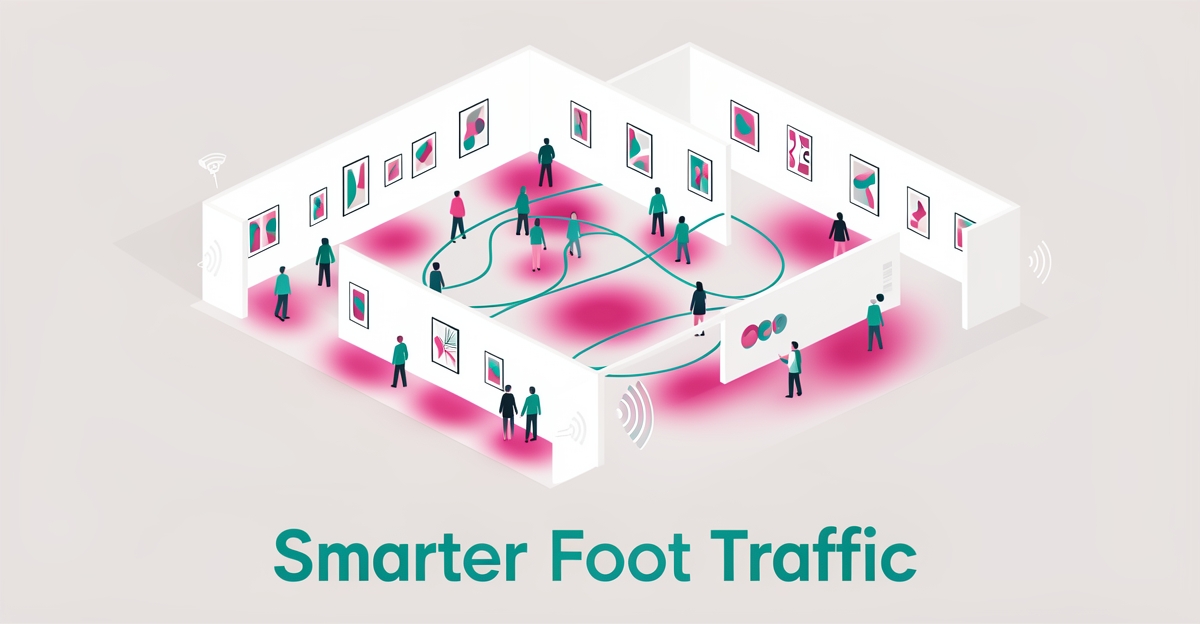
Modern AI analytics systems turn existing camera networks into behavioral sensors. They map dwell time at individual exhibits, generate heat maps, and trace flow patterns through galleries in real time. That shift from headcount to behavior lets curators and operations teams make decisions on evidence, not assumptions.
AI analytics also solves a visibility problem most galleries face online and on site. Traditional tools often miss automated traffic in digital channels, and in physical spaces they cannot separate curious engagement from risky proximity. What you cannot see skews strategy—whether that's bot traffic inflating your web numbers or an unnoticed bottleneck in your east wing.
In galleries, the value shows up in three measurable layers:
- Dwell time and heat maps reveal which works hold attention and which spaces create bottlenecks.
- Flow patterns show natural visitor routes, enabling smarter exhibit placement and staffing.
- Proximity alerts distinguish normal viewing from concerning approach, protecting collections without building an oppressive atmosphere.
That granularity supports decisions on layout optimization, peak-hour staffing, and marketing timing. Instead of guessing which exhibit underperformed, you can see it—hour by hour, day by day—and act before the next exhibition cycle.
Distinguishing human visitors from automated traffic matters for the full visitor lifecycle. Galleries increasingly rely on AI-assisted discovery online, and applying the same analytical discipline to physical footfall creates a consistent view from first click to in-gallery engagement.
Actionable behavioral insights turn analytics into operations. Curators can test placement hypotheses, security teams receive real-time proximity alerts before contact occurs, and marketing can align campaigns to actual peak engagement windows. AIQ Labs builds these systems so galleries keep the data and control in-house—no rented dashboards, no vendor lock-in. If you want analytics woven into the way your whole operation runs, that's exactly what our AI Operating Systems are built for.
The result is a gallery experience that feels open and responsive while being precisely managed behind the scenes.
From Insight to Action: Implementing AI Analytics in Your Gallery
Many galleries hesitate to adopt AI analytics, assuming it requires a complete overhaul of their existing systems. In reality, AI-powered visitor analytics can integrate smoothly with current infrastructure, building on what galleries already have. Most modern analytics platforms leverage existing security camera setups rather than demanding new hardware, which keeps implementation costs down and timelines short.
The implementation process begins with a clear assessment of your gallery's physical and digital infrastructure. This includes evaluating camera placement, network capabilities, and current data collection methods. AIQ Labs' methodology emphasizes starting with a discovery phase to map out workflows and identify where AI can deliver the most immediate value—whether that's optimizing exhibit layout, improving staff scheduling, or enhancing security monitoring. Defining specific goals at this stage ensures the technology serves your operational needs, not the other way around. If you'd rather fix one costly workflow first, a fixed-price AI Workflow Build is a low-risk way to prove the value before going further.
Once infrastructure is assessed, the next steps involve selecting the right AI analytics platform and configuring it for your space. Galleries should define proximity zones around high-value artworks and map traffic flow paths to understand how visitors move through exhibitions. Some tools offer natural language search for fast incident review, while others provide heat maps and dwell time analysis that reveal which exhibits capture the most attention. Integrating these physical insights with digital data—such as separating automated traffic from human visitors in your web analytics—creates a complete picture of the visitor journey, from online discovery to in-person engagement.
Staff training is critical to unlocking the full potential of AI analytics. Skills gaps—not the technology itself—are typically the biggest barrier to adoption. Galleries must invest in upskilling teams to interpret heat maps, adjust alert sensitivities, and act on insights about peak hours and visitor demographics. This transforms raw data into actionable decisions—like repositioning underperforming exhibits or adjusting docent schedules during peak engagement periods.
Finally, treat AI analytics as an iterative process, not a one-time setup. Regularly review data to identify trends, test layout changes, and refine marketing strategies based on audience segmentation. Use incident search to review security events quickly and adjust proximity zones as exhibitions change. By continuously monitoring and optimizing, galleries turn visitor analytics into a living system that evolves with their space and audience—driving smarter decisions, better resource allocation, and deeper engagement over time. To begin, take the 2-minute Fit Check and then book your free 30-minute strategy call to map your gallery's highest-impact AI opportunities.
Still paying for 10+ subscriptions that don’t talk to each other?
We build custom AI systems you own outright. No vendor lock-in. Full control.
Not sure where to start? Ask our AI planner
Frequently Asked Questions
How does AI-powered analytics differ from traditional visitor counting in galleries?
Can AI analytics separate meaningful visits from noise in gallery traffic data?
What specific behavioral insights do AI analytics provide for gallery operations?
Do I need to replace my existing camera system to implement AI visitor analytics?
What is the biggest barrier to adopting AI analytics in galleries, and how can it be overcome?
How can AI analytics improve both security and visitor experience in art galleries?
Turn Foot Traffic Into Strategic Advantage
Understanding how visitors move through your gallery—where they linger, which exhibits captivate, and when engagement peaks—transforms space management from guesswork into strategy. By implementing AI-powered analytics that track dwell time, map heat patterns, and separate meaningful engagement from noise, galleries can optimize layouts, refine staffing schedules, and protect collections with precision. This behavioral intelligence bridges the gap between digital discovery and physical experience, ensuring marketing efforts align with actual visitor behavior rather than assumptions. AIQ Labs builds these systems so galleries own them outright, turning raw data into actionable insights that improve both operational efficiency and attendee satisfaction. As AI reshapes how audiences discover and engage with cultural spaces, the institutions that thrive will be those that measure what truly matters. Ready to see what your foot traffic is really telling you? Start with the 2-minute Fit Check, then book a free 30-minute strategy call to map your gallery's highest-impact analytics opportunities.
Make AI your competitive advantage — not just another tool.
Strategy, implementation and ongoing optimization. One partner, end to end.
Not sure where to start? Ask our AI planner