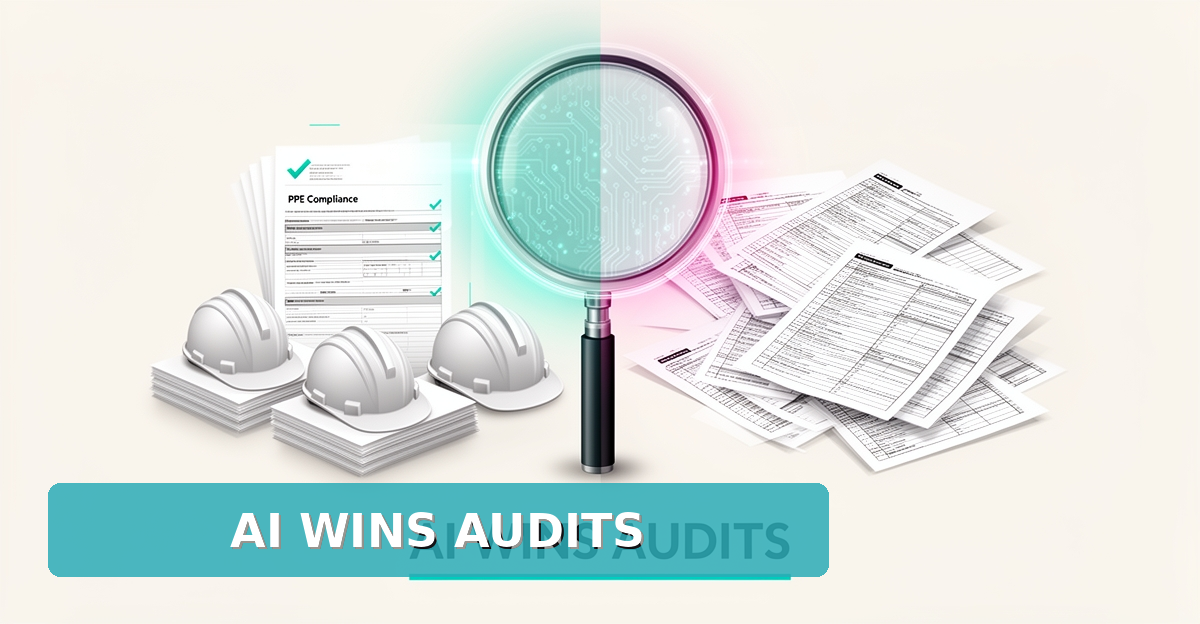
AI vs. Manual Safety Audits: Which Is Better for PPE Distributors?
Key Facts
- Manual audits strain under growing compliance demands as regulatory and product-line complexity increases.
- AI systems can process thousands of safety forms in minutes, flagging inconsistencies in real time.
- Robust guardrails are fundamental to AI safety, as current AI guidance emphasizes.
- Human oversight remains essential for safe AI use in compliance-critical workflows.
- Integrating AI safety into existing frameworks leverages current risk protocols.
- AI-driven audits enable instant generation of audit-ready compliance reports without expanding headcount.
- AIQ Labs has deployed 200+ multi-agent systems and runs 4 live SaaS products daily.
Hire a team member that works 24/7 — for less than a part-time wage.
AI receptionists, SDRs, dispatchers and 99+ roles. Trained on your business, fully managed.
Not sure where to start? Ask our AI planner
The Hidden Cost of Manual Safety Audits in PPE Distribution
Manual safety audits create significant operational strain for PPE distributors as compliance demands grow. Auditors face increasing pressure to review vast volumes of documentation across multiple product lines, leading to audit fatigue that diminishes attention to detail over time. This cognitive toll directly impacts accuracy, especially when audits rely on repetitive manual checks of safety forms, certification records, and supplier compliance data. As IBM's overview of artificial intelligence notes, modern AI systems are built precisely to handle the kind of high-volume comprehension and problem-solving tasks that strain human reviewers—highlighting how traditional methods struggle to keep pace with evolving risks when dependent on human endurance alone.
Human error remains a persistent bottleneck in manual audit processes, with mistakes ranging from overlooked non-conformities to incorrect data entry during cross-referencing. These errors are not random; they cluster around high-volume periods and complex product categories where auditors must juggle multiple regulatory standards simultaneously. Experienced auditors typically show measurable declines in detection rates after prolonged sessions, a phenomenon exacerbated by the lack of real-time feedback loops in manual workflows. Without automated flags for inconsistencies, small oversights can cascade into compliance gaps that only surface during regulatory inspections or incident investigations.
Scalability presents another critical limitation, as manual audits cannot efficiently handle sudden spikes in audit volume—such as those triggered by new client onboarding, product line expansions, or urgent regulatory updates. Each additional audit requires proportional increases in auditor time, creating a linear cost curve that undermines operational agility. In contrast, AI-driven systems can process thousands of safety forms in minutes, identifying patterns and anomalies that human reviewers might miss due to cognitive overload. This capability allows PPE distributors to maintain audit readiness without expanding headcount, transforming a reactive, resource-intensive function into a proactive, scalable operation. By reducing reliance on fatigued manual reviews, AI minimizes the hidden costs of errors, delays, and missed risks that accumulate under traditional audit models. To explore how AI can eliminate these bottlenecks in your safety audit workflow, start the Fit Check at https://aiqlabs.ai/apply, then schedule a free 30-minute strategy call at https://aiqlabs.ai/book to map your specific automation opportunities.
How AI-Driven Audits Eliminate Risk and Boost Readiness
AI-driven safety audits are transforming how PPE distributors manage compliance by eliminating manual bottlenecks and reducing human fatigue. Unlike traditional methods that rely on intermittent checks and paper-based forms, AI systems process thousands of safety documents in minutes, flagging inconsistencies in real time. This shift from reactive to proactive monitoring ensures audit readiness across all product lines without overwhelming staff. Integrating AI safety into existing frameworks allows organizations to leverage current risk management protocols while enhancing accuracy and speed.
Robust guardrails are essential to prevent unsafe AI actions and maintain data integrity in safety audits. These controls define strict boundaries for data input, access permissions, and operational scope, preventing the generation of harmful outputs or unauthorized access to sensitive compliance information. Implementing clear guardrails is a fundamental aspect of AI safety, especially when processing critical safety forms where errors could lead to regulatory penalties or workplace hazards. Continuous monitoring ensures these guardrails remain effective as audit volumes and complexity grow.
Human-in-the-loop controls provide the necessary oversight to validate AI-generated findings without sacrificing efficiency. By establishing clear escalation paths and enabling human review of flagged inconsistencies, organizations retain judgment for complex or ambiguous situations while benefiting from AI's speed. Maintaining human oversight is essential for safe and responsible AI use, particularly in safety-critical industries like PPE distribution. This balanced approach combines automation with accountability, ensuring compliance reports are both fast and trustworthy.
- Automated processing of thousands of safety forms in minutes
- Real-time flagging of inconsistencies and missing data
- Instant generation of audit-ready compliance reports
- Continuous monitoring with adaptive guardrails
- Human-in-the-loop validation for critical decisions
Implementing AI Audits: A Practical Roadmap for PPE Distributors
Transitioning from manual to AI-driven safety audits begins with a clear assessment of current workflows and data readiness. PPE distributors should map their audit processes, identify pain points like inconsistent form reviews or delayed reporting, and evaluate existing systems such as CRM and accounting platforms for integration potential. This foundational step ensures AI solutions align with operational realities and compliance requirements. Understanding the unique risks and potential impacts of AI integration is critical before deployment.
Next, organizations must establish governance frameworks that embed AI safety into existing risk management protocols. This includes defining data access controls, setting up audit trails, and implementing human-in-the-loop controls for high-stakes decisions. Continuous monitoring and regular model evaluations help detect anomalies and maintain reliability, especially as AI agents interact with operational technology environments. Integrating AI safety into existing frameworks leverages current expertise while addressing AI-specific challenges.
Change management is essential for successful adoption. Teams need tailored training programs, clear communication about AI's role as a collaborator—not a replacement—and feedback loops to refine the system over time. Pilot programs allow distributors to test AI audits on specific product lines or regions before scaling, reducing disruption and building confidence.
- Conduct AI readiness assessments
- Integrate with CRM and accounting systems
- Establish governance and oversight mechanisms
- Run phased pilot programs
- Train teams and gather feedback
AIQ Labs offers three entry points for this journey: AI Employees for managed AI staff that handle recurring audit tasks at a fraction of the cost of a human hire, AI Workflow Builds to rebuild the one audit workflow that costs you the most at a fixed price, and AI Operating Systems for a connected operating layer you own outright. With 200+ multi-agent systems deployed and 4 live SaaS products the company runs daily, PPE distributors can move beyond pilots to embedded AI capabilities. The focus remains on practical innovation: building systems that reduce human fatigue, increase audit readiness, and scale across product lines without adding headcount. Continuous optimization ensures the AI audit process evolves with regulatory changes and business growth, turning safety compliance into a strategic advantage.
Still paying for 10+ subscriptions that don’t talk to each other?
We build custom AI systems you own outright. No vendor lock-in. Full control.
Not sure where to start? Ask our AI planner
Frequently Asked Questions
Is manual safety auditing really that error-prone for PPE distributors?
How much faster is an AI-driven safety audit compared to manual review?
Do we need guardrails if we use AI for safety audits?
Will AI replace our auditors completely?
How do we start moving from manual to AI audits without disruption?
What are the biggest safety risks with AI in compliance?
From Audit Fatigue to Strategic Readiness
The shift from manual to AI-driven safety audits isn't just about technology—it's about transforming a costly, error-prone burden into a strategic advantage. Manual audits drain resources through fatigue, scalability limits, and hidden compliance risks that only surface too late. AI eliminates these bottlenecks by processing thousands of safety forms in minutes, flagging inconsistencies in real time, and maintaining audit readiness without expanding headcount. For PPE distributors, this means fewer surprises during inspections, faster client onboarding, and teams freed to focus on growth rather than paperwork. The path forward starts with understanding where your current workflow creates the most friction. Start the Fit Check at https://aiqlabs.ai/apply to uncover your highest-impact automation opportunity, then schedule a free 30-minute strategy call at https://aiqlabs.ai/book to map a tailored plan that turns safety compliance into a competitive edge.
Make AI your competitive advantage — not just another tool.
Strategy, implementation and ongoing optimization. One partner, end to end.
Not sure where to start? Ask our AI planner