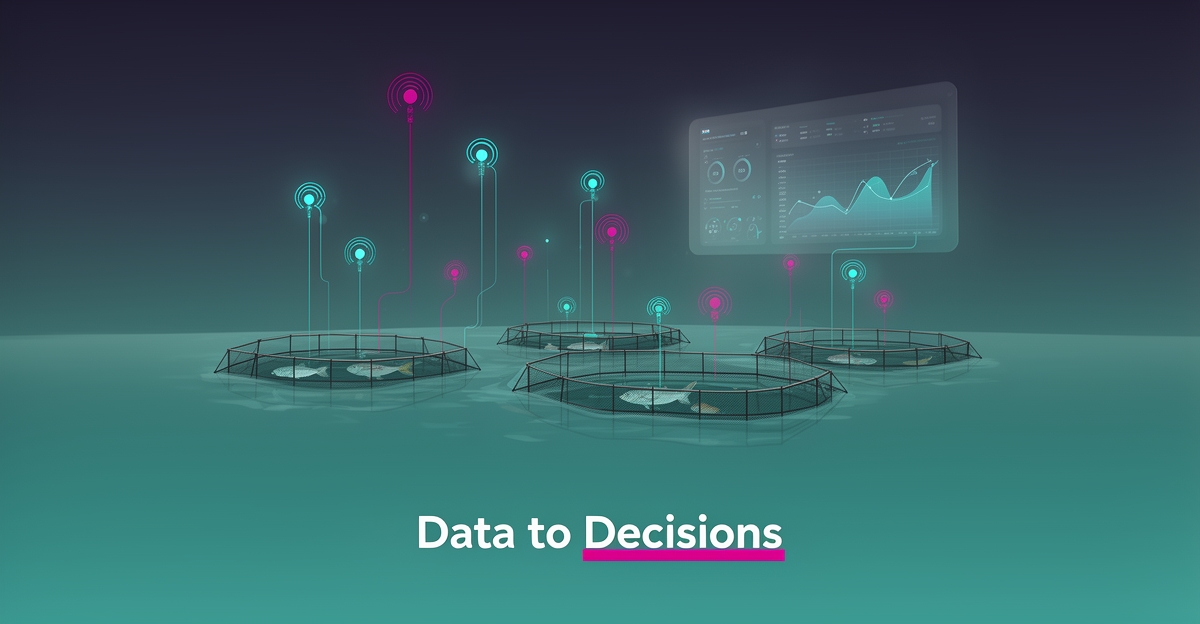
From Data to Decisions: How AI Drives Better Farming Choices
Key Facts
- Industry surveys have found that a majority of organizations avoid certain AI use cases due to data-related concerns, per research on building a data strategy for the AI era Google Cloud reports
- AI-ready data typically requires three pillars: quality, accessibility, and governance, as described in Microsoft's data strategy work Microsoft's data council
- Grant Thornton recommends replacing unreliable Excel reports with modern data visualization tools to process all your data Grant Thornton smart data analytics
- Automating manual data tasks allows employees to focus on higher-value work, per Grant Thornton's smart data analytics services Grant Thornton
- Integrating data from multiple sources creates comprehensive reports and new statistics for better decision-making Grant Thornton advises
- AIQ Labs has deployed 200+ multi-agent systems and runs four live SaaS products daily, bringing production-grade AI experience to every farm build
Hire a team member that works 24/7 — for less than a part-time wage.
AI receptionists, SDRs, dispatchers and 99+ roles. Trained on your business, fully managed.
Not sure where to start? Ask our AI planner
The Data Paradox: Why More Sensors Don't Equal Better Decisions
Walk into the office of most modern fish farms and you will find a wall of monitors tracking dissolved oxygen, water temperature, pH levels, feed conversion ratios, and biomass estimates—yet the farm manager still relies on gut instinct and yesterday's spreadsheet to make today's decisions. This is the paradox of modern aquaculture: the industry has invested heavily in sensors and data collection, but the gap between having data and using it effectively has never been wider.
The core problem is not a lack of information. It is that raw sensor feeds, feed logs, and operational records exist in disconnected silos. Water quality data lives in one system, feeding schedules in another, and growth metrics in a third—often an Excel file that someone manually updates at the end of each shift. According to Google Cloud's research on data strategy, this fragmentation has real consequences: industry surveys have found that a majority of organizations avoid certain AI use cases specifically because of data-related concerns. In other words, many businesses recognize they cannot trust their own data infrastructure enough to let AI help them make decisions.
For fish farms, this data-readiness gap translates directly into operational risk. When feed rates are not automatically cross-referenced with real-time water conditions and biomass estimates, farms overfeed—wasting money and degrading water quality. When mortality patterns are tracked in isolation from environmental data, early warning signs go unnoticed until a crisis hits. The hidden cost of fragmented, Excel-based reporting is not just inefficiency—it is missed opportunities to intervene before small problems become expensive disasters.
As Grant Thornton's smart data analytics practice puts it, the goal is to "get rid of tons of unreliable Excel reports and take advantage of modern data visualisation tools to process all your data." That recommendation applies directly to aquaculture operations still stitching together weekly summaries by hand.
What does a better approach look like? It starts with recognizing that AI-ready data requires three things: quality, accessibility, and governance—principles that Microsoft's internal data strategy team identifies as essential for any organization serious about AI adoption. For fish farms, that means:
- Unifying sensor data, feed logs, and biomass records into a single, real-time platform
- Replacing manual Excel reporting with automated dashboards that surface anomalies as they happen
- Ensuring data quality standards so AI models can generate reliable, actionable recommendations
- Making insights accessible to farm managers on the floor, not just analysts in the back office
This is precisely the challenge AIQ Labs addresses when building custom AI analytics platforms for aquaculture operations. The goal is not to add more sensors or generate more reports—it is to transform the data farms already collect into real-time intelligence that drives better decisions about feeding, harvesting, and resource allocation.
The farms that will thrive in the next decade are not the ones with the most sensors. They are the ones that close the gap between data collection and decision-making, turning raw numbers into strategic clarity before the competition does.
From Passive Data to Predictive Intelligence: The AI Analytics Shift
Fragmented sensor readings, feed logs and water-quality metrics used to sit in silos, creating blind spots instead of decisions. AI platforms now stitch those streams into a single, actionable view that farm managers can trust.
The shift starts with treating data as a core business asset, comparable to financial capital. Industry analysis shows that without a clear data strategy, data remains a passive byproduct of operations rather than a powerful engine for growth. That gap is costly, with industry surveys finding that many organizations avoid certain AI use cases due to data-related concerns.
A federated data mesh approach balances domain-level ownership with centralized governance. Microsoft's unified data strategy demonstrates how decentralization enables teams to own their data products while a council enforces quality, interoperability and responsible use. The model turns enterprise data into a strategic capability that fuels predictive insights and intelligent outcomes.
AI-ready data rests on three interlocking pillars:
- Quality: reliability and completeness so models train on trustworthy signals
- Accessibility: secure, discoverable data that teams can find and use without friction
- Governance: responsible management, lineage and controls for compliance and trust
High-quality, well-governed data is essential to accelerate implementation and adoption of AI tools. Internal guidance on AI-powered transformation emphasizes that data quality, accessibility and governance are imperatives for AI systems to function effectively.
In aquaculture, this architecture moves farms from reactive monitoring to predictive control. Raw sensor and operational data are integrated, cleaned and visualized on modern dashboards with clear usability. Smart data analytics services highlight how automating manual tasks lets employees concentrate on higher-value work while integrated reports create new statistics for decision-making.
AIQ Labs builds AI analytics platforms that deliver those insights directly to farm managers, helping them scale sustainably and profitably. With 200+ multi-agent systems deployed and four live SaaS products the company runs daily, these builds draw on production-grade experience—not theory.
The result is strategic data as a decision engine rather than a reporting archive. Managers act on modern dashboards with different levels of detail, replacing unreliable Excel reports with automated, integrated views. That transformation aligns processes, technology and people to drive strategic objectives and turns data into a valuable asset for sustainable growth.
Closing the Loop: Embedding AI Decisions Into Daily Farm Operations
Insights only create value when they reach the right person at the exact moment a decision must be made. Research shows many organizations avoid AI use cases because their data foundations aren't ready for action, leaving critical intelligence trapped in dashboards nobody opens. AIQ Labs closes this gap by embedding AI analysts directly into daily operations—feeding adjustments, health interventions, and harvest schedules trigger automatically when sensor thresholds shift.
- Real-time dashboards consolidate sensor feeds, operational logs, and environmental data into a single decision surface
- Automated alerts route to farm managers via mobile push, SMS, or voice call based on urgency
- AI Employees execute routine adjustments—feed rates, aeration cycles, treatment schedules—without human latency
- Human-in-the-loop checkpoints remain for high-stakes calls like harvest timing or disease protocols
The deployment model mirrors how farms actually buy: a Start Monthly engagement delivers a production-grade AI analyst at a fraction of the cost of a human hire—typically around 80% less—including build, training on your specific operation, tool integrations, monitoring, and continuous improvement. Farms that prefer a defined project can Build in Milestones, rebuilding the one workflow that costs the most at a fixed price. And with Own It Outright, there's no vendor lock-in—clients own the code, agents, and data outright, with the freedom to pause or adjust the engagement at any time.
Building Your Farm's Data Maturity Roadmap
Raw sensor streams and operational logs stay valuable only when farms can turn them into repeatable decisions. Data maturity is the bridge between collection and action, and it builds in stages rather than all at once.
Exploration starts with visibility. Farms map what sensors, feeding systems and labor logs already produce and where unreliable reports hide risk. According to industry research, data is now a core business asset comparable to financial capital, yet without a clear strategy it remains a passive byproduct of operations.
Pilots test value with focus. A single high-ROI workflow such as feed optimization or disease prediction is instrumented, cleaned and visualized so managers can act on modern dashboards with clear visualization. Smart data analytics services show how automating manual tasks lets employees concentrate on higher-value work while integration creates comprehensive reports.
Scaling connects sources. Sensor data, water quality, harvest records and market prices are unified under consistent quality, accessibility and governance. Microsoft's data council approach highlights that AI-ready data requires reliability, secure discoverability and responsible management to fuel predictive insights.
Optimization and transformation embed AI into the operating model. At this stage decisions are proactive, waste is reduced and productivity compounds—often through a connected AI Operating System built in phases and owned outright.
A practical maturity roadmap for farms typically follows:
- Exploration: audit data sources, define KPIs, and replace unreliable Excel reports with modern visualization
- Pilots: run limited trials on feed optimization or disease prediction with clear success metrics
- Scaling: integrate multi-source data and establish governance for quality and access
- Optimization: automate reporting, reduce manual tasks, and enable data-driven decisions at different levels
- Transformation: AI becomes embedded in daily operations, driving sustainable and profitable growth
The risk of skipping foundations is real. Industry surveys have found that many organizations avoid certain AI use cases due to data-related concerns, which underscores why readiness matters before scaling.
AIQ Labs works with farms to map high-ROI workflows and choose the right engagement model for the current stage, whether that is a Workflow Build targeting the costliest process, a monthly AI Employee, or a full AI Operating System the farm owns outright. A free 30-minute strategy call can map bottlenecks and align the roadmap to operational priorities without obligation.
Still paying for 10+ subscriptions that don’t talk to each other?
We build custom AI systems you own outright. No vendor lock-in. Full control.
Not sure where to start? Ask our AI planner
Frequently Asked Questions
Why do fish farms with lots of sensors still rely on gut instinct?
What makes data actually ready for AI in aquaculture?
Can AI really improve productivity and cut waste on a fish farm?
Is my data too messy for AI to work?
Do I need to buy more sensors to get better decisions?
How do I start without a massive IT project?
Turning Fish Farm Data into Forward Motion
The journey from scattered sensor readings to strategic decisions isn't about adding more technology—it's about making the data you already collect work harder for your operation. As we've seen, fragmented data leads to overfeeding, missed warnings, and wasted resources, while unified, AI-ready platforms transform those same inputs into real-time intelligence that drives better feeding, harvesting, and resource allocation. Farms that close this gap aren't just avoiding losses—they're building resilience and compounding productivity through insights that reach the right person at the right time. If you're ready to move beyond Excel guesswork and turn your data into a decision engine, the first step is understanding where your biggest opportunities lie. Complete the 2-minute Fit Check at aiqlabs.ai/apply, then book a free 30-minute strategy call to map your bottlenecks and see how AIQ Labs can help you build a data maturity roadmap tailored to your farm's reality—no obligation, just clarity on what's possible.
Make AI your competitive advantage — not just another tool.
Strategy, implementation and ongoing optimization. One partner, end to end.
Not sure where to start? Ask our AI planner