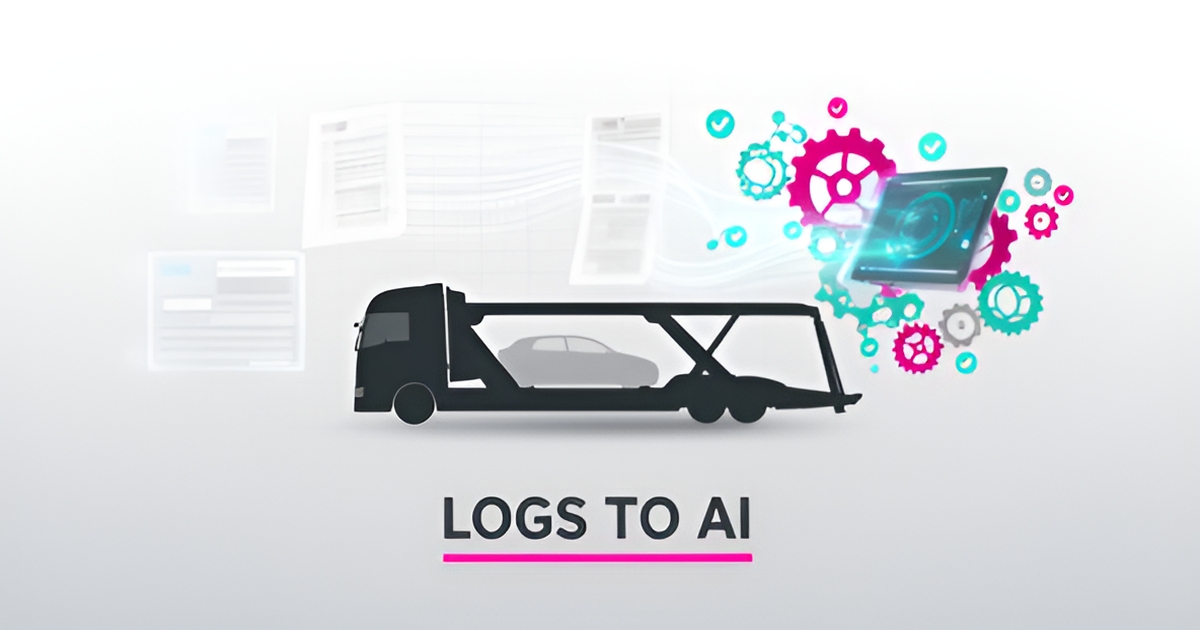
From Manual Logs to AI: Automating Vehicle Maintenance Records in Auto Hauling
Key Facts
- Industry analyses of fleet parts cataloguing suggest technicians can spend 15–25 minutes locating a single component like a brake chamber in manual systems
- Manual cataloguing and data entry typically achieve around 70–80% identification accuracy, per fleet comparisons
- AI-powered parts and document analysis is typically reported in the 95–99% accuracy range
- Fleet comparisons peg the annual cost of manual cataloguing in the low thousands of dollars per vehicle once downtime, errors, and admin overhead are counted
- AI-optimized dispatch has been credited with double-digit percentage reductions in empty miles in fleet operations case studies
- AI support tools trained on maintenance protocols can resolve the large majority of driver-reported questions without supervisor involvement
Hire a team member that works 24/7 — for less than a part-time wage.
AI receptionists, SDRs, dispatchers and 99+ roles. Trained on your business, fully managed.
Not sure where to start? Ask our AI planner
The Hidden Cost of Manual Maintenance Logs in Auto Hauling
Every auto hauling operation runs on a schedule, yet the very records meant to keep that schedule on track often sit buried in clipboards, filing cabinets, or aging spreadsheets. The result is a silent drain on efficiency, compliance, and profitability that many fleet operators underestimate until a breakdown or audit exposes the gaps.
Manual maintenance logs create a cascade of operational friction. When technicians must locate specific parts or verify service histories, they spend valuable time hunting through disorganized documentation. Industry analyses of fleet cataloguing suggest technicians can spend 15–25 minutes searching for a single component like a brake chamber in a manual system. Across a fleet, those minutes compound into hours of lost productivity every week.
The accuracy gap presents an even greater risk. Manual data entry and paper-based tracking typically achieve only around 70–80% identification accuracy, meaning roughly one in five maintenance records may contain errors. These inaccuracies lead to missed service windows, incorrect parts ordering, and vehicles dispatched with unresolved safety issues. When dispatchers cannot trust the maintenance status in the log, they risk deploying non-compliant equipment or delaying loads unnecessarily.
The financial impact extends beyond labor costs. Fleet comparisons generally peg the annual cost of manual cataloguing in the low thousands of dollars per vehicle once downtime, errors, and administrative overhead are factored in. For mid-sized fleets, this represents a significant operational expense that directly erodes margins.
The specific pain points manifest in several critical areas:
- Missed preventive maintenance intervals due to illegible handwriting or lost paperwork
- Delayed dispatch decisions while staff verify vehicle readiness across multiple logbooks
- Compliance vulnerabilities during DOT audits when documentation is incomplete or disorganized
- Inability to sync maintenance status with billing systems, causing invoice disputes
These challenges explain why forward-thinking fleet operators are turning to AI document processing. By automatically scanning, categorizing, and storing vehicle logs, intelligent systems eliminate the manual bottlenecks that plague traditional methods. Instead of searching through stacks of paper, dispatchers access real-time maintenance status synced directly with scheduling software.
AIQ Labs builds these document pipelines as part of its AI Workflow Builds, transforming scattered maintenance records into actionable data. The technology ensures that service alerts trigger before deadlines, parts inventories match actual needs, and compliance documentation remains audit-ready without manual intervention.
For auto haulers still relying on paper logs, the question is not whether they can afford to automate, but whether they can afford the mounting costs of staying manual.
How AI Scans, Categorizes, and Syncs Maintenance Records Automatically
The paper trail in auto hauling doesn't just sit in a filing cabinet — it travels with every load, every inspection, and every repair invoice. When that trail relies on manual entry, a single misread part number or misplaced receipt cascades into missed service intervals and billing disputes.
AI document processing changes the intake equation entirely. Photos of inspection sheets, crumpled receipts, and handheld phone scans of brake chamber tags feed directly into a pipeline that reads, classifies, and routes each document without human sorting. Fleet comparisons typically report AI-powered parts and document analysis in the 95–99% accuracy range, versus roughly 70–80% for manual cataloguing. The same analyses note the 15–25 minutes technicians can spend hunting for a single brake chamber in a paper catalog — time that disappears when the system matches the part instantly.
- Multi-format intake: photos, PDFs, scanned invoices, and mobile uploads
- Automatic classification by vehicle, component, and service type
- Structured data extraction — part numbers, dates, costs, technician IDs
- Real-time sync with dispatch boards and billing platforms
The payoff compounds across the operation. Where manual cataloguing carries an annual cost in the low thousands of dollars per unit, AI-driven workflows flip that into meaningful annual savings per vehicle. Dispatchers see current maintenance status the moment a driver uploads a post-trip inspection; accounting receives coded line items without re-keying. AIQ Labs builds these document pipelines as fixed-price, phased workflow builds, connecting the intake layer directly to the systems fleets already run on.
From Records to Actionable Alerts and Fleet Efficiency
Automated maintenance records transform data into actionable intelligence, enabling fleets to shift from reactive repairs to predictive maintenance. By analyzing patterns in service history, mileage, and component wear, AI systems can forecast potential failures before they occur, scheduling interventions during planned downtime. This proactive approach meaningfully reduces unexpected breakdowns, keeping more vehicles on the road and minimizing costly emergency repairs. With real-time alerts dispatched to mechanics and supervisors, maintenance teams gain visibility into emerging issues, allowing them to prioritize tasks based on urgency and impact rather than guesswork.
These insights extend beyond the shop floor, directly influencing operational efficiency across the fleet. AI-optimized routing, informed by vehicle health data and maintenance schedules, has been credited in fleet operations case studies with double-digit percentage reductions in empty miles through smarter load matching and deadhead reduction. When maintenance alerts are integrated with dispatch platforms, routes can be dynamically adjusted to accommodate service needs without disrupting delivery timelines, ensuring that vehicles receive care at optimal intervals without sacrificing utilization. This synchronization turns maintenance from a cost center into a lever for improved asset productivity and route profitability.
The system-wide impact is amplified when AI-driven documentation is paired with intelligent support tools. AI assistants trained on maintenance protocols and fleet data can resolve the large majority of driver-reported questions instantly, reducing reliance on manual logbooks and freeing up supervisory staff for higher-value tasks. Drivers receive immediate guidance on inspection procedures, fault code interpretations, or service due dates, improving compliance and reducing delays at checkpoints. When combined with automated record-keeping, this creates a closed-loop system where data informs action, action generates new data, and continuous improvement becomes self-sustaining — positioning auto haulers to operate with greater precision, lower costs, and higher reliability. To explore how AI-powered automation can transform your maintenance workflow into a strategic advantage, start with a free strategy call to assess your current systems and identify high-ROI opportunities.
Building an Owned AI Maintenance System with AIQ Labs
Knowing AI can transform your maintenance records is one thing — actually building a system that fits your fleet is another. The gap between insight and implementation is where most auto hauling operations stall, and it's exactly where a custom-built approach pays off.
The case for automation is compelling. Manual cataloguing and record-keeping typically achieve only around 70–80% identification accuracy, while AI-powered analysis is generally reported in the 95–99% range. That accuracy gap translates directly into dollars: manual processes carry an annual cost in the low thousands per vehicle, whereas AI-driven workflows convert that into savings. The question isn't whether to automate — it's how to do it right.
AIQ Labs approaches this through custom builds rather than off-the-shelf software. Instead of forcing your operation into a generic platform, the system is built around your existing workflows. That starts with document intake automation: AI that scans, categorizes, and stores maintenance logs, inspection reports, and service records automatically, extracting the data that matters and filing it where it belongs.
From there, the system connects to the tools you already use. Deep two-way API integrations sync maintenance records with dispatch and billing systems, so a completed repair automatically updates vehicle availability and triggers the right invoicing workflows. This kind of integration matters — the empty-mile reductions fleets report from AI-optimized dispatch only materialize when systems actually talk to each other.
For auto hauling operations, this typically unfolds across three phases:
- Document intake automation — AI captures and categorizes maintenance logs, inspection reports, and compliance documents as they arrive
- System integration — Two-way connections with dispatch, billing, and fleet management tools create a single source of truth
- Intelligent alerting — The system generates actionable maintenance alerts based on actual vehicle data, not generic schedules
How you structure the investment depends on your operation's scale and appetite. AIQ Labs offers three paths: Start Monthly with an AI employee handling document processing at roughly 80% less than the cost of a human hire; Build in Milestones for a phased workflow rebuild where you approve and pay for each stage; or Own It Outright for a complete AI operating system with full code and data ownership. The common thread is true ownership — no vendor lock-in, no platform dependencies, complete control over what gets built.
The result is a system that works the way your fleet works, scales as you grow, and remains yours regardless of what happens to any vendor relationship. In an industry where margins are tight and downtime is expensive, that kind of control isn't a luxury — it's the point.
Still paying for 10+ subscriptions that don’t talk to each other?
We build custom AI systems you own outright. No vendor lock-in. Full control.
Not sure where to start? Ask our AI planner
Frequently Asked Questions
How much time does manual maintenance logging actually waste for auto haulers?
Is manual maintenance logging really accurate enough for compliance?
What’s the cost difference between manual logs and AI-powered maintenance records?
How accurate is AI compared to manual maintenance record keeping?
Can automating maintenance records help with dispatch and fuel efficiency?
Will drivers actually use an AI system for inspections and questions?
Own Your Records, Own Your Margins
Manual logs are quietly eroding the efficiency auto haulers depend on — lost paperwork, illegible entries, and hours spent hunting parts add up to missed service windows, compliance risk, and real cost per vehicle. AI changes the equation by scanning inspection sheets, receipts, and tags, automatically categorizing and syncing maintenance data with dispatch and billing so status is real-time and audit-ready. That shift moves fleets from reactive repairs to predictive maintenance, with alerts that prevent downtime and data that supports smarter routing and faster invoicing. For operators ready to stop paying for paper, a custom-built system built around existing workflows delivers true ownership instead of another subscription. AIQ Labs builds these document intake and alert pipelines as owned AI systems tailored to your fleet. Start the 2-minute Fit Check at https://aiqlabs.ai/apply, then book a free 30-minute strategy call at https://aiqlabs.ai/book to map your biggest bottleneck and identify high-ROI automation opportunities. If there isn’t a clear win, we’ll tell you.
Make AI your competitive advantage — not just another tool.
Strategy, implementation and ongoing optimization. One partner, end to end.
Not sure where to start? Ask our AI planner