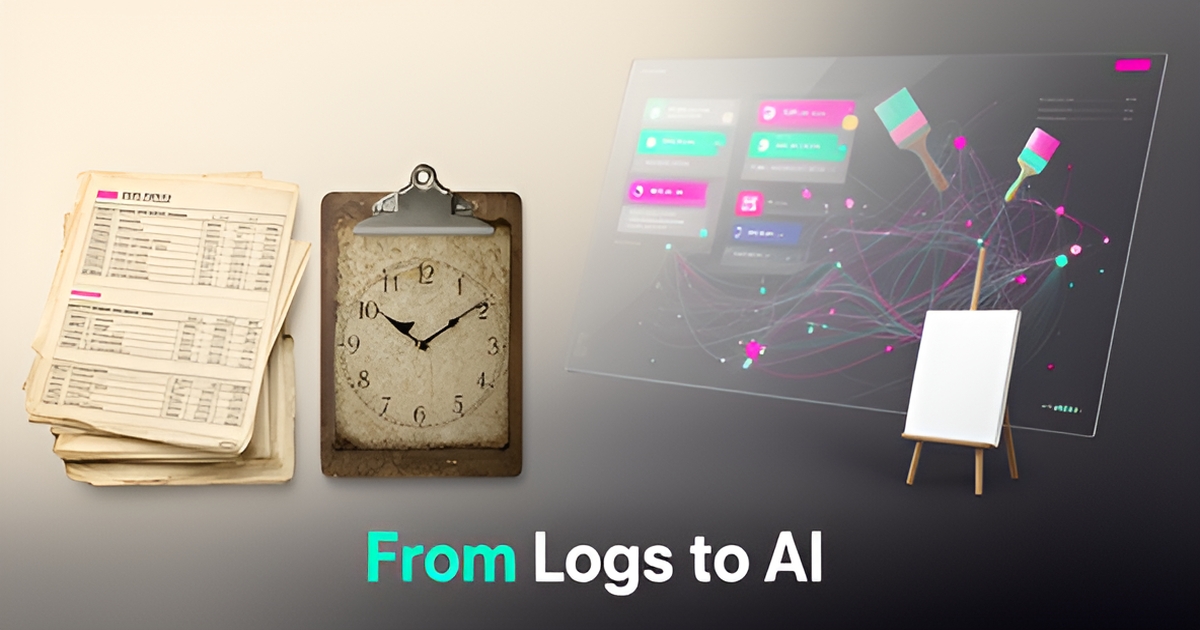
From Manual Logs to AI: How Sign Painting Shops Can Automate Job Tracking and Dispatch
Key Facts
- Manual job tracking creates lag between field work and office records, turning small delays into missed windows and billing disputes
- AIQ Labs has deployed 200+ multi-agent systems and runs 4 live SaaS products daily, so the systems it builds are proven in production, not theory
- AI Employees—like a Dispatcher—cost roughly 80% less than an equivalent human hire while working 24/7
- AIQ Labs systems are built in phases and owned outright by the shop: no vendor lock-in, no rented platform
- Every engagement starts with a 2-minute Fit Check and a free 30-minute strategy call—if there isn't a clear win, AIQ Labs will say so
Hire a team member that works 24/7 — for less than a part-time wage.
AI receptionists, SDRs, dispatchers and 99+ roles. Trained on your business, fully managed.
Not sure where to start? Ask our AI planner
The Hidden Cost of Paper Logs and Phone Dispatch
Paper logs feel cheap until a job disappears. In sign painting shops, manual job tracking and phone dispatch create blind spots that cost time, materials, and repeat business.
Visibility collapses when information lives on clipboards and in memory. A crew finishes a site, the foreman calls in, and the office updates a spreadsheet hours later. That lag means the next job starts late, the customer calls for a status update, and no one has a clear answer. Disconnected scheduling turns small delays into missed windows.
Accountability erodes with the same system. Without real-time digital tracking of job assignments, timelines, and status updates, it is impossible to know who was dispatched, when they arrived, and what was completed. Disputes over scope, change orders, and billing become word against word, and revenue leaks in the gaps.
The problem is not paperwork. It is a workflow mismatch. Digitizing a form does not fix a broken process—it just makes the broken process faster to duplicate. Manual logs cannot provide the operational foundation a growing shop needs.
Shops feel the cost in predictable ways:
- Delayed status updates force customers to chase crews for information
- Paper hand-offs create duplicate entry and transcription errors
- Dispatch by phone limits real-time re-routing when jobs run long
- No centralized record makes forecasting capacity and materials unreliable
AIQ Labs builds custom systems that integrate with existing scheduling tools, ensuring every project is visible and accountable from start to finish. The goal is real-time digital tracking of job assignments, timelines, and status updates, replacing paper logs with a single source of truth crews and office staff can trust.
When tracking is live, dispatch becomes proactive. Crews see updates instantly, managers reallocate resources without phone tag, and customers receive automatic status without staff intervention. That visibility protects revenue and reputation.
Why AI Is Becoming Operational Infrastructure
Real-time job tracking is not a feature shops add on. It is the foundation that lets dispatch, crews, and customers operate from the same truth.
AI is moving from a standalone tool to embedded infrastructure across industries. The same pattern playing out in logistics, field service, and manufacturing applies directly to trades: job assignments, timelines, and status updates become part of an operational nervous system, not paper logs. For a sign painting shop, that means the tracking layer is not a dashboard bolted onto the side of the business—it is how the business runs.
This infrastructure reality forces a redesign, not just automation. The critical mismatch most shops hit is between technological capability and operational readiness. The strength of a structure is determined by what lies beneath the surface: data quality, connected tools, and workflows designed around real-time information. Electricity transformed industry only when factories and workflows were redesigned to harness it—the same discipline applies to AI.
Data governance becomes operational risk. When job tracking connects physical crews to digital monitoring, the system handles client specifications, site details, and billing records. Without clear rules on who can access job logs, how long data is stored, and how it is protected, the promise of intelligent operations can be undermined. That is directly relevant when dispatch connects field crews to office systems.
Accountability also needs human judgment built in. AI records are visible, but interpretation still requires trusted systems and people in the loop for approvals, exceptions, and disputes. A tracking system should make accountability easier to prove, not replace the humans who own the decisions.
For sign painting shops moving from manual logs to real-time digital tracking, the lesson is foundational:
- Assess infrastructure readiness before adding visibility tools
- Redesign dispatch and job workflows around real-time data, not digitized paper
- Establish data governance for job assignments, timelines, and status updates
- Train teams to work with AI-assisted tracking as embedded operations
AIQ Labs builds custom systems that integrate with existing scheduling tools so every project is visible and accountable from start to finish. The goal is not a dashboard. It is operational infrastructure that supports dispatch decisions, crew accountability, and customer trust without adding manual overhead.
Automating Job Tracking and Dispatch with Owned AI Systems
For sign painting shops still relying on paper logs and manual job boards, the shift to AI-powered tracking isn't just about digitizing paperwork—it's about building a responsive operational backbone that scales with demand. AIQ Labs develops custom workflow automation that replaces fragmented spreadsheets with a unified system where every job assignment, timeline, and status update flows in real time. The result is an operational layer that eliminates the guesswork of manual tracking while maintaining full business ownership of the system.
Unlike off-the-shelf dispatch tools that lock shops into proprietary platforms, AIQ Labs builds systems designed for true ownership—no vendor lock-in, no hidden dependencies, and complete control over future customization. By integrating directly with existing scheduling tools through two-way API connections, the AI layer enhances rather than replaces current workflows, ensuring data synchronization across CRM, accounting, and project management systems. This integration capability allows sign shops to retain familiar interfaces while gaining real-time visibility into job progress, technician availability, and material logistics—all without disrupting established team routines.
The automation framework incorporates specialized AI agents that handle role-specific tasks like intelligent job routing based on technician skill sets, dynamic timeline adjustments for weather-dependent painting work, and proactive status updates to clients via preferred channels. These agents operate within a multi-agent architecture where research, communication, and decision-making functions collaborate—AIQ Labs has deployed 200+ multi-agent systems and runs 4 live SaaS products daily, so this architecture is proven in production, not slideware. For sign painting shops, this means fewer missed deadlines, reduced idle time between jobs, and automatic flagging of delays before they impact delivery schedules—turning reactive firefighting into predictable, data-driven operations.
Critical to long-term success is the system's built-in governance framework, which addresses the data quality and security challenges inherent in AI deployment. AIQ Labs implements validation layers, customizable guardrails, and human-in-the-loop controls that ensure AI actions remain within defined authority—particularly important when handling client specifications, safety compliance, or regulatory documentation. Audit trails provide complete transparency for every automated decision, while fallback systems maintain operational continuity if any component encounters issues. This balanced approach delivers the efficiency gains of automation without sacrificing the oversight needed for complex, client-facing sign fabrication work.
By combining custom development with managed AI Employee support, sign shops can deploy a Dispatcher AI Employee that works 24/7 to manage job queues, optimize routes, and communicate updates—for roughly 80% less than the cost of an equivalent human hire. This hybrid model ensures the system evolves with the business: an initial Workflow Build can scale into department-wide automation or a complete AI Operating System over time, with ownership transferring fully to the shop upon completion. The outcome isn't just automated tracking—it's a resilient, self-optimizing operational foundation that turns job dispatch from a daily headache into a competitive advantage.
Implementation Roadmap from Manual to AI-Driven
Transitioning from manual job logs to AI-driven dispatch doesn’t require a complete overhaul overnight—it starts with assessing what you already have. Many sign painting shops already use basic scheduling tools or spreadsheets that can serve as a foundation for automation. AIQ Labs begins every engagement by evaluating your current technology stack, data flows, and team workflows to determine infrastructure readiness. This step ensures you’re not building on shaky ground but leveraging existing assets where possible—because the strength of any system depends on what lies beneath the surface: solid foundations in connectivity and data quality.
Once readiness is assessed, the next phase is connecting your monitoring and dispatch data into a unified flow. This means integrating job assignments, crew locations, material usage, and completion status from tools you may already use—like Google Calendar, job boards, or even simple time-tracking apps—into a central AI-powered system. AI becomes most valuable when it’s embedded in daily operations, transforming how work is tracked and managed in real time. For sign shops, this could mean technicians receiving instant updates on mobile devices when a job is ready for dispatch, or managers seeing live progress across all active projects without chasing down paper logs.
From there, workflows must be redesigned—not just digitized—to truly benefit from AI. Simply copying paper logs into a digital form misses the opportunity to automate routing, predict delays, or flag scheduling conflicts before they happen. AIQ Labs helps teams rethink how jobs are assigned, how priorities shift based on weather or material availability, and how completion triggers the next step—like invoicing or client follow-up. This requires organizational courage to let go of legacy habits, similar to how electricity only transformed industry when factories were redesigned to harness it, not just when wires were installed.
Finally, sustainable adoption hinges on training, governance, and iteration. Crews need hands-on guidance—not just in using new tools, but in understanding how AI supports their work, not replaces it. Establishing clear data governance—defining who can access job logs, how long data is stored, and how it is protected—builds trust and keeps client details secure. AI doesn’t replace human judgment; it augments it, which means your team stays in the loop for approvals, exceptions, and continuous improvement. AIQ Labs builds in milestones—you approve and pay for each phase as it ships—so you retain control, keep what’s built, and scale only when ready. Payment models are straightforward: start monthly, build in milestones, or own it outright. No fake prices, no invented numbers.
Still paying for 10+ subscriptions that don’t talk to each other?
We build custom AI systems you own outright. No vendor lock-in. Full control.
Not sure where to start? Ask our AI planner
Frequently Asked Questions
How does real-time job tracking prevent delays in sign painting jobs?
Can AI job tracking systems work with the scheduling tools we already use?
Is it expensive to switch from paper logs to AI-powered tracking for a small sign shop?
What kind of training do crews need to use AI tracking systems effectively?
How do AI tracking systems handle data security and compliance for client job details?
What happens if the AI system goes down—will we lose track of jobs?
Build the Foundation Your Shop Can Scale On
Moving from clipboards to live tracking is less about replacing paper than redesigning how work flows. When job assignments, timelines and status updates become a shared digital source of truth, dispatch turns proactive, crews stop chasing calls, and customers get answers without staff intervention. That visibility protects revenue and reputation, but it only holds if the system is built on solid data governance, real-time integration with the tools you already use, and workflows redesigned around AI rather than digitized paper. AIQ Labs builds custom systems that integrate with existing scheduling tools so every project is visible and accountable from start to finish, with ownership that stays with the shop. Start by assessing infrastructure readiness, connecting your current dispatch data into one flow, and training teams to work with AI-assisted tracking as embedded operations. Ready to map your biggest bottleneck? Take the 2-minute Fit Check at https://aiqlabs.ai/apply, then book a free 30-minute strategy call to identify high-ROI automation opportunities—and if there isn't a clear win, we'll tell you. Your shop deserves a foundation built to last.
Make AI your competitive advantage — not just another tool.
Strategy, implementation and ongoing optimization. One partner, end to end.
Not sure where to start? Ask our AI planner