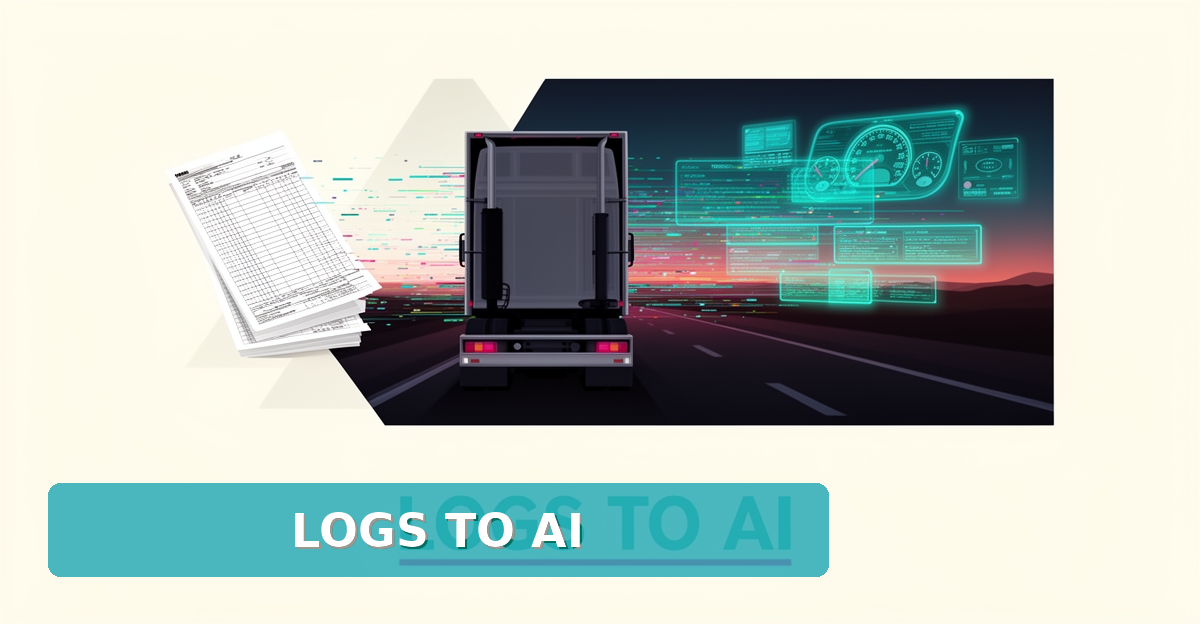
From Manual Logs to AI: How Trucking Companies Can Automate Driver Logs
Key Facts
- HOS violations can cost a carrier thousands of dollars per incident, and manual logs make them far more likely.
- Industry benchmarks as of late 2026 suggest AI-assisted fleet operations can save tens of thousands of dollars annually versus manual dispatch and administration.
- AI log automation typically reaches break-even within the first few months of deployment for small and mid-sized fleets.
- Manual dispatch and admin overhead are among the largest hidden cost centers for fleets of 20+ vehicles.
- AI-driven route optimization can meaningfully reduce fuel consumption, with reported gains typically in the 10–15% range depending on fleet profile.
- Daily route planning that takes 1–2 hours manually can shrink to minutes with AI support.
- Less than a third of organizations have accurate visibility into their AI software spend, TechRadar reports.
Hire a team member that works 24/7 — for less than a part-time wage.
AI receptionists, SDRs, dispatchers and 99+ roles. Trained on your business, fully managed.
Not sure where to start? Ask our AI planner
The Cost of Manual Driver Logs: Errors, Fines, and Wasted Time
Manual driver logs quietly drain trucking profits every week, and most fleets feel the pain before they see the numbers. Paper sheets and manual digital entries create a compliance exposure that compounds with every mile driven.
Hours of Service violations carry steep financial penalties, and manual processes make them almost inevitable. Drivers miscalculate duty time, dispatchers rely on memory, and auditors find gaps. A single serious violation can cost a carrier thousands of dollars once fines, out-of-service time, and safety-score damage are counted—and that cost hits fast when logs are late, altered, or incomplete.
Administrative overhead is another hidden loss center. Fleets running manual dispatch and log reconciliation routinely lose tens of thousands of dollars a year to fuel inefficiency, overtime, and administrative overhead alone. Manual route planning can consume 1–2 hours daily versus minutes with AI support. That time is paid labor that produces errors instead of value.
Fuel waste follows directly from poor visibility. Without automated validation, drivers run longer routes, idle longer, and miss HOS cutoffs that force inefficient scheduling. Fleets that adopt AI-driven optimization typically report fuel savings in the 10–15% range, though results vary with fleet profile and route density. For a fleet already losing money on manual logs, that margin is decisive.
The operational risks of manual logs typically cluster in three areas:
- Compliance exposure from inaccurate or late HOS entries that trigger fines and out-of-service orders
- Administrative drag from data entry, log reconciliation, and audit preparation
- Fuel and overtime inefficiency caused by suboptimal routing and reactive dispatching
Fleets that stay manual also face scalability limits. Manual dispatch costs rise with headcount, while AI-assisted fleet operations typically save tens of thousands of dollars per year compared to manual dispatch, with break-even commonly reached within the first few months for fleets of 10+ vehicles.
AIQ Labs approaches this problem through AI Workflow Builds that rebuild the one workflow costing you the most—log validation, in this case—at a fixed price and in phases. The shift is from reactive paperwork to proactive validation, where hours are captured automatically, violations are flagged before they occur, and compliance evidence is built in real time.
How AI-Powered Log Automation Ensures Compliance and Cuts Costs
A single HOS violation can cost a carrier thousands of dollars once fines and downtime are counted, and manual log review makes these errors easy to miss until an audit arrives. AI-powered log automation flips that dynamic by validating every hour of service against GPS and telematics data in real time, catching discrepancies before they become violations.
The mechanics are straightforward but powerful. AI systems continuously cross-reference driver logs with location data, engine metrics, and route information from ELDs and GPS trackers, automatically flagging entries that don't align. This eliminates the human error that plagues manual logkeeping and produces audit-ready records without administrative overhead. AIQ Labs builds custom document processing systems that integrate directly with existing GPS and telematics infrastructure, so the validation happens continuously in the background rather than in a weekly spreadsheet review.
The financial case is compelling. Industry benchmarks as of late 2026 suggest AI-driven systems save fleets tens of thousands of dollars annually compared to manual dispatch and administration, with most operations reaching break-even within the first few months of deployment. Exact figures depend on fleet size, route density, and how much admin time is currently spent on log reconciliation.
Compliance is only part of the savings picture. Because AI validates logs against actual driving data, it also surfaces inefficiencies that manual processes obscure:
- Fuel consumption typically drops 10–15% when AI optimizes routes against real-time conditions
- Route planning shrinks from 1–2 hours to minutes per day
- Mid-day rerouting takes seconds instead of the 15–45 minutes a manual process demands
- Admin hours spent on log entry, reconciliation, and audit prep are largely eliminated
These gains compound. For fleets of 10 or more vehicles running regular routes, the fuel and labor savings alone typically exceed the cost of the system. Add reduced violation exposure and reclaimed administrative hours, and the compliance system effectively pays for itself while lowering risk.
Implementation is faster than many operators expect. Typical builds take one to two weeks, including integration with existing GPS trackers, ELDs, and fuel card systems. That integration is the critical piece: AI is only as reliable as the data feeding it, which is why custom-built systems that connect directly to a fleet's existing telematics stack outperform generic tools.
The shift from manual logs to AI validation is no longer a futuristic concept but a practical, measurable upgrade. Fleets that automate log validation gain audit-ready compliance, fewer violations, and a documented path to significant annual savings—often within a single quarter of going live.
Implementation Steps: Integrating AI Log Systems with Existing Fleet Tools
Trucking companies looking to automate driver logs can follow a clear path to integrate AI-powered systems with their existing fleet tools. The process begins with a thorough assessment of current logging methods, ELD compatibility, and data workflows to identify gaps and integration requirements. Notably, less than a third of organizations have accurate visibility into their AI software spend, TechRadar reports, making this evaluation phase critical for avoiding unnecessary costs and ensuring alignment with operational goals. Once needs are defined, companies should select an AI solution that offers seamless API-based integration with ELDs, GPS trackers, and fleet management platforms, prioritizing systems that validate hours-of-service data in real time and flag potential violations before they occur.
Implementation involves configuring data pipelines between the AI log system and existing telematics infrastructure, ensuring synchronized data flow for accurate log generation. AIQ Labs supports this phase through custom development that builds two-way API connections, enabling automated data synchronization without disrupting current operations. Projects are built in milestones with a fixed price, so you know what each phase costs before it starts. After integration, the system undergoes testing with historical data to verify accuracy in violation detection and compliance reporting. Training follows, focusing on driver and dispatcher adoption through role-specific guidance on interpreting AI-generated logs and responding to alerts.
Deployment concludes with go-live monitoring and ongoing optimization, where performance metrics are tracked to refine alert thresholds and improve predictive accuracy. Fleets implementing AI log automation typically reach break-even within the first few months, driven by reduced administrative labor, fewer compliance violations, and optimized route planning. By anchoring AI log automation in existing fleet tools, trucking companies transform manual processes into a proactive compliance engine that scales with fleet growth while maintaining audit-ready documentation. For businesses ready to assess their automation potential, AIQ Labs offers a free strategy call to map high-ROI opportunities and build a tailored implementation roadmap. Start the 2-minute Fit Check, then schedule your free 30-minute strategy call.
Still paying for 10+ subscriptions that don’t talk to each other?
We build custom AI systems you own outright. No vendor lock-in. Full control.
Not sure where to start? Ask our AI planner
Frequently Asked Questions
How much can AI-powered driver log automation actually save a trucking company each year?
How much time does AI save on daily route planning and mid-day rerouting compared to manual methods?
Can AI really help avoid costly Hours of Service violations?
What kind of fuel savings can trucking companies expect from AI-driven route optimization?
How long does it take to implement an AI log automation system with existing fleet tools like ELDs and GPS trackers?
Is AI log automation only for large fleets, or can smaller trucking companies benefit too?
Turn Your Logs Into a Profit Center
Manual driver logs aren't just tedious—they're a silent drain on your bottom line, risking compliance fines, wasting fuel, and tying up valuable time that could be spent growing your business. By automating logs with AI-powered validation tied to GPS and telematics data, trucking companies can eliminate human error, catch violations before they happen, and unlock measurable savings—often tens of thousands of dollars annually, with break-even commonly reached within the first few months. The shift isn't about replacing drivers or dispatchers; it's about giving them better tools to work smarter and stay compliant without the paperwork burden. If you're ready to see where AI can make the biggest impact in your operation, start with the free Fit Check to assess your current processes and identify high-ROI opportunities—then schedule your no-obligation 30-minute strategy call to build a tailored roadmap forward. Fleets that automate turn a cost center into a competitive advantage.
Make AI your competitive advantage — not just another tool.
Strategy, implementation and ongoing optimization. One partner, end to end.
Not sure where to start? Ask our AI planner