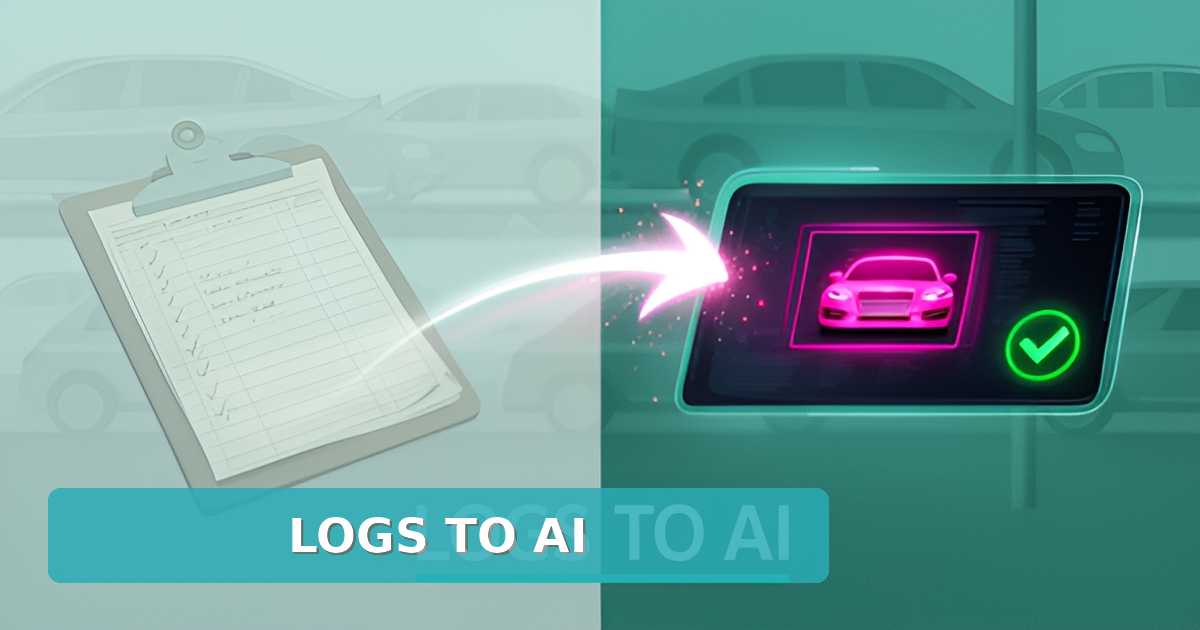
From Manual Logs to AI: How Valet Parking Services Can Automate Vehicle Tracking
Key Facts
- AI-powered license plate recognition typically achieves accuracy well above what manual logging can match, virtually eliminating misread plates and lost tickets in valet deployments.
- Automated valet systems typically retrieve vehicles in a fraction of the time traditional paper-log operations require, often in under three minutes.
- The automated valet parking market has been on a strong growth trajectory and is widely projected to expand several-fold over the coming decade, as of late 2026 industry forecasts.
- Modern valet platforms typically integrate with hundreds of third-party applications, including payment gateways and property management systems.
- Guests with digital valet systems receive a tracking link the moment they hand over keys, ending 'where's my car?' calls.
- Touchless AI check-in takes seconds, not minutes, replacing paper tickets and manual data entry entirely.
Hire a team member that works 24/7 — for less than a part-time wage.
AI receptionists, SDRs, dispatchers and 99+ roles. Trained on your business, fully managed.
Not sure where to start? Ask our AI planner
The Hidden Costs of Paper-Based Valet Tracking
Imagine a bustling valet stand on a Friday night: attendants juggling car keys, scribbling down license plates on crumpled paper tickets, and guests anxiously checking their watches. This scene, all too familiar in traditional valet operations, is not just chaotic—it's costly.
Paper-based tracking systems, once the industry standard, are now a significant liability. They introduce a cascade of operational inefficiencies that directly impact the bottom line. Manual data entry is prone to human error, leading to misplaced vehicles, incorrect billing, and frustrated customers. These aren't minor inconveniences; they erode trust and can result in substantial revenue loss.
Consider the contrast with modern, AI-powered solutions. The automated valet parking market has been growing steadily, with industry forecasts as of late 2026 projecting multi-fold expansion over the next decade. That growth is fueled by the tangible benefits of automation. AI-powered vehicle identification consistently outperforms manual logging on accuracy, virtually eliminating the misreads and lost tickets that plague paper-based systems.
The hidden costs of paper-based systems extend beyond simple errors. They manifest in several critical areas:
- Increased Labor Costs: Manual processes require more staff time for check-ins, retrievals, and reconciling paper logs, driving up labor expenses.
- Revenue Leakage: Inaccurate tracking and billing errors lead to lost revenue. Without precise, automated records, it's difficult to account for every vehicle and transaction.
- Poor Guest Experience: Long waits, lost tickets, and the frustration of a misplaced vehicle can damage a business's reputation and deter repeat customers.
- Lack of Operational Insight: Paper logs offer no real-time data, making it impossible for operators to monitor performance, optimize workflows, or make informed business decisions.
The inefficiencies of manual tracking are clear. While traditional methods leave guests waiting while attendants search misfiled logs, AI-driven systems typically retrieve a vehicle in under three minutes. That gap highlights the operational difference between old and new. Transitioning to an automated system is not just about adopting new technology—it's about plugging the financial leaks caused by paper-based processes and paving the way for a more efficient, profitable, and customer-friendly operation.
How AI-Powered Vehicle Tracking Eliminates Manual Entry
The days of scribbling license plate numbers on paper tickets and manually logging vehicle details are fading fast. Modern valet services are turning to AI-powered systems that automate every step of the tracking process, eliminating human error and accelerating service times. By integrating license plate recognition, mobile check-in, and cloud-based logging, these technologies create a seamless flow of data automatically from arrival to departure.
This shift delivers measurable improvements in accuracy and speed. AI-powered vehicle identification dramatically reduces misidentification compared to manual entry. With automated systems, average retrieval time typically drops to under three minutes, while traditional methods often involve longer waits due to lost tickets or misfiled logs. Guests benefit from touchless check-in that takes seconds, not minutes, and operators gain real-time visibility into vehicle locations without manual reconciliation.
- License plate recognition automates vehicle identification at drop-off and pickup
- Mobile applications enable guests to request retrieval and receive real-time updates
- Cloud-based platforms store and sync data instantly across devices and locations
- Digital logging eliminates paper tickets and manual data entry errors
- Integrations with payment gateways, property management systems, and scheduling tools connect the tracking layer to the rest of the operation
For valet operators seeking to modernize without complexity, AIQ Labs provides the engineering expertise to build custom tracking systems the business owns and controls. Rather than relying on fragmented tools or manual workflows, businesses can deploy AI-driven automation that captures vehicle data accurately, reduces labor-intensive logging, and generates instant reports—all while maintaining full ownership of the technology. This approach transforms valet operations from a reactive, error-prone process into a streamlined, data-rich service that scales with demand. For operators who want to start smaller, a single rebuilt workflow through [AIQ Labs' Workflow Builds](/workflow-builds) can target the most expensive manual step first.
Implementing AI Automation with AIQ Labs
Paper logs and handwritten tickets are costing valet teams time, accuracy, and guest trust. With automated valet parking adoption accelerating across hospitality and event venues, operators are moving from manual tracking to AI-powered systems that capture drop-off and pick-up details automatically.
A phased transition keeps operations running while building a system the business owns. AIQ Labs maps the current check-in, parking, and retrieval workflow, identifies manual bottlenecks, and designs a custom AI document processing system that replaces paper with real-time digital logs.
The build phase creates production-ready automation that captures license plate recognition, vehicle make and model, and timestamp data at arrival. Industry deployments consistently show AI-powered identification outperforming manual logging on both accuracy and retrieval speed. The system generates automated reports and real-time status updates guests can access via mobile.
Integration ties the new tracking layer to existing tools without rip-and-replace disruption. Valet services can connect to property management systems, payment gateways, and scheduling software. Cloud-based platforms enable remote monitoring, scalable data management, and secure transaction handling.
Staff training ensures adoption on day one. Teams learn mobile capture for check-in, retrieval request handling, and exception management for edge cases. Training is role-specific and delivered alongside the system, so attendants work with the AI, not around it. Where a valet operation needs standing support rather than a one-time build, managed [AI Employees](/ai-employees) can handle dispatching, guest communication, and reporting at a fraction of the cost of additional headcount.
A practical rollout follows a clear sequence:
- Workflow assessment and data mapping to document current manual steps and error points
- Custom system build with true ownership of code, agents, and data
- Tool integration and cloud deployment for real-time reporting and guest updates
- Staff training and go-live support with performance monitoring
Ownership and payment flexibility reduce risk. AIQ Labs offers three engagement models: Start Monthly with a managed plan, Build in Milestones with approval at each phase, or Own It Outright as a full [AI Operating System](/ai-operating-systems) built in phases and owned completely. Clients retain full control over customization and future development. Details are on the [pricing page](/pricing).
The result is fewer lost tickets, faster check-ins measured in seconds, and automated revenue reporting that replaces manual reconciliation. Valet operations gain efficiency, security, and a seamless guest experience built on production-ready automation.
Still paying for 10+ subscriptions that don’t talk to each other?
We build custom AI systems you own outright. No vendor lock-in. Full control.
Not sure where to start? Ask our AI planner
Frequently Asked Questions
How much can AI-powered valet parking reduce retrieval time compared to traditional methods?
What accuracy rate does AI-powered license plate recognition achieve in valet parking systems?
How does AI-powered valet tracking improve the guest experience?
Can AI valet systems integrate with existing hotel or property management software?
Is it expensive for small valet businesses to switch to AI-powered tracking?
What market growth is driving the adoption of AI in valet parking services?
The Last Paper Ticket: Your Move Toward Smarter Valet Operations
The math is hard to ignore. Paper logs cost valet operations in labor hours, billing errors, and guest goodwill, while AI-powered systems deliver far higher identification accuracy and retrieval times typically measured in minutes, not the long waits paper logs create. As we've covered, the transition doesn't have to be disruptive: a phased approach—workflow assessment, custom build, seamless integration with your existing tools, and hands-on staff training—keeps operations running while you modernize. And with flexible engagement options like starting monthly, building in milestones, or owning your system outright, the risk of getting started is lower than the cost of standing still. The automated valet parking market's steady climb signals where the industry is headed. The question isn't whether to automate, but when. If you're ready to see what AI automation could look like for your valet operation, take the two-minute Fit Check at aiqlabs.ai/apply and book a free 30-minute strategy call—a real working session with an AI engineer to map your biggest bottleneck. If there's no clear win, they'll tell you that too.
Make AI your competitive advantage — not just another tool.
Strategy, implementation and ongoing optimization. One partner, end to end.
Not sure where to start? Ask our AI planner