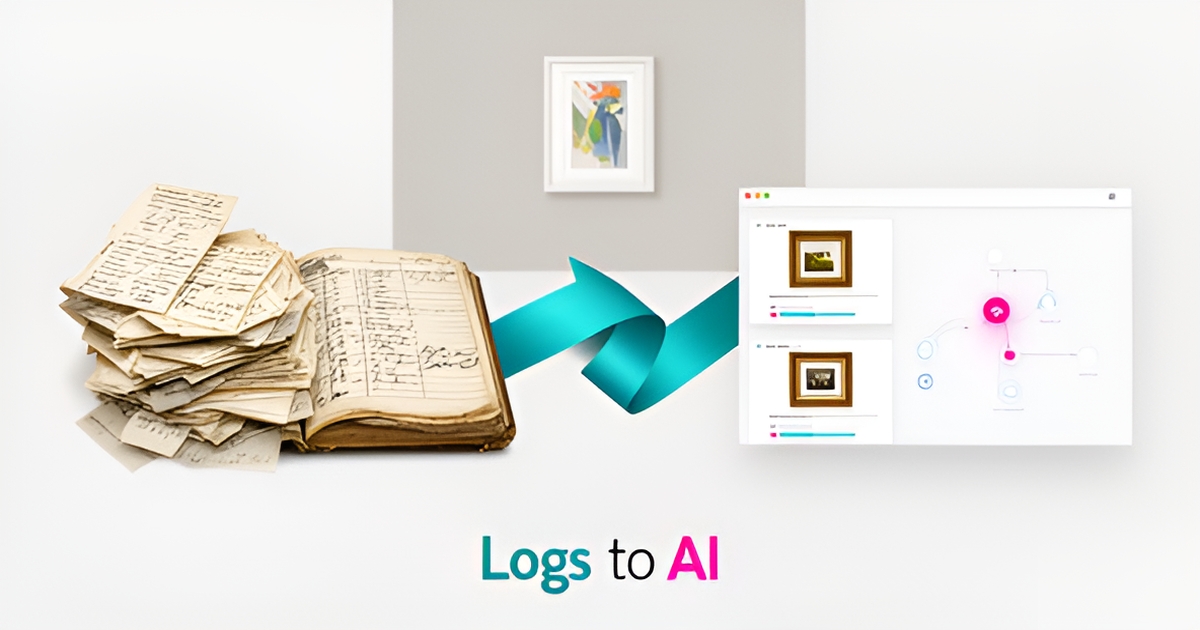
From Manual Logs to AI: Modernizing Framing Shop Order Tracking
Key Facts
- Research suggests over 50% of customers abandon a brand after only one bad experience according to warehouse optimization studies
- Businesses can spend roughly 20% of their budget on correcting logistical errors per warehouse and fulfillment analysis
- Error correction typically costs $20-$60 per inventory error based on warehouse management research
- Automated takeoff and material estimation can reduce estimation time by 60-80% for framing contractors using AI
- Administrative tasks can be automated, reducing administrative overhead by up to 70% in framing contractor operations
- AI can analyze historical order data to identify bottlenecks such as slow design turnaround or backlogged production per art framing order tracking research
- AI combined with ERP creates a closed-loop system where documentation becomes automatic and actionable in real time per shop floor documentation research
Hire a team member that works 24/7 — for less than a part-time wage.
AI receptionists, SDRs, dispatchers and 99+ roles. Trained on your business, fully managed.
Not sure where to start? Ask our AI planner
The Hidden Cost of Manual Order Logs in Framing Shops
Manual logs feel safe until they quietly erode margin, delivery dates, and trust. In framing shops, the order journey from consultation to delivery lives in notebooks, text threads, and memory, and that fragmentation creates visible pain at every handoff.
A modern order tracking system transforms a traditionally manual process into a streamlined, data-backed procedure. Art framing operations tracking research shows that effective systems must document every step from initial consultation to final delivery to ensure quality control and deadline adherence. Without that continuity, order completion time becomes unpredictable and error rates rise.
The cost shows up in three connected areas. First, accuracy. Warehouse and fulfillment analysis finds error correction typically costs $20-$60 per inventory error, and businesses can spend roughly 20% of their budget correcting logistical errors. Human errors increase naturally with higher intensity of manual labor. Second, resource use. Industry tracking guidance identifies resource utilization as essential for optimizing supply chain management of materials and labor. Third, customer loyalty. Research suggests over 50% of customers abandon a brand after only one bad experience.
Fragmented capture drives the leak. Shop floor documentation chaos is not just an operational nuisance, it is a silent profit leak across production, quality, and compliance. Shop floor documentation research notes that ERP data often doesn't match actual production in mid-market manufacturing environments because data capture remains manual and inconsistent. Critical insights often live with experienced operators, and when they're unavailable, that knowledge disappears.
Memory-based tracking also creates bottlenecks that are hard to see until they stall production. Framing company AI analysis explains that AI transforms scattered information into organized systems, converting memory-based knowledge, text threads, notebooks, and conversations into repeatable company processes. Process mining can identify workflow bottlenecks by analyzing historical order data to pinpoint issues like slow design turnaround or backlogged production.
The operational symptoms are familiar:
- Delayed or inconsistent shift reports and order status updates
- Audit preparation that takes days instead of hours
- ERP or job logs that don't match actual production
- Rework from poor communication and weak project information
These patterns signal systemic fragility. Systems that rely on human memory instead of structured capture are inherently fragile. AI can analyze historical order data to identify bottlenecks in workflow such as slow design turnaround or backlogged production, which is the core of process mining and optimization for custom framing operations.
AIQ Labs applies this approach through AI Workflow Builds, rebuilding the one workflow that costs your shop the most — often order tracking — at a fixed price and in phases. The goal is not to replace craft, but to carry the paperwork so carpenters keep building and the shop can deliver on time, with fewer errors, and with clear visibility from consultation to delivery.
How Process Mining and AI Expose Workflow Bottlenecks
Most framing shops don't have a visibility problem — they have a data capture problem. The critical gap between what happens on the shop floor and what lives in the system creates blind spots that no spreadsheet can fix.
According to industry research, process mining analyzes historical order data to pinpoint workflow inefficiencies such as slow design turnaround or backlogged production. AI-driven order management operates through a four-step cycle: document classification, data extraction and validation, order generation, and proactive tracking with predictive analytics. This shifts operations from reactive firefighting to proactive bottleneck resolution.
- Design consultation delays that cascade into missed production slots
- Material shortages discovered only after cutting begins
- Quality check bottlenecks where finished pieces wait for approval
- Documentation gaps that force rework on custom specifications
Manufacturing research confirms that ERP data rarely matches actual production when capture remains manual — audit preparation takes days instead of hours, and shift reports arrive late or inconsistent. AI closes this loop by converting voice notes, photos, and text threads into structured process data without adding administrative burden. The carpenters keep building; the system captures the knowledge.
Construction framing data shows that companies with shorter communication loops implement these improvements fastest. Framing contractors using automated estimation report 60–80% time savings and material cost reductions through strategic purchasing decisions. AIQ Labs applies this same process mining approach to custom framing operations, building AI-driven BI dashboards that turn raw order history into actionable workflow insights — preserving craftsmanship while eliminating the administrative drag that erodes margins.
Building an End-to-End AI Order Tracking System for Custom Framing
Manual logs, handwritten notes and text threads keep framing shops blind to what's actually happening on the floor. Modern AI order tracking replaces memory-based handoffs with a closed-loop system that captures, validates and predicts every step from consultation to delivery.
The cycle starts with classification. AI reads incoming messages and attachments — emails, PDFs, images, handwritten notes — and determines context to route them appropriately. AI order management research shows this first step automates routine sorting that teams previously did by hand.
Next comes extraction and validation. Relevant data such as customer info, frame specifications, materials and delivery dates is pulled out and cross-checked against ERP/CRM records. Discrepancies are flagged for review before they become errors. This is where the shop-floor documentation gap closes, because AI combined with ERP creates a closed-loop system where documentation becomes automatic and actionable in real time.
Generation follows. Based on validated data and predefined rules, AI automatically creates orders, quotations and personalized responses in the ERP. For framing contractors, automated takeoff and material estimation can reduce estimation time by 60-80%, while administrative tasks can be automated, reducing administrative overhead by up to 70%.
Tracking and prediction completes the loop. AI monitors order progress live and analyzes historical data to forecast delays. Process mining can analyze historical order data to identify workflow inefficiencies such as slow design turnaround or backlogged production. Real-time dashboards offer comprehensive oversight of pending orders, material usage and process delays through intuitive visual interfaces.
For custom framing, end-to-end visibility means every detail from frame type to client requirements is stored, analyzed and optimized. Business Intelligence tools provide critical capabilities to manage inventory, monitor order statuses and track complex framing project details. One-click reporting transforms raw data into insight-rich reports with minimal effort.
AIQ Labs maps this four-step cycle to framing workflows through AI Workflow Builds, helping shops identify bottlenecks in design turnaround or production backlogs and rebuild those systems smarter and faster — at a fixed price, in phases you approve.
A practical AI order tracking system for framing shops typically includes:
- Classification of consultation notes, photos and emails into structured order records
- Extraction and validation against inventory and ERP to prevent mismatches
- Automated generation of quotes, work orders and client updates
- Real-time tracking with predictive alerts for delays and resource constraints
The result is a data-driven shop where the ERP reflects reality, not reported activity, and routine admin is automated while craftspeople focus on the work itself.
Implementation Path for SMB Framing Shops
Modernizing your framing shop doesn't require ripping out existing systems or betting the business on unproven technology. The most successful implementations start small, target a single critical workflow, and build outward only after proving value. According to industry analysis, smaller framing operations actually hold an advantage here—shorter communication loops and direct owner oversight allow for rapid implementation and immediate adjustments.
Resist the urge to automate everything at once. Instead, identify your single biggest bottleneck—whether that's order intake, design approval cycles, or production scheduling—and rebuild that specific process first. Research from warehouse optimization studies suggests correcting logistical errors can consume roughly 20% of operational budgets, making targeted fixes far more cost-effective than broad overhauls. By focusing on one high-friction area, you create a controlled environment to validate AI's impact without disrupting daily operations.
Process mining technology excels in this targeted approach. By analyzing historical order data, AI identifies exactly where delays occur—such as slow design turnaround or backlogged production—allowing you to address root causes rather than symptoms. This diagnostic capability ensures your first automation project solves a verified problem, not a hypothetical one.
Your existing tools contain years of valuable business data. The goal is connecting these systems, not discarding them. Modern AI implementation works through deep API integrations that sync your CRM, accounting software, and project management tools into a unified workflow. As manufacturing research confirms, AI doesn't replace ERP systems—it fixes the weakest link, which is typically how data gets captured on the shop floor.
Key integration priorities include:
- Order intake automation: AI classifies incoming requests from email, web forms, or phone transcripts and extracts key details without manual data entry
- Real-time status tracking: Connects design, production, and finishing stages so staff and customers see live updates
- Inventory synchronization: Links material usage to specific orders, preventing stockouts and reducing waste
- Unified reporting: Aggregates data from all touchpoints into dashboards that highlight bottlenecks and capacity constraints
This approach mirrors AIQ Labs' Build in Milestones payment model: implement one integrated workflow, verify the results, then expand. You approve each phase before proceeding, maintaining control over scope and budget while keeping everything built so far.
Many SMBs fall into the trap of renting disjointed SaaS tools that lock away their data. True modernization requires owning your infrastructure outright. When you control the code, agents, and data, you eliminate vendor lock-in and gain the freedom to customize as your framing business evolves. According to technology governance research, AI exposes gaps in data quality and system alignment—issues you can only fix permanently if you own the underlying architecture. That's what AIQ Labs' AI Operating Systems deliver: one connected operating layer for your shop, built in phases and owned outright.
Data ownership also enables process mining capabilities that grow more valuable over time. As industry analysis notes, transforming raw order data into actionable insights requires a centralized data ecosystem where every detail—from frame type to client specifications—is stored, analyzed, and optimized. When you own this system outright, you build a proprietary intelligence asset that competitors cannot replicate.
Begin with a workflow audit to document your current order tracking process, noting where manual entry creates delays or errors. Next, select one high-impact workflow—typically order intake or production scheduling—for your pilot implementation. Finally, establish clear metrics for success, such as reduced order completion time or decreased error rates, before expanding to additional departments.
For framing shops ready to explore this path, AIQ Labs offers a two-minute Fit Check followed by a free 30-minute strategy call to map your specific bottleneck. Whether you start with a single AI employee to handle order intake and updates at a fraction of the cost of a human hire, or build a comprehensive tracking system through phased milestones, the key is starting with a workflow you can measure, control, and own completely.
Still paying for 10+ subscriptions that don’t talk to each other?
We build custom AI systems you own outright. No vendor lock-in. Full control.
Not sure where to start? Ask our AI planner
Frequently Asked Questions
How much money are we actually losing with our current manual order logs?
Will AI replace our framers or change the craft itself?
Our ERP already exists — why doesn't it match what's happening on the shop floor?
What's the first step if we want to modernize without disrupting daily operations?
How does process mining actually find bottlenecks in our framing workflow?
Can we keep ownership of our data and systems instead of renting SaaS tools?
Keep the Craft, Lose the Paperwork
Manual logs feel safe until they quietly erode margin, delivery dates, and trust. This article shows how fragmented capture in framing shops creates accuracy gaps, resource waste, and customer churn, and how process mining and AI close the loop between the shop floor and the system without adding administrative burden. By classifying consultation notes and photos, validating data against ERP, automating quotes and work orders, and tracking orders with predictive alerts, shops get end-to-end visibility from consultation to delivery while craftspeople stay focused on the work. The most successful modernization starts small with one high-friction workflow, proves value, then expands. If you want to see where your biggest bottleneck lives, AIQ Labs offers a two-minute Fit Check followed by a free 30-minute strategy call to map your specific workflow and identify high-ROI automation opportunities. Error correction alone can cost $20-$60 per inventory error according to warehouse and fulfillment analysis, making targeted fixes a clear business priority.
Make AI your competitive advantage — not just another tool.
Strategy, implementation and ongoing optimization. One partner, end to end.
Not sure where to start? Ask our AI planner