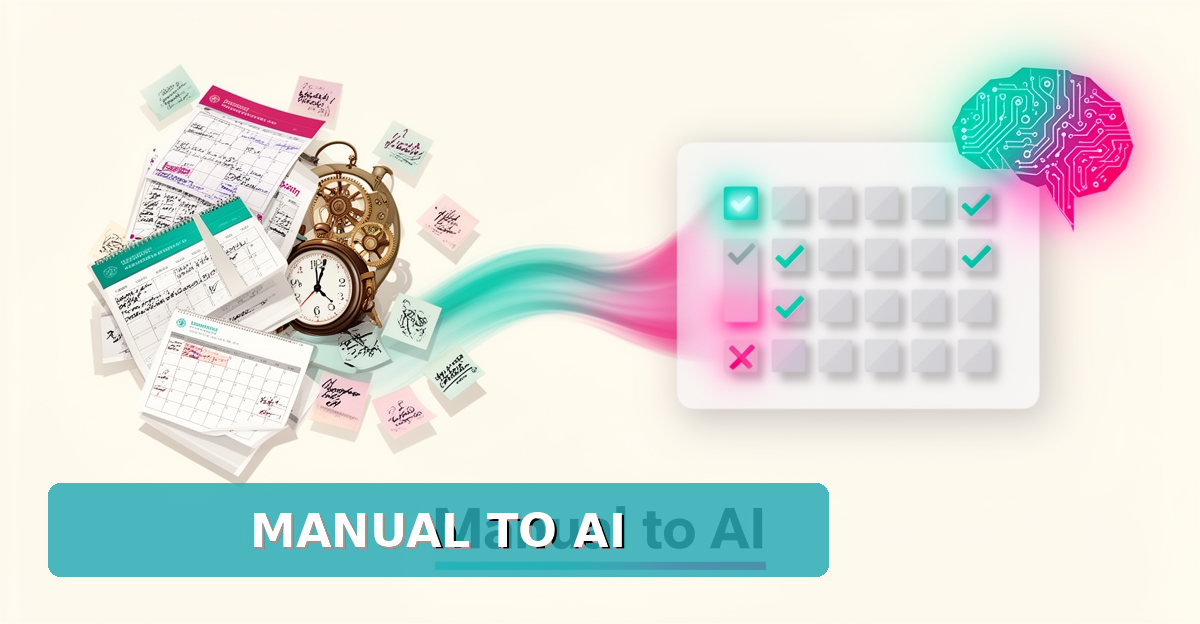
From Manual to AI: Automating Bowling Alley Booking & Scheduling
Key Facts
- AI-driven dynamic pricing and lane optimization is often credited with revenue gains in the 15-25% range by maximizing peak-hour utilization and filling off-peak windows, according to industry analyses.
- Automated reservation systems with confirmations and reminders are reported to bring no-show rates down from a typical industry average of roughly 20% with manual phone-based booking to near zero in some cases.
- Operators using AI scheduling commonly report conflict reductions of over 90% within the first month, with staff time on scheduling falling from 10+ hours to under 1 hour per week in documented cases.
- 24/7 multilingual AI agents can resolve roughly 80% of frequently asked questions autonomously and capture after-hours bookings, per platform data from booking software providers.
- Predictive maintenance is typically associated with 30-40% less equipment downtime and 10-40% lower maintenance costs through proactive repairs.
- AI demand forecasting is credited with 20-30% reductions in food waste, while automated reordering can cut excess inventory costs by 15-20%.
- League programs using AI-driven score analytics have reported retention climbing from around 68% to 85%, with average spend per participant growing roughly 15% through targeted upsells.
Hire a team member that works 24/7 — for less than a part-time wage.
AI receptionists, SDRs, dispatchers and 99+ roles. Trained on your business, fully managed.
Not sure where to start? Ask our AI planner
The Hidden Costs of Manual Lane Management
Most bowling alleys still rely on static 60–90 minute lane blocks and spreadsheet-based scheduling, creating a cascade of hidden costs that erode profitability. This rigid approach fails to adapt to real-time demand, leading to double-bookings, underutilized lanes during off-peak hours, and missed opportunities to capture premium pricing during peak times. The result is a system that appears simple but actively leaks revenue through preventable inefficiencies.
Manual lane management generates significant administrative overhead, with many operators spending 10+ hours weekly on scheduling tasks that automation can reduce to under an hour. Phone-based bookings compound the issue, with industry no-show rates commonly cited around 20%, directly impacting lane utilization and revenue. These inefficiencies are not just inconvenient—they represent a structural flaw in how many centers operate, limiting their ability to scale or respond to market fluctuations.
- Operators adopting AI scheduling commonly report conflict reductions of over 90% within the first month, with staff scheduling time falling from 10 hours to under 1 hour per week.
- AI-driven dynamic pricing and lane optimization is often credited with revenue gains of 15-25% by maximizing peak-hour utilization and filling off-peak dead windows.
- Automated reservation systems have driven no-show rates to near zero in some cases, compared to a typical industry average of around 20% with manual phone-based booking.
Beyond scheduling, reliance on reactive maintenance and fixed pricing creates operational fragility. Equipment failures during peak hours lead to unplanned downtime and emergency repair costs, while static pricing fails to incentivize bookings during slower periods. This combination leaves revenue on the table and increases vulnerability to disruptions that AI-driven systems can predict and prevent. For bowling alleys still managing lanes with spreadsheets and phone calls, the hidden costs are no longer just operational—they're strategic.
Dynamic Lane Optimization and 24/7 AI Revenue Capture
Static 60-90 minute blocks are costing bowling centers revenue every night. AI replaces rigid scheduling with minute-level allocation that reacts to real demand, not a spreadsheet.
Dynamic lane optimization moves beyond fixed pricing to context-aware allocation. Systems analyze historical patterns, live occupancy, weather and local events to adjust pricing and merge blocks for large groups. Centers using these systems commonly report revenue gains in the 15-25% range by maximizing utilization during peak hours while attracting budget-conscious customers during slower periods through targeted promotions.
Real-time conflict resolution eliminates the double-bookings and manual fixes that plague manual operations. AI continuously validates overlapping requests, league rotations and party buffers, with operators commonly reporting scheduling error reductions of over 90% within the first month. Staff time spent on scheduling falls from 10 hours to under 1 hour per week in documented cases, freeing teams for guest experience.
Automated pricing adjustments lift revenue by optimizing peak/off-peak utilization. The engine raises rates when demand spikes and creates dead-window incentives when lanes sit empty, increasing revenue per lane during peak times.
24/7 multilingual AI agents capture revenue after hours and reduce front-desk load. These agents handle routine inquiries about availability, shoe sizes, packages and pricing, resolving roughly 80% of frequently asked questions in real time without human intervention, per platform data. By automating confirmations and intelligent upselling, centers drive no-shows toward zero.
AIQ Labs builds these systems through AI Workflow Builds—rebuilding the one workflow that costs you the most, at a fixed price and in phases. For booking and scheduling, that means automated systems that integrate with your existing calendars and handle reservations, conflicts and promotions in real time, replacing manual spreadsheets and phone calls.
The shift delivers measurable operational gains:
- Minute-based dynamic allocation replaces static blocks and is commonly associated with error reductions of over 90%
- Real-time pricing typically lifts revenue 15-25% through peak/off-peak optimization
- 24/7 multilingual agents resolve roughly 80% of inquiries autonomously and capture after-hours bookings
- Automated confirmations and upsells reduce no-shows to near zero
Lane utilization improves while labor is reallocated to high-value guest interactions. Dynamic lane optimization turns idle time into revenue and 24/7 AI revenue capture ensures no booking opportunity is missed.
Predictive Operations: Maintenance, Energy, and Inventory Intelligence
Bowling centers run on equipment that never sleeps, and downtime during peak hours hits revenue immediately. AI shifts operations from reactive fixes to continuous foresight, protecting lanes, utilities, and food margins at the same time.
Predictive maintenance replaces emergency repairs with early warnings. Sensors monitor pinsetters, ball returns, and lane machines to flag anomalies before failure, typically identifying risks 1-2 weeks in advance. Industry analyses commonly credit predictive maintenance with 30-40% reductions in equipment downtime, with some deployments reporting up to 50% less. Maintenance costs can fall 10-40% via predictive repairs, avoiding costly weekend rush failures.
Energy use is tied directly to occupancy, and IoT-enabled AI makes it responsive. HVAC and lighting adjust automatically to real-time lane activity, weather, and booking data rather than fixed schedules. Bowling software providers commonly document 10-30% energy savings through automated IoT ecosystems for HVAC, lighting, and lane activation, with AI-driven energy management systems typically credited with 10-20% reductions in energy costs.
Food and beverage margins improve when inventory matches demand. AI demand forecasting analyzes historical sales, league nights, weather, and local events to predict consumption by hour and lane block. Operational studies commonly find 20-30% reductions in food waste through AI demand forecasting, with automated reordering cutting excess inventory costs by 15-20%.
These three capabilities work together as an operations brain:
- Predictive maintenance that monitors equipment health continuously and schedules service before breakdowns.
- Energy intelligence that links IoT sensors to HVAC and lighting for occupancy-based control.
- Inventory forecasting that aligns kitchen and pro shop stock with predicted demand and automates reorders.
For centers moving from manual spreadsheets and phone calls to automated booking, the same AI workflow automation principles apply to back-of-house systems. AIQ Labs integrates these with your existing calendars and operations tools, replacing repetitive admin with real-time automation. The result is fewer interruptions, lower utility bills, and leaner inventory without adding headcount.
Transforming League Management from Burden to Profit Center
League nights should build community and revenue, not burn out your front desk team. Manual league coordination quietly drains 10+ hours every week on spreadsheets, phone calls, and last-minute lane swaps.
AI replaces that administrative burden with automated scheduling, attendance tracking, and lane rotations that run in real time. In documented deployments, staff time spent on scheduling fell from 10 hours to under 1 hour per week after AI implementation. Industry analysis also suggests league coordinator time can drop by roughly 50% when schedules auto-adjust for attendance.
Beyond logistics, data-driven engagement turns leagues into a profit center. AI analyzes individual and team performance to generate personalized reports, suggest skill-appropriate opponents, and trigger automated communications for schedule changes and promotions. Deployments using AI-driven score analytics have reported league retention climbing from 68% to 85%, while average spend per participant grows roughly 15% through targeted upsells.
The operational gains compound quickly:
- Automated schedule creation with exception handling for holidays and weather closures
- Real-time attendance tracking and lane rotation optimization to eliminate conflicts
- Personalized performance analytics and automated nudges that drive repeat play
- 24/7 self-service updates that reduce front-desk calls and no-shows
AIQ Labs builds custom AI systems that integrate with existing calendars and generate optimized schedules for peak and off-peak times, replacing manual spreadsheets and phone calls with real-time booking and conflict resolution. The approach mirrors how AI workflow automation augments staff rather than replacing them, freeing employees for high-value guest interactions.
Centers adopting this model commonly report scheduling conflicts dropping by over 90% within the first month, with management efficiency improving as a single cloud hub coordinates multiple locations. The result is a league program that runs itself, retains more players, and spends less staff time on administration while increasing revenue per participant.
Implementation Roadmap: From Data Audit to Full Automation
Moving from spreadsheets and phone bookings to AI-driven operations works best as a phased build, not a big bang. Bowling centers that audit first and expand modularly typically see faster adoption and measurable ROI within 6-12 months.
Start with a comprehensive data audit and clear ROI definition. Consolidate POS, league registration, lane sensors and historical booking data into a clean baseline. Define measurable goals such as reduction in scheduling errors, labor hours saved, and increase in average spend per bowler before any build begins.
Select a modular approach that integrates with legacy POS/CRM and supports incremental rollout. Begin with high-impact pieces like schedule optimization and dynamic pricing, then expand to score analytics and payment automation. Industry research on modular booking platforms commonly cites reductions in manual administration of around 40% and management efficiency gains of roughly 30% with a single cloud hub.
Configure dynamic pricing and scheduling rules early. The system analyzes historical demand, weather and real-time bookings to adjust lane pricing and suggest optimal blocks, with rules for leagues, holidays and party buffers. Centers using this approach commonly report revenue increases in the 15-25% range by maximizing peak utilization while attracting budget customers off-peak.
Deploy 24/7 customer service agents and predictive maintenance in parallel. An AI assistant trained on venue-specific lane layouts, pricing and policies can resolve roughly 80% of FAQs autonomously, with platform data showing meaningful reductions in manual admin intervention with 24/7 AI support. At the same time, sensors on pinsetters and HVAC enable alerts 1-2 weeks before failure, typically cutting equipment downtime 30-40%.
Staff training and AI search visibility sustain adoption. Hands-on workshops demonstrate how tools reduce repetitive work so teams focus on high-value guest interactions. Ensure structured data for lane counts, pinsetter types and certifications is accurate for AI search engines, or venues risk exclusion from AI-generated shortlists.
A practical phased roadmap looks like this:
- Data consolidation and ROI metric definition with legacy POS/CRM mapping
- Modular platform selection, dynamic pricing configuration and AI booking agent deployment
- Predictive maintenance sensors, league workflow automation and staff training
- Optimization for AI search visibility and continuous performance monitoring
AIQ Labs supports this journey with AI Workflow Builds for the single costliest workflow first, expanding over time toward a full AI Operating System your business owns outright. With 6-12 month ROI timelines common in the sector, phased execution turns automation from a project into a durable competitive advantage.
Still paying for 10+ subscriptions that don’t talk to each other?
We build custom AI systems you own outright. No vendor lock-in. Full control.
Not sure where to start? Ask our AI planner
Frequently Asked Questions
How much revenue can a bowling alley gain by switching from manual booking to AI scheduling?
Will AI automation replace my front desk staff?
How long does it take to see ROI after implementing AI in a bowling center?
Can AI really reduce no-shows and double-bookings?
How much staff time does AI league and lane scheduling actually save?
Do I need to replace my existing POS or booking systems to use AI?
The Last Frame: Why Your Spreadsheets Are Costing You More Than You Think
The math is hard to ignore: scheduling conflicts commonly cut by over 90%, staff hours on scheduling dropping from ten to under one per week, revenue gains of 15-25% through dynamic pricing, and no-shows falling from around 20% to near zero. Add predictive maintenance that typically cuts equipment downtime 30-40% and league retention climbing from 68% to 85% in documented deployments, and the case for moving beyond static lane blocks and phone bookings becomes a strategic necessity rather than a nice-to-have. The good news is you don't have to do it all at once. Start with a data audit, define your ROI metrics, and roll out automation where it hits hardest—scheduling and pricing first. That's exactly how AIQ Labs approaches these builds: custom AI systems that integrate with your existing calendars and tools, replacing spreadsheets and phone calls with real-time booking, conflict resolution, and optimized peak and off-peak schedules. With typical ROI timelines of 6-12 months in the bowling sector, the question isn't whether to automate—it's how soon you start. Take the two-minute Fit Check at aiqlabs.ai/apply, then book a free 30-minute strategy call to map your biggest bottleneck. If there's no clear win, we'll tell you that too.
Make AI your competitive advantage — not just another tool.
Strategy, implementation and ongoing optimization. One partner, end to end.
Not sure where to start? Ask our AI planner