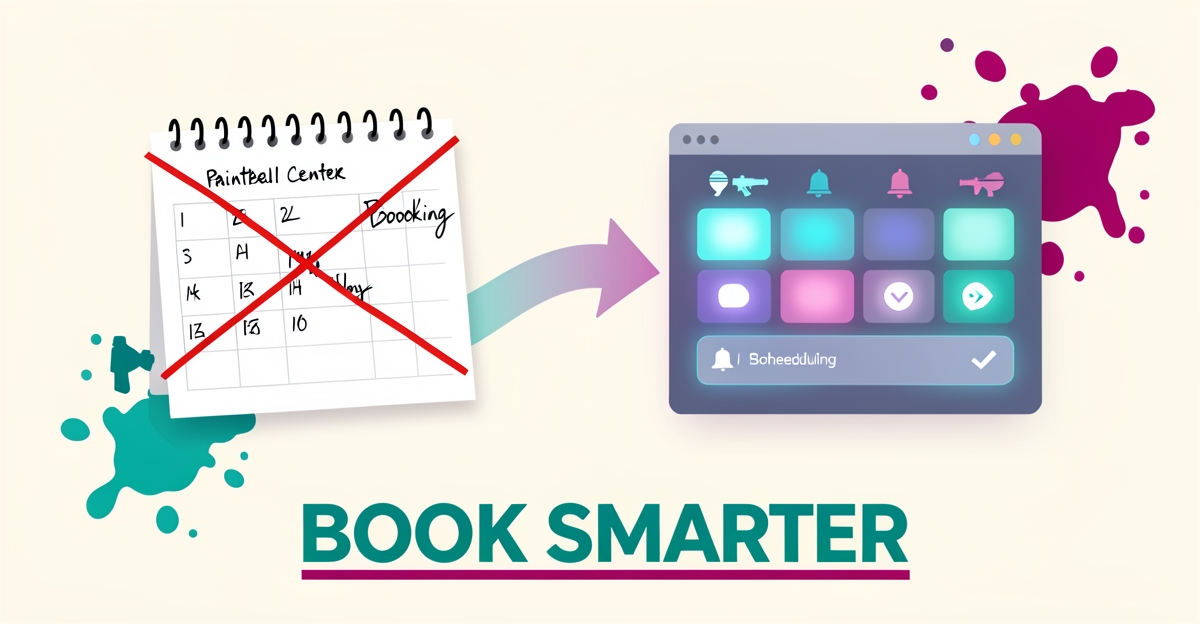
From Manual to AI: Transforming Game Booking Workflows at Paintball Centers
Key Facts
- Manual booking creates double-bookings, missed equipment allocations, and high no-show rates
- Automated reminders and cancellation workflows typically reduce no-shows and reclaim unfilled slots
- 24/7 AI assistants can handle routine player questions so staff focus on complex interactions
- AIQ Labs has deployed 200+ multi-agent systems and runs 4 live SaaS products daily
- Custom booking workflows typically go live in 6–16 weeks, phased by scope
- Centers own the system outright — no per-seat fees, no vendor lock-in
Hire a team member that works 24/7 — for less than a part-time wage.
AI receptionists, SDRs, dispatchers and 99+ roles. Trained on your business, fully managed.
Not sure where to start? Ask our AI planner
The Hidden Costs of Manual Booking in Paintball Centers
Paintball centers relying on manual booking systems face significant operational drag that directly impacts both staff capacity and customer satisfaction. The time spent juggling paper sheets, spreadsheets, and phone calls to coordinate games creates a hidden tax on daily operations, pulling employees away from higher-value tasks like player engagement and field maintenance. This administrative burden isn't just inconvenient—it limits how efficiently a center can run, especially during peak seasons when booking volume spikes and errors become more costly.
Beyond time lost, manual systems are prone to human error, leading to double-booked slots, missed equipment allocations, and scheduling conflicts that frustrate players and disrupt gameplay. These inaccuracies erode trust and contribute to a disjointed experience, particularly when players arrive expecting a reserved slot only to find it unavailable or improperly prepared. Furthermore, without automated reminders or easy rescheduling options, no-show rates tend to stay high, wasting reserved capacity and revenue that could otherwise be filled by waitlisted players. The cumulative effect is a cycle of inefficiency where staff burnout rises, customer experience suffers, and potential revenue slips through the cracks—all preventable with a shift toward intelligent, automated booking workflows. Automated cancellation workflows ensure that last-minute changes are handled seamlessly, updating availability in real time and minimizing lost opportunities. For centers still reliant on clipboards and calendars, the move to AI-driven booking isn't just about convenience—it's a necessary step toward sustainable, scalable operations. [AI Workflow Builds](/workflow-builds) rebuild the one workflow that costs you the most — like booking — at a fixed price, in phases. The result is a smoother, more predictable operation where staff can focus on delivering great games instead of managing paperwork.
How AI-Powered Booking Systems Solve Core Paintball Center Challenges
Manual booking sheets create bottlenecks that cost paintball centers time, accuracy, and players. AI-powered scheduling replaces the paper chase with automated workflows that keep slots filled and staff focused on the field.
Slot management becomes precise when AI automatically manages game slots, equipment availability, and session durations. Smart scheduling eliminates double-bookings and oversights while giving staff real-time visibility across multiple fields, arenas, and instructors.
Player notifications shift from reactive calls to proactive, personalized communication. Automated reminders for confirmations, safety briefings, and check-ins reduce confusion and no-shows. A 24/7 AI assistant can handle routine player questions — session times, what to wear, deposit policies — so staff only step in for complex inquiries.
Cancellation handling is where manual processes break down most often. AI can listen for incoming cancellations, process policy rules, and automatically update the booking system. Automated cancellation workflows can update availability, trigger refunds, and notify stakeholders in one pass, with an AI agent drafting a personalized response to the client.
The cumulative effect is a lighter admin load and a smoother player experience.
Core pain points AI workflows address for paintball centers include:
- Slot management that automatically balances game slots, equipment, and session durations
- Automated notifications sent via multiple channels for confirmations, reminders, and updates
- Cancellation management that processes refunds or credits and updates availability in real time
- 24/7 customer communication that answers FAQs and routes complex inquiries
AIQ Labs designs custom AI systems for paintball booking and game management with full ownership and control, replacing manual sheets with owned workflows that integrate with existing tools. For centers that need staff coverage as well as software — phones, front desk, group inquiries — managed [AI Employees](/ai-employees) handle receptionist and booking-desk roles at a fraction of the cost of a human hire.
When booking is automated, staff spend less time reconciling sheets and more time delivering the experience players came for.
Implementing Custom AI Booking Solutions with Full Ownership and Control
Moving from manual booking sheets to an AI-powered system doesn't require a months-long implementation cycle or a team of developers. Paintball centers can adopt custom AI booking solutions through a structured approach that prioritizes ownership, integration, and long-term flexibility. The goal is a system that manages game slots, sends automated player notifications, and handles cancellations without creating vendor lock-in.
AIQ Labs approaches this through custom AI development where the center retains full ownership of the code, agents, and data. Unlike subscription-based platforms that limit customization, this model delivers a unified operational system built on enterprise-grade agent frameworks. The system connects directly to existing tools — CRM, calendar, payment processors, and communication platforms — for real, two-way API integration. Centers choose from three payment structures: Start Monthly, a flat monthly plan that includes build, training, and ongoing optimization; Build in Milestones, where each phase ships before the next begins; or Own It Outright, a one-time project price for complete ownership upfront.
- Discovery and architecture mapping current booking workflows, data infrastructure, and ROI targets
- Custom development and integration with existing scheduling, payment, and communication tools
- Production deployment with staff training, documentation, and performance monitoring
- Ongoing optimization and scaling as the business grows
This phased approach typically moves from discovery to go-live in 6–16 weeks, depending on scope. Centers that automate cancellation handling through similar AI workflows get a system that updates availability, triggers refunds, and notifies stakeholders without manual intervention — drafting personalized responses to clients while enforcing policy rules consistently. For larger operations that want booking connected to scheduling, inventory, marketing, and reporting in one layer, an [AI Operating System](/ai-operating-systems) provides a single connected operating layer, built in phases and owned outright. The result is a booking workflow the center owns completely — no platform dependencies, no recurring per-seat fees, and the ability to extend the system across departments as needs evolve.
Still paying for 10+ subscriptions that don’t talk to each other?
We build custom AI systems you own outright. No vendor lock-in. Full control.
Not sure where to start? Ask our AI planner
Frequently Asked Questions
How much can AI-powered booking reduce manual administrative work for paintball centers?
Will switching to AI booking cause downtime or require a long implementation process?
Can AI really handle player questions and reduce the need for staff to answer repetitive inquiries?
What happens if a player cancels last minute—will the system update availability and process refunds automatically?
Is AI booking only for large paintball centers, or can small operations benefit too?
Do AI booking systems improve the actual player experience, or just save staff time?
The Field Is Yours: What Happens When Booking Runs Itself
Manual booking sheets don't just slow down paintball centers — they cap growth. Centers that automate slot management, player notifications, and cancellation handling reclaim staff hours, cut no-shows, and eliminate the double-bookings that erode trust and revenue. That's not incremental improvement — it's a structural shift from reactive paperwork to proactive game delivery. AIQ Labs builds custom AI booking systems that centers own outright, integrating with existing CRMs, calendars, and payment tools so staff can focus on the field, not the clipboard. Implementation moves in phases — discovery, build, deploy, optimize — typically going live in 6–16 weeks with payment models that fit the business: Start Monthly, Build in Milestones, or Own It Outright. The next move isn't a platform demo or a trial. Start with the 2-minute [Fit Check](/apply), then book a free 30-minute strategy call to map your biggest bottleneck and see if a custom AI workflow delivers clear ROI. No obligation. Just clarity. Questions first? Reach us at [email protected].
Make AI your competitive advantage — not just another tool.
Strategy, implementation and ongoing optimization. One partner, end to end.
Not sure where to start? Ask our AI planner