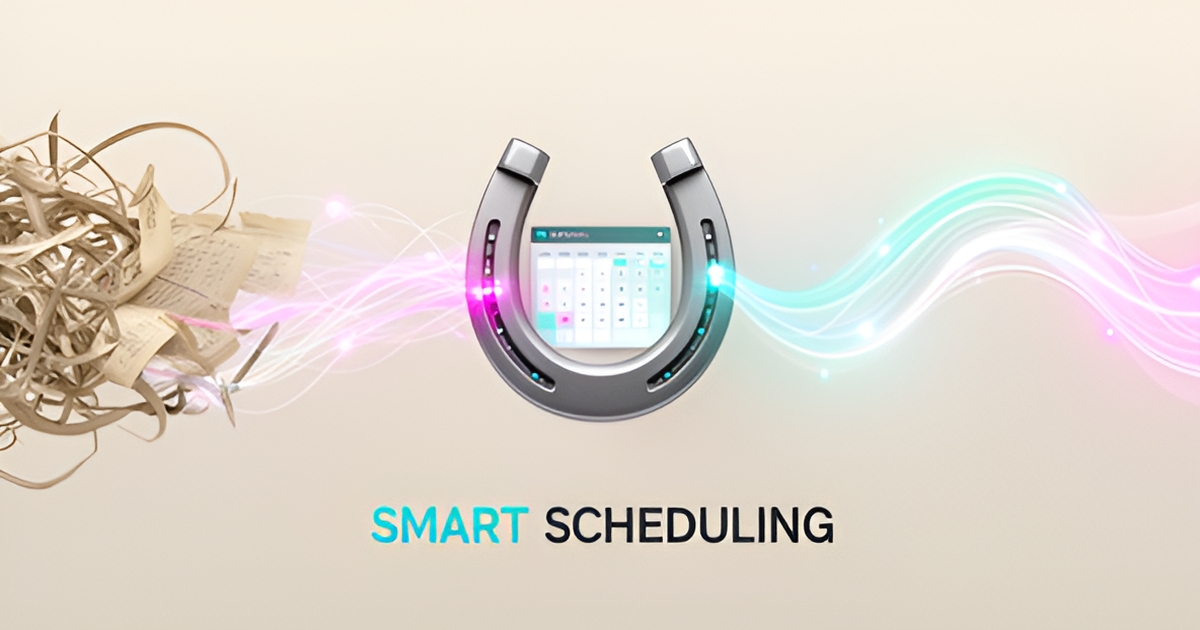
From Manual to AI: Transforming Horse Shoeing Operations with Smart Scheduling
Key Facts
- AI-driven scheduling typically reduces booking errors meaningfully compared to manual methods, with results varying by operation
- The horse management app market has grown steadily through the mid-2020s, with AI-powered analytics cited as a major innovation driver
- AI systems can analyze rider activity data to predict maintenance needs and optimize service scheduling
- Farriers transitioning from paper calendars to AI-driven task planning report more consistent service quality and fewer missed appointments
- Custom AI scheduling systems sync appointment calendars with rider activity data for predictive workflow automation
- AIQ Labs builds owned AI systems that integrate calendars, task logic, and operational rules into one platform — 200+ multi-agent systems deployed to date
Hire a team member that works 24/7 — for less than a part-time wage.
AI receptionists, SDRs, dispatchers and 99+ roles. Trained on your business, fully managed.
Not sure where to start? Ask our AI planner
The Paper-Based Scheduling Trap in Farrier Operations
Farriers still relying on paper calendars and phone logs know the drill: a missed text, a double-booked afternoon, a horse left waiting because the schedule lived in a notebook that never made it to the truck. Those moments aren't just inconvenient — they erode trust with barn managers and riders who expect precision. Across equine operations, the shift from manual scheduling to AI-driven task planning is already reducing scheduling errors and supporting more consistent service quality.
The hidden cost of reactive planning compounds quietly. Every rescheduled appointment burns fuel and goodwill. Every forgotten follow-up means a hoof cycle missed. Operations that adopt AI-driven scheduling typically report meaningfully fewer scheduling errors than manual methods, with systems that analyze rider activity data to predict maintenance needs before they become emergencies. When the roster grows past a dozen barns, memory and sticky notes stop scaling.
- Paper calendars can't sync with rider training changes or weather delays
- Phone tag with barn managers consumes hours each week
- No historical data means no pattern recognition for seasonal demand
- Inconsistent documentation creates liability gaps
The equine management app sector has grown steadily through the mid-2020s, with AI-powered analytics cited as a key driver — a signal that operational automation is where the industry is heading. AIQ Labs builds custom systems that synchronize with appointment calendars and rider activity data, turning chaotic scheduling into a predictive workflow that farriers can actually rely on. If scheduling is the workflow costing you the most, that's exactly what AI Workflow Builds are designed to fix.
How AI-Driven Task Planning Reduces Errors and Improves Service
For farriers, a single scheduling mistake doesn't just mean a missed appointment—it can mean a horse with overgrown hooves, an unhappy client, and a ripple effect that throws off an entire week. Manual scheduling methods, whether paper notebooks or basic spreadsheets, leave too much room for human error in an industry where timing directly impacts animal welfare and business reputation.
The shift to AI-driven task planning addresses these challenges head-on. Automated planning typically delivers a substantial reduction in scheduling errors compared to manual methods, ensuring that appointments are booked accurately, travel routes are optimized, and no client falls through the cracks. This isn't just about efficiency—it's about consistent, reliable service quality that builds trust with horse owners.
What makes AI scheduling particularly powerful for farriers is its ability to move beyond simple calendar management. Modern systems can sync appointment calendars with rider activity data, enabling predictive maintenance scheduling based on actual horse usage patterns. This data-driven approach lets farriers anticipate when horses will need shoeing based on training intensity, competition schedules, and historical wear patterns—rather than relying solely on owner memory or fixed intervals.
The technology works by analyzing multiple data streams simultaneously:
- Historical shoeing records and hoof growth patterns
- Rider activity data showing training frequency and intensity
- Geographic clustering of clients for route optimization
- Seasonal factors affecting hoof growth and shoeing needs
- Individual horse health records and special requirements
This intelligent approach to scheduling is part of a broader transformation in equine technology. AI-powered analytics are widely cited as a major innovation driver in horse management software, and farriers who adopt these systems position themselves at the front of an industry-wide shift toward data-driven animal care.
AIQ Labs builds custom AI systems specifically designed for workflows like these—platforms that integrate appointment calendars, client databases, and activity data into unified scheduling intelligence. Rather than forcing farriers to adapt to generic scheduling software, these systems adapt to the unique rhythms and requirements of equine hoof care, from regular maintenance cycles to emergency calls.
The result is a scheduling operation that runs with the precision of a well-maintained practice: fewer double-bookings, optimized travel time between barns, proactive outreach when horses are due for service, and the kind of reliability that turns satisfied clients into long-term relationships. For farriers managing dozens or hundreds of horses across multiple facilities, that consistency translates directly into business growth and professional reputation.
Building a Custom AI Scheduling System That Owns Your Data
Most farriers don't need another app subscription—they need a system they own. That's the difference between renting software and building a custom AI scheduling operation that fits how your business actually works, from barn calls to rider calendars.
In farrier work, a missed shoeing window isn't just inconvenient—it can disrupt training, affect hoof care cycles, and create a ripple effect across the week. AI-driven scheduling reduces those misses by automating the planning work that paper and memory used to carry.
The real shift is from reactive booking to predictive planning. Instead of manually checking calendars and scribbling reminders, a custom system can sync appointment calendars with rider activity data, then surface the right task at the right time. This is the same broader transformation happening across equine operations, where AI and data analytics are improving scheduling and operational decisions.
For a farrier business, the custom build usually starts with a few practical inputs:
- Appointment calendars for barns, owners, and recurring shoeing cycles
- Rider activity data to anticipate maintenance needs before they become urgent
- Horse history and service intervals for more consistent planning
- Travel routes, day-by-day workload, and rescheduling rules
That's where a tailored system beats generic tools. AIQ Labs builds these workflows around the business, not the other way around—connecting calendars, task logic, and operational rules into one owned platform. The goal is simple: fewer missed appointments, cleaner days, and better service consistency.
Ownership is the long-term advantage. Subscription software can be useful, but it often locks you into someone else's roadmap. With a custom build, you can start monthly, build in milestones, or own it outright—keeping control of the code, data, and future changes as your business grows. See the payment models for how each option works.
The equine tech market is moving in this direction fast, with AI-powered analytics a consistent driver of growth in horse management software. For SMB farriers, that trend points to one thing: smarter scheduling is becoming a competitive edge, not a luxury.
Implementation Roadmap From Manual Logs to Automated Planning
Paper logs and phone reminders are costing farriers time, callbacks, and missed shoes. Moving to automated planning starts with understanding where manual scheduling breaks down and building a system that learns from real horse activity.
Audit current scheduling pain points before any technology is added. Map how appointments are booked, how farrier routes are built, and where errors appear. Teams that track this step often find repeated double-bookings, last-minute changes, and inconsistent service intervals. Documenting these friction points creates a clear baseline for improvement.
Connect existing calendars and activity data to create a single source of truth. Appointment calendars, rider logs, and basic horse usage notes can be synced so planning is not dependent on memory. When rider activity data is available, AI systems can analyze it to predict maintenance needs and optimize service scheduling, leading to a more predictable workflow.
Deploy an AI employee for dispatch and reminders to handle the routine work. An AI dispatcher can confirm appointments, propose route-efficient visits, and send proactive reminders based on predicted shoeing cycles — at a fraction of the cost of a human hire. This is the kind of routine coordination work AI employees handle well: confirmations, rescheduling, route proposals, and follow-ups, all running in the background.
Measure error reduction and service consistency to prove value. Track metrics such as missed appointments, on-time arrival rate, and average days between services. Consistent scheduling supports predictable revenue and better horse care.
A practical implementation roadmap typically follows:
- Audit current logs, calendars, and rider activity sources to identify error points
- Sync appointment calendars and activity data into a unified planning view
- Deploy an AI employee for automated dispatch, reminders, and route optimization
- Monitor scheduling errors, service intervals, and client satisfaction for continuous improvement
The shift aligns with broader equine technology adoption, where AI-powered analytics remain a major innovation driver in horse management software. This growth reflects demand for smarter, automated planning across stable operations.
AIQ Labs supports this transition through custom AI systems that synchronize with appointment calendars and rider activity data for smarter, automated planning. The process begins with a focused assessment of current workflows, then designs a production-ready system that owns the data and integrates with existing tools — built in phases, paid in milestones, and owned outright when complete. The result is fewer scheduling errors and more consistent service delivery without adding headcount.
Still paying for 10+ subscriptions that don’t talk to each other?
We build custom AI systems you own outright. No vendor lock-in. Full control.
Not sure where to start? Ask our AI planner
Frequently Asked Questions
How much can AI actually reduce scheduling mistakes for farriers?
What makes AI scheduling different from just using a paper calendar or spreadsheet?
Is the equine management app market big enough to justify investing now?
Can AI help with route planning and avoiding double-bookings?
Do I have to rent software forever, or can I own the system?
What data does an AI scheduling system need to get started?
Own Your Schedule, Own Your Growth
Moving from paper calendars and phone tag to AI-driven task planning is how farriers turn scheduling from a weekly firefight into a predictable, profitable operation. Manual logs create missed appointments, double-bookings and lost goodwill, while AI systems sync calendars with rider activity data to anticipate shoeing needs, optimize travel routes, and cut scheduling errors. That shift from reactive booking to predictive planning protects hoof cycles, improves service consistency, and builds the trust that keeps barns returning. For businesses ready to make the change, the advantage is ownership. AIQ Labs builds custom AI systems that integrate appointment calendars and rider data into a workflow you control, rather than renting generic software. Start by auditing your current pain points, unifying your calendars and activity sources, and testing automated dispatch and reminders on one route. If you want a clear view of where the highest-ROI automation is for your farrier business, start the two-minute Fit Check at https://aiqlabs.ai/apply, then book a free 30-minute strategy call at https://aiqlabs.ai/book. We'll map your biggest bottleneck together — and if there isn't a clear win, we'll tell you.
Make AI your competitive advantage — not just another tool.
Strategy, implementation and ongoing optimization. One partner, end to end.
Not sure where to start? Ask our AI planner