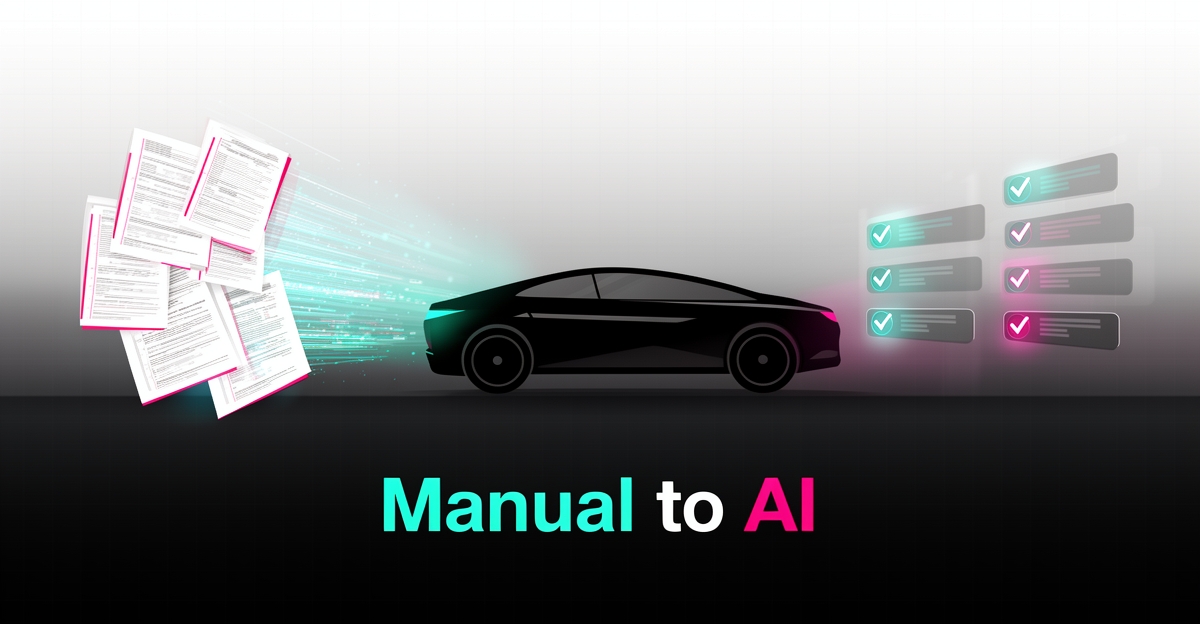
From Manual to AI: Transforming Vehicle Inventory Management at Car Auctions
Key Facts
- Manual data entry typically introduces errors at a meaningful rate — even a small percentage of mistakes per 1,000 vehicle records undermines auction trust and compliance
- Modern AI document processing can extract VINs, titles, and mileage with accuracy levels far beyond manual entry, eliminating most transcription guesswork
- AI vehicle inspections using computer vision can flag a wide range of damage types in minutes, versus the day or more a manual inspection typically requires
- Automated inventory feeds consistently outperform manual environments on accuracy and freshness of listings
- As of late 2026, most automotive operators report plans to increase AI budgets, while a large share still rely on manual processes for critical documentation tasks
Hire a team member that works 24/7 — for less than a part-time wage.
AI receptionists, SDRs, dispatchers and 99+ roles. Trained on your business, fully managed.
Not sure where to start? Ask our AI planner
The Hidden Cost of Manual Vehicle Documentation at Auctions
The auction block moves fast, but the paperwork doesn't. Behind every vehicle listed at a car auction lies a mountain of manual documentation—titles, service histories, condition reports—that slows everything down and introduces costly risks. When staff spend a significant share of their time on manual admin tasks like data entry and verification, the hidden costs begin to stack: delayed listings, inaccurate records, and frustrated buyers. This inefficiency isn't just inconvenient—it's expensive. Manual data entry carries a meaningful error rate, and in an industry where title status, mileage, and accident history directly impact buyer trust and sale price, even a single mistake can trigger disputes, compliance issues, or lost sales. These errors compound across thousands of vehicles, turning small inaccuracies into systemic problems that erode auction house credibility and buyer confidence. And the reliance on manual processes is widespread across the automotive industry—this isn't an isolated bottleneck but an industry-wide vulnerability. For auctions aiming to move inventory quickly and transparently, continuing to rely on human-led data entry is like trying to win a race with the parking brake on.
- Errors in title status or VIN extraction can lead to legal complications and sale reversals
- Inaccurate mileage records trigger buyer skepticism and reduce final bid prices
- Missing or misfiled service histories obscure a vehicle's true condition and value
- Manual verification steps create bottlenecks that delay auction lot readiness
- Inconsistent documentation formats complicate buyer comparisons and decision-making
AIQ Labs helps auction houses replace these fragile, error-prone workflows with intelligent document processing systems that extract, validate, and organize vehicle data with a level of accuracy manual entry can't match. By automating the capture of critical fields—from title liens to odometer readings—auctions can eliminate the guesswork, reduce compliance risks, and ensure every vehicle listing reflects verified, trustworthy information. The result isn't just fewer errors—it's faster turnaround, higher buyer confidence, and a smoother path from inspection to sale. For operations where documentation is the single most expensive workflow, a targeted AI Workflow Build is often the fastest way to prove value.
How AI Document Processing and Computer Vision Eliminate Auction Bottlenecks
The bottleneck at most auction houses isn't the bidding—it's everything that happens before a vehicle ever hits the block. Titles get keyed in by hand, mileage figures get transcribed from paper records, and condition reports depend on whoever happens to be walking the lot that day. The result is a process measured in days, riddled with errors, and opaque to buyers.
Two AI technologies are replacing that workflow almost entirely. The first is Intelligent Document Processing (IDP), which goes far beyond basic OCR by combining natural language processing, machine learning, and computer vision to understand and classify documents—not just recognize characters. Fed a stack of titles, invoices, and history reports, an IDP system extracts critical fields like the VIN, title status, and mileage with accuracy levels that make manual re-checking largely unnecessary. That stands in stark contrast to manual entry, where even a small per-record error rate translates into hundreds of mistakes across a large auction catalog.
The second technology is AI-driven vehicle inspection. Instead of a mechanic with a clipboard, computer vision analyzes a 360-degree video walkaround and flags defects automatically. These systems can detect a broad range of damage types—from hairline scratches to frame misalignment—and complete an inspection in minutes, versus the day or more a manual inspection typically requires.
The difference compounds across the entire auction cycle:
- Vehicle assessment times drop from days to minutes, enabling faster listing and higher inventory turnover
- Condition reports become objective and data-driven rather than subjective and inconsistent
- Extracted data flows directly into dealer management systems and auction platforms via APIs
- Every extraction and inspection generates an audit log, supporting compliance and dispute resolution
That last point matters more than it might seem. Because each document is classified, validated, and logged in real time, auction houses can maintain a secure, searchable record of every vehicle's title status, mileage, and history—tied directly to auction schedules. Buyers get verifiable, AI-supported condition reports, which fosters the trust needed to close digital-first sales. AI can even flag inconsistencies in photos and metadata, reducing the risk of fraud.
This is exactly the kind of transformation AIQ Labs builds for clients: custom systems that digitize, categorize, and track vehicle records while eliminating the manual data entry that consumes staff time and introduces errors. With 200+ multi-agent systems deployed and four live SaaS products the company runs daily, the approach reflects a broader principle in automotive AI adoption—the value lies not in generic tools but in embedding AI into real, governed workflows, one process at a time.
Implementing AI Inventory Systems That Integrate with Auction Workflows
Moving from understanding AI's potential to actually implementing it requires a structured, phased approach that respects the complexity of auction operations. The most successful deployments follow a clear sequence: document preprocessing, intelligent validation, and deep system integration.
The implementation journey begins with document preprocessing—preparing vehicle titles, invoices, and inspection reports for AI analysis. This involves image cleanup to remove smudges and background noise, deskewing crooked scans, and correcting layout inconsistencies. Modern AI document processing combines optical character recognition with natural language processing and machine learning to reach extraction accuracy that manual entry can't approach. For auction houses processing hundreds of vehicles weekly, this level of precision eliminates the bulk of manual-entry errors while compressing processing time from days to minutes.
Once documents are digitized, AI classification engines validate the extracted data against business rules and flag anomalies for human review. This validation layer is critical—it ensures VINs match title records, mileage readings fall within expected ranges, and required fields are complete before vehicles enter the auction system. The technology classifies documents by type automatically, routing titles to one workflow and repair orders to another, with accuracy levels that make manual review optional for most transactions.
Integration represents the final and most transformative phase. AI-processed data must flow seamlessly into auction management systems, dealer management platforms, and inventory databases through APIs and webhooks. This connectivity enables real-time inventory updates that consistently outperform manual environments on both accuracy and listing freshness—while automated tracking shortens order and listing cycles across the board.
The business case extends beyond efficiency gains. Auction houses implementing these integrated systems typically report:
- Reduction in vehicle listing time from days to hours through automated document processing
- Elimination of data entry errors that previously caused title transfer delays and buyer disputes
- Real-time visibility into inventory status across multiple auction locations and online platforms
- Automated compliance reporting with complete audit trails for regulatory requirements
AIQ Labs structures these implementations through milestone-based phases, allowing auction operators to validate ROI at each stage before expanding scope. A typical engagement might begin with title document automation, prove value within the first phase, then extend to inspection reports and multi-system integration. Successful AI adoption requires not just technology, but strategic roadmapping that accounts for existing workflows, staff capabilities, and change management requirements. For operators who want AI embedded across the whole operation rather than a single workflow, an AI Operating System connects everything into one owned layer.
Still paying for 10+ subscriptions that don’t talk to each other?
We build custom AI systems you own outright. No vendor lock-in. Full control.
Not sure where to start? Ask our AI planner
Frequently Asked Questions
How accurate is AI document processing compared to manual data entry for vehicle titles and records?
How long does an AI vehicle inspection take compared to a manual inspection?
What kind of ROI can an auction house expect from automating vehicle inventory management?
Will AI document processing integrate with our existing auction management or dealer management systems?
How does AI-powered documentation build trust with auction buyers?
How do we get started with AI inventory automation without disrupting our current auction operations?
Where Precision Meets Profit in the Auction Lane
Car auctions thrive on speed and trust, yet manual documentation and inspection processes silently erode both—introducing errors, delaying listings, and shaking buyer confidence. As we've seen, AI-powered document processing and computer vision don't just fix these pain points; they transform them into competitive advantages, cutting assessment times from days to minutes, lifting data accuracy well beyond manual entry, and enabling seamless integration with auction systems. The result is faster inventory turnover, fewer disputes, and the kind of transparency that turns hesitation into bids. For auction houses ready to move beyond guesswork, the path forward starts with a clear look at where AI can deliver the highest impact. Book a free 30-minute strategy call to map your biggest bottlenecks—no obligation, just clarity on your AI opportunity.
Make AI your competitive advantage — not just another tool.
Strategy, implementation and ongoing optimization. One partner, end to end.
Not sure where to start? Ask our AI planner