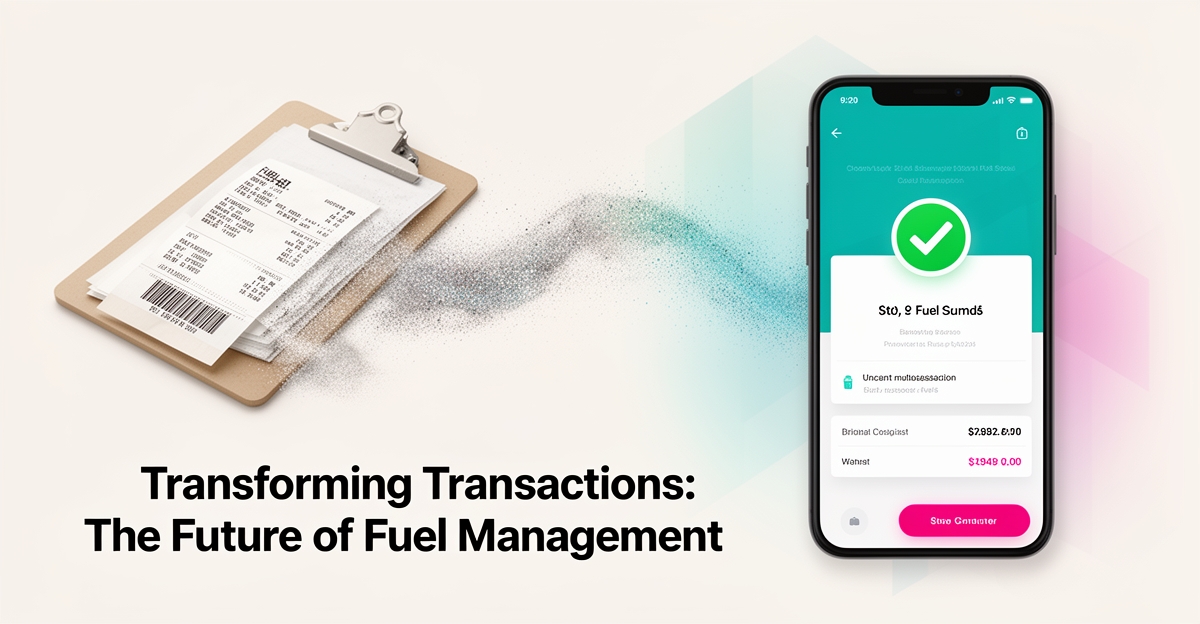
From Paper-Based to AI-Powered: Modernizing Fuel Card Reimbursement Processes
Key Facts
- A large majority of workers perform repetitive tasks that are partially or fully automatable, according to widely cited workflow automation research
- Most organizations have by now automated processes in at least one business function, and adoption continues to climb year over year
- Manual fuel card reimbursement processes create extended payment cycles, increased audit exposure, and administrative overhead that scales with fleet size
- AI-powered reimbursement systems auto-validate expenses against policies, cross-check receipts for compliance, and route approvals through predefined logic in real time
- AIQ Labs has deployed 200+ multi-agent systems and runs four live SaaS products daily—this is proven infrastructure, not theory
Hire a team member that works 24/7 — for less than a part-time wage.
AI receptionists, SDRs, dispatchers and 99+ roles. Trained on your business, fully managed.
Not sure where to start? Ask our AI planner
The Hidden Cost of Paper-Based Fuel Card Reimbursements
Every fleet manager knows the drill: crumpled receipts stuffed in glove compartments, illegible fuel logs, and month-end scrambles to reconcile expenses. What feels like routine administrative friction actually represents a real drain on resources—and the pattern shows up in organization after organization.
Widely cited workflow automation research has found that most workers spend a significant share of their time on repetitive, time-consuming tasks that are partially or fully automatable. In paper-based fuel reimbursement workflows, this translates to hours lost on manual data entry, physical document handling, and cross-referencing receipts against card statements.
The cost extends beyond labor hours. Manual processes invite human error at every touchpoint—transposed digits, lost receipts, miscalculated totals. These mistakes cascade through accounting systems, triggering reconciliation delays and compliance risks that compound over time.
The operational drag is measurable. Organizations clinging to paper-based reimbursement face:
- Extended reimbursement cycles that frustrate employees waiting for repayment
- Increased audit exposure from incomplete or inconsistent documentation
- Administrative overhead that scales linearly with fleet size
- Delayed visibility into actual fuel spend patterns and anomalies
The broader business context makes this inefficiency harder to justify. By now, most organizations have automated processes in at least one business function, and adoption keeps climbing. Companies that modernize workflows consistently report meaningful returns through reduced processing time and fewer errors—gains that compound the longer the system runs.
Yet fuel card reimbursement often lags behind, trapped in legacy processes that predate digital transformation initiatives. The result is a hidden productivity tax paid by administrators, drivers, and finance teams alike.
AIQ Labs works with organizations to identify these exact bottlenecks through AI Workflow Builds—rebuilding the one workflow that costs the most, at a fixed price and in phases. The fuel reimbursement process, with its structured data, clear validation rules, and repetitive approval chains, represents an ideal candidate for intelligent automation.
The question isn't whether paper-based reimbursement costs your organization—it's how much longer you're willing to absorb those costs while competitors streamline operations.
How AI Automation Transforms Reimbursement Workflows
AI-powered automation is reshaping how organizations handle fuel card reimbursements, turning a traditionally slow and error-prone process into a streamlined, intelligent workflow. By leveraging AI to auto-validate expenses against company policies, cross-check receipts for compliance, and route approvals through predefined logic, businesses eliminate bottlenecks that once caused delays and disputes. This shift not only accelerates reimbursement cycles but also reduces the administrative burden on finance and HR teams, allowing them to focus on higher-value tasks.
Most organizations have already automated at least one business function, reflecting a growing recognition of automation's strategic value. AI-powered solutions go further by introducing adaptive learning—unlike rigid rule-based systems, AI can detect anomalies, flag potential policy violations, and improve accuracy over time through continuous data feedback. For fuel card programs, this means fewer incorrect claims slipping through and faster resolution when exceptions arise.
The economic impact of this transformation is substantial. Industry analyses have estimated that AI-powered automation could add trillions of dollars in annual economic value across global industries, with finance and HR functions among the earliest and most aggressive adopters. In reimbursement workflows specifically, the gains come from reduced processing times, lower error rates, and decreased reliance on manual intervention. These gains are especially pronounced in high-volume environments like fuel card programs, where thousands of transactions require validation each month.
AIQ Labs supports this shift by building end-to-end automated systems that integrate with payroll and HR platforms, ensuring expenses are validated, approved, and reimbursed without manual handoffs. AI agents can extract data from fuel card statements, match it to employee logs, validate against spend policies, and trigger approvals or alerts—all in real time. This level of automation not only cuts processing delays but also enhances audit readiness by creating a transparent, traceable trail of every decision.
As workflow automation investment continues to grow through the decade, organizations that adopt AI-driven reimbursement systems now position themselves for long-term efficiency and scalability. The move from paper-based to AI-powered isn't just about technology—it's about redefining operational excellence in employee reimbursement.
Integration, Data Quality and Security Considerations
Moving from paper-based fuel card reimbursement to AI-powered workflows exposes the real friction points: how systems connect, how clean the data is, and how sensitive employee information is protected.
Manual processing keeps upfront costs low but remains time-consuming and prone to errors. Traditional automation improves efficiency and reduces errors, yet it brings limited flexibility and high maintenance costs. AI-powered automation delivers high efficiency, reduced errors, and improved accuracy, but it requires integration with existing systems and high-quality data to function effectively.
Integration with existing systems is the first implementation hurdle. AI-powered solutions must connect with accounting software and HR/payroll platforms to auto-validate expenses, cross-check policies, and route approvals without creating duplicate work. With most organizations already automating at least one function, integration expectations are rising fast.
Data quality determines whether automation delivers value or amplifies mistakes. AI models require accurate and complete fuel card transactions, employee records, and policy rules to validate claims correctly. Poor data leads to misrouted approvals, incorrect reimbursements, and loss of trust in the system. Organizations must audit historical records and establish validation rules before deployment.
Security is non-negotiable when employee spend and payroll data are involved. AI-powered solutions must protect sensitive employee data and prevent unauthorized access across the reimbursement chain. Considerations typically include:
- Secure API connections between fuel card providers, accounting, and HR/payroll systems
- Role-based access controls for approvers, administrators, and employees
- Audit trails for every validation, policy check, and approval action
- Encryption and compliance alignment for stored transaction and personal data
The contrast is clear across approaches. Manual processing offers low upfront costs but creates delays. Traditional automation improves throughput with limited flexibility. AI-powered automation can reduce delays, human error, and operational costs by automating data entry, approval routing, and payment processing, but it demands upfront integration work.
AIQ Labs builds end-to-end automated systems that integrate with payroll and HR platforms, delivering a seamless experience for administrators and employees. Every build is delivered in milestones and owned outright by you—no recurring licensing lock-in on the custom work. For teams that want an ongoing managed layer instead, AI Employees can handle the reimbursement workflow end to end at a fraction of the cost of a human hire.
With most repetitive back-office tasks at least partially automatable, fuel card reimbursement is a prime candidate for modernization when integration, data quality, and security are addressed from the start.
A Practical Roadmap to Modernize Fuel Card Reimbursements
Fuel card reimbursement has long been burdened by manual workflows that slow down payments and increase administrative overhead. Today, AI-powered automation offers a clear path to eliminate paper-based processes, reduce errors, and accelerate reimbursements for both employees and administrators. By following a structured approach, fleet operators can transform this critical function into a seamless, intelligent workflow.
The first step is identifying specific tasks ripe for automation—such as receipt capture, expense validation against company policies, approval routing, and payment initiation. Start by mapping the current reimbursement journey, pinpointing where delays occur most frequently, and where human intervention introduces risk of error or inconsistency.
Next, select an approach that aligns with your operational needs and integrates smoothly with existing systems like payroll, HR platforms, and accounting software. The solution should support intelligent data extraction from fuel card transactions, real-time policy validation, and automated approval routing. Prioritize builds that offer configurability, audit trails, and compatibility with your current tech stack to avoid disruption during implementation.
Implementation requires careful planning and change management. Deploy in phases, beginning with a pilot group to test workflows and gather feedback. Provide targeted training for administrators and employees, emphasizing how the new system reduces their manual workload while improving accuracy and compliance. AIQ Labs supports this transition through phased, fixed-price workflow builds that include system integration, user training, and ongoing optimization—ensuring the solution adapts to evolving business needs. If reimbursement is just one piece of a bigger operational puzzle, an AI Operating System connects it into one layer across the business, built in phases and owned outright.
Finally, monitor performance using key metrics such as average processing time, error rates, and employee satisfaction. Track improvements against baseline data to quantify return on investment and identify areas for refinement. Regular reviews help ensure the system continues to deliver value, scales with growth, and remains aligned with organizational goals. By taking these steps, fleet operators can modernize reimbursements into a fast, reliable, and intelligent process.
Still paying for 10+ subscriptions that don’t talk to each other?
We build custom AI systems you own outright. No vendor lock-in. Full control.
Not sure where to start? Ask our AI planner
Frequently Asked Questions
Why is paper-based fuel card reimbursement such a problem for fleets?
How does AI actually improve the fuel reimbursement process?
Is automating reimbursements really worth the investment?
What are the biggest challenges when implementing AI-powered reimbursement?
How do we keep employee data secure in an automated system?
What's the best way to get started modernizing our reimbursement process?
From Paper Trails to Profit: The Real ROI of Modernizing Fuel Reimbursement
Fuel card reimbursement doesn't have to be a drain on your team's time and morale. As we've seen, paper-based processes create hidden costs through delays, errors, and administrative overhead—costs that scale with every mile driven and every receipt filed. AI-powered automation changes that by turning a manual, reactive chore into a streamlined, intelligent workflow that validates expenses in real time, reduces human error, and frees up finance and HR teams for higher-value work. With most organizations already automating at least one function, the shift isn't coming—it's already here. The good news? You don't need to overhaul everything at once. Start by mapping your current reimbursement journey, pinpointing where delays and errors happen most, and exploring how an AI-powered build could integrate with your existing payroll and HR systems. If you're ready to see what's possible, take the 2-minute Fit Check at https://aiqlabs.ai/apply—then book a free, no-obligation strategy call at https://aiqlabs.ai/book to map your biggest bottleneck and uncover high-ROI automation opportunities. No sales pitch, just clarity on where AI can actually move the needle for your business.
Make AI your competitive advantage — not just another tool.
Strategy, implementation and ongoing optimization. One partner, end to end.
Not sure where to start? Ask our AI planner