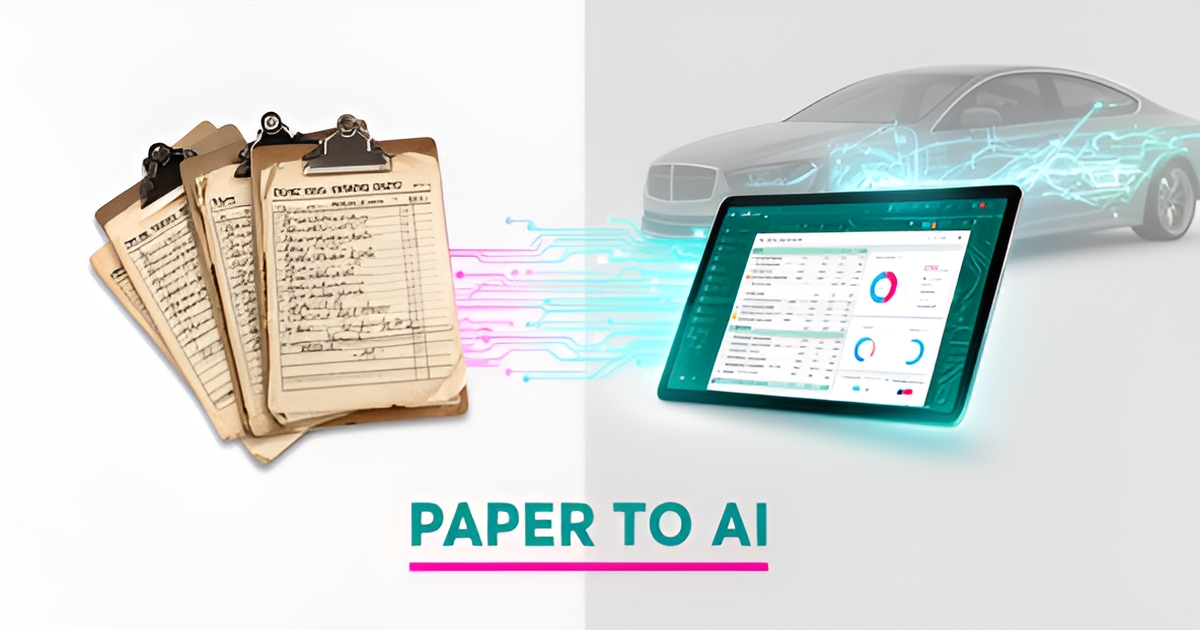
From Paper Logs to AI: How Auto Electrical Shops Can Digitize Service Records
Key Facts
- Technicians in shops with paper-based records often spend a significant share of their day hunting for historical repair data instead of turning wrenches
- Handwritten entries introduce transcription errors that can cascade into misdiagnosis and repeat work
- AI-powered scanning can extract VINs, service dates, and repair details even from damaged or hard-to-read logs
- Digitized repair histories make every past repair a diagnostic asset for the next one
- Structured service data enables automated follow-up reminders tied to actual vehicle history, which typically improves appointment and retention rates
- AIQ Labs has deployed 200+ multi-agent systems and runs 4 live SaaS products daily
Hire a team member that works 24/7 — for less than a part-time wage.
AI receptionists, SDRs, dispatchers and 99+ roles. Trained on your business, fully managed.
Not sure where to start? Ask our AI planner
The Hidden Cost of Manual Service Records in Auto Electrical Shops
Every auto electrical shop knows the frustration: a customer returns with a recurring issue, but the paper log is illegible, misplaced, or missing critical sensor data. That gap forces technicians to re-diagnose from scratch, burning billable hours and eroding trust.
Manual record-keeping creates a silent drain on shop productivity. Technicians can spend a meaningful chunk of their day searching for historical repair data instead of turning wrenches, and handwritten entries introduce transcription errors that cascade into misdiagnosis. When a wiring harness repair lacks documented torque specs or module firmware versions, the next visit becomes guesswork rather than precision.
The cost compounds across three vectors:
- Diagnostic accuracy drops when historical fault codes and repair steps are unavailable
- Customer follow-up fails because service intervals and warranty windows go untracked
- Shop productivity loses hours to redundant testing and paperwork reconciliation
The automotive sector's move toward AI-assisted operations has accelerated through 2026, and dealerships and independent shops alike increasingly report that accessible, structured service data is a competitive advantage rather than a back-office afterthought. The shops still relying on paper are the ones paying for it in re-diagnosis time and missed follow-up revenue.
AIQ Labs works with shops to close this gap through AI Workflow Builds that scan paper logs, extract vehicle details, and auto-populate repair histories directly into existing systems. The result is a searchable, error-resistant record that turns every past repair into a diagnostic asset for the next one.
How AI Transforms Paper Logs into Actionable Repair Intelligence
Paper service logs create bottlenecks in auto electrical shops, where technicians waste hours deciphering handwritten notes and manually entering data into digital systems. This fragmented approach leads to missed service opportunities, inconsistent repair histories, and delayed customer follow-ups that erode trust and revenue. AI transforms this process by scanning paper logs, extracting critical vehicle and repair details, and auto-populating structured digital records—turning static archives into dynamic repair intelligence.
The AI-powered workflow begins with high-resolution scanning of paper service logs using optical character recognition (OCR) enhanced by machine learning models trained on automotive terminology. These systems accurately identify vehicle identification numbers (VINs), service dates, repair descriptions, parts replaced, and technician notes—even when handwriting varies or logs are damaged. Natural language processing then contextualizes unstructured text, converting phrases like "battery not holding charge" into standardized diagnostic codes and repair categories. This extracted data flows directly into shop management systems via API integration, eliminating manual data entry and ensuring repair histories are complete, searchable, and instantly accessible.
By digitizing paper logs into actionable intelligence, shops gain real-time visibility into vehicle service patterns. AI analyzes accumulated repair data to predict upcoming maintenance needs—such as flagging a vehicle with recurring alternator issues for preventive battery and charging system checks—enabling proactive service recommendations. This capability directly supports customer retention: automated, personalized service reminders grounded in actual vehicle history are what typically drive higher appointment and repeat-visit rates for shops that adopt them. AIQ Labs implements this exact process through its AI Operating Systems offering, integrating scanned log data with existing CRM and shop systems to create a unified view of each vehicle’s service lifecycle.
The result is a self-improving repair knowledge base where every scanned log contributes to smarter diagnostics and faster turnaround times. Technicians access complete vehicle histories with a single click, reducing diagnostic guesswork and minimizing comebacks. Shops using AI-driven record digitization typically report not only operational efficiency gains but also improvements in customer satisfaction, as service advisors can reference precise repair timelines and recommend services grounded in actual vehicle usage patterns—transforming paper logs from administrative burdens into strategic assets for growth.
Implementation: Integrating AI Record Digitization into Your Shop’s Workflow
Paper logs slow down every repair and create the data gaps that cost auto electrical shops repeat business. Digitizing service records with AI turns handwritten notes into searchable, actionable history that speeds diagnosis and strengthens client follow-ups.
Implementation starts with a clear workflow map of how logs are created, stored, and used today. Shops identify the critical pain point — usually manual data entry and lost histories — and define success metrics such as faster write-ups and fewer callbacks. This discovery aligns with an initial assessment of the technology stack and data infrastructure before any build begins.
AI-powered scanning technology captures paper service logs and converts them into structured data. AI algorithms then extract key vehicle details and repair information automatically, reducing the errors and time loss common with manual record-keeping. The extracted data auto-populates repair histories inside existing shop systems, creating a single source of truth for technicians and service advisors.
Integration is the step that makes adoption stick. The digitization layer connects to CRM and scheduling software already in use, so extracted records flow directly into customer profiles, work orders, and follow-up reminders. Deep two-way API integrations create seamless operational workflows without forcing staff to change how they work.
A low-risk adoption path mirrors how shops already manage capital investments.
- Start Monthly — setup plus a flat monthly plan that includes build, training, integrations, monitoring, and improvements, with the ability to pause or adjust anytime
- Build in Milestones — split the build into phases for one workflow or department system, approve and pay per phase, keep everything built so far
- Own It Outright — one project price or a monthly Build Partnership with full ownership of code, agents, and data when complete
The rollout follows a structured implementation cadence. Phase 1 Discovery & Architecture takes 1–2 weeks for process analysis and solution design. Phase 2 Development & Integration spans 4–12 weeks for custom build, tool integration, and validation. Phase 3 Deployment & Training runs 1–2 weeks for go-live and role-specific training. Phase 4 Optimization & Scale runs ongoing with continuous monitoring and capability expansion.
The automotive sector is moving fast, and as of late 2026 AI adoption in service operations is no longer experimental—it's table stakes for shops competing on turnaround time and customer experience. Every month on paper is a month of repair history you can't search, can't follow up on, and can't learn from.
AIQ Labs supports this transition with 200+ multi-agent systems deployed and 4 live SaaS products the company runs daily. The approach enables faster diagnosis and better client follow-ups while integrating fully into existing shop systems. The result is accuracy, speed, and accessibility of information instead of error-prone manual processes.
Shops that digitize records gain the same efficiency advantages seen across automotive service: automated data handling converts dormant paper archives into follow-up revenue and faster bay turnaround. See the full pricing and payment options to find the entry point that fits your shop.
Still paying for 10+ subscriptions that don’t talk to each other?
We build custom AI systems you own outright. No vendor lock-in. Full control.
Not sure where to start? Ask our AI planner
Frequently Asked Questions
How much time do auto electrical shops lose to manual service records?
Can AI really read messy handwritten paper logs?
Will digitizing logs actually help me get more appointments and sales?
Is AI adoption in automotive actually growing or is it hype?
Do I have to replace my existing shop management system to use this?
What’s the lowest risk way to start digitizing our service records?
The Road Ahead: Making Every Repair Count
The shift from fragmented paper logs to intelligent digital records represents more than an operational upgrade—it transforms how auto electrical shops diagnose problems, serve customers, and grow revenue. By replacing error-prone manual entry with AI-powered scanning and data extraction, shops eliminate the costly guesswork that comes from missing vehicle histories and illegible handwriting. The result is a single source of truth that turns every past repair into actionable intelligence for faster diagnostics and proactive customer follow-ups. As AI adoption in automotive service becomes standard through 2026, the shops that thrive will be those that treat their service data as a strategic asset rather than administrative overhead. AIQ Labs builds these custom digitization systems that integrate seamlessly with your existing workflows, whether you start with a single workflow fix or build a comprehensive operating layer. Ready to see what your service records could be doing for your bottom line? Take the 2-minute Fit Check or book a free 30-minute strategy call to map your biggest data bottleneck.
Make AI your competitive advantage — not just another tool.
Strategy, implementation and ongoing optimization. One partner, end to end.
Not sure where to start? Ask our AI planner