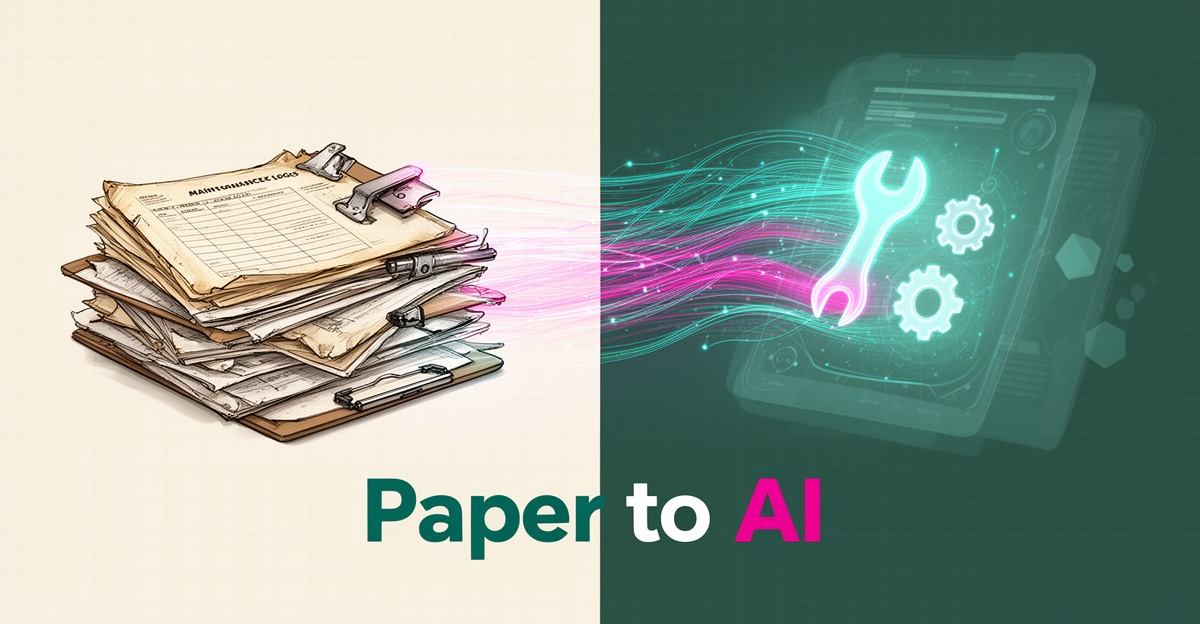
From Paper Logs to AI: Modernizing Fleet Maintenance Records at Your Repair Shop
Key Facts
- Industry surveys consistently show the vast majority of fleet managers plan to increase digital investment over the coming years
- Safety and compliance rank among the top reasons fleet managers cite for digitizing operations
- AI and machine learning are widely expected to have the biggest future impact on fleet operations
- Research from MIT suggests only a small fraction of enterprises have fully integrated AI into day-to-day workflows
- Poor data quality and fragmented governance are the most common reasons AI investments fail to show measurable results
- Proactive, condition-based maintenance can meaningfully reduce unplanned vehicle downtime compared with reactive repair
Hire a team member that works 24/7 — for less than a part-time wage.
AI receptionists, SDRs, dispatchers and 99+ roles. Trained on your business, fully managed.
Not sure where to start? Ask our AI planner
The Hidden Cost of Paper Logs in Modern Fleet Maintenance
The shift from paper logs to digital systems is no longer optional—it’s a necessity for survival in modern fleet maintenance. Paper-based records are inherently prone to human error, difficult to audit, and create compliance risks that can lead to costly fines or safety incidents. As of late 2026, industry surveys consistently show that the overwhelming majority of fleet managers expect to increase investment in digital solutions, recognizing that outdated methods drain profitability and undermine operational integrity.
These inefficiencies directly impact a repair shop’s bottom line and reputation. Manual data entry consumes valuable technician time that could be spent on actual repairs, while illegible handwriting, lost pages, or inconsistent formatting open the door to mistakes in service tracking and part replacement logs. When maintenance records fail to meet DOT or FMCSA standards due to missing timestamps or unverified entries, shops face not only penalties but also erosion of trust with fleet clients who depend on audit-ready documentation. The cost of these gaps extends beyond compliance—it seeps into customer satisfaction and long-term contract viability.
Moreover, paper logs prevent the proactive maintenance strategies that modern fleets demand. Without digital traceability, it’s nearly impossible to identify recurring mechanical issues, predict component failures, or optimize service intervals based on real-world usage patterns. Shops relying on paper operate in a reactive mode, addressing breakdowns after they happen rather than preventing them—an approach that increases downtime, raises repair costs, and shortens vehicle lifespans. With safety consistently ranking among the top reasons fleet managers digitize, paper-based systems fundamentally contradict that goal by obscuring the data needed to keep vehicles safe and operational.
For repair shops aiming to modernize, the solution lies not in digitizing paper alone, but in embedding intelligent systems into core workflows. AI-powered document processing can transform how service logs, inspection checklists, and maintenance histories are captured, stored, and acted upon—turning static records into dynamic assets that support smarter decisions. AIQ Labs helps repair shops build owned, secure AI systems that integrate with existing tools, ensuring full data control while reducing human error and improving compliance. This approach doesn’t just replace paper—it redefines what maintenance records can do for a shop’s efficiency, safety, and profitability. For shops that want to start smaller, a single AI Workflow Build can rebuild the one record-keeping process that costs the most, at a fixed price.
Why AI Integration Beats Standalone Tools for Maintenance Modernization
The gap between AI experimentation and operational transformation is wider than most repair shops realize. While fleet managers routinely identify AI and machine learning as the technologies with the biggest future impact, MIT research suggests only a small fraction of enterprises have actually integrated AI into their day-to-day workflows. This disconnect isn't a technology problem—it's an architecture problem.
- Standalone tools create "shadow AI" operations that scale fragmented data instead of fixing it
- Embedded AI agents operate inside systems of record, influencing records at the point of creation
- Governance designed in from the start ensures audit trails remain complete and traceable
- Human-in-the-loop verification keeps technicians as pilots, not passengers
The distinction determines whether modernization reduces downtime or multiplies confusion. Research consistently shows that a majority of companies have yet to see measurable results from AI investments, typically due to poor data quality and fragmented governance. When AI sits as an overlay—scattered across browsers and siloed within departments—it draws on inconsistent definitions and produces authoritative-looking outputs that misinform decisions before anyone spots the contradiction underneath.
AIQ Labs approaches this by treating AI as infrastructure, not an add-on. Custom-built systems integrate directly with existing shop tools—CRM, scheduling, inventory—so AI Employees like Dispatchers, Service Coordinators, and Work Order Managers operate inside the workflow rather than alongside it, at a fraction of the cost of a comparable human hire. The result is a unified operating model where predictive maintenance, automated compliance documentation, and real-time parts forecasting all draw from a single source of truth the shop owns outright.
Shops that embed AI this way move from reactive record-keeping to predictive intelligence. Those that don't risk automating the very fragmentation they set out to eliminate.
Practical Steps to Implement AI-Driven Maintenance Records in Your Shop
Modernizing your repair shop’s maintenance records starts with a clear assessment of where you stand today. Many shops still rely on fragmented paper logs or basic digital files that lack consistency, making it difficult to scale AI solutions effectively. Integration with existing systems is consistently one of the top concerns fleet managers raise when adopting new digital tools. Before implementing AI, map out your current data workflows—identify gaps in record standardization, access controls, and how maintenance protocols are currently documented. This foundational step ensures AI enhances, rather than amplifies, existing inefficiencies.
Next, select a mobile-first platform built for real-world shop conditions. Technicians need tools that work offline in areas with poor connectivity, sync seamlessly when back online, and support photo capture, digital signatures, and timestamped entries for audit readiness. Digitizing inspection protocols with these features creates reliable, compliance-ready trails that meet FMCSA and DOT requirements. Look for platforms that allow customizable checklists for pre-trip, post-trip, and roadside inspections, reducing manual entry errors while ensuring consistency across vehicles and technicians.
Finally, implement AI with human-in-the-loop verification to augment—not replace—your team’s expertise. Train technicians to use AI as a confirmation tool: they should reproduce issues, review logs, and form hypotheses before accepting AI-generated suggestions. This approach prevents over-reliance and maintains diagnostic depth. AIQ Labs helps shops embed AI directly into maintenance workflows through owned systems that integrate with existing tools, ensuring data governance remains under your control while improving accuracy and compliance. Start with a pilot on one workflow—such as brake service logs—and scale as confidence and results grow. Shops ready to connect everything into one operating layer can explore AI Operating Systems, built in phases and owned outright.
Still paying for 10+ subscriptions that don’t talk to each other?
We build custom AI systems you own outright. No vendor lock-in. Full control.
Not sure where to start? Ask our AI planner
Frequently Asked Questions
Why should I switch from paper logs to AI-driven maintenance records for my fleet repair shop?
How does AI integration differ from using standalone AI tools in maintenance workflows?
Are fleet managers really increasing their investment in digital solutions?
Can AI replace technicians in maintenance decision-making, or should it be used differently?
What is the biggest barrier to seeing measurable results from AI investments in fleet maintenance?
How can I start implementing AI-driven maintenance records in my shop without disrupting current operations?
Turning Maintenance Records into Your Shop’s Competitive Edge
Modernizing fleet maintenance isn’t just about replacing paper with pixels—it’s about transforming static logs into dynamic, intelligent assets that drive safety, compliance, and profitability. As the data shows, most fleet managers plan to increase digital investment, recognizing that outdated systems drain time, increase errors, and undermine trust. By embedding AI directly into workflows—rather than bolting it on as an afterthought—repair shops gain audit-ready records, predictive insights, and real-time decision support that prevent breakdowns before they happen. The shift from reactive fixes to proactive intelligence starts with assessing your current data gaps, choosing mobile-first tools that work in real shop conditions, and implementing AI with human-in-the-loop verification to augment, not replace, your team’s expertise. Take the first step toward owned, secure AI that integrates with your existing systems: complete the 2-minute Fit Check and book a free 30-minute strategy call to map your biggest bottleneck and uncover high-ROI automation opportunities tailored to your shop.
Make AI your competitive advantage — not just another tool.
Strategy, implementation and ongoing optimization. One partner, end to end.
Not sure where to start? Ask our AI planner