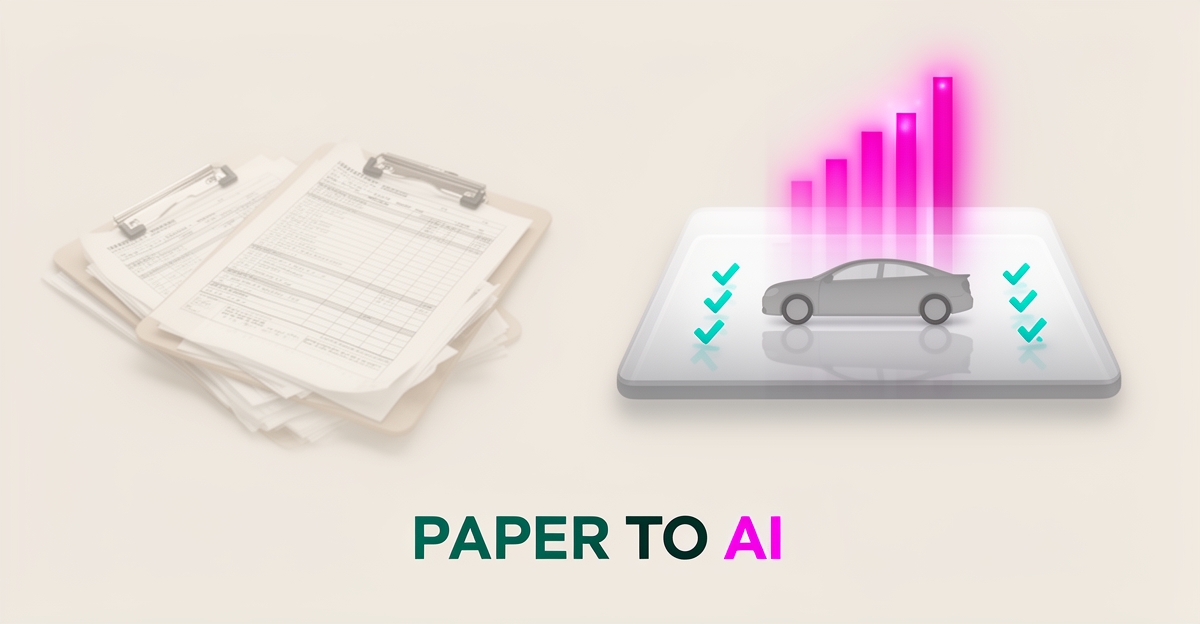
From Paper Logs to AI: Modernizing Quick Lube Service Tracking
Key Facts
- Industry analysis of digital tool adoption in quick lube shops has repeatedly pointed to meaningful efficiency losses from manual data entry and record searching
- Digital vehicle inspections are widely reported to lift average repair order value compared to paper-based inspection processes
- AI-powered tracking platforms typically deliver measurable gains in shop speed and workflow efficiency by automating routine logging tasks
- AIQ Labs builds custom data systems that turn service logs into real-time dashboards tracking vehicle types, service durations, and technician performance
- The Own It Outright model transfers full code and data ownership to shop owners, eliminating subscription dependencies permanently
- AI Employees cost roughly 80% less than a comparable human hire while providing 24/7/365 availability with zero missed calls
Hire a team member that works 24/7 — for less than a part-time wage.
AI receptionists, SDRs, dispatchers and 99+ roles. Trained on your business, fully managed.
Not sure where to start? Ask our AI planner
The Hidden Cost of Paper Logs in Quick Lube Operations
Manual service tracking with paper logs creates significant operational drag in quick lube shops, directly impacting efficiency and profitability. Technicians and managers spend valuable time on manual data entry, searching for records, and reconciling handwritten notes—time that could be spent servicing vehicles or engaging customers. This administrative burden slows down workflow and delays access to critical performance insights.
Industry analysis of digital tool adoption has consistently found that shops relying on paper logs experience a meaningful loss in overall efficiency due to these manual processes. Without real-time data capture, managers cannot quickly identify bottlenecks, track technician performance, or adjust staffing based on actual service demand. This lag in decision-making means opportunities to optimize bay utilization or reduce wait times are often missed until after the fact.
The financial impact extends beyond lost time. Paper-based systems make it difficult to consistently perform and document digital vehicle inspections, which industry research has repeatedly linked to higher average repair order value. Shops that skip or inconsistently apply inspections due to cumbersome paper processes forgo that measurable revenue lift. Each missed inspection represents not just a lost service opportunity, but a gap in preventive maintenance recommendations that affects both revenue and customer trust.
These inefficiencies compound over time, creating a cycle where staff frustration grows, customer wait times increase, and revenue potential remains untapped. The inability to easily aggregate service data—such as vehicle types, service durations, or common upsell acceptance rates—prevents strategic planning and inhibits the kind of data-driven improvements that digital systems enable.
For quick lube operators still dependent on clipboards and logbooks, the hidden costs of paper aren't just in the time wasted—they're in the decisions delayed, the services overlooked, and the revenue left on the table every single day. Transitioning to AI-powered tracking isn't merely about modernization; it's about recovering measurable operational and financial performance that manual methods inherently suppress. AIQ Labs helps shops make this shift by building custom data systems that turn service logs into actionable intelligence, enabling faster, smarter decisions without the friction of paper. For shops that want to start smaller, a single [AI Workflow Build](/workflow-builds) can rebuild the one workflow that costs the most—often the check-in or inspection process itself.
How AI-Powered Platforms Transform Service Tracking and Revenue
Quick lube operations are shifting from paper-based tracking to intelligent systems that deliver measurable performance gains. AI-powered platforms typically improve overall efficiency and speed by automating routine tasks and optimizing workflow sequences. This efficiency gain translates directly into faster service cycles, reduced customer wait times, and increased bay throughput without requiring additional labor or space.
Beyond speed, AI integration drives meaningful revenue growth through enhanced service recommendations and customer engagement. Digital vehicle inspections, a core feature of modern tracking systems, have been shown in industry research to increase repair order value by identifying additional maintenance needs during the service visit. AI-powered call handling is another proven lever: AI receptionists answer every inbound call, book appointments automatically, and capture upsell opportunities that paper-era shops lose to busy phone lines. AIQ Labs' [AI Employees](/ai-employees) cover 99+ managed roles—including receptionists and dispatchers—at roughly 80% less cost than a comparable human hire, with 24/7/365 availability and zero missed calls.
These platforms transform raw service data into actionable intelligence, enabling real-time visibility into critical performance metrics. Managers gain immediate insights into vehicle type distribution, average service durations by service type, and technician performance trends—all essential for optimizing labor allocation and forecasting demand. AIQ Labs builds custom data systems that consolidate these metrics into intuitive dashboards, turning service logs into strategic assets for franchise managers seeking to improve decision-making speed and accuracy. This level of operational transparency supports proactive adjustments, such as reassigning technicians during peak volumes or adjusting service menus based on actual vehicle mix, ultimately strengthening both customer satisfaction and location profitability.
Implementing AI Service Tracking: From Assessment to Owned Systems
Quick lube franchises still relying on paper logs face mounting inefficiencies that AI-powered tracking systems can resolve. Modern platforms now automate service logging, vehicle type categorization, and technician performance monitoring in real time—turning manual entries into actionable dashboards. The gains reported across the industry—faster cycle times and higher repair order values from digital inspections—stem from eliminating data entry delays and enabling instant visibility into workflow bottlenecks.
Implementing AI service tracking begins with a clear assessment of current workflows, identifying where manual logs slow down service bays or obscure technician performance. Franchises should map every touchpoint—from vehicle check-in to final invoice—to pinpoint automation opportunities that align with business goals. This phase ensures the AI system targets real pain points, such as inconsistent service duration tracking or missed upsell opportunities during digital inspections. AIQ Labs supports this discovery process through a free 30-minute strategy call that evaluates readiness and designs a phased roadmap tailored to quick lube operations.
Selecting an AI platform requires prioritizing deep integration capabilities with existing shop management tools, scheduling software, and parts inventory systems. The ideal solution avoids vendor lock-in by offering open APIs and data portability, ensuring franchises retain control over their operational data. AIQ Labs' Build in Milestones model allows shops to deploy core tracking features—like real-time service duration logs or technician performance metrics—phase by phase, validating ROI at each step before expanding. This approach reduces upfront risk while building toward a fully owned system that scales with the franchise. For operators who want one connected layer across scheduling, inspections, reporting, and customer communication, a phased [AI Operating System](/ai-operating-systems) delivers that as a single system you own outright.
Deployment should follow a structured rollout: pilot the AI tracking system in one bay or location, train staff using role-specific guidance, and monitor key metrics like service speed and inspection completion rates. Once proven, the system expands across locations under the Own It Outright model, transferring full code and data ownership to the franchise—eliminating subscription dependencies and creating a sustainable competitive advantage.
Still paying for 10+ subscriptions that don’t talk to each other?
We build custom AI systems you own outright. No vendor lock-in. Full control.
Not sure where to start? Ask our AI planner
Frequently Asked Questions
How much efficiency can I expect to gain by switching from paper logs to an AI-powered tracking system in my quick lube shop?
Will using digital vehicle inspections actually increase my repair order value?
Can AI help with missed calls and appointment booking, not just tracking?
What's the first step in implementing AI service tracking if I still rely on paper logs?
Will I lose control of my data if I use an AI tracking system from a third-party provider?
Is AI service tracking only for large franchises, or can independent quick lube shops benefit too?
Turning Service Logs Into Strategic Advantage
The shift from paper logs to AI-powered tracking isn't just about digitizing notes—it's about reclaiming time, capturing missed revenue, and gaining real-time control over operations. Shops still using manual processes face measurable efficiency losses and forgo the repair order lift that digital inspections deliver. These aren't minor inefficiencies; they're daily drains on profitability and customer trust. AIQ Labs helps quick lube franchises overcome this by building custom data systems that turn service logs into actionable intelligence—enabling faster decisions, better technician utilization, and measurable gains in both speed and revenue. If you're ready to assess where your operation stands and explore a clear, low-risk path forward, start with the free two-minute [Fit Check](/apply) to see if there's a winning opportunity for AI transformation in your business.
Make AI your competitive advantage — not just another tool.
Strategy, implementation and ongoing optimization. One partner, end to end.
Not sure where to start? Ask our AI planner