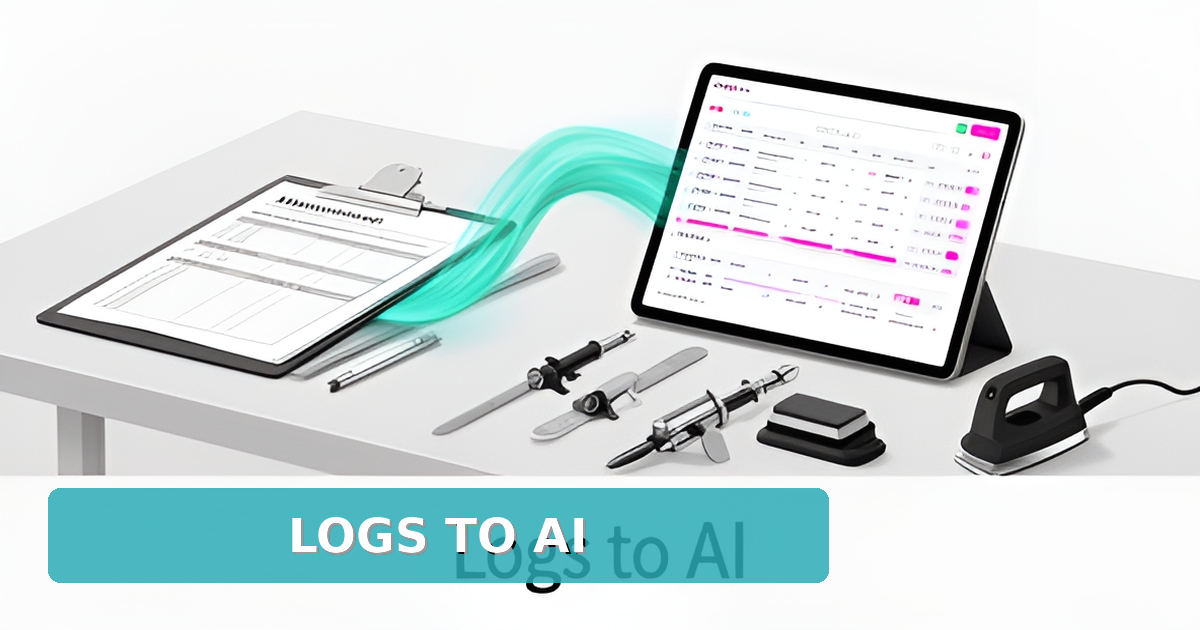
From Paper Logs to AI: Modernizing Ski Rental Shop Maintenance & Equipment Tracking
Key Facts
- Nearly nine in ten companies now use AI in at least one business function according to industry research.
- Six in ten companies have yet to show measurable results from their AI investments, the same analysis found.
- The risk isn't that AI fails outright — it scales operational fragmentation faster than the business can control it, as Murali Thiagarajan warns.
- When AI draws on inconsistent data, its outputs look authoritative but misinform decisions before anyone spots the contradiction, per the TechRadar analysis.
- AI spans text mining, computer vision, speech recognition, and machine learning to predict and recommend actions, according to Eurostat's definition.
- Digitizing paper logs without standardizing data first simply automates existing confusion rather than fixing it.
Hire a team member that works 24/7 — for less than a part-time wage.
AI receptionists, SDRs, dispatchers and 99+ roles. Trained on your business, fully managed.
Not sure where to start? Ask our AI planner
The Hidden Cost of Paper Logs in Ski Rental Shops
Paper logs feel simple until winter rush hits. A smudged checklist, a missing signature, or a repair note filed in the wrong binder can turn routine maintenance into a safety liability.
Manual logs, checklists and repair histories fragment across staff, shifts and seasons. That fragmentation creates errors that compound, safety risks that hide in plain sight, and operational blind spots that no amount of diligence can fix. AI makes those gaps harder to ignore.
Artificial intelligence refers to systems that use technologies such as text mining, computer vision, speech recognition, natural language generation, machine learning, deep learning to gather and/or use data to predict, recommend or decide, with varying levels of autonomy, the best action to achieve specific goals according to Eurostat's definition. In a rental shop, that means an AI system could read handwritten logs, extract repair history and flag overdue inspections, but only if the underlying data is trustworthy.
The problem is that AI doesn't make integration intelligent by design. It just makes the gaps harder to ignore as Murali Thiagarajan notes. Nearly nine in ten companies use AI in at least one business function according to industry research, yet six in ten companies have yet to show measurable results from AI investments from the same analysis. The gap is not technology, it is preparation.
Paper-based tracking scales problems rather than solves them because it hides inconsistencies until they matter. When AI draws on inconsistent data, its outputs are not obviously unreliable. They look authoritative but misinform decision-making before anyone identifies the contradiction underneath as highlighted in the TechRadar analysis. For ski rental, that can mean a binding serviced on paper but never logged digitally, or a boot flagged as safe by one employee and overdue by another.
The risk is not that AI fails outright - it is that AI scales operational fragmentation faster than the business can control it according to the research. Without standardization, digitizing logs simply automates confusion.
A step-by-step guide to digitizing maintenance logs, equipment checklists, and repair history using AI starts with exposing those gaps, not masking them. AIQ Labs approaches this through AI Workflow Builds — rebuilding the one workflow that costs the most, at a fixed price and in phases — and the value comes from mapping the existing paper estate first.
Common failure points that paper logs create include:
- Duplicate records across binders and staff notebooks that create cost and process drag
- Inconsistent data definitions that produce unreliable AI outputs
- Conflicting governance models that leave accountability unclear for maintenance decisions
- Inconsistent access controls that create security exposure as AI workloads traverse data boundaries
Addressing data trustworthiness, ownership clarity and access control standardization before scaling AI is what turns a digitization project into safer, more reliable operations.
Why AI Adoption Fails Without Data Governance First
The gap between AI adoption and measurable results is stark: nearly nine in ten companies now use AI in at least one business function, yet six in ten have yet to show measurable returns on those investments. This disconnect isn't about technology failure — it's about what happens when AI scales operational fragmentation faster than the business can control it. For ski rental shops moving from paper logs to automated maintenance tracking, this research carries a clear warning: AI doesn't make integration intelligent by design; it just makes the gaps harder to ignore.
- Map and fully understand existing data estates before any AI workload touches them
- Establish clear ownership for AI outputs and accountability for automated decisions
- Standardize access controls so AI draws only on authorized, consistent data
- Resolve conflicting governance models that leave accountability unclear
- Verify data trustworthiness across every source feeding maintenance algorithms
When AI systems ingest inconsistent equipment histories — one technician logging "edge tune" while another writes "full service" for the same procedure — the outputs look authoritative but misinform decision-making before anyone spots the contradiction underneath. This is where AIQ Labs helps businesses build the governance foundation first, ensuring custom systems for maintenance tracking inherit clean, standardized data rather than amplifying existing chaos. Organizations that deploy AI systematically succeed because they resolve data quality, architecture, and governance issues before scaling. Without that preparation, a ski rental shop's transition from paper to AI simply digitizes the mess.
How AI Digitizes Maintenance, Checklists and Repair History
Paper logs in a ski rental shop hide problems until a binding fails on the slope. AI makes those gaps visible and fixes the manual work that creates them.
Artificial intelligence refers to systems that use technologies such as text mining, computer vision, speech recognition, natural language generation, machine learning, and deep learning to gather and/or use data to predict, recommend, or decide the best action to achieve specific goals. That definition from Eurostat maps directly to maintenance, checklists, and repair history.
Text mining turns handwritten notes and scanned forms into structured records. Computer vision inspects boots and skis for wear, cracks, or base damage from photos. Speech recognition captures verbal handover notes from technicians, and natural language generation writes clear work orders and alerts.
Nearly nine in ten companies use AI in at least one business function, according to industry research. Yet six in ten companies have yet to show measurable results from AI investments, the same analysis notes. The gap is not the technology, it is data quality and governance.
AIQ Labs builds systems that automate data entry and send proactive maintenance alerts for rental operations — either as a single workflow rebuild or as part of a fuller AI Operating System that connects maintenance tracking with the rest of the shop. The approach starts with mapping existing logs and checklists, then standardizing definitions before any model touches the data.
How AI maps to ski rental workflows:
- Text mining extracts fields from paper logs and emails into a digital repair history
- Computer vision flags equipment issues from intake photos and end-of-day scans
- Speech recognition logs technician notes hands-free on the shop floor
- Natural language generation creates maintenance summaries and customer-ready status updates
Automated capture reduces manual typing errors and speeds check-in/check-out. Proactive alerts trigger when service intervals, damage thresholds, or seasonal usage patterns are reached, improving safety and asset life.
Implementation exposes operational fragmentation faster than the business can control it. As TechRadar warns, AI does not make integration intelligent by design. It just makes the gaps harder to ignore.
That is why custom builds prioritize data trustworthiness, clear ownership of AI outputs, and standardized access controls before scaling. With consistent definitions and governance, digitized maintenance logs become a reliable source for decisions instead of a source of risk.
A Practical Roadmap From Paper to Production AI
Ski rental shops ready to move beyond paper logs need a clear, phased approach to AI implementation that addresses foundational gaps before technology deployment. Success begins with mapping current maintenance workflows, equipment checklists, and repair history systems to identify inconsistencies in data definitions and access patterns. Nearly nine in ten companies now use AI in at least one business function, yet six in ten have yet to show measurable results from these investments, highlighting that technology alone doesn't deliver value without operational readiness. Industry research confirms that AI often exposes existing fragmentation rather than resolving it, making preparation critical.
The next step involves cleaning and standardizing data—resolving duplicate entries, inconsistent terminology, and missing fields in equipment logs before AI processes them. Establishing clear ownership and governance follows, defining who validates AI-generated maintenance alerts, audits repair recommendations, and assumes accountability for equipment safety decisions. Standardizing access controls ensures that AI systems only retrieve data they're authorized to use, preventing security risks from inconsistent permissions across shift supervisors, technicians, and inventory staff. Only after these foundations are set should shops deploy custom AI for equipment tracking, configuring it to automate data entry from digital checklists, flag overdue maintenance based on usage patterns, and send real-time alerts for safety-critical issues. Continuous monitoring and optimization then refine the system's accuracy, adapting to seasonal demand shifts and new equipment models while maintaining compliance with operational governance frameworks. AI systems that gather and use data to predict or recommend actions depend entirely on the quality and consistency of the inputs they receive. AIQ Labs supports this journey with phased builds that shops own outright — Start Monthly, Build in Milestones, or Own It Outright — integrating with existing tools while establishing the governance needed for sustainable AI-driven equipment tracking. Operational maturity determines whether AI reduces errors and improves safety—or simply scales existing problems faster.
Still paying for 10+ subscriptions that don’t talk to each other?
We build custom AI systems you own outright. No vendor lock-in. Full control.
Not sure where to start? Ask our AI planner
Frequently Asked Questions
How does AI actually help ski rental shops track maintenance and equipment repair history?
Why do many companies invest in AI but fail to see measurable results from those investments?
What are the biggest risks of using AI for equipment tracking if our shop still relies on inconsistent paper logs?
What steps should we take before implementing AI to avoid digitizing our current paper-based confusion?
Is it true that most companies are already using AI in some part of their business?
Can AIQ Labs help us build a custom AI system that we actually own and control?
From Paper to Precision: Your Next Step Toward Safer, Smarter Rentals
Modernizing ski rental maintenance isn't about chasing technology—it's about eliminating the hidden risks that paper logs create: inconsistent records, unclear accountability, and safety gaps that only surface when it's too late. AI doesn't fix fragmentation on its own; it exposes it. That's why the real value lies in preparation—mapping your current workflows, standardizing data definitions, and establishing clear governance before any algorithm touches your equipment history. When done right, digitized maintenance becomes a reliable foundation for proactive alerts, reduced errors, and longer asset life—not another source of confusion. The shops that succeed aren't the ones that adopt AI fastest, but the ones that build it on trustworthy, well-governed data. If you're ready to move beyond paper and toward a system that actually works for your team, start with a clear picture of where you stand. Take the 2-minute Fit Check to see if AI-driven maintenance tracking is the right next step for your shop — and if it's a fit, book a free 30-minute strategy call at aiqlabs.ai/book.
Make AI your competitive advantage — not just another tool.
Strategy, implementation and ongoing optimization. One partner, end to end.
Not sure where to start? Ask our AI planner