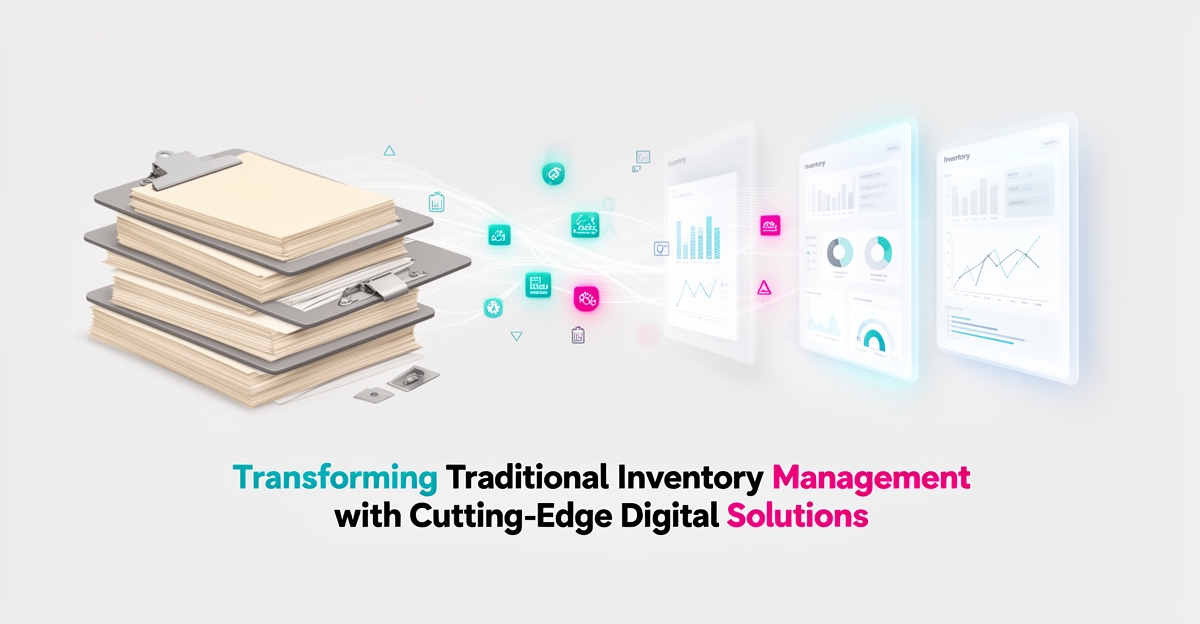
From Paper to AI: Automating Boat Inventory Tracking in Real Time
Key Facts
- Manual data entry is slow and error-prone, creating stock inaccuracies that ripple through sales, service, and procurement.
- Overstocking ties up capital in depreciating assets; understocking causes lost sales and rushed emergency orders.
- AI systems process scanned paper documents and digital records to update inventory counts in real time without manual data entry.
- Marine dealerships using AI tracking can flag aging seasonal inventory before it becomes obsolete, protecting margins from silent erosion.
- AI inventory implementations typically follow a phased sequence: assessment, system integration, staff training, and continuous optimization.
Hire a team member that works 24/7 — for less than a part-time wage.
AI receptionists, SDRs, dispatchers and 99+ roles. Trained on your business, fully managed.
Not sure where to start? Ask our AI planner
The Hidden Cost of Manual Boat Inventory Tracking
Many boat dealerships still rely on paper logs and spreadsheets to track inventory, a process that creates costly blind spots in daily operations. Manual data entry is slow and error-prone, leading to stock inaccuracies that ripple through sales, service, and procurement. When inventory counts don't match reality, sales teams risk selling boats that aren't actually available, while service departments may lack the parts needed for timely repairs. These discrepancies often go unnoticed until a customer complains or a reorder opportunity is missed, eroding trust and increasing operational friction.
The financial toll of these inefficiencies adds up quickly. Overstocking ties up capital in depreciating assets, while understocking results in lost sales and rushed, expensive emergency orders. For boat dealerships, where inventory turns slowly and carrying costs are high, even small improvements in stock accuracy can free up significant cash flow and reduce waste.
Beyond direct costs, manual tracking delays critical insights. Sales trends, seasonal demand shifts, and slow-moving models remain hidden in fragmented logs, making it difficult to act proactively. Without real-time visibility, dealerships miss chances to promote aging inventory before it loses value or to reorder popular models before they sell out. AI-powered systems eliminate this lag by continuously updating stock levels from sales, service, and delivery data, flagging low-stock items automatically and enabling faster, smarter decisions. AIQ Labs helps businesses make this shift by building custom AI systems that process both digital and scanned documents to maintain accurate, up-to-date inventory data—turning a reactive process into a strategic advantage.
How AI-Driven Inventory Tracking Solves Real-Time Visibility Gaps
When a customer asks whether a specific outboard part is in stock, "let me check the logbook" is not an answer—it's a lost sale. AI-driven inventory tracking closes that gap by turning every document, whether digital or a scanned paper form, into live inventory data that updates the moment a transaction happens.
The core difference is how the data flows. Manual logs and even spreadsheets require someone to enter information after the fact, which means stock levels are always a step behind reality. AI systems process documents as they arrive—sales receipts, receiving slips, service orders—and extract the relevant details automatically, keeping inventory counts current without manual data entry.
This real-time visibility unlocks capabilities that paper-based systems simply cannot match:
- Predictive low-stock alerts that flag items before they run out, based on sales velocity and seasonal patterns rather than someone noticing an empty shelf
- Automated reporting and customizable dashboards that show stock levels, sales trends, and aging parts at a glance
- Seamless integration with existing sales and accounting tools, so a single transaction updates inventory, financials, and reporting simultaneously
For boat dealerships specifically, the parts-aging insight matters. Marine inventory includes seasonal items that can sit for months, and obsolescence quietly erodes margins. AI systems track how long items have been on the shelf and surface aging stock before it becomes a write-off.
Adoption is still early across marine retail, which represents an opportunity. Dealerships that implement AI-driven tracking now gain a genuine competitive edge in responsiveness and cost control, while competitors keep making decisions with yesterday's information.
The practical path forward is more accessible than many assume. Systems like those built by AIQ Labs process both digital and scanned documents, meaning dealerships don't need to abandon paper processes overnight—the AI handles the transition. Implementation typically follows a straightforward sequence: assess current processes, integrate the system with existing tools, train staff, and continuously optimize based on the data the system surfaces.
The main considerations—data quality, integration with existing systems, and employee training—are manageable with the right implementation approach. But the direction is clear: real-time visibility is quickly becoming the standard, and dealerships still relying on paper logs are the ones absorbing the cost of staying behind.
Implementing AI Inventory Tracking with AIQ Labs
Transitioning from paper logs to a live, AI-driven inventory system is less about installing software and more about following a disciplined build sequence. AIQ Labs offers three entry points, and the right one depends on how far you want to go.
If the problem is one workflow—say, receiving slips and purchase orders never making it into your dealer management system—an AI Workflow Build rebuilds that single process at a fixed price, in phases. Document processing pipelines are trained to read both digital records and scanned paper documents, extracting inventory data automatically. Each milestone ships as a working phase you approve before the next begins, and you keep everything built so far if priorities change.
If you want a dedicated team member rather than a one-off build, an AI Employee works as a managed inventory coordinator—monitoring stock levels, flagging low items, and surfacing aging inventory on a schedule you define, at a fraction of the cost of another hire.
And if inventory is one of several disconnected systems across sales, service, and accounting, an AI Operating System connects them into one operating layer, built in phases and owned outright by you.
Deployment focuses on your people, not just the technology. A structured rollout typically includes:
- Hands-on training sessions customized to each role, from sales floor to parts department
- Documentation and feedback loops so staff can flag issues as they arise
- Human-in-the-loop controls for exceptions the AI shouldn't resolve alone
- Performance monitoring dashboards tracking accuracy from day one
After go-live, the engagement shifts to continuous optimization. The system monitors sales velocity, flags low-stock items automatically, and refines its forecasting as it learns your seasonal demand patterns. Ongoing reviews identify new automation opportunities across the dealership.
How you pay shapes how you start. Start Monthly covers the build, training, integrations, monitoring, and improvements under one flat plan. Build in Milestones splits a full tracking system into approved phases, while Own It Outright delivers complete ownership of the code, agents, and data. Real numbers are provided in writing after a free strategy call, so you can evaluate the investment against your actual inventory carrying costs before committing to anything.
Still paying for 10+ subscriptions that don’t talk to each other?
We build custom AI systems you own outright. No vendor lock-in. Full control.
Not sure where to start? Ask our AI planner
Frequently Asked Questions
How much can AI-driven inventory tracking actually save my boat dealership?
We still use paper logs and scanned documents — can AI really handle that without us going fully digital first?
What makes AI inventory tracking different from just using spreadsheets or our current dealer management software?
How long does implementation take and what's involved for my team?
Is it too early to adopt AI for inventory — are other dealerships actually doing this?
What if the AI makes mistakes with our inventory counts — how are errors handled?
Navigate Your Inventory Future with AI Precision
Transitioning from manual logs to AI-driven tracking isn't just an upgrade—it's a strategic move that transforms how boat dealerships operate. By automating inventory management, you gain real-time visibility, reduce costly errors, and free up capital tied in overstock. AIQ Labs has deployed 200+ multi-agent systems and runs four live SaaS products daily, so the systems we build are systems we rely on ourselves. With predictive alerts and seamless integration, you can prevent stockouts, optimize parts aging, and make data-driven decisions that boost efficiency. Ready to steer your dealership toward smoother operations? Start the 2-minute Fit Check at aiqlabs.ai/apply and book a free 30-minute strategy call to map your biggest inventory challenges. If there isn't a clear win, we'll tell you—no obligation, just clarity. Your journey to real-time inventory control begins with a single step.
Make AI your competitive advantage — not just another tool.
Strategy, implementation and ongoing optimization. One partner, end to end.
Not sure where to start? Ask our AI planner