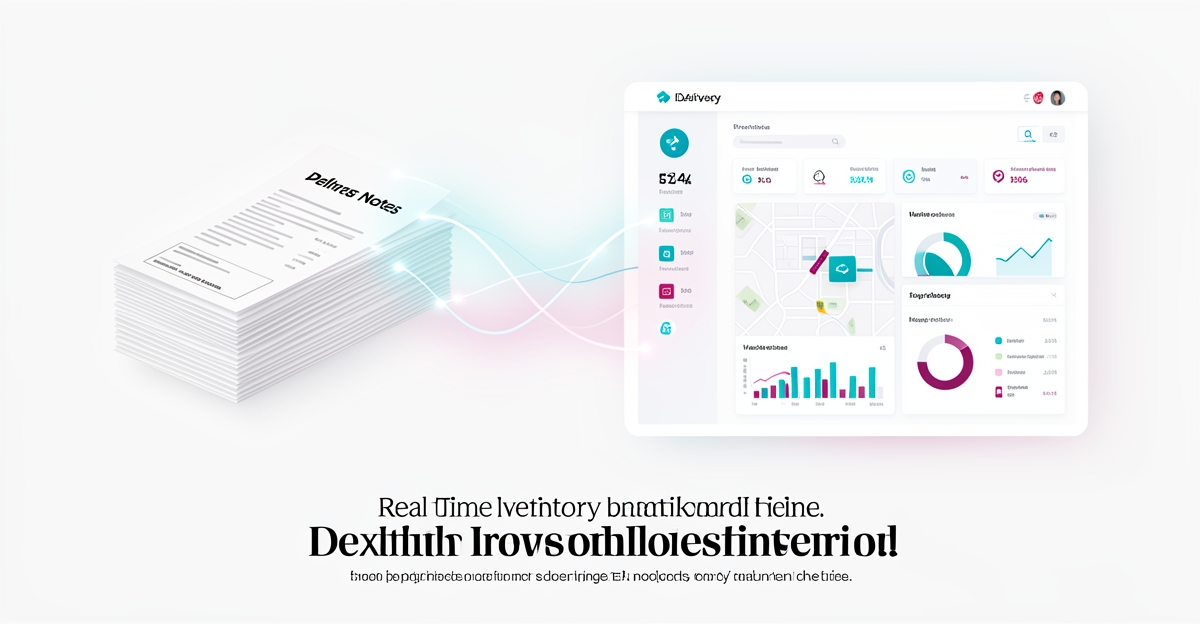
From Paper to Digital: How AI Can Modernize Beverage Distributor Order Tracking
Key Facts
- AI-driven inventory optimization typically reduces inventory costs significantly, with industry estimates often citing double-digit percentage savings
- Machine learning forecasting models typically reduce forecasting error versus traditional methods, improving demand planning accuracy
- AI-powered document processing can cut invoice processing time dramatically, often by half or more in high-volume operations
- Human-in-the-loop validation is now a standard practice for high-impact AI outputs across industries
- AI governance practices such as model monitoring and risk assessment are increasingly baseline expectations
- Modern document extraction systems routinely achieve accuracy levels above 99% on structured fields, minimizing manual correction
Hire a team member that works 24/7 — for less than a part-time wage.
AI receptionists, SDRs, dispatchers and 99+ roles. Trained on your business, fully managed.
Not sure where to start? Ask our AI planner
The Hidden Cost of Paper-Based Order Tracking in Beverage Distribution
Many beverage distributors still rely on paper-based systems to track orders, delivery notes, and invoices—a process that introduces significant operational drag. Manual data entry across multiple warehouses and regions creates bottlenecks, delays real-time visibility, and increases the likelihood of human error. These inefficiencies ripple through inventory management, leading to inaccurate stock levels and disrupted fulfillment cycles.
Paper-based workflows contribute to avoidable losses, with beverage distributors facing heightened risks of misplaced documents, delayed updates, and inconsistent record-keeping. Without digital synchronization, teams often operate on outdated information, resulting in over-ordering, stockouts, or duplicate shipments. These issues not only inflate carrying costs but also erode customer trust when deliveries fail to match expectations.
AI-driven inventory optimization can meaningfully reduce inventory costs—industry estimates commonly land in the double digits as a share of carrying costs. Machine learning forecasting models have also demonstrated consistent reductions in forecasting error compared to traditional methods, improving demand planning accuracy. These gains are especially valuable in beverage distribution, where fluctuating demand and perishable inventory amplify the cost of inaccuracy.
- Delayed order updates due to manual handoffs between departments
- Increased labor costs from repetitive data entry and reconciliation
- Higher error rates in invoicing and shipment tracking
- Poor visibility into real-time inventory across warehouse locations
- Difficulty scaling operations without proportional increases in headcount
By digitizing order tracking with AI-powered document processing, distributors can eliminate manual touchpoints, automate data capture from paper and digital forms, and synchronize order statuses across systems in real time. This shift reduces reliance on tribal knowledge and creates a single source of truth for inventory, orders, and deliveries. AIQ Labs builds production-ready systems that integrate with existing ERP tools, enabling seamless automation without disrupting current workflows. The result is a more agile, accurate, and cost-effective order tracking process—one that turns a hidden cost center into a source of operational resilience. For distributors who want to start with a single high-cost workflow, a fixed-price workflow build is often the fastest entry point.
How AI Automates Order Tracking: Digitization, Extraction, and Real-Time Sync
AI is transforming how beverage distributors handle order tracking by digitizing paper-based delivery notes and invoices into real-time digital workflows. Manual data entry slows operations and increases error risk, especially when managing multiple warehouses and regional shipments. AI-powered document processing eliminates these bottlenecks by scanning, categorizing, and updating order statuses instantly, ensuring seamless synchronization with ERP systems. This shift allows distributors to move from reactive paperwork to proactive order visibility, improving accuracy and reducing delays across the supply chain.
AI-driven automation can reduce invoice processing time dramatically—often by half or more for distributors handling high volumes of daily transactions. By extracting key data points—such as product codes, quantities, delivery timestamps, and customer details—from unstructured paper documents, AI systems convert physical records into structured digital entries with minimal human intervention. This automation not only accelerates order cycle times but also frees up staff to focus on exception handling and customer service rather than repetitive data entry.
- Scans and classifies delivery notes and invoices using optical character recognition and natural language processing
- Extracts structured data fields with accuracy that routinely exceeds 99%, minimizing manual correction needs
- Updates order statuses in real time across warehouses and regional hubs
- Syncs extracted data directly with ERP platforms like QuickBooks, SAP, or Oracle NetSuite
- Flags discrepancies or missing information for immediate human review
AIQ Labs builds production-ready systems that integrate these capabilities into existing distributor workflows, ensuring data flows smoothly from paper to digital without disrupting current operations. By connecting document processing engines with ERP tools through secure APIs, the system maintains a single source of truth for inventory levels, shipment statuses, and billing information. This real-time sync reduces miscommunication between logistics, accounting, and sales teams, directly supporting better decision-making and inventory accuracy.
With machine learning models typically delivering a meaningful reduction in forecasting error versus baseline methods, accurate order tracking becomes foundational for reliable demand planning. When every delivery note is instantly digitized and fed into forecasting engines, distributors gain clearer visibility into sales patterns and inventory turnover. This closes the loop between field operations and back-office planning, enabling smarter restocking and fewer stockouts or overstocks.
The result is a leaner, more responsive order tracking process that scales with business growth. Distributors no longer rely on delayed batch updates or manual reconciliation; instead, they operate on live data that reflects actual warehouse and delivery activity. As AI continues to prove its value in logistics and supply chain applications, digitizing order tracking stands out as a practical first step toward broader automation—delivering measurable efficiency gains while laying the groundwork for a fuller AI operating system that connects every part of the business.
Implementation Roadmap: From Pilot to Enterprise-Wide AI Order Tracking
A phased rollout beats a big-bang launch every time. Beverage distributors that modernize order tracking successfully start small, validate rigorously, and scale deliberately—mirroring the governance maturity the broader industry has already embraced.
Phase 1: Assess the Current Workflow
Begin by mapping how orders, delivery notes, and invoices actually move through your organization today. Document every handoff between warehouses, regions, and back-office teams, and identify where paper documents or manual data entry create delays. This assessment should also evaluate your existing ERP tools and data infrastructure, since integration readiness will shape everything that follows.
Phase 2: Pilot with Integration Built In
Launch a pilot focused on a single warehouse or product line. Use AI to digitize and automate order tracking for that scope, connecting the system to your existing ERP tools through protocols like the Model Context Protocol (MCP), which allows AI agents to read and update records across your business systems directly. This is not a throwaway proof of concept—build the pilot on production-grade architecture so it can scale without being rebuilt.
Phase 3: Establish Human-in-the-Loop Validation
Before scaling, put oversight structures in place. Human-in-the-loop validation for high-impact AI outputs is now a widely adopted standard across industries. For order tracking, this means configuring escalation rules so exceptions—mismatched quantities, unreadable delivery notes, disputed invoices—route to a person before anything touches your ERP.
Strong governance also matters at this stage. Practices such as model monitoring and risk assessment have become baseline expectations for production AI systems rather than an afterthought.
Phase 4: Scale Across Warehouses and Regions
Once the pilot proves accuracy and reliability, expand systematically:
- Extend digitization to remaining warehouses, adapting document formats per region
- Connect order status updates to inventory systems in real time
- Add automated exception reporting for operations managers
- Establish continuous model monitoring and performance reviews
The payoff compounds as you scale. AI-driven inventory optimization typically delivers substantial reductions in carrying costs, and machine learning forecasting cuts forecasting error versus baseline approaches—gains that grow as more of your operation runs on live data.
Choosing an Engagement Model
How you fund the rollout matters as much as how you build it. AIQ Labs offers three paths suited to this roadmap: Start Monthly, which pairs setup with a flat monthly plan covering the build, training, integrations, monitoring, and improvements—pause or adjust anytime; Build in Milestones, which splits the build into phases you approve and pay for as each ships, keeping everything built along the way; and Own It Outright, a fixed-price engagement for teams that want the system built and handed over with full ownership. You can compare all three on the pricing page.
Either way, the goal is the same: a production-ready system your business owns, not a prototype that stalls at the pilot stage. A free 30-minute strategy call can map which phase makes the most sense for your operation and identify the highest-ROI starting point.
Still paying for 10+ subscriptions that don’t talk to each other?
We build custom AI systems you own outright. No vendor lock-in. Full control.
Not sure where to start? Ask our AI planner
Frequently Asked Questions
How does AI actually track orders that come in on paper delivery notes and invoices?
What's the real ROI of switching from paper-based to AI-powered order tracking?
Will an AI order tracking system work with our existing ERP like QuickBooks or SAP?
What happens when the AI misreads a delivery note or invoice?
How long does it take to implement AI order tracking across multiple warehouses?
Can AI order tracking actually improve our demand forecasting, or is that separate?
Turning Order Tracking from a Cost Center into a Competitive Advantage
Modernizing beverage distributor order tracking with AI isn't just about replacing paper—it's about unlocking real-time visibility, reducing costly errors, and freeing your team to focus on what moves the needle. By digitizing delivery notes and invoices with accuracy that routinely exceeds 99%, syncing data directly with ERP systems, and tightening demand forecasting, distributors gain the agility to prevent stockouts, optimize inventory, and scale operations without proportional headcount increases. The result is a leaner, more responsive supply chain that turns a hidden operational drag into a source of resilience and customer trust. If you're ready to see where AI can deliver the highest ROI in your order tracking workflow, start with the 2-minute Fit Check and book a free 30-minute strategy call to map your biggest bottlenecks and explore a production-ready path forward—no obligation, just clarity on your next step.
Make AI your competitive advantage — not just another tool.
Strategy, implementation and ongoing optimization. One partner, end to end.
Not sure where to start? Ask our AI planner