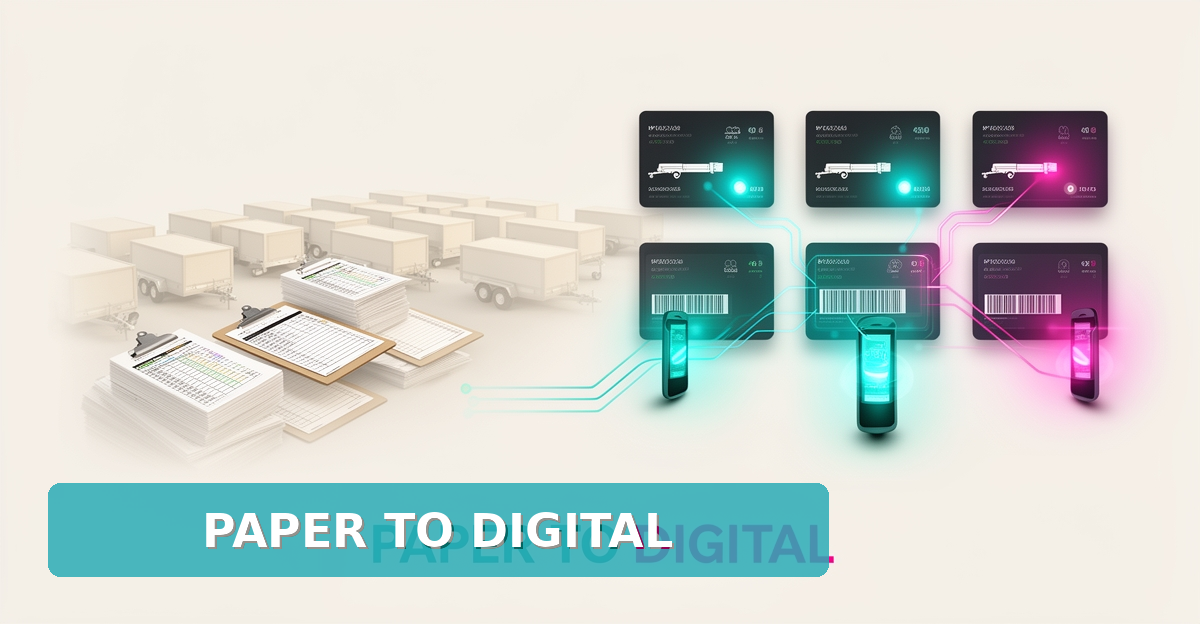
From Paper to Digital: How Trailer Dealerships Can Automate Inventory Management with AI
Key Facts
- AI-powered inventory management systems can automate inventory updates, detect discrepancies, and alert staff to low stock or overstock
- Integration with your existing DMS is the deciding factor: native connectors reduce re-entry, while custom API mapping bridges systems without open APIs
- AI tools for dealerships typically fall into two categories: dealership-specific platforms and workflow-focused tools
- As of late 2026, dealerships face increasing pressure to manage larger inventories, process leads faster, and coordinate complex sales-to-service workflows
- Benefits of AI-powered inventory management typically include increased efficiency, reduced errors, and improved customer satisfaction
- AIQ Labs has deployed 200+ multi-agent systems and runs four live SaaS products daily
Hire a team member that works 24/7 — for less than a part-time wage.
AI receptionists, SDRs, dispatchers and 99+ roles. Trained on your business, fully managed.
Not sure where to start? Ask our AI planner
The Paper Log Problem Pressuring Trailer Dealerships
Trailer dealerships are under mounting pressure to manage larger inventories while processing leads faster and coordinating complex sales-to-service workflows. Manual inventory logs, once sufficient for smaller fleets, now create critical bottlenecks as dealerships scale. These paper-based or spreadsheet-driven systems are prone to human error, delayed updates, and limited visibility across departments, making it difficult to track real-time stock levels or identify discrepancies between sales, service, and lot operations.
As inventory volumes grow, the reliance on manual processes increases the risk of overselling units that are already in service or failing to detect overstock conditions that tie up capital. Without automated synchronization, sales teams may quote trailers that aren’t actually available, while service departments lack timely insight into incoming maintenance needs. This disconnect not only slows down lead processing but also undermines customer trust when promised vehicles cannot be delivered as expected. The result is a cascade of inefficiencies that directly impact response times and deal closure rates.
- Manual logs delay inventory updates, creating visibility gaps between sales and service teams.
- Errors in paper-based tracking lead to overselling or missed service opportunities.
- Lack of real-time alerts prevents proactive management of low stock or overstock conditions.
- Inconsistent data across departments complicates lead follow-up and workflow coordination.
- These inefficiencies intensify as dealerships manage larger fleets and complex sales-to-service cycles.
AIQ Labs addresses these challenges by building custom AI workflows that replace manual logs with intelligent systems capable of real-time inventory updates, discrepancy detection, and automated alerts for stock imbalances. By integrating with existing dealership management systems, these solutions provide the operational clarity needed to process leads faster and maintain accurate fleet visibility—without requiring dealerships to replace their current tools. This approach turns inventory management from a reactive, error-prone task into a streamlined, proactive function that supports both sales efficiency and service readiness. For dealerships ready to scope the work, a Workflow Build targets the one inventory workflow that costs the most, at a fixed price.
How AI Replaces Manual Logs With Real-Time Inventory Control
Trailer dealerships are moving beyond paper logs and spreadsheets to embrace AI-driven inventory systems that update in real time. These systems automate data entry by syncing directly with dealership management software, eliminating delays and human error. AIQ Labs builds custom workflows that integrate with existing tools to ensure inventory records reflect actual stock levels at all times.
Integration typically happens one of two ways. Dealership-specific platforms often offer native connectors for major DMS systems, enabling automatic updates when trailers are sold, serviced, or relocated. Workflow-focused builds, by contrast, connect to whatever DMS you already run through custom API mapping, providing flexibility for dealerships using diverse software ecosystems. Both approaches reduce the lag between physical inventory changes and system records, creating a single source of truth.
These systems continuously monitor inventory levels and flag discrepancies between expected and actual stock. When a trailer goes missing from the lot or is double-logged due to entry errors, the AI detects the inconsistency and alerts managers immediately. Custom AI Employees can further enhance this by cross-referencing service logs, sales contracts, and lot inspections to validate inventory accuracy in real time—at a fraction of the cost of adding headcount.
Dealerships receive automated alerts when stock falls below optimal levels or exceeds storage capacity, preventing both lost sales and unnecessary holding costs. AI-driven forecasting analyzes historical trends, seasonal demand, and service lead times to recommend precise reorder points. This shift from reactive counting to proactive control allows managers to make informed decisions about purchasing, pricing, and lot layout without waiting for end-of-month reports.
By replacing manual logs with intelligent, real-time oversight, trailer dealerships gain the agility to respond to market changes, reduce carrying costs, and improve customer satisfaction through accurate availability information. AIQ Labs supports this transformation by designing owned, integrated systems that evolve with the dealership’s operational needs.
Choosing and Implementing an AI Inventory System That Fits Your DMS
Manual logs and spreadsheet updates create blind spots when trailer inventory moves fast. Dealerships that automate inventory gain real-time visibility, fewer discrepancies, and faster responses to market shifts.
Choosing the right AI inventory system starts with a clear needs assessment. Map current pain points in receiving, lot tracking, service transfers, and sales-to-service handoffs. Document which DMS fields must stay in sync and where manual entry still occurs.
Platform type dictates fit. AI tools for dealerships typically fall into two main categories: dealership-specific platforms and workflow-focused tools. Dealership-specific platforms are built around dealer operations and often include native DMS integration. Workflow-focused tools connect to virtually any existing DMS through custom mapping, which matters when your DMS lacks open APIs or your stack is unusual.
Integration with your existing DMS is non-negotiable. Native integration reduces data re-entry and supports automated updates for pricing, location, and status. Workflow-focused options can bridge gaps when your DMS lacks open APIs, but require careful mapping of fields and validation rules.
Configuration requirements vary by platform. Expect significant configuration and customization to align workflows, alerts, and user roles. Plan for data cleansing before go-live, rule definition for low stock and overstock alerts, and reconciliation checks to prevent errors or discrepancies in data.
Staff training ensures adoption. Teams need hands-on practice with exception handling, alert triage, and override procedures. Ongoing maintenance and support keeps models accurate as inventory mix and seasonality change.
A practical selection framework covers:
- Needs assessment: inventory volume, lot complexity, service workflow dependencies
- Platform comparison: dealership-specific vs workflow-focused integration depth
- DMS compatibility: native connectors vs custom API mapping
- Configuration scope: pricing rules, alert thresholds, user permissions
- Training and support plan for sustained use
As of late 2026, dealers face increasing pressure to manage larger inventories, process leads faster, and coordinate complex sales-to-service workflows. AI-powered business operating systems are filling gaps in automation, customer communication, and intelligent decision-making in dealership operations—connecting inventory, sales, and service into one layer rather than another disconnected tool.
AIQ Labs builds custom AI workflows that integrate with existing inventory tools, giving dealerships full visibility and control over their fleet inventory without forcing a rip-and-replace DMS migration. For dealerships that want inventory connected to every other part of the operation, an AI Operating System provides one connected layer, built in phases and owned outright.
Risks to Plan For and How Custom AI Workflows Mitigate Them
Trailer dealerships face real hurdles when moving from paper-based inventory logs to digital systems, and recognizing these risks early is key to a successful transition. Configuration complexity often emerges as a primary challenge, with AI tools requiring significant customization to align with specific dealership workflows and existing DMS platforms. Data errors remain a persistent concern, as manual entry mistakes or inconsistent updates can undermine the reliability of automated systems, leading to inaccurate stock levels and poor decision-making. Ongoing maintenance needs also demand attention, since AI models require regular tuning and monitoring to adapt to changing inventory patterns and business rules. Integration hurdles further complicate adoption, particularly when attempting to connect new AI workflows with legacy systems that weren’t designed for seamless data exchange.
AIQ Labs addresses these challenges through custom AI workflows built using Start Monthly, Build in Milestones, and Own It Outright payment models, ensuring dealerships retain full ownership and control over their automation solutions. By designing systems that integrate directly with your existing inventory tools—whether dealership-specific platforms or workflow-focused builds—AIQ Labs minimizes disruption while maximizing compatibility. The approach includes built-in validation layers and human-in-the-loop controls to catch discrepancies before they impact operations, reducing the risk of data errors. Continuous monitoring and optimization are included in all engagement models, addressing maintenance needs proactively rather than reactively. For dealerships wary of vendor lock-in or ongoing dependency, the ownership model guarantees that once built, the AI workflow belongs entirely to the business, with no platform restrictions or hidden fees. This end-to-end partnership model transforms potential risks into manageable, supported steps toward a more accurate, responsive inventory system.
Still paying for 10+ subscriptions that don’t talk to each other?
We build custom AI systems you own outright. No vendor lock-in. Full control.
Not sure where to start? Ask our AI planner
Frequently Asked Questions
What are the main risks of switching from paper logs to AI inventory management?
How does AI inventory management integrate with my existing DMS?
What's the difference between dealership-specific platforms and workflow-focused tools?
How much configuration and customization does an AI inventory system require?
Can AI really detect inventory discrepancies in real time?
What are the benefits of AI-powered inventory forecasting for trailer dealerships?
Turn Inventory Visibility Into Sales Velocity
Moving from paper logs to real-time AI inventory control gives trailer dealerships the visibility to sell with confidence and service without delays. Automated syncing with your DMS eliminates manual entry errors, flags discrepancies between lot, sales and service instantly, and triggers proactive alerts for low stock or overstock so capital isn’t tied up unnecessarily. The result is faster lead processing, fewer oversells, and a single source of truth that improves both deal closure rates and customer trust. Choosing the right approach starts with mapping your current pain points, DMS compatibility, and workflow needs, then building a system you own rather than renting another subscription. AIQ Labs builds custom AI workflows that integrate with your existing tools, giving you full ownership and control without a rip-and-replace migration. Start the 2-minute Fit Check to book a free 30-minute strategy call and map your biggest inventory bottleneck.
Make AI your competitive advantage — not just another tool.
Strategy, implementation and ongoing optimization. One partner, end to end.
Not sure where to start? Ask our AI planner