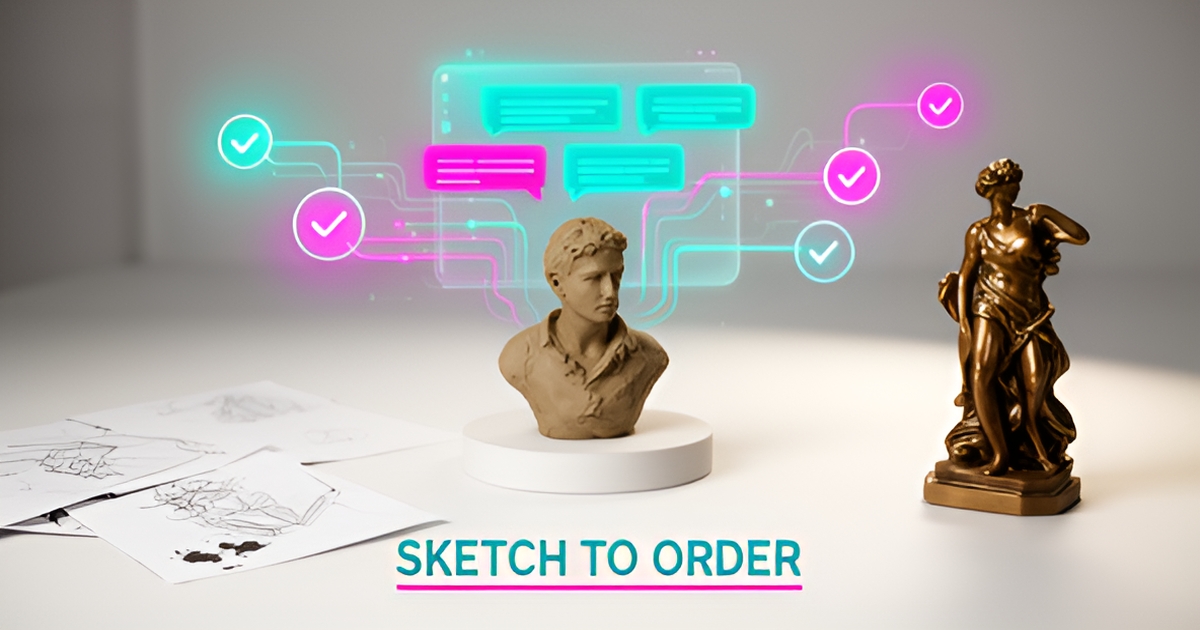
From Sketch to Order: How AI Can Automate Client Communication in Sculpture Studios
Key Facts
- Knowledge workers commonly spend over a quarter of their workweek on email — roughly 11 hours lost to reactive messaging, according to widely cited industry research.
- Most customers today expect near-immediate engagement when contacting a business, yet many small businesses still take four hours or more to reply.
- AI automation can reduce manual email handling substantially — often by more than half — freeing hours each week for creative work.
- Three automated workflows — project updates, proposal follow-ups, and onboarding — cover the majority of routine client communication in small creative businesses.
- Inbox triage AI alone can save freelancers about an hour a day by sorting what needs response, what can wait, and what's already handled.
- The safest workflow is AI drafts, you review, you send — never fully automate judgment-sensitive messages without human oversight.
Hire a team member that works 24/7 — for less than a part-time wage.
AI receptionists, SDRs, dispatchers and 99+ roles. Trained on your business, fully managed.
Not sure where to start? Ask our AI planner
The Hidden Time Drain of Manual Client Communication in Sculpture Studios
Sculptors pour their energy into shaping raw materials, not managing inboxes—but the reality is stark: knowledge workers commonly spend over a quarter of their workweek on email alone, which translates to roughly 11 hours weekly lost to reactive messaging. For a solo sculptor or small studio owner, this hidden time drain means fewer hours at the bench and more time chasing responses, clarifying details, or waiting for client feedback. The cost isn't just measured in minutes; it's felt in delayed projects and fragmented creative focus.
Small businesses often take four hours or more to reply to client emails, a pace that clashes sharply with customers who increasingly expect near-immediate engagement when they reach out. This gap fuels frustration on both sides: sculptors feel pulled from their craft, while clients perceive silence as disinterest. Without a system to handle routine logistics—like confirming receipt of sketches, sending proposal updates, or scheduling follow-ups—every inquiry becomes an interruption that pulls attention away from the physical act of creation.
AI tools can reclaim this time by treating communication as a workflow rather than a reactive scuffle. By automating pure logistics—such as acknowledging new inquiries, routing internal notes, or triggering proposal follow-ups—sculptors can cut manual email handling dramatically, freeing hours each week for modeling, refining, or client consultations. The key is to use AI for drafting and sequencing while preserving human judgment for nuanced conversations about artistic vision, material choices, or timeline adjustments. This approach doesn't replace the sculptor's voice; it protects the space where that voice matters most. For studios ready to shift from inbox management to artistic output, AIQ Labs' AI Workflow Builds rebuild the one workflow that costs you the most—at a fixed price, in phases—so the creative process can flow uninterrupted.
AI That Understands Artistic Context: Beyond Templates to True Personalization
A client sends a rough pencil sketch of a garden sculpture with a note: "Something like this, but taller, and maybe in bronze?" A generic email tool sees keywords and fires back a canned acknowledgment. An AI trained on artistic context sees a project brief taking shape.
That distinction matters more than most studios realize. The best systems don't rely on templates at all — they pull in context like client name, project stage, and the tone of previous messages to generate drafts that feel specific rather than canned. For a sculptor, that means the AI knows the difference between a first inquiry and a mid-project revision request, and drafts accordingly.
Modern AI communication tools go further than drafting. A growing category now reads your inbox and triages incoming messages — telling you what needs a response today, what can wait, and what's already handled. Industry analyses of these tools suggest the triage layer alone can save freelancers roughly an hour a day. For a studio juggling multiple commissions, that's an hour back at the workbench.
The systems that deliver this level of understanding share a few traits:
- Context awareness: They interpret project nuances — medium, scale, timeline — rather than scanning for keywords.
- Native integrations: They connect with your CRM, project management tools, and email, since a standalone tool becomes a "productivity island."
- Intent recognition: They flag urgent language ("ASAP," "issue," "problem") for immediate human attention instead of auto-replying.
- Voice matching: They learn from your past messages so drafts sound like you, not a customer service script.
This is where purpose-built systems pull ahead of off-the-shelf software. AIQ Labs, for example, has deployed 200+ multi-agent systems trained on a business's specific language and workflows — so a sculpture studio's AI understands that "patina options" and "armature specifications" carry real project weight, not just vocabulary.
Personalization without judgment is a liability. The recommended workflow is straightforward: AI drafts, you review, you send. Pure logistics — meeting confirmations, invoice reminders — can run fully automated. But anything requiring judgment, like a client's concern about casting quality or a requested design change, deserves human eyes before it ships.
The stakes are real. Sending an automated reply to an urgent or emotionally charged message is like pouring gasoline on a fire — it damages trust precisely when the relationship needs care. And with most customers now expecting fast engagement when they contact a business, the goal isn't choosing between speed and thoughtfulness. It's building a system that delivers both: instant, contextually intelligent drafts, with the sculptor's judgment as the final pass.
From First Sketch to Signed Order: A 3-Step AI Workflow for Sculpture Studios
Sculpture studios lose creative hours to reactive email threads that never move a commission forward. Automating the logistics of client communication protects studio time while keeping the relationship human.
A practical three-step workflow moves work from first sketch to signed order without sounding templated.
Draft core templates in the artist's voice first. Write three to five short, conversational emails for project updates, proposal follow-ups, and onboarding in your natural tone with contractions and clear sentences. This gives any AI system a personal foundation instead of generic copy, and personalization at scale works best when context like client name, project stage, and prior tone is pulled in. Remember: the average knowledge worker spends over a quarter of their workweek on email — more than 11 hours weekly.
Use AI for first drafts with human review. The safest workflow is AI drafts, you review, you send. Let AI handle logistics such as meeting confirmations, invoice reminders, and sequencing, while you keep judgment-sensitive messages for human oversight. Freelancers who adopt this pattern routinely report cutting weekly admin time from hours to minutes. AIQ Labs' AI Employees can serve as a studio's dedicated communication assistant — trained on your artistic language and creative context, not just templates — to interpret client messages and convert sketches into project proposals, typically at a fraction of the cost of a human hire.
Segment automation by client relationship stage. Automation depth should match trust depth so long-term clients never feel scripted.
- New client first 30 days: higher-touch, manual review for proposals and scope changes
- Ongoing client 3+ months: more automation for updates, scheduling, and follow-ups
- Wrapping up or re-engagement: human-written always to protect trust
Three workflows — project updates, proposal follow-ups, and onboarding — can cover the majority of routine client communication most freelancers handle manually each week. That coverage matters because customers increasingly expect fast engagement when they contact a company, while many small businesses still respond in four hours or more.
The system handles logistics so the relationship has room to breathe. Automate reminders and sequencing, never relationship moments like congratulations or acknowledgment of personal details. Flag urgent language for immediate human attention and keep inbox intelligence triage active to save time without losing trust.
Still paying for 10+ subscriptions that don’t talk to each other?
We build custom AI systems you own outright. No vendor lock-in. Full control.
Not sure where to start? Ask our AI planner
Frequently Asked Questions
Will AI make my client communication sound generic and robotic?
How much time can AI actually save a sculpture studio on email?
Is it safe to automate replies when clients expect fast responses?
What kind of client messages should I never automate?
Which workflows are best to automate first in a studio?
How does inbox triage help with multiple commissions?
Let Your Art Lead the Way
From the hidden hours lost to inbox overload to the power of AI that understands artistic nuance, we've seen how automating the logistics of client communication isn't about removing the human touch—it's about protecting it. By using AI to handle routine updates, follow-ups, and triage while reserving judgment for creative conversations, sculpture studios can reclaim much of the 11-plus hours a week currently spent on email—time better spent at the bench, refining visions, or connecting meaningfully with clients. The workflow is clear: draft in your voice, let AI assist with first drafts, review and send, and segment automation by relationship stage. This approach delivers both speed and thoughtfulness, meeting client expectations for fast engagement without sacrificing the personal connection that defines your craft. If you're ready to build a system that handles the logistics so your art can take center stage, start with the two-minute Fit Check and book a free 30-minute strategy call to map your biggest bottleneck and see where AI can give you back your creative hours.
Make AI your competitive advantage — not just another tool.
Strategy, implementation and ongoing optimization. One partner, end to end.
Not sure where to start? Ask our AI planner