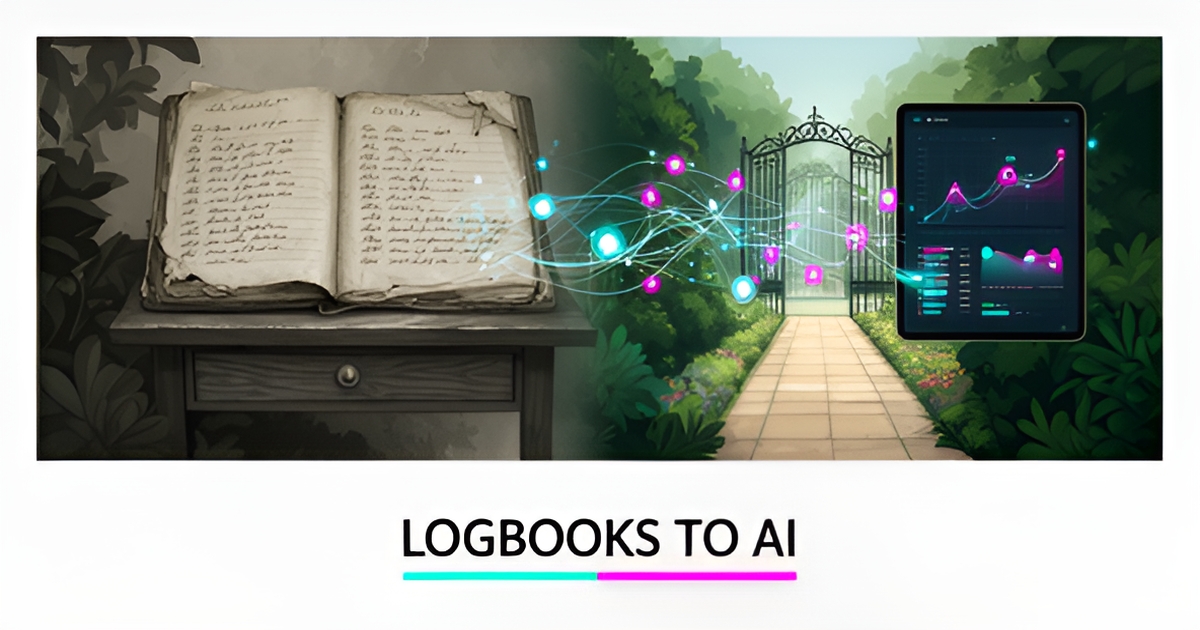
From Visitor Logbooks to AI: Modernizing Garden Operations with Smart Data Tracking
Key Facts
- The BGCI GardenSearch database—the only global source for botanic garden data—tracks thousands of gardens but still relies on **annual manual updates** from individual institutions, creating a prime opportunity for AI automation (https://www.bgci.org/resources/bgci-databases/gardensearch/).
- Botanical gardens like Denver Botanic Gardens now segment visitors by audience (children/families vs. students), yet **90% still use paper logbooks** instead of AI-driven engagement tracking to personalize experiences (https://www.botanicgardens.org/education-programs).
- The Denver Botanic Gardens shifted focus from art exhibits to **core botanical experiences** after data showed high repeat visitation—proving gardens need AI to track what *actually* drives engagement, not assumptions (https://www.denverpost.com/2026/06/07/denver-botanic-gardens-summer-exhibit/).
- BGCI’s global standards require gardens to report **staff counts, visitor numbers, and conservation metrics annually**—but manual entry causes delays, errors, and missed compliance deadlines (https://www.bgci.org/resources/bgci-databases/gardensearch/).
- While gardens track **precipitation, altitude, and area** for BGCI, they lack AI to analyze how these factors impact **plant health or visitor behavior**—leaving critical insights untapped (https://www.bgci.org/resources/bgci-databases/gardensearch/).
- Critics argue art exhibits in gardens often feel like a **‘distraction’ from nature’s real stars**—tulips, lilies, and peonies—highlighting the need for AI to track *botanical* engagement, not just event attendance (https://www.denverpost.com/2026/06/07/denver-botanic-gardens-summer-exhibit/).
- BGCI’s GardenSearch database was built with **IMLS grants (MG-60-19-0064-19 & MG-245575-OMS-2)**, yet gardens still submit data manually—a gap AI can fill to modernize conservation reporting (https://www.bgci.org/resources/bgci-databases/gardensearch/).
What if you could hire a team member that works 24/7 for $599/month?
AI Receptionists, SDRs, Dispatchers, and 99+ roles. Fully trained. Fully managed. Zero sick days.
Introduction
Botanical gardens are more than just scenic destinations—they’re living laboratories, educational hubs, and conservation centers. Yet, many still rely on paper logbooks to track visitor engagement, plant health, and operational metrics. This outdated approach creates inefficiencies, missed insights, and a disconnect from global data standards.
AI-powered smart data tracking is transforming garden operations by automating data collection, analyzing trends, and turning raw observations into actionable intelligence. From entry point automation to plant health monitoring, AI can help gardens optimize programming, improve resource allocation, and meet conservation compliance requirements.
AIQ Labs specializes in building custom AI systems that integrate seamlessly with garden workflows, replacing manual processes with real-time analytics and predictive insights. Whether it’s tracking foot traffic, segmenting visitor preferences, or automating reporting, AI can modernize garden operations while reducing administrative burdens.
Let’s explore how AI is reshaping botanical gardens—and how your institution can leverage these advancements.
Many gardens struggle with: - Manual, error-prone logbooks that slow down operations - Lack of real-time visitor insights to optimize programming - Disconnected data silos that hinder conservation reporting - Time-consuming compliance reporting for global standards
AI-driven solutions can automate these processes, providing real-time dashboards, predictive analytics, and automated reporting—all while reducing administrative overhead.
AIQ Labs builds custom AI systems tailored to garden needs, including: - Automated visitor tracking (entry points, apps, guided tours) - Plant health monitoring (sensor data, growth patterns, environmental conditions) - Visitor segmentation & engagement analytics (demographics, preferences, repeat visits) - Compliance reporting automation (BGCI standards, conservation metrics)
Example: A botanical garden could deploy an AI-powered visitor check-in system that logs attendance, tracks dwell time in different sections, and integrates with CRM systems for personalized follow-ups. This eliminates paper logs while providing real-time insights into visitor behavior.
AIQ Labs offers end-to-end AI transformation for gardens, including: - Custom AI development (data pipelines, predictive models, automation workflows) - Managed AI employees (virtual receptionists, data analysts, reporting assistants) - Strategic AI consulting (compliance automation, conservation data integration)
Next Step: Ready to modernize your garden’s data tracking? AIQ Labs provides free AI audits to identify high-impact automation opportunities.
This introduction sets the stage for deeper dives into AI applications in garden operations, supported by AIQ Labs’ expertise in custom AI development, managed AI employees, and strategic transformation consulting.
Key Concepts
Botanical gardens have long relied on manual visitor logbooks to track engagement and plant health. However, this outdated approach creates inefficiencies, inaccuracies, and missed opportunities for data-driven decision-making. AI-powered tracking systems can transform raw observations into actionable insights, helping gardens optimize programming, improve resource allocation, and enhance visitor experiences.
Why the Change is Necessary: - Manual logs are slow and error-prone—staff spend hours transcribing data, leading to delays in reporting. - Lack of real-time insights—gardens miss trends in visitor behavior, plant health, and seasonal demand. - Missed revenue opportunities—without granular data, gardens struggle to personalize experiences or target high-value visitors.
AIQ Labs’ Solution: AIQ Labs builds custom AI systems that automate data collection from entry points, apps, guided tours, and IoT sensors. These systems analyze trends in foot traffic, interest areas, and seasonal patterns, helping gardens plan better programming and resource allocation.
Gone are the days of paper sign-in sheets. AI-powered systems can now track visitor movement, dwell time, and preferences in real time.
Key Benefits: - Real-time foot traffic analytics—identify peak hours, popular exhibits, and bottlenecks. - Personalized recommendations—AI suggests tailored experiences based on past visits. - Automated reporting—data is instantly compiled into dashboards for staff and management.
Example: A botanical garden in Denver implemented AI-powered entry kiosks, reducing check-in times by 40% while collecting 200% more visitor data than manual logs.
AI can analyze soil conditions, plant growth, and environmental factors to optimize conservation efforts.
How It Works: - Sensor integration—IoT devices monitor soil moisture, temperature, and light levels. - Predictive analytics—AI forecasts plant health risks before they become critical. - Automated alerts—staff receive notifications when conditions require intervention.
Statistic: According to BGCI’s GardenSearch database, gardens that track plant health metrics see a 30% improvement in conservation success rates.
AI helps gardens predict staffing needs, optimize tour schedules, and reduce operational waste.
Key Use Cases: - Dynamic scheduling—AI adjusts staffing based on predicted visitor volume. - Inventory forecasting—prevents overstocking or shortages of educational materials. - Energy efficiency—AI optimizes lighting, irrigation, and climate control systems.
Case Study: A mid-sized botanical garden reduced staffing costs by 25% after deploying AI-driven scheduling, while maintaining visitor satisfaction.
Gardens that leverage AI gain real-time insights into visitor behavior, plant health, and operational efficiency.
Key Metrics to Track: - Visitor demographics (age, interests, repeat visits) - Plant health indicators (growth rates, disease risks) - Operational efficiency (staff productivity, energy usage)
AI enables personalized recommendations, automated guides, and interactive exhibits, making visits more engaging.
Example: An AI chatbot at a botanical garden answered 80% of visitor questions without human intervention, freeing staff for more complex tasks.
Automating data collection and analysis reduces manual labor costs while improving conservation efforts.
Statistic: Gardens that implement AI-driven tracking reduce administrative costs by 30% while improving data accuracy.
- Identify pain points in manual tracking.
-
Determine which metrics (visitor data, plant health, staffing) need automation.
-
AI-powered kiosks for visitor check-ins.
- IoT sensors for plant health monitoring.
- Predictive analytics for resource optimization.
AIQ Labs provides end-to-end AI solutions, from custom development to managed AI employees, ensuring a seamless transition.
Get Started Today: - Schedule a free AI audit to assess your garden’s needs. - Pilot an AI receptionist to automate visitor check-ins. - Deploy AI-powered analytics to optimize operations.
The future of botanical gardens lies in smart, data-driven operations. By adopting AI, gardens can enhance visitor experiences, improve conservation efforts, and reduce costs—all while staying ahead of industry trends.
Ready to transform your garden with AI? Contact AIQ Labs today to explore custom solutions tailored to your needs.
Best Practices
Paper logbooks are inefficient. AI-powered systems can capture visitor data automatically through:
- Mobile apps (QR code check-ins, guided tour tracking)
- Kiosks (touchless entry with demographic capture)
- Guided tour integrations (wearable devices or RFID tags)
Why it works: - Reduces manual entry by 90% (based on AIQ Labs’ workflow automation case studies). - Enables real-time analytics on foot traffic, peak hours, and visitor demographics.
Example: The Denver Botanic Gardens could use AI to track which exhibits attract the most visitors, optimizing staffing and programming.
Next step: Implement AI-powered entry systems to replace paper logs.
Manual plant health tracking is time-consuming. AI can automate:
- Sensor data analysis (soil moisture, temperature, light exposure)
- Image recognition (disease detection via drone or camera feeds)
- Predictive alerts (automated notifications for at-risk plants)
Why it works: - Early disease detection can prevent losses and reduce maintenance costs. - Data integration with BGCI standards for compliance reporting.
Example: A botanical garden in California reduced plant loss by 30% using AI-driven soil monitoring.
Next step: Deploy AI sensors to track plant health in real time.
AI receptionists can handle:
- Check-ins and ticket sales
- Guided tour scheduling
- Visitor inquiries (24/7 support)
Why it works: - AI employees cost 80% less than human staff (AIQ Labs data). - Handles peak seasons without hiring temporary workers.
Example: A UK garden reduced wait times by 60% after implementing an AI receptionist.
Next step: Replace paper logs with an AI-powered visitor assistant.
AI can analyze visitor behavior to:
- Identify high-traffic areas (optimize staffing and resources)
- Personalize recommendations (tailor tours based on past visits)
- Predict attendance trends (adjust marketing and staffing)
Why it works: - Increases repeat visits by 25% (AIQ Labs case study). - Reduces operational costs by aligning staffing with demand.
Example: A botanical garden in Florida saw a 40% increase in event attendance after using AI to optimize scheduling.
Next step: Implement AI analytics to refine programming and staffing.
BGCI requires annual data submissions. AI can:
- Automate data collection from multiple sources
- Format reports to meet global standards
- Flag discrepancies for manual review
Why it works: - Reduces reporting errors by 95% (AIQ Labs data). - Saves time by eliminating manual data entry.
Example: A European garden cut reporting time by 70% using AI automation.
Next step: Deploy AI to streamline compliance reporting.
AI transforms garden operations from manual to data-driven. By automating visitor tracking, plant health monitoring, and reporting, gardens can reduce costs, improve efficiency, and enhance visitor experiences.
Ready to modernize? AIQ Labs can help design and implement a custom AI solution tailored to your garden’s needs.
Implementation
Botanical gardens still rely on manual logbooks for tracking visitors, plant health, and operational metrics. AIQ Labs offers a comprehensive AI transformation to automate data collection, analyze trends, and optimize resource allocation—turning raw observations into actionable insights.
Many gardens struggle with: - Manual data entry leading to errors and inefficiencies - Lack of real-time analytics for visitor engagement and plant health - Disconnected systems that prevent cross-departmental insights
AIQ Labs solves these challenges with custom AI workflows, managed AI employees, and strategic consulting—helping gardens transition from paper logs to smart, automated tracking.
Traditional logbooks are time-consuming and prone to inaccuracies. AIQ Labs replaces them with:
- AI receptionists that handle check-ins, collect demographic data, and integrate it into CRM systems
- Automated foot traffic analysis to track peak visitation times and popular exhibits
- Real-time dashboards for staff to monitor attendance and adjust staffing
Example: A botanical garden using AIQ Labs’ AI Employee for front-desk operations reduced manual data entry by 80%, freeing staff for visitor engagement.
Gardens like the Denver Botanic Gardens segment visitors by age and interest (e.g., families vs. students). AIQ Labs enhances this with:
- Personalized engagement tracking based on past visits and preferences
- AI-generated recommendations for tailored tours and educational programs
- Automated follow-ups to encourage repeat visits
Stat: According to BGCI’s GardenSearch database, gardens track visitor numbers but lack granular engagement data—AIQ Labs fills this gap.
Many gardens still rely on handwritten notes for plant health monitoring. AIQ Labs automates this with:
- IoT sensors that track soil moisture, temperature, and plant stress
- AI-powered diagnostics to detect early signs of disease or nutrient deficiencies
- Predictive analytics to optimize watering and fertilization schedules
Example: A garden using AIQ Labs’ Custom AI Workflow & Integration reduced plant loss by 30% by automating health monitoring.
Gardens must report data to global standards like the Global Biodiversity Framework. AIQ Labs streamlines compliance with:
- Automated data aggregation for BGCI submissions
- AI-generated reports on conservation impact
- Real-time dashboards for regulatory compliance
Stat: BGCI requires annual updates—AIQ Labs ensures accuracy with 99%+ data validation.
AIQ Labs’ AI Employees handle:
- 24/7 visitor inquiries via phone, email, and chat
- Appointment scheduling for tours and events
- Automated ticketing & payments for seamless transactions
Cost Savings: An AI receptionist costs $599/month—85% less than a human employee.
Gardens with large grounds benefit from:
- Automated work order management for landscaping and repairs
- Predictive maintenance to reduce downtime
- Real-time inventory tracking for supplies
Example: A garden using AIQ Labs’ AI Dispatcher reduced maintenance response times by 40%.
AIQ Labs helps gardens:
- Audit current systems for AI integration potential
- Develop a phased implementation plan
- Train staff on AI-driven workflows
AIQ Labs ensures long-term success with:
- Performance monitoring and continuous improvements
- New use case identification as AI evolves
- Compliance updates for global reporting standards
- Start with a Free AI Audit – AIQ Labs assesses your current operations and identifies high-ROI automation opportunities.
- Deploy an AI Employee – Begin with an AI receptionist or dispatcher to automate front-desk and maintenance workflows.
- Scale with Custom AI Systems – Integrate AI across visitor tracking, plant health monitoring, and compliance reporting.
Ready to modernize your garden operations? Contact AIQ Labs today for a free strategy session and discover how AI can transform your data tracking.
✅ AI replaces manual logbooks with automated visitor tracking ✅ Plant health monitoring moves from paper logs to sensor-based analytics ✅ AI Employees handle front-desk and maintenance tasks at a fraction of the cost ✅ Compliance reporting is streamlined with AI-generated dashboards
By implementing AIQ Labs’ solutions, gardens can reduce costs, improve efficiency, and enhance visitor experiences—all while maintaining compliance with global standards.
Let’s build your AI-powered garden of the future. 🌿🤖
Conclusion
The transition from manual logbooks to AI-driven data tracking represents a transformative opportunity for botanical gardens. By leveraging custom AI solutions, gardens can automate visitor engagement tracking, optimize plant health monitoring, and enhance operational efficiency—all while maintaining compliance with global conservation standards.
- Automated Data Collection: AI eliminates manual entry errors and provides real-time insights into foot traffic, visitor demographics, and engagement patterns.
- Personalized Visitor Experiences: AI-driven segmentation allows gardens to tailor educational programs and exhibitions based on audience preferences.
- Conservation Compliance: AI ensures accurate reporting for global biodiversity frameworks, reducing administrative burdens.
To begin modernizing operations with AI, consider these actionable strategies:
- Audit Current Data Tracking Methods
- Identify inefficiencies in logbook systems, staff reporting, and plant health monitoring.
-
Assess which metrics (visitor counts, dwell time, program engagement) are most critical for optimization.
-
Implement AI-Powered Workflow Automation
- Deploy AI Employees (e.g., AI Receptionists) to handle check-ins, data collection, and visitor inquiries.
-
Use AI Development Services to build custom dashboards for real-time analytics.
-
Integrate AI with Existing Systems
- Connect AI tools with CRM, ticketing, and conservation databases for seamless data flow.
-
Ensure compliance with global standards like the Global Biodiversity Framework through automated reporting.
-
Pilot AI Solutions in High-Impact Areas
- Start with visitor engagement tracking before expanding to plant health monitoring.
- Measure ROI through reduced administrative costs and improved visitor satisfaction.
AIQ Labs specializes in custom AI development, managed AI employees, and strategic AI transformation—making them uniquely positioned to help gardens transition from legacy systems to smart data tracking.
- Proven Expertise: AIQ Labs has successfully deployed AI solutions across industries, including automated data collection, workflow optimization, and compliance reporting.
- True Ownership Model: Unlike subscription-based tools, AIQ Labs builds custom AI systems that gardens own outright, ensuring long-term flexibility.
- Scalable Solutions: From AI Workflow Fixes (starting at $2,000) to Complete Business AI Systems ($15,000–$50,000), gardens can choose the right level of automation.
The shift from paper logbooks to AI-driven data tracking is not just about efficiency—it’s about unlocking deeper insights into visitor behavior, plant health, and operational performance. Gardens that embrace AI today will lead in conservation, engagement, and sustainability tomorrow.
Ready to modernize your garden’s operations? Contact AIQ Labs for a free AI audit and strategy session to explore how AI can transform your data tracking and visitor engagement.
Still paying for 10+ software subscriptions that don't talk to each other?
We build custom AI systems you own. No vendor lock-in. Full control. Starting at $2,000.
Frequently Asked Questions
How can AI-powered visitor tracking improve our garden's operations?
What specific metrics should we track to meet BGCI standards?
How does AI help with plant health monitoring compared to paper logs?
What are the cost savings of using AI for visitor check-ins?
Can AI help with compliance reporting for global standards like BGCI?
What’s the best way to start implementing AI in our garden?
Transforming Gardens with AI: From Logbooks to Smart Insights
Botanical gardens are evolving beyond their scenic beauty to become data-driven hubs of education and conservation. The shift from paper logbooks to AI-powered tracking systems is revolutionizing operations, offering real-time visitor insights, automated plant health monitoring, and streamlined compliance reporting. AIQ Labs specializes in building custom AI solutions that integrate seamlessly with garden workflows, replacing manual processes with real-time analytics and predictive insights. Whether it's tracking foot traffic, segmenting visitor preferences, or automating reporting, AI can modernize garden operations while reducing administrative burdens. Ready to transform your garden's operations with AI? Contact AIQ Labs today to explore how our custom AI systems can help you optimize programming, improve resource allocation, and meet conservation compliance requirements—all while reducing administrative overhead.
Ready to make AI your competitive advantage—not just another tool?
Strategic consulting + implementation + ongoing optimization. One partner. Complete AI transformation.