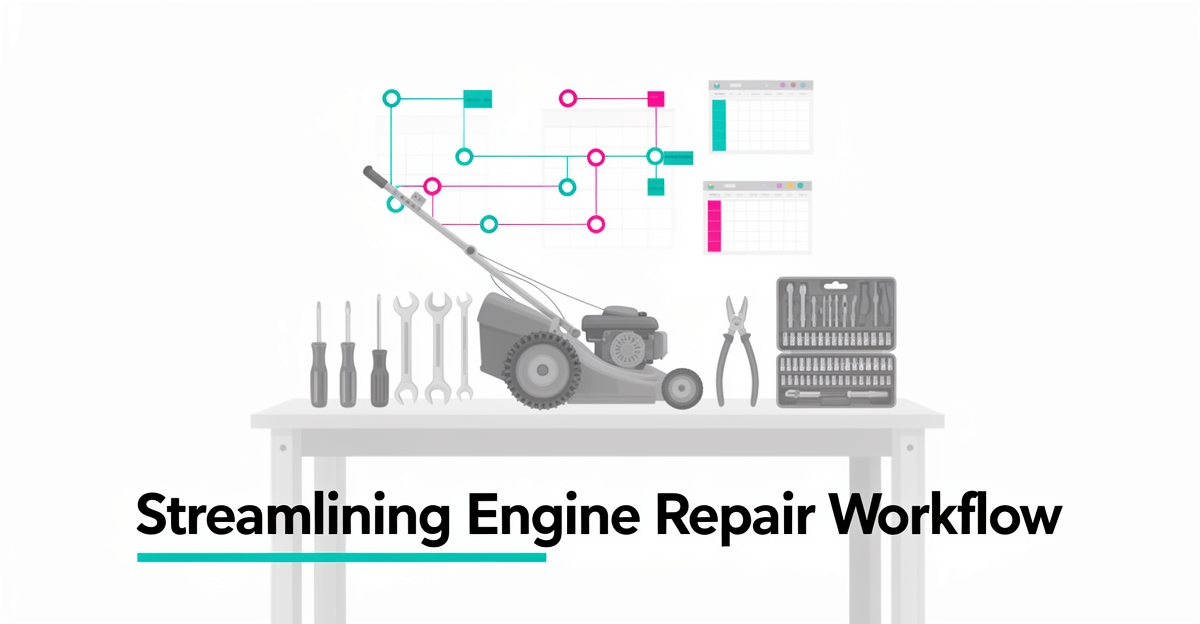
How a Small Engine Shop Can Use AI to Optimize Technician Scheduling in Real Time
Key Facts
- Manual scheduling decisions are often suboptimal due to cognitive limits in processing multiple variables at once
- AI systems can process hundreds of variables simultaneously to optimize schedules in real time
- Predictive scheduling spots bottlenecks before they occur, rather than reacting after delays have already cascaded
- Idle technicians and rushed jobs erode margins the same way unplanned downtime does in larger industrial settings
- The best outcomes are collaborative: AI handles data-heavy optimization while the shop owner makes final, context-aware calls
Hire a team member that works 24/7 — for less than a part-time wage.
AI receptionists, SDRs, dispatchers and 99+ roles. Trained on your business, fully managed.
Not sure where to start? Ask our AI planner
The Scheduling Bottleneck Small Shops Can't Ignore
It’s 9:15 AM on a Tuesday. A high-priority generator repair just landed, your lead technician is on a job that’s taking longer than quoted, and two other bays are waiting on parts. In most small engine shops, this scenario triggers a frantic scramble of phone calls, whiteboard scribbles, and mental math that leaves the shop manager acting as a human traffic controller.
This is the reality of manual dispatch. When you rely on human judgment alone, you are fighting against hard cognitive limits. A human simply cannot weigh technician expertise, job urgency, parts availability, and travel time simultaneously in real time. Manual scheduling decisions are often suboptimal for exactly this reason, and time-intensive schedule adjustments delay your response to changing conditions—turning a minor hiccup into a shop-wide bottleneck.
The cost of this friction is real. When scheduling fails to anticipate workflow gaps, you face unplanned downtime. In industrial settings, unscheduled shutdowns are known to cost thousands of dollars in lost production, not including overtime pay to catch up. While a small engine shop operates on a different scale, the math is identical: idle technicians and rushed jobs erode margins.
Manual scheduling creates specific inefficiencies that compound daily:
- Cognitive overload: Managers burn mental energy juggling variables instead of focusing on quality control or customer service.
- Reactive adjustments: By the time you reshuffle the board for a rush job, the delay has already cascaded to other customers.
- Invisible idle time: Technicians wait for assignments or parts because the schedule lacks real-time visibility into shop conditions.
- Inconsistent logic: Job assignments vary based on who is available to answer the phone, not who is best for the task.
This is where AIQ Labs sees the opportunity for small shops. You do not need to replace your dispatcher’s expertise; you need to augment it with a system that processes hundreds of variables simultaneously. An AI-driven approach can optimize schedules across multiple bays in real time, predicting bottlenecks before they occur rather than reacting to them after the fact.
The goal isn’t to remove the human element. It is to eliminate the mental fatigue of manual coordination so your team can focus on turning wrenches, not managing chaos.
Why Real-Time AI Scheduling Beats Manual Dispatch
Walk into any busy engine shop at 7 a.m. and you'll find the same scene: a shop owner staring at a whiteboard, juggling rush repairs, parts delays, and technician availability—all before the first job even starts. Manual dispatch works until the day gets messy, and then it breaks down fast.
The core limitation is cognitive. Manual scheduling decisions are often suboptimal due to human limitations in processing multiple variables, and time-intensive adjustments delay response to changing conditions. An AI system, by contrast, processes hundreds of variables simultaneously to optimize schedules in real time.
That processing power translates into four practical advantages:
- Workload balancing: AI distributes jobs evenly across technicians, preventing some from drowning in overtime while others sit idle.
- Expertise-based assignment: Jobs route to the technician best suited for the work, not just whoever is free.
- Predictive scheduling: AI spots bottlenecks before they occur, rather than reacting after delays have already cost you hours.
- Real-time adaptation: When a rush job lands or a repair runs long, the schedule re-optimizes instantly instead of waiting for the next whiteboard review.
Predictive maintenance compounds the benefit. AI platforms use sensor data and machine-learning models to forecast equipment failures before they happen, triggering work orders only when a failure is likely. For a small shop, fewer surprise breakdowns means fewer technicians pulled off scheduled work, which directly cuts idle time. As of late 2026, shops that adopt this approach typically report meaningful reductions in unplanned downtime, though exact results vary by shop and equipment mix.
The financial case is straightforward. Idle hours, overtime surprises, and rescheduled customers all bleed margin. Most small operations that invest in AI-driven scheduling and maintenance tooling typically reach breakeven within 12 to 18 months, assuming the system is built around their actual workflow rather than bolted on.
That said, AI isn't a replacement for your judgment. Algorithms may miss nuanced factors an experienced scheduler considers—a technician's specific strengths, a machine's unique quirks, a customer's particular requirements. The best outcome is collaborative: AI handles the data-heavy optimization, while you make the final, context-aware calls.
This is exactly how AIQ Labs approaches scheduling automation. Rather than selling a one-size-fits-all dispatch tool, we rebuild the one workflow that costs you the most through our AI Workflow Builds—fixed price, delivered in phases. For shops that want scheduling connected to intake, parts, and customer communication in one layer, an AI Operating System ties it together—and you own it outright. And if what you need first is a managed dispatcher or service coordinator that answers calls and books jobs around your technicians' real availability, our AI Employees cover 99+ roles at a fraction of a human hire's cost.
If your mornings currently start with a whiteboard triage session, it may be time to see what real-time optimization looks like in your shop.
A Problem-First Roadmap to AI Technician Scheduling
Most small engine shops don't have a scheduling problem — they have a visibility problem. The whiteboard works until a rush job lands, a technician calls out, or a parts delay cascades into three rescheduled appointments.
Manual scheduling relies on human judgment that is limited by cognitive capacity and often inconsistent. AI-driven systems outperform manual processes by processing hundreds of variables simultaneously to optimize schedules across multiple bays in real time, while predictive scheduling prevents bottlenecks before they occur. The gap isn't technical — it's strategic. Most businesses pick a shiny tool and try to jam it into their workflow. The approach that sticks starts with the problem, not the solution.
- Run a 3–5 day time audit on scheduling, job assignment, and maintenance planning to surface repetitive, draining tasks
- Map one end-to-end workflow (e.g., rush repair intake to completion) using a visual tool or pen and paper
- Color-code each step: owner tasks, team tasks, and tasks AI could handle — this alone often reveals efficiency gains before any tool is introduced
- Test a low-cost prototype with free AI chatbots using historical job data to validate technician-assignment logic
- Iterate with technician feedback, then scale only when the prototype proves tangible time savings
This problem-first sequence mirrors how AIQ Labs structures every engagement — mapping the workflow before writing a single line of code. The payoff is measurable: less idle time, fewer overtime surprises, and technicians spending more hours turning wrenches instead of waiting on the next job card.
Implementation Playbook for Engine Shops
Implementing AI for technician scheduling starts with understanding your current reality. Begin by running a time audit over 3-5 days to track every scheduling-related task—from job intake to technician assignment—and pinpoint where repetitive, draining work consumes your team’s energy. Next, map one specific workflow, like handling an emergency repair, drawing each step from job receipt to completion using a simple visual tool. Color-code tasks to distinguish what you do, what your team handles, and where AI could optimize, such as balancing workloads or predicting technician availability based on historical data.
With your workflow mapped, select a low-cost or free tool to test a narrow hypothesis—like using an AI chatbot to analyze past job logs and suggest optimal technician assignments for rush jobs. Build this prototype on a small scale, track its impact on idle time or job completion speed, and refine based on real results. Crucially, educate your team early: involve technicians in testing the AI’s suggestions, explain how it augments their expertise rather than replaces it, and celebrate feedback as part of the process. Once validated, roll out the system more broadly, embedding it into your shop’s culture where adoption is tracked and improvements are shared. Measure outcomes like reduced overtime or faster response to rush jobs—data that justifies further investment. AIQ Labs supports this journey through custom automation that adapts to shifting demand, ensuring your scheduling system evolves with your shop’s needs.
Still paying for 10+ subscriptions that don’t talk to each other?
We build custom AI systems you own outright. No vendor lock-in. Full control.
Not sure where to start? Ask our AI planner
Frequently Asked Questions
How much can AI really reduce unplanned downtime in a small engine shop?
Will using AI for scheduling mean I have to replace my dispatcher or lose control over job assignments?
What’s the first step to implementing AI scheduling without overcomplicating things?
How long does it typically take for a small shop to see a return on investment from AI scheduling tools?
Can AI scheduling really handle real-time changes like rush jobs or technician call-outs?
Is AI scheduling only for big shops, or can a small engine shop with just a few technicians benefit too?
Stop Herding Cats: Let AI Handle the Schedule While You Run the Shop
Manual scheduling doesn’t fail because you’re disorganized—it fails because human brains can’t weigh technician expertise, parts delays, and rush jobs all at once. By mapping your workflow, testing a small prototype, and keeping your technicians in the loop, you turn reactive chaos into predictive flow. The payoff isn’t just smoother mornings; it’s fewer idle hours, less overtime, and customers who get their equipment back when promised. AIQ Labs has deployed 200+ multi-agent systems and runs four live SaaS products daily, so we build scheduling systems that adapt to your shop’s real conditions—augmenting your judgment rather than replacing it. Ready to see where AI fits in your bays? Start with the two-minute Fit Check at https://aiqlabs.ai/apply, then book a free 30-minute strategy call to map your biggest bottleneck. No pressure—just a clear look at whether real-time optimization makes sense for your shop. Questions first? Reach us at [email protected].
Make AI your competitive advantage — not just another tool.
Strategy, implementation and ongoing optimization. One partner, end to end.
Not sure where to start? Ask our AI planner