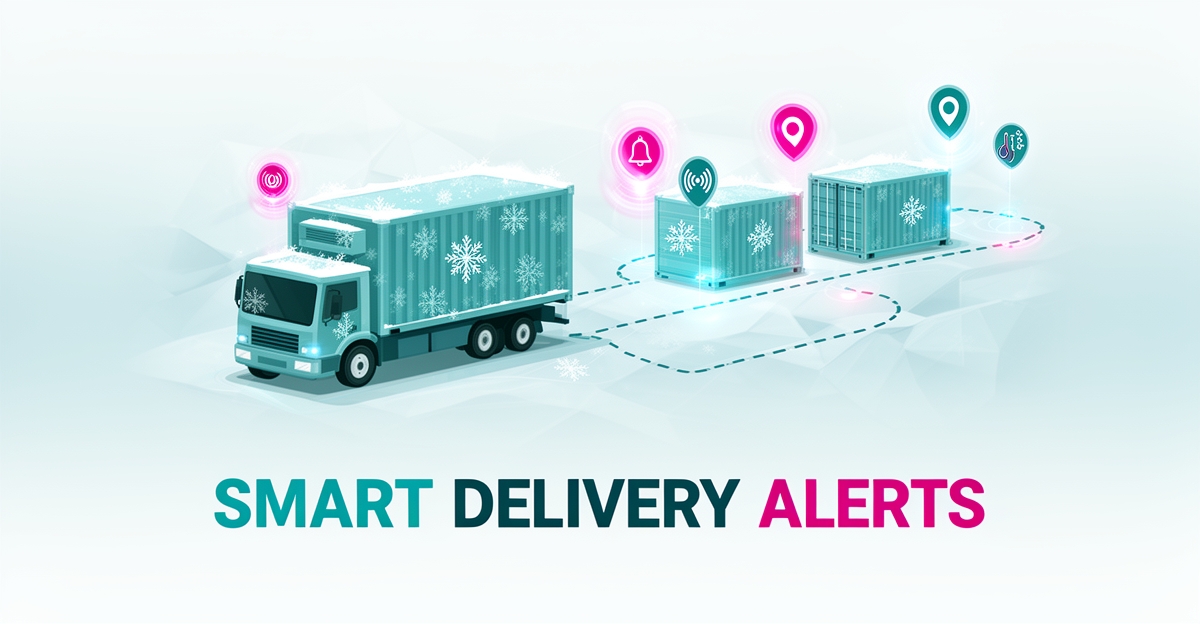
How AI Can Automate Delivery Notifications and Customer Updates in Cold Chain Logistics
Key Facts
- Industry analyses have estimated that a large share of global vaccine doses—figures as high as 50% have been cited—are wasted annually due to cold-chain handling issues according to cold chain research
- DHL Express has reported that its AI engine reduces customer inquiries by roughly 40% through predictive alerts based on industry analysis
- Enterprise AI customer service platforms typically automate a large majority of routine customer interactions, with vendors reporting ranges of 70–95% per support automation analysis
- UPS's ORION system evaluates tens of thousands of possible routes per driver per minute to produce accurate ETAs as reported in logistics AI studies
- CSafe reports a 99.9% container availability guarantee supported by AI-driven operations per their cold chain system reports
- IoT-enabled cold chain monitoring has been credited with substantially reducing temperature-related losses for major pharma operations per industry applications analysis
Hire a team member that works 24/7 — for less than a part-time wage.
AI receptionists, SDRs, dispatchers and 99+ roles. Trained on your business, fully managed.
Not sure where to start? Ask our AI planner
The Communication Gap in Temperature-Sensitive Logistics
Cold chain logistics faces a persistent communication gap where temperature-sensitive shipments suffer from reactive updates, driver-customer disconnects, and costly disputes. Traditional systems often alert stakeholders only after a temperature excursion has occurred, leaving little room for intervention and eroding trust through delayed information. This reactive approach forces customers to initiate inquiries, increasing service burdens while spoilage risks remain unaddressed until it's too late.
The stakes are high. Industry analyses have cited figures as high as 50% of global vaccine doses wasted annually due to cold-chain handling issues, and regional studies have linked pharma cold chain failures to costs in the hundreds of millions each year. These losses are frequently tied to late or absent alerts about temperature deviations, shipment delays, or equipment failures that could have been mitigated with earlier notice. Whatever the precise figure in your operation, the pattern is consistent: when communication lags the shipment, product and trust are both at risk.
The disconnect between drivers and customers compounds these issues. Without real-time visibility, customers lack confidence in shipment status, leading to frequent status checks and support inquiries. DHL Express has reported that its AI engine—which predicts customs delays and weather-related risks—cut customer inquiries by roughly 40% by sending proactive alerts before disruptions occur. This shift from reactive to predictive communication lowers operational strain and builds trust, because for customers, transparency equals trust. When logistics providers share accurate ETAs and proactive condition updates, they transform anxiety into assurance, reducing disputes and strengthening long-term relationships in a sector where product integrity is non-negotiable. AIQ Labs builds these capabilities into connected systems that keep every customer update timely, accurate, and dispute-resistant.
From Reactive Alerts to Predictive Customer Updates
The shift from reactive alerts to predictive customer updates marks a fundamental evolution in cold chain logistics communication. Instead of waiting for problems to surface—like temperature excursions or delays—AI systems now anticipate disruptions using real-time IoT sensor data and external variables such as weather and traffic. This proactive approach allows logistics providers to notify customers of potential issues before shipments are compromised, reducing anxiety and building trust through transparency. DHL Express's AI engine, as industry analysis notes, predicts customs delays and weather-related risks and sends alerts before disruptions occur, reportedly cutting customer inquiries by around 40%.
AI-driven platforms automate the entire customer journey with precision and consistency. Automated ETA updates, powered by dynamic route optimization like UPS's ORION system—which evaluates tens of thousands of possible routes per driver per minute—deliver highly accurate arrival windows that reduce inbound inquiries and enhance the customer experience. When integrated with IoT sensors monitoring temperature, humidity, and shock, these systems trigger autonomous notifications at every critical juncture: pre-emptive warnings of potential risks, real-time status updates, and digital proof of delivery upon arrival. This end-to-end automation ensures customers receive timely, accurate information without relying on manual intervention.
Advanced AI customer service agents further elevate this capability by resolving inquiries autonomously. Enterprise platforms report automating 70–95% of customer interactions—including shipment status checks, rescheduling requests, and basic claims—by integrating directly with CRM and order management systems. These agents operate 24/7, providing instant responses while escalating complex or sensitive issues to human representatives when needed. For cold chain logistics, where product integrity is paramount, this blend of automation and human oversight ensures both efficiency and empathy in customer communications.
- Predictive alerts based on IoT sensor data prevent spoilage by enabling early intervention
- Autonomous AI agents handle the bulk of routine customer interactions, typically 70–95% by vendor reports
- Digital proof of delivery reduces disputes and speeds settlement cycles
By transforming communication from reactive to predictive, AI not only improves operational reliability but also strengthens customer relationships in cold chain logistics. AIQ Labs supports this shift through AI Employees that handle customer communication around the clock and Workflow Builds that rebuild the notification workflow itself—ensuring every customer update is accurate, timely, and trustworthy. This proactive communication model turns logistics transparency into a competitive advantage, where trust is built not on promises, but on verifiable, real-time data.
Operational Intelligence That Powers Accurate Notifications
Accurate delivery notifications start long before the customer sees an update—they begin with the intelligence operating behind the scenes. AI transforms cold chain logistics from a reactive process into a predictive system by continuously analyzing data from IoT sensors, weather feeds, and traffic patterns to anticipate disruptions before they impact shipments. This operational foresight ensures that customer alerts are not just timely, but rooted in real-world conditions that affect product integrity and delivery reliability. DHL Express's AI engine, for example, predicts customs delays and weather-related risks, enabling proactive notifications that have reportedly reduced customer inquiries by around 40%.
At the core of this reliability are three interconnected AI capabilities: demand forecasting, real-time route optimization, and predictive maintenance. Demand forecasting models analyze historical consumption, seasonality, and market trends to ensure the right temperature-sensitive goods are positioned where and when needed—minimizing stockouts and last-minute rushes that compromise communication accuracy. CSafe's AI-driven system anticipates customer demand before it's realized, supporting a reported 99.9% container availability guarantee and preventing delays that would trigger negative alerts. Meanwhile, UPS's ORION system evaluates tens of thousands of possible routes per driver per minute, dynamically adjusting for traffic, weather, and delivery windows to generate highly accurate ETAs that can be shared confidently with customers. This route optimization cuts millions of unnecessary miles annually, directly improving on-time performance and reducing the likelihood of delays that erode trust.
Predictive maintenance further strengthens notification accuracy by using sensor data and AI to forecast equipment failures—such as refrigeration unit degradation—before they cause temperature excursions or breakdowns. By alerting maintenance teams in advance, these systems prevent cold chain breaks that would otherwise result in spoiled goods and unavoidable customer complaints. Together, these operational intelligences create a feedback loop where accurate data fuels precise forecasts, which in turn power reliable, proactive customer updates. AI-powered delivery management software integrates these layers to automate notifications and ETA updates, reducing inbound inquiries and enhancing the customer experience through transparency and consistency.
For businesses seeking to implement such systems, AIQ Labs provides the operational AI foundation—from custom forecasting models to integrated route optimization engines—so customer notifications are not just automated, but accurate, timely, and trustworthy. By aligning backend intelligence with frontend communication, companies turn logistics complexity into a competitive advantage rooted in reliability.
Building an AI Notification System for Cold Chain
A well-architected AI notification system transforms cold chain logistics from a reactive scramble into a proactive operation. The following roadmap provides a practical path from foundational sensors to fully autonomous customer updates.
The first step is deploying IoT sensors across all assets—trucks, containers, and warehouses—to capture real-time data on temperature, humidity, and location. As industry analysis shows, this data layer is critical; major pharma operations have used it to substantially reduce temperature-related losses.
Next, all sensor and operational data must flow into a centralized cloud platform. This breaks down data silos between transport and warehouse systems, creating a single source of truth. This unified view is essential for training accurate AI models, a process that typically requires migrating from legacy systems to a modern data architecture, as noted in a report on logistics AI.
With clean, centralized data, you can deploy machine learning models to predict future events. These models analyze real-time and historical data to forecast potential disruptions, optimize routes, and predict equipment failures before they happen. This predictive capability is what separates advanced systems from basic trackers.
This is where predictive insights become proactive customer communication. You must configure rules that automatically trigger notifications based on specific events.
- Alerts for temperature deviations outside the safe range.
- Updates on revised ETAs due to predicted delays.
- Automated delivery confirmations with digital proof.
- Proactive warnings about potential weather or customs issues.
DHL Express uses an AI engine to send alerts before disruptions occur, a strategy that has reportedly cut customer inquiries by around 40%.
To handle inquiries at scale, deploy an AI customer agent integrated with your data platform. Unlike basic chatbots, these autonomous agents resolve issues end-to-end, from providing shipment status to processing claims. According to an analysis of AI support tools, these platforms can automate 70–95% of customer interactions.
Finally, define clear protocols for escalating complex or sensitive issues from the AI agent to a human expert. This ensures that while routine updates are automated, nuanced problems receive the necessary human judgment. This hybrid approach is central to how AIQ Labs designs its systems, ensuring reliability and maintaining customer trust. Building these human-in-the-loop controls is a non-negotiable step for any production-ready system.
Still paying for 10+ subscriptions that don’t talk to each other?
We build custom AI systems you own outright. No vendor lock-in. Full control.
Not sure where to start? Ask our AI planner
Frequently Asked Questions
How does AI actually reduce customer inquiries in cold chain logistics?
Can AI really prevent spoilage before a temperature excursion occurs?
What's the difference between basic tracking and AI-powered delivery notifications?
Will AI customer agents replace human support for cold chain shipments?
How accurate are AI-generated ETAs for temperature-sensitive deliveries?
Is AI cold chain notification just about communication or does it improve operations too?
From Reactive Alerts to Trusted Partnerships
The evolution from reactive temperature alerts to predictive, autonomous communication represents more than a technology upgrade—it's a fundamental shift in how cold chain logistics builds trust. By layering IoT sensor data with AI-driven route optimization, demand forecasting, and autonomous customer agents, logistics providers can notify customers of potential issues before they become costly failures. The results are measurable: DHL Express has reported cutting customer inquiries by roughly 40% through proactive alerts, while AI customer platforms report automating 70–95% of routine interactions, freeing human teams for high-value exceptions. This operational intelligence doesn't just reduce disputes and spoilage; it transforms transparency into a competitive advantage where every update is verifiable, timely, and rooted in real-world conditions. For businesses ready to close the communication gap in their cold chain, the path forward starts with a clear assessment of current workflows and data readiness. Take the two-minute Fit Check at aiqlabs.ai/apply to identify your highest-ROI automation opportunities, then book a free 30-minute strategy call to map a practical implementation plan—no obligation, just clarity on where AI can deliver real results.
Make AI your competitive advantage — not just another tool.
Strategy, implementation and ongoing optimization. One partner, end to end.
Not sure where to start? Ask our AI planner