How AI Can Cut No-Show Rates in Rideshare Booking Systems
Key Facts
- AI-driven demand forecasting can reach roughly 90% accuracy predicting urban demand an hour ahead, according to industry research
- One Metizsoft case study reported AI-driven forecasting cut passenger wait times by about a third while boosting driver efficiency by roughly 40%
- Predictive analytics that prioritize reliable riders have been credited with cutting passenger no-shows by roughly 22–27% based on ZipDo data
- AI-driven matching has been reported to reduce ride cancellations by around 30% by preventing mismatches per industry research
- Dynamic pricing adjustments every few minutes have been linked to higher platform revenue per ride according to industry studies
- Operators report improved order completion rates soon after implementing AI booking automation per industry reporting
Hire a team member that works 24/7 — for less than a part-time wage.
AI receptionists, SDRs, dispatchers and 99+ roles. Trained on your business, fully managed.
Not sure where to start? Ask our AI planner
The Hidden Cost of No-Shows: Why Riders Cancel and Drivers Lose Income
Every empty seat represents a broken promise between a rider's intent and a driver's time. When a passenger cancels after a driver has already committed minutes and miles, the revenue vanishes but the operational cost remains. This friction doesn't just frustrate dispatchers — it erodes the unit economics that keep fleets sustainable.
Long wait times are the primary catalyst. Riders abandon bookings when ETAs stretch past five minutes, a threshold AI systems now help operators stay under. According to industry research, AI-driven matching can cut passenger wait times by roughly 20–25% by placing nearby drivers before requests even arrive. Mismatched expectations compound the problem: a rider books a sedan but gets an SUV, or a driver accepts a short trip hoping for an airport run. These disconnects are a major driver of the cancellations studies attribute to poor matching logic.
- Unreliable rider histories go unchecked, letting chronic no-shows clog the queue
- Static pricing fails to balance supply during micro-demand spikes
- Drivers cluster in wrong zones, leaving high-need areas exposed
- Fraudulent bookings — fake accounts, chargeback schemes — waste fleet capacity
AI changes this calculus by scoring cancellation risk before a trip is confirmed. Platforms that prioritize reliable riders have reported a drop in passenger no-shows of roughly 22–27%, per predictive modeling data. At AIQ Labs, we embed these models into booking automation — syncing with fleet calendars, sending contextual reminders, and adjusting incentives in real time — turning reactive dispatch into a proactive revenue engine. The result isn't just fewer empty seats. It's a system that learns which trips will complete before the engine even starts.
How AI Predicts and Prevents No-Shows Before They Happen
Imagine a rider opening your app, seeing a driver already two minutes away, and never feeling the urge to cancel. That is the operational reality AI creates when it shifts booking systems from reactive to predictive.
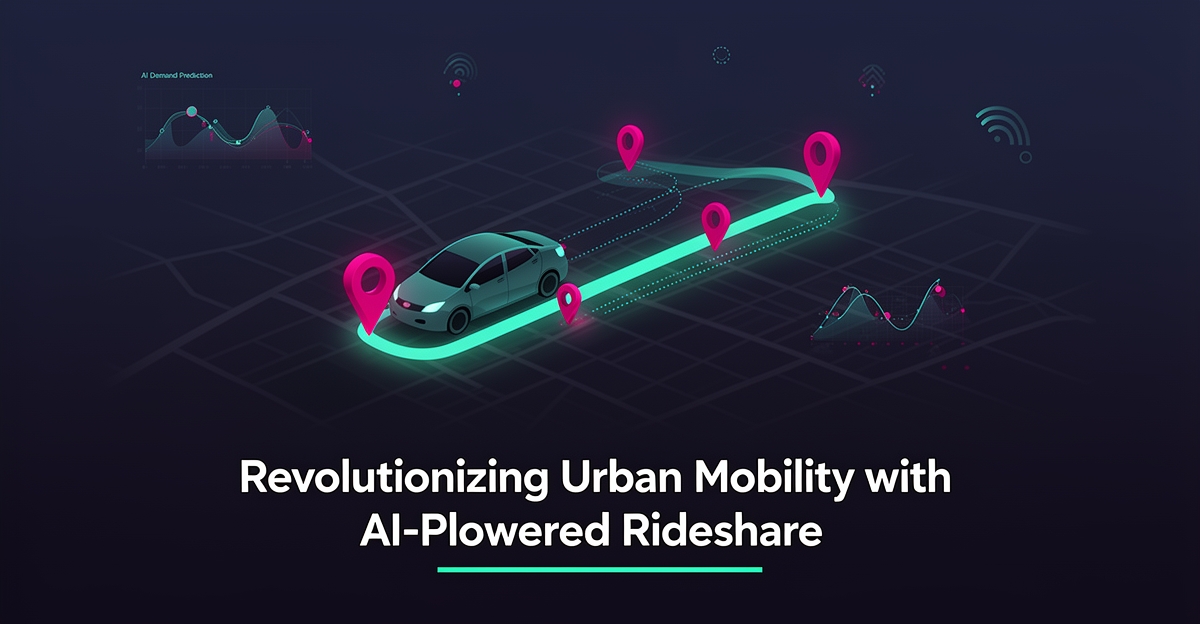
The foundation is proactive demand forecasting. Unlike traditional systems that wait for requests to pile up, AI analyzes many data streams — including weather, local events, and traffic patterns — to predict where demand will materialize 30–60 minutes in advance. According to industry research, these models can reach roughly 90% accuracy predicting urban demand one hour ahead. This foresight allows operators to pre-position drivers in emerging hotspots, ensuring supply meets demand before riders even open the app.
Pre-positioning directly attacks the root cause of no-shows: wait-time anxiety. A Metizsoft case study reported that AI-driven forecasting reduced wait times by about 34% while boosting driver efficiency by roughly 41%. When a rider sees a car approaching immediately, the temptation to abandon the booking disappears.
Intelligent matching adds a second layer of prevention. AI evaluates rider reliability history, driver acceptance patterns, and trip compatibility to prioritize bookings likely to complete. By filtering for reliable riders and preventing mismatches, platforms have reported meaningful reductions in passenger no-shows and cancellations, according to ZipDo data.
Dynamic pricing completes the trifecta. AI adjusts fares every few minutes based on real-time supply, demand, and predicted cancellation risk. This rapid rebalancing incentivizes drivers to move toward high-demand zones, stabilizing availability and preventing the price shock that often triggers booking abandonment.
Key mechanisms work in concert:
- Predictive analytics forecast demand spikes 30–60 minutes early
- Risk-scoring algorithms prioritize riders with reliable completion histories
- Dynamic incentives guide drivers to underserved zones before requests arrive
- NLP booking assistants confirm details and send context-aware updates
Implementing this requires deep integration with fleet calendars and historical booking data. AIQ Labs rebuilds the booking workflow that costs you the most through AI Workflow Builds — fixed price, delivered in phases — unifying these predictive models with your existing operations so drivers are positioned correctly and riders receive proactive communication. The result is a self-optimizing ecosystem where no-shows become the exception rather than the rule.
From Prediction to Action: Implementing AI-Powered Reminders and Workflow Automation
AI-powered booking assistants transform how riders interact with rideshare platforms, turning static bookings into dynamic, responsive experiences. By using natural language processing, these systems interpret complex requests like "I need a ride to the airport in 2 hours" and automatically confirm details, reducing friction that often leads to abandoned bookings. This streamlined entry point increases the likelihood that a booking will proceed to completion rather than being dropped mid-process. Industry reporting suggests AI-driven booking automation improves order completion rates soon after implementation.
Context-aware notifications take personalization further by analyzing real-time variables such as traffic, weather, and local events to adjust reminder timing and content. If a rider books a trip for a future time, AI can detect shifting conditions — like an unexpected road closure or surge in demand — and send proactive updates or revised ETAs, ensuring the rider is ready when the driver arrives. This reduces the chance of a no-show caused by misaligned expectations or delays. Research suggests that AI-powered reminders, when tied to predictive dispatch, can meaningfully cut passenger no-shows by prioritizing reliable riders and optimizing scheduling.
Continuous learning loops ensure the system evolves with every interaction. Each ride request, cancellation, weather shift, or traffic anomaly feeds back into the machine learning models, refining demand forecasts and matching accuracy over time. This iterative improvement means the AI becomes better at predicting not just where demand will form, but which riders are most likely to show up and which drivers are best positioned to serve them. Over time, this leads to higher fleet utilization and fewer wasted trips. AIQ Labs supports this end-to-end process through AI Workflow Builds for the booking pipeline itself and AI Employees — managed AI dispatchers and booking agents that run at a fraction of the cost of a human hire — helping rideshare operators shift from reactive dispatch to intelligent, self-improving workflows. The result is a booking system that doesn't just respond to behavior — it anticipates and shapes it for greater reliability and revenue.
Still paying for 10+ subscriptions that don’t talk to each other?
We build custom AI systems you own outright. No vendor lock-in. Full control.
Not sure where to start? Ask our AI planner
Frequently Asked Questions
Why do riders no-show or cancel rideshare bookings?
Can AI actually predict demand before riders request a trip?
How much can AI reduce passenger no-shows?
Will AI reminders annoy customers and cause more cancellations?
Does AI matching just mean closer drivers?
How fast does AI adjust pricing to keep drivers available?
Turn Empty Seats into Predictable Revenue
AI transforms rideshare booking from a reactive guessing game into a proactive revenue engine by predicting demand, prioritizing reliable riders, and optimizing driver positioning before a trip is even requested. Industry research links these systems to fewer passenger no-shows and reduced cancellations through intelligent matching, dynamic pricing, and context-aware reminders — directly boosting fleet utilization and driver earnings. For operators ready to move beyond guesswork, the path forward starts with understanding where AI delivers the highest impact in your specific workflow. Take AIQ Labs' free 2-minute Fit Check to map your biggest bottleneck, then book a free 30-minute strategy call to uncover high-ROI automation opportunities — because the most profitable rides are the ones that actually happen.
Make AI your competitive advantage — not just another tool.
Strategy, implementation and ongoing optimization. One partner, end to end.
Not sure where to start? Ask our AI planner