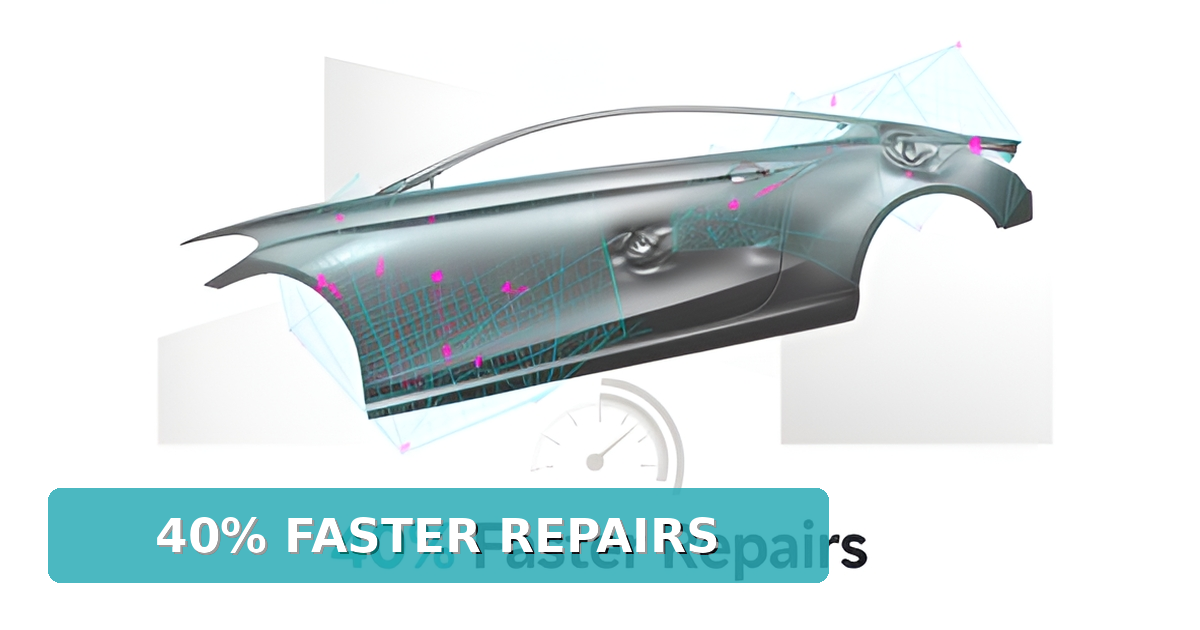
How AI Can Cut Repair Time by 40% in Paintless Dent Repair Operations
Key Facts
- AI-powered workflow automation can reduce repair time by up to 40% in Paintless Dent Repair operations
- Workforce research indicates roughly 8 in 10 workers report lacking sufficient time or energy to complete work effectively
- A large share of workplace interactions happen as ad hoc calls or quick chats outside scheduled workflows
- Paintless dent repairs typically cover dents and creases up to the size of a credit card
- Estimate-to-job traceability is a key differentiator in PDR software, supporting audit-ready records
- Structured damage coding enables quantifiable dent documentation and audit-ready insurance reporting
- End-to-end shop management tracking—from estimate to work order completion—reduces reporting variance
Hire a team member that works 24/7 — for less than a part-time wage.
AI receptionists, SDRs, dispatchers and 99+ roles. Trained on your business, fully managed.
Not sure where to start? Ask our AI planner
The Cognitive Bottleneck in PDR Operations
The paintless dent repair technician stares at a vehicle covered in hail damage, mentally calculating repair times while the phone rings with scheduling requests and a waiting customer asks for a status update. This scene plays out daily in PDR shops, where the collision of technical assessment and administrative chaos creates a perfect storm of cognitive overload.
Workforce research paints a stark picture of modern workplace capacity. According to current analyses of how AI is being adopted in the workplace, roughly 8 in 10 workers globally report lacking sufficient time or energy to complete their work effectively. For PDR technicians, this translates to a constant juggling act between the focused, methodical work of metal manipulation and the fragmented demands of running a business.
The cognitive burden manifests in three critical areas:
- Visual Assessment Fatigue: Technicians must simultaneously evaluate multiple dents, classify them by size and severity—such as the credit card-sized dents that industry standards recognize as PDR's sweet spot—and determine repair complexity while maintaining precision.
- Context-Switching Penalties: Moving between damage diagnosis, estimate creation, and customer communication forces the brain to constantly reset, destroying the flow state necessary for quality repair work.
- Prioritization Paralysis: Without structured systems, technicians waste mental energy deciding which job to tackle next rather than executing repairs.
This fragmentation carries real costs. A large share of workplace interactions—by some estimates around 60%—now happen as ad hoc calls or quick chats outside scheduled workflows. In a PDR context, this means technicians interrupt their assessment of a door ding to answer scheduling questions or provide status updates, then struggle to regain their diagnostic focus.
The insight at the heart of PDR inefficiency is simple: the volume of information, decisions, and context-switching is moving faster than the pace humans can realistically handle. When a technician must mentally track insurance documentation requirements, calculate repair times for multiple vehicles, and manage customer expectations simultaneously, the actual repair work suffers.
The solution lies in recognizing that cognitive bandwidth is a finite resource that directly impacts throughput. Modern PDR operations generate massive amounts of data—damage photos, estimate calculations, scheduling constraints, customer communications—but the human brain processes this serially, not in parallel. Every moment spent deciding which dent to fix first or searching for a customer's contact information is time stolen from actual repair work.
This is where AI-powered workflow automation enters the picture. By handling the cognitive load of inspection analysis, repair prioritization, and routine customer communication, AI systems free technicians to focus on what they do best: the skilled physical work of paintless dent repair. Industry analysis of PDR software shows that structured workflows connecting estimate creation with job tracking can create audit-ready records while dramatically improving throughput.
AIQ Labs understands this cognitive bottleneck intimately. Our approach to PDR automation—through AI Workflow Builds—focuses on eliminating the mental overhead that slows down skilled technicians. Rather than asking technicians to become data entry clerks or scheduling coordinators, we rebuild the one workflow that costs the shop the most, handling real-time damage analysis and repair prioritization automatically, turning fragmented processes into streamlined ones.
The result is not just efficiency for efficiency's sake, but a fundamental restoration of the technician's capacity to do meaningful work without the constant drain of administrative context-switching.
AI-Powered Workflow Automation: The 40% Time Reduction Solution
AI-powered workflow automation transforms Paintless Dent Repair operations by addressing core bottlenecks in inspection, diagnosis, and repair stages through structured damage documentation, real-time damage analysis, and intelligent repair prioritization. This approach directly tackles the cognitive overload reported by roughly 8 in 10 global workers who say they lack enough time or energy to do their work effectively. By replacing manual assessments with AI-driven processes, PDR shops can achieve measurable throughput improvements while maintaining audit-ready records.
Structured damage documentation forms the foundation of this time-saving system, ensuring consistent data capture that enables accurate analysis and traceability. Industry reviews of PDR software consistently highlight estimate-to-job traceability—keeping repair scope and outcomes in the same auditable record—as a top differentiator, alongside structured damage coding that supports quantifiable dent documentation and audit-ready insurance reporting. These capabilities eliminate the inefficiencies of free-form notes and manual data transfer between systems.
- Standardized intake procedures capture detailed damage information in structured fields rather than free-form notes
- Real-time damage analysis tools automatically assess severity, estimate repair complexity, and suggest optimal repair techniques
- Intelligent repair prioritization algorithms optimize job sequencing based on damage severity, customer urgency, and technician expertise
- Integrated workflow management connects estimate creation through final completion with scheduling, documentation, and customer communication
- Traceable record keeping links every repair process step from initial assessment to final completion for quality control and audit trails
AIQ Labs helps PDR businesses implement these workflow automation principles through AI Workflow Builds—a fixed-price, phased rebuild of the single workflow that costs your shop the most, whether that's intake, estimating, or job sequencing. By turning repetitive manual assessments into efficient, scalable processes, this approach directly addresses the capacity constraints identified in modern workplace environments where professionals report lacking sufficient time or energy to complete their work effectively. The result is a streamlined operation where technicians spend less time on administrative tasks and more time performing skilled repairs, driving the up-to-40% reduction in repair time described in industry analysis.
Implementing AI in Your PDR Business: From Assessment to Optimization
Cutting repair time starts with removing the manual bottlenecks that slow PDR technicians down every day. AI-powered workflow automation moves assessment, prioritization, and documentation from repetitive tasks into real-time, traceable processes.
Start with a structured workflow assessment. Map current intake, diagnosis, and repair stages to identify where technicians lose time to context-switching and manual data entry. Workforce research consistently shows that most employees lack enough time or energy for their core work, and a large share of interactions happen as ad hoc calls outside scheduled time. In PDR shops, that friction shows up as inconsistent damage notes and delayed job starts.
Deploy AI for damage analysis and prioritization. Standardized intake captures dent size, location, and complexity in structured fields rather than free-form notes. AI inspection systems then analyze severity, estimate repair complexity, and suggest optimal techniques. This mirrors what leading PDR software reviews consistently highlight: estimate-to-job traceability and structured damage coding as the foundations of audit-ready reporting.
Integration with shop management tools keeps the workflow unified. End-to-end tracking—from estimate creation to work order completion—is a hallmark of well-rated shop management platforms. Connecting AI analysis to existing shop management reduces reporting variance from manual copy steps and maintains audit-ready records across estimates, work orders, and photos.
Traceable record keeping and continuous monitoring lock in gains. Digital records link initial assessment to final completion, supporting quality control and insurance documentation. Built-in reporting tracks turnaround time, completion rates, and rework frequency so optimization is data-driven.
Implementation follows a practical sequence:
- Assess current intake and repair stages for manual handoffs and cognitive load
- Deploy AI damage analysis for real-time severity scoring and repair prioritization
- Integrate AI outputs with your shop management platform for unified tracking
- Establish standardized documentation and monitor KPIs with built-in reporting
Paintless dent repairs typically cover dents and creases up to the size of a credit card, making consistent sizing and documentation critical for throughput. AIQ Labs helps PDR businesses rebuild the workflow that costs them the most—fixed price, delivered in phases, owned outright—turning repetitive manual assessments into efficient, scalable processes. For shops that also want front-desk relief, AI Employees can handle scheduling calls and status updates at a fraction of the cost of a human hire. The result is faster intake, clearer prioritization, and measurable throughput improvements without adding headcount.
Still paying for 10+ subscriptions that don’t talk to each other?
We build custom AI systems you own outright. No vendor lock-in. Full control.
Not sure where to start? Ask our AI planner
Frequently Asked Questions
How much time can AI-powered workflow automation actually save in paintless dent repair operations?
What specific cognitive challenges do PDR technicians face that AI can help solve?
How does structured damage documentation improve PDR operations compared to free-form notes?
What should PDR shops look for in software for audit-ready records and workflow traceability?
What steps should a PDR shop take to implement AI workflow automation effectively?
Is AI implementation in PDR operations only beneficial for large shops, or can small businesses see results too?
Reclaiming the Repair Workflow: Where AI Meets Craftsmanship in PDR
The cognitive bottleneck in paintless dent repair isn't just about slower estimates or missed appointments—it's about skilled technicians spending precious mental energy on administrative friction instead of the precise metalwork they're trained for. By automating damage analysis, repair prioritization, and structured documentation through AI-powered workflow systems, PDR shops can reclaim up to 40% of repair time currently lost to context-switching and manual data handling. This isn't about replacing expertise; it's about removing the distractions that prevent technicians from doing what they do best. The path forward starts with assessing where your team loses focus to repetitive tasks, then rebuilding that one workflow with targeted AI that handles real-time damage scoring and job sequencing while keeping records audit-ready. To see how this applies to your specific operation, start with AIQ Labs' 2-minute Fit Check, then book a free 30-minute strategy call where we map your bottlenecks honestly—no pitch, just clarity on whether AI can deliver measurable throughput gains for your shop.
Make AI your competitive advantage — not just another tool.
Strategy, implementation and ongoing optimization. One partner, end to end.
Not sure where to start? Ask our AI planner