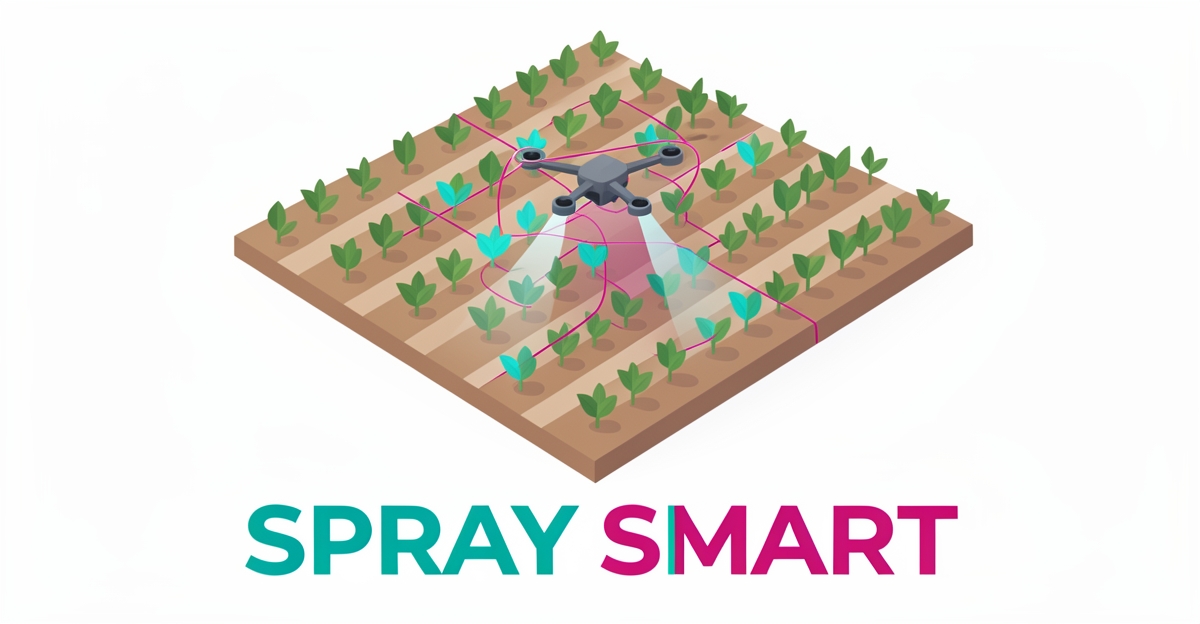
How AI Can Cut Your Pesticide Delivery Costs by 30% Without Reducing Coverage
Key Facts
- AI-based spot treatment is widely reported to reduce pesticide use by up to 30% while maintaining or improving yields according to WiccaGrow
- Predictive pest and disease modeling is reported to cut pesticide spend by 25 to 40% compared with reactive blanket treatments per Omdena analysis
- AI spray drones have the potential to cut pesticide delivery costs by 30% without reducing coverage as reported by MSOEN
- Plant-by-Plant™ AI technology has achieved up to 95% reduction in chemical volume in treated areas per sustainability coverage
- Reactive treatment with broad-spectrum pesticides is reported to carry a 30-50% cost premium compared to targeted approaches per Omdena research
- AI prescription maps have reduced fertilizer spend by 10 to 25% in commercial deployments per agribusiness cost reduction research
- AI-powered systems can achieve over 90% accuracy in pest detection and weed classification on large farms per edge-based pest monitoring reports
Hire a team member that works 24/7 — for less than a part-time wage.
AI receptionists, SDRs, dispatchers and 99+ roles. Trained on your business, fully managed.
Not sure where to start? Ask our AI planner
The Hidden Cost of Blanket Spraying in Modern Agriculture
For decades, the standard approach to crop protection has been simple: treat every acre the same, every time. This "blanket spraying" mindset made sense when chemicals were cheap and labor was abundant, but today it acts as a silent profit drain. Research from Omdena suggests that reactive treatment with broad-spectrum pesticides carries a 30-50% cost premium compared to targeted approaches, a penalty paid on every pass through the field.
The waste compounds across three dimensions. First, over-application drenches zones that don't need treatment, with WiccaGrow reporting that AI-based spot treatment can reduce pesticide use by up to 30% while maintaining or improving yields. Second, rigid calendar-based timing ignores real-time pest pressure, leading to applications that miss the economic threshold entirely. Third, inefficient routing creates overlap and gaps, burning fuel and operator hours without adding coverage.
- Chemical overuse in low-pressure zones
- Mistimed applications that miss pest thresholds
- Redundant routing wasting fuel and labor
- Regulatory risk from runoff and residue limits
The financial impact is significant. Fertilizer and pesticide costs can consume 33–44% of operating budgets for mid-sized agribusinesses, and the Omdena analysis notes that most operations do not have a price problem—they have an application problem. When you apply more than the field needs at the wrong time and in the wrong zone, you aren't buying protection; you're buying waste. AIQ Labs sees this pattern across industries: the bottleneck is rarely the cost of inputs, but the intelligence governing their deployment.
Shifting from uniform to variable-rate application changes the economics fundamentally. Instead of writing one massive check for the whole field, precision systems write thousands of tiny, precise checks only where the problem exists. This is where custom workflow automation becomes the force multiplier—connecting sensor data, predictive models, and equipment control into a closed loop that adjusts dosage, timing, and routing in real time. The technology to cut delivery costs by roughly 30% without reducing coverage isn't theoretical; it's a balance-sheet requirement for sustainable operations.
How AI Precision Spraying Reduces Waste Through Real-Time Field Intelligence
Pest pressure is no longer invisible. AI-powered systems turn every pass through the field into a real-time diagnosis, replacing guesswork with plant-level decisions.
Multispectral cameras, drone imagery, satellite data and tractor-mounted sensors feed computer vision models that identify pest damage, weed morphology and leaf discoloration faster than human scouting. Precision agriculture analysis shows this integration enables a shift from blanket spraying to spot treatment, applying chemicals only where risk is confirmed.
Actionable data maps combine pest pressure, soil moisture, crop growth stages and historical yield data to guide the machine. WiccaGrow research notes these maps are the bridge between AI insight and reduced farming costs, allowing operators to optimize routes, reduce overlap and adjust dosage and timing in real time.
Edge computing closes the loop in the field. AI and edge computing transform pest management by processing data instantly at the source, reducing latency dramatically and enabling faster decisions without constant connectivity. Edge-based pest monitoring reports AI-powered systems can achieve over 90% accuracy in pest detection and weed classification on large farms.
Plant-by-Plant™ AI technology uses advanced computer vision and machine learning to distinguish weeds from crops in milliseconds, allowing targeted treatment. Sustainability coverage of precision spraying documents up to 95% reduction in chemical volume in treated areas with this approach.
The economic case is measurable. AI-based spot treatment can reduce pesticide use by up to 30% while maintaining or improving yields. 2026 precision agriculture reporting ties returns to decreased chemical purchases, lower fuel consumption and reduced labor hours.
Autonomous spray drones amplify the benefit. MSOEN analysis of next-gen spray drones states AI drones have the potential to cut pesticide delivery costs by 30% without reducing coverage, transforming crop protection. The same analysis cites reported reductions in pesticide use and yield gains from autonomous deployments.
Real-time field intelligence changes how operations run:
- Multispectral and LiDAR mapping builds pest-pressure heat maps before sprayers move
- Computer vision identifies individual plants needing treatment in real time
- Edge processors trigger plant-level spot treatment and adjust nozzle output instantly
- Route optimization eliminates redundant passes and overlap across variable zones
Predictive modeling further reduces waste. Agribusiness cost reduction research finds predictive pest and disease modeling cuts pesticide spend by 25 to 40% compared with reactive blanket treatments.
This is workflow automation applied to the field. AIQ Labs enables this transformation through custom workflow builds that optimize route planning and application frequency using real-time field data, saving time and reducing chemical waste. The result is revenue protection through lower input costs, reduced crop stress and access to premium buyers and green certifications.
From Data Maps to Dollars Saved: The Economic Mechanics of AI-Optimized Application
The economic impact of AI-optimized pesticide application extends far beyond reduced chemical use. By creating dynamic prescription maps that guide precise spraying, AI directly translates field-level efficiency into measurable financial savings across multiple cost centers. This shift from reactive, blanket treatments to data-driven application represents a fundamental change in how agribusinesses manage input expenses.
AI prescription maps have demonstrated the ability to reduce fertilizer spend by 10 to 25% in commercial deployments, while predictive pest and disease modeling is reported to cut pesticide spend by 25 to 40% compared with reactive blanket treatments. These reductions occur not through lower application rates alone, but by eliminating over-application in zones where pests or nutrient deficiencies are absent—addressing what researchers identify as the core issue: applying more than the field needs at the wrong time and in the wrong zone. For operations where fertilizer and pesticide costs can consume 33–44% of operating budgets, even modest efficiency gains compound into substantial bottom-line improvements.
The financial mechanics work through three interconnected channels. First, chemical volume drops significantly—up to 95% in treated zones when AI distinguishes target weeds from crops using plant-by-plant precision—directly lowering purchase expenses. Second, optimized routing minimizes overlap and idle travel, reducing fuel consumption by avoiding unnecessary passes across already-treated areas. Third, automated application frequency based on real-time risk data decreases labor hours tied to manual scouting and reactive spraying schedules. Together, these factors create an ROI framework where savings accumulate from reduced input costs, lower operational overhead, and improved timing efficacy—all while maintaining or enhancing crop coverage and yield potential. AIQ Labs enables this transformation through AI Workflow Builds that integrate real-time field data with application equipment, turning AI insights into actionable, cost-saving field operations.
How AIQ Labs Delivers Custom Workflow Automation for Pesticide Delivery Optimization
Pesticide delivery is no longer a fixed cost. Real-time field intelligence is turning route planning and application frequency into a variable that can be optimized for coverage and chemical efficiency.
AIQ Labs builds owned, integrated workflow automation that connects sensor data to spray decisions without vendor lock-in. These are multi-agent systems with real-time sensor integration, so route planning and application frequency update automatically as field conditions change. With 200+ multi-agent systems deployed, AIQ Labs knows what it takes to keep field data and equipment decisions in sync.
Precision agriculture is already shifting from blanket spraying to plant-level spot treatment. Industry research shows AI-based spot treatment can reduce pesticide use by up to 30% while maintaining or improving yields. Actionable data maps that integrate pest pressure, soil moisture, crop growth stages and historical yield data allow routes to be optimized and overlap reduced in real time.
Autonomous systems amplify those gains. Analysis of next-gen spray drones notes AI drones have the potential to cut pesticide delivery costs by 30% without reducing coverage, transforming the way crops are protected.
The economics come from application accuracy, not price cuts. Agribusiness analysis finds predictive pest and disease modeling cuts pesticide spend by 25 to 40% compared with reactive blanket treatments. Most operations do not have a price problem, they have an application problem: applying more than the field needs at the wrong time and in the wrong zone.
Custom workflow automation replaces that problem with a closed loop:
- Real-time sensor fusion from multispectral cameras, drone imagery, satellite data and tractor-mounted sensors feeds computer vision models that identify pest damage and weed morphology faster than human observation.
- Multi-agent orchestration reasons over pest maps, soil moisture and growth stage to generate dynamic spray routes and dosage prescriptions per zone.
- Edge processing reduces latency to immediate decisions, enabling application frequency to be adjusted before peak demand and runoff risk increases.
- Owned integration with CRM, fleet management and farm operations tools creates a single source of truth and eliminates manual data entry.
This is workflow and task automation applied to field operations. Instead of subscribing to point solutions, businesses receive a production-ready system they own and control, with true ownership of code, agents and data.
The result is fewer passes, less chemical waste and consistent coverage. AIQ Labs delivers these systems through AI Workflow Builds—rebuilding the one workflow that costs you the most, at a fixed price, in phases. When you're ready to connect everything—field data, dispatch, finance, and operations—an AI Operating System adds one connected layer across the business, built in phases and owned outright. And if scheduling, dispatching, or back-office coordination is eating your team's time, AI Employees handle those roles at roughly 80% less cost than a human hire.
Still paying for 10+ subscriptions that don’t talk to each other?
We build custom AI systems you own outright. No vendor lock-in. Full control.
Not sure where to start? Ask our AI planner
Frequently Asked Questions
Can AI actually cut my pesticide delivery costs without leaving parts of the field unprotected?
How much pesticide use can I realistically reduce with AI?
What data does AI use to decide where and when to spray?
Will I save money on things besides chemicals?
Is AI precision spraying only for high-value crops?
How does AIQ Labs implement this for my operation?
From Blanket Spraying to Balance-Sheet Intelligence
Blanket spraying was built for a different era. Today it drains margins through over-application in low-pressure zones, mistimed treatments that miss economic thresholds, and redundant routing that burns fuel and labor. AI changes the equation by turning every pass into real-time diagnosis — multispectral mapping, computer vision, and edge processing identify individual plants that need treatment and adjust dosage, timing, and route instantly. The result is plant-level spot treatment instead of field-wide checks, cutting pesticide use by up to 30% while maintaining or improving yields and protecting revenue through better timing and coverage. For agribusinesses where inputs can consume 33–44% of operating budgets, that efficiency compounds across chemicals, fuel, and labor. AIQ Labs helps operations capture this shift with custom workflow automation that connects sensor data, predictive models, and equipment control into an owned closed loop. Ready to see where the waste is hiding in your operation? Take the 2-minute Fit Check at https://aiqlabs.ai/apply, then book a free 30-minute strategy call to map your highest-ROI automation opportunities — no pitch, just clarity.
Make AI your competitive advantage — not just another tool.
Strategy, implementation and ongoing optimization. One partner, end to end.
Not sure where to start? Ask our AI planner