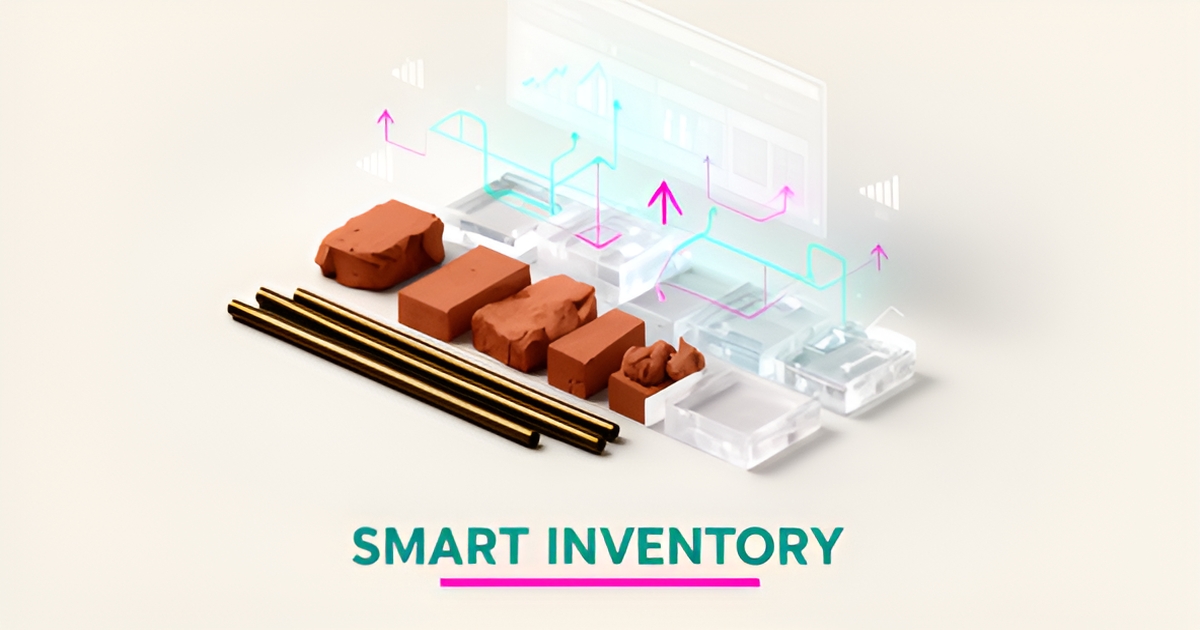
How AI Can Help Sculpture Studios Manage Material Inventory and Costs
Key Facts
- Manual inventory management creates phantom availability, prevents accurate forecasting, and triggers costly rush orders.
- AI inventory systems typically track material draw rates against active projects and adjust reorder points automatically as scopes shift.
- AI adoption has grown across industries as of late 2026, with businesses using it to reduce operational inefficiencies in the back office.
- Most AI deployments augment human decision-making rather than replace it—studio managers stay in control while gaining real-time visibility.
- AIQ Labs has deployed 200+ multi-agent systems and runs 4 live SaaS products daily, building systems studios own outright.
Hire a team member that works 24/7 — for less than a part-time wage.
AI receptionists, SDRs, dispatchers and 99+ roles. Trained on your business, fully managed.
Not sure where to start? Ask our AI planner
The Hidden Cost of Manual Material Management in Sculpture Studios
Manual counts and paper logs still run many sculpture studios, and the cost shows up in the finished work. Materials sit unused while a project stalls, then disappear right when a commission needs them. That friction is not just inconvenience — it is measurable waste that compounds with every production cycle.
Tracking clay, bronze, stone, and specialty resins by hand creates blind spots. Staff spend hours reconciling bins, chasing receipts, and estimating what is left. As of late 2026, businesses across industries are adopting AI specifically to cut these kinds of operational inefficiencies — and creative operations are no exception.
The pattern repeats across creative operations. Shortages force last-minute purchases at premium prices, while overbuying ties cash in slow-moving stock. Unexpected gaps delay installations and erode client trust. Manual material management turns variability into budget overruns that artists feel at the end of each quarter.
Work is shifting toward augmentation rather than wholesale replacement. Most AI usage today helps professionals make better decisions instead of taking decisions away from them. That aligns with studio needs: keep the artist in control and add real-time visibility to the back office.
In a studio context, that means routine tracking and forecasting can be supported without removing creative decision-making. The system watches the numbers; the studio manager and artists make the calls.
Manual systems typically fail in three predictable ways:
- Inventory drift between physical stock and recorded stock leads to phantom availability.
- No consumption history prevents accurate forecasting for recurring projects.
- Late shortage alerts trigger rush orders, higher unit costs, and project delays.
AI systems address this by tracking material usage, predicting consumption, and flagging shortages before they interrupt work. AIQ Labs builds custom AI systems that integrate with studio inventories, offering full ownership and real-time visibility rather than subscription lock-in. For studios with one workflow that bleeds the most money — usually ordering and reconciliation — a targeted AI Workflow Build is often the fastest place to start.
When usage is logged automatically and linked to projects, studios see true cost per piece and can price commissions with confidence. Predictive visibility replaces reactive buying, reducing waste and freeing cash for materials that matter.
How AI Tracks Usage and Predicts Consumption in Real Time
Sculpture studios operate on razor-thin margins where a single delayed shipment or over-ordered pallet of bronze can derail an entire project timeline. Traditional spreadsheets and manual counts simply cannot keep pace with the variable consumption rates of clay, resins, armature steel, and patina chemicals across concurrent commissions.
AI-powered inventory forecasting changes that equation by ingesting historical usage patterns, project schedules, and even seasonal demand shifts to build a living consumption model. The system learns each studio's unique rhythm — how a large public monument consumes welding rod differently than a series of tabletop bronzes — and adjusts reorder points in real time as project scopes shift. Studios that adopt this approach typically see fewer stockouts and less excess inventory, which directly improves cash flow through optimized ordering.
- Continuous analysis of material draw rates tied to active project milestones
- Automated reorder triggers that account for supplier lead times and volume discounts
- Waste reduction alerts when off-cut patterns suggest design or nesting inefficiencies
- Multi-location visibility for studios running satellite fabrication shops
This approach reflects the broader pattern of AI as augmentation — helping professionals make better decisions rather than replacing them. For sculpture studios, that means the studio manager remains the decision-maker, now armed with predictive intelligence instead of reactive guesswork.
AIQ Labs builds these forecasting systems as owned assets, not rented subscriptions, integrating directly with existing accounting and project management tools so material costs flow automatically into job costing and client invoices. The result is a single source of truth that turns inventory from a recurring headache into a strategic advantage.
Integrating AI with Studio Workflows: From Procurement to Project Completion
Many studios invest in AI tools only to find they operate in isolation, creating more administrative work instead of less. True efficiency emerges when artificial intelligence connects directly with your existing accounting software and project management systems, creating a single source of truth from procurement through project completion.
For sculpture studios, this means implementing systems that track material consumption against specific commissions while automatically updating financial records. When your inventory management communicates directly with accounting platforms, you gain end-to-end visibility into project costs without manual data entry.
Effective integration typically involves several connected workflows:
- Automated purchase order generation when clay, stone, or metal supplies reach predetermined thresholds
- Real-time synchronization between inventory usage and project management timelines
- Instant cost allocation updates in accounting software as materials move from storage to studio floor
- Centralized dashboards displaying material expenditures alongside project profitability metrics
AIQ Labs specializes in building these custom integrated systems that studios own outright, eliminating vendor lock-in while ensuring the technology adapts to your specific workflows. Rather than forcing your team to juggle disconnected subscription tools, a unified AI Operating System connects procurement, inventory tracking, and financial reporting into one cohesive operational layer — built in phases and owned outright. This approach transforms raw material data into actionable business intelligence, ensuring every sculpture project maintains profitability from initial material purchase through final installation.
Measuring ROI: Waste Reduction, Cost Control, and Scalable Operations
Material waste is the silent margin killer in sculpture studios, where clay, bronze, stone and specialty resins sit between cash out and finished work. When usage is tracked manually, over-ordering and last-minute shortages become the norm, and staff time disappears into spreadsheets.
AI changes the math by turning inventory into a live financial signal. Systems that monitor material usage, predict consumption and flag shortages prevent the double cost of waste and downtime. That visibility is what makes ROI measurable, not theoretical.
Financial impact shows up first in reduced material waste. Predictive models analyze historical usage patterns, seasonality and trend detection to improve ordering accuracy. Studios using AI forecasting typically report less excess inventory and fewer stockouts because reorder points adjust automatically to real consumption.
Cost control compounds when ordering becomes optimized. Optimized ordering frees cash flow by reducing tied-up capital in slow-moving stock and avoiding rush freight premiums. The same logic applies to financial operations: automated invoice and purchase-order handling typically cuts processing time dramatically and speeds up month-end close, freeing administrative staff to support production instead of paperwork.
Staff time is the third lever. In AI-enabled studios, manual counts, purchase reconciliations and invoice chasing shrink dramatically, reclaiming hours that go back into production and client work.
The ROI picture for a sculpture studio typically includes:
- Lower material waste from consumption-based forecasting and shortage alerts
- Reduced carrying costs and emergency orders through optimized ordering
- Reclaimed staff hours previously spent on manual inventory tracking and reconciliations
- Faster financial close and clearer cost-per-project visibility
AIQ Labs builds custom AI systems that integrate with studio inventories to provide full ownership and real-time visibility, so the financial benefits stay inside the business rather than leaking to subscriptions. Because most AI value comes from augmentation rather than full automation, the model fits creative operations well: AI handles repetitive tracking while artists and studio managers keep control of aesthetic decisions.
Scalable operations follow naturally. Once material usage is instrumented, the same system scales across multiple studios, materials and projects without adding headcount. That is how waste reduction becomes cost control, and cost control becomes sustainable growth.
Still paying for 10+ subscriptions that don’t talk to each other?
We build custom AI systems you own outright. No vendor lock-in. Full control.
Not sure where to start? Ask our AI planner
Frequently Asked Questions
How does AI actually track materials like clay and bronze in a sculpture studio?
Will AI replace my studio manager or artists?
What kind of cost savings can I realistically expect from AI inventory management?
Is this just another monthly software subscription I have to manage?
How does AI integrate with my existing accounting and project management tools?
What happens if I run out of a critical material mid-project?
From Material Chaos to Predictable Profit
Manual counts and paper logs turn sculpture studios into a cycle of waste, rush orders, and eroding client trust. The article shows how AI changes that pattern by tracking usage in real time, forecasting consumption from project schedules and history, and flagging shortages before they interrupt work. When inventory connects to accounting and project management, studios gain true cost per piece, optimized ordering, and reclaimed staff hours previously lost to reconciliations. That visibility is augmentation, not replacement — AI helps professionals make better decisions rather than removing them from the process. If you're ready to move from reactive buying to predictive control, start by mapping your highest-variability materials and current blind spots, then test automated tracking on one active commission. AIQ Labs has deployed 200+ multi-agent systems and runs 4 live SaaS products daily, building custom AI systems that integrate with studio inventories for full ownership and real-time visibility, not subscription lock-in. Start the 2-minute Fit Check at aiqlabs.ai/apply and book a free 30-minute strategy call to map your biggest bottleneck and identify high-ROI automation opportunities. Questions first? Reach the team at [email protected].
Make AI your competitive advantage — not just another tool.
Strategy, implementation and ongoing optimization. One partner, end to end.
Not sure where to start? Ask our AI planner