How AI Can Improve Driver Retention in Rideshare Operations
Key Facts
- AI-powered route optimization can reduce fuel costs by 20-35% according to industry analysis
- Predictive maintenance systems can cut maintenance costs by 15-25% per fleet management comparisons
- Replacing a single driver is typically reported to cost $5,000-$8,000 in recruiting, onboarding, and training per driver experience research
- Large truckload carriers have reported driver turnover rates as high as 90% per industry reporting
- Last-mile delivery operations have seen churn rates between 60% and 90% per industry reporting
- A 50-driver fleet with 70% annual turnover would spend roughly $227,500 yearly just to replace drivers, based on midpoint replacement cost per industry figures
- AI dispatch can reduce idle time and improve driver utilization through continuous optimization per industry analysis
Hire a team member that works 24/7 — for less than a part-time wage.
AI receptionists, SDRs, dispatchers and 99+ roles. Trained on your business, fully managed.
Not sure where to start? Ask our AI planner
The Driver Turnover Crisis Costing Rideshare Fleets
Every time a driver walks away, the meter starts running. Recruiting, onboarding, and training a single replacement driver is typically reported to cost between $5,000 and $8,000—and that's before factoring in the lost productivity, strained customer relationships, and operational disruption that follow each departure.
The scale of the problem is significant. Large truckload carriers have reported driver turnover rates as high as 90%, while last-mile delivery operations have seen churn rates between 60% and 90%. For rideshare fleets operating on thin margins, these numbers represent a real threat to profitability and service reliability.
Three interconnected factors drive most of this churn:
- Fatigue from inefficient routing — Drivers stuck in traffic or following suboptimal routes burn out faster and earn less per hour
- Excessive idle time — Poor dispatch coordination leaves drivers waiting between rides, directly cutting into their income
- Lack of feedback and recognition — Without visibility into their performance or incentives tied to improvement, drivers disengage
Each of these pain points compounds the others. A fatigued driver stuck in traffic earns less, feels undervalued, and eventually starts looking elsewhere. The cycle repeats across the fleet, draining resources faster than most operations can absorb.
The financial math is brutal. A 50-driver fleet experiencing 70% annual turnover replaces 35 drivers per year. At the midpoint replacement cost, that fleet spends roughly $227,500 annually just to maintain headcount—money that could fund expansion, technology upgrades, or driver incentives instead.
This is where AI-powered retention strategies shift the equation. Rather than accepting churn as inevitable, forward-thinking fleet operators are using AI to address root causes directly. AIQ Labs works with transportation and logistics businesses—through Workflow Builds that rebuild the dispatch and retention workflows that cost the most—to monitor driver performance, deliver personalized feedback, and create incentive structures based on real behavior and ratings, turning retention from a constant scramble into a managed outcome.
AI-Powered Retention Levers for Rideshare Operations
Drivers face mounting pressure from inefficient routes, unexpected breakdowns, and inconsistent feedback—all of which erode job satisfaction and accelerate turnover. In an industry where turnover rates have been reported as high as 90%, even small improvements in daily experience can significantly impact retention. AIQ Labs helps rideshare operations deploy targeted AI solutions that address these pain points at scale.
AI-powered route optimization reduces driver fatigue and fuel consumption by analyzing real-time traffic, weather, and road conditions to recommend the most efficient paths. This leads to measurable savings, with industry analysis showing a 20-35% reduction in fuel costs through smarter routing. Less time spent idling or rerouting means fewer stressful delays and more predictable earnings, directly improving driver morale and reducing burnout.
Predictive maintenance systems further enhance reliability by forecasting vehicle issues before they cause downtime. By continuously monitoring engine performance, tire wear, and fluid levels, AI can schedule repairs during natural breaks, preventing costly roadside failures. Fleets using this approach have reported maintenance costs dropping by 15-25%, translating to fewer disruptions and greater confidence in vehicle safety—key factors in driver retention.
Beyond operations, AI enables personalized engagement by analyzing driving behavior, ratings, and feedback patterns to deliver tailored coaching and incentives. Instead of generic performance reviews, drivers receive specific, actionable insights—such as smoother braking techniques or optimal break timing—along with recognition for safe, efficient habits. This data-driven feedback loop fosters a sense of growth and appreciation, which research links to higher job satisfaction and lower churn.
Together, these AI levers create a safer, more predictable, and more supportive work environment. When drivers feel their time is respected, their vehicle is reliable, and their efforts are seen and rewarded, they are more likely to stay. For rideshare operators aiming to stabilize their workforce, integrating these intelligent systems isn't just about efficiency—it's a direct investment in human capital.
From Manual Dispatch to AI Driver Experience
Manual dispatch relies on human judgment and experience, but it hits hard limits as fleets scale. Dispatchers juggle calls, traffic updates, and driver availability in real time, which creates bottlenecks, inconsistent assignments, and rising labor costs.
AI dispatch replaces that reactive scramble with continuous optimization. Algorithms analyze real-time traffic data, road closures, and driver location to build efficient routes that reduce mileage and fatigue. Industry analysis shows AI-powered route optimization can deliver a 20-35% reduction in fuel costs, while predictive maintenance can cut maintenance costs by 15-25% according to fleet management comparisons.
The retention impact is immediate. Rideshare and last-mile operations have faced 60-90% driver churn in industry reporting, with large truckload carriers reporting turnover as high as 90%. Replacing a single driver is typically reported to cost $5,000-$8,000 in recruiting, onboarding, and training per driver experience research. When dispatch feels fair, predictable, and efficient, drivers stay.
Scalability is where AI dispatch clearly separates from manual. A human team can manage a set number of trips per hour before errors rise. An AI system scales across thousands of concurrent rides without added headcount, balances utilization, and reduces idle time. That stability supports the driver experience that AIQ Labs integrates into driver dashboards to improve satisfaction and reduce turnover.
Implementation is not frictionless. Organizations should plan for four common hurdles:
- Investment and training costs for technology and staff upskilling
- Technical issues such as system downtime or data errors
- Data accuracy and quality requirements for reliable recommendations
- Driver resistance to change and perceived loss of autonomy
Mitigation starts with data hygiene and phased rollouts. Clean, validated telematics and trip data ensure models make trustworthy assignments. Pilot the system on a single zone or shift, measure fuel use, on-time performance, and driver feedback, then expand. Pair the rollout with transparent communication about how AI dispatch improves earnings and work-life balance, not replaces driver judgment.
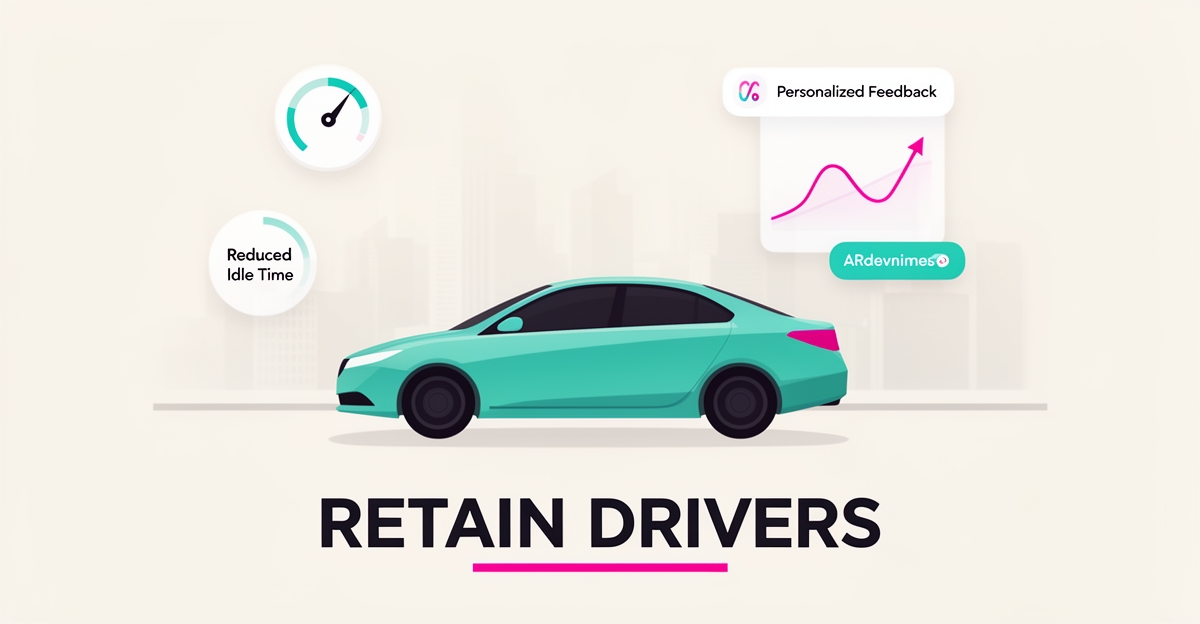
Inside the driver app, AI can monitor performance, send personalized feedback, and offer incentives based on behavior and ratings. That moves dispatch from a cost center to a retention tool. When drivers see shorter, smarter routes and clear, fair incentives, fleet stability improves across the board.
Building an AI Driver Retention System with AIQ Labs
AIQ Labs integrates AI tools directly into driver dashboards to transform how rideshare companies engage and retain their teams. With 200+ multi-agent systems deployed and four live SaaS products the company runs daily, AIQ Labs brings real operational experience to this work. The system delivers real-time performance monitoring, personalized feedback, and behavior-based incentives—all designed to reduce turnover and strengthen fleet stability, turning driver data into actionable insights without adding administrative burden.
Operators can start at whichever entry point fits. AI Employees provide managed AI staff—dispatchers, driver-success coordinators, and 99+ other roles—at roughly 80% less cost than a human hire, handling monitoring and feedback at scale. Workflow Builds rebuild the one workflow that costs the most—usually dispatch or driver communication—at a fixed price, in phases. And AI Operating Systems connect dispatch, maintenance, and driver experience into one operating layer, built in phases and owned outright.
The system begins with AI-powered performance monitoring that analyzes driving patterns, route efficiency, and customer ratings to identify trends before they become issues. Custom-built models trained on your operational data flag early signs of fatigue or disengagement, enabling proactive intervention. For example, AI-driven route optimization has been shown to reduce fuel costs by 20-35%, which directly improves driver earnings and reduces stress from inefficient routing.
Personalized feedback is delivered through the driver dashboard in clear, timely formats—such as weekly performance summaries or real-time nudges—based on individual behavior. These insights are generated by AI agents that continuously learn from each driver's history, offering specific, constructive guidance rather than generic advice. When combined with behavior-based incentives—like bonuses for high safety scores or consistent on-time performance—drivers report greater motivation and a stronger sense of recognition.
Payment is straightforward: Start Monthly for ongoing managed AI employees, Build in Milestones for phased dashboard integration, or Own It Outright for full ownership of the AI system. Each model includes setup, training, tool integrations, monitoring, and continuous improvement—ensuring the solution evolves with the business. AI-powered route optimization not only cuts costs but also enhances the driver experience by minimizing unnecessary mileage and idle time. Industry research puts the cost of replacing a single driver at $5,000-$8,000—making retention a critical financial lever. By reducing fatigue and improving satisfaction through intelligent systems, companies can significantly lower churn and build more resilient operations.
- Real-time performance tracking via AI dashboard
- Personalized feedback based on driving behavior
- Behavior-linked incentives for safety and efficiency
- Seamless integration with existing fleet tools
- Ongoing optimization through managed AI employees
The result is a self-improving system where drivers feel supported, managers gain visibility, and the fleet operates with greater consistency—proving that AI isn't just about automation, but about building better human-AI partnerships in motion.
Still paying for 10+ subscriptions that don’t talk to each other?
We build custom AI systems you own outright. No vendor lock-in. Full control.
Not sure where to start? Ask our AI planner
Frequently Asked Questions
How much does it actually cost to replace a rideshare driver?
What makes rideshare drivers quit so often?
Can AI route optimization really save money and reduce fatigue?
Will AI dispatch make drivers feel controlled or lose autonomy?
How does AI help with vehicle reliability and driver satisfaction?
What does AI-powered retention look like day-to-day for drivers?
Turning Driver Retention from a Cost Center into a Competitive Advantage
The math is clear: losing drivers isn't just an operational headache—it's a direct hit to profitability, with replacement costs typically ranging from $5,000 to $8,000 per driver and turnover rates reported as high as 90% in some segments. AI-powered solutions tackle the root causes—inefficient routing, excessive idle time, and lack of recognition—by optimizing routes, enabling predictive maintenance, and delivering personalized feedback and incentives through intelligent driver dashboards. When drivers experience fewer delays, more predictable earnings, and real-time support for improvement, job satisfaction rises and churn drops. The result is a more stable workforce, lower recruitment burden, and a fleet that operates with greater consistency and safety. For rideshare operators ready to move beyond reactive hiring and build a resilient, driver-centric operation, the next step is the 2-minute Fit Check—a free, no-obligation way to map your biggest bottlenecks and identify high-ROI AI opportunities—followed by a free 30-minute strategy call to see where AI can make the biggest impact for your team. Prefer email? Reach the team at [email protected].
Make AI your competitive advantage — not just another tool.
Strategy, implementation and ongoing optimization. One partner, end to end.
Not sure where to start? Ask our AI planner